
Picture yourself in late summer, surrounded by the sweetest strawberries you’ve ever tasted, and suddenly you’re wondering: what if I could bottle this moment into something magical?
Making strawberry wine at home transforms simple berries into a smooth, fruity wine that rivals anything you’d buy at a winery. This recipe is perfect for home fermentation enthusiasts who want to create something memorable without complicated chemistry or expensive equipment.
Why You’ll Love This Recipe
Homemade strawberry wine delivers a delicate balance of sweetness and tartness that you rarely find in commercial versions. The process is straightforward, the results are stunning, and you end up with bottles you’ll actually be proud to serve.
- Creates a naturally sweet wine with fresh strawberry flavor that shines through
- Uses simple ingredients and basic fermentation equipment anyone can master
- Ready to enjoy in 3 to 4 months, much faster than many wine recipes
- Makes an excellent gift that shows real effort and care
- Yields roughly 5 bottles from a single batch, so very cost-effective
My Experience Making This Recipe
I first made strawberry wine on a whim after picking too many berries at a local farm. The smell during fermentation was intoxicating, like a natural fruit perfume filling my kitchen.
My first batch turned out beautifully clear and tasted fresh without any harsh alcohol bite. Friends who tried it were shocked I’d made it myself and immediately asked for bottles.
What surprised me most was how little hands-on time this recipe actually demands. After the initial setup, you mostly just watch the magic happen.
Recipe Overview
- Recipe Name: Strawberry Wine
- Servings: Makes approximately 5 bottles (750 mL each)
- Prep Time: 30 minutes
- Fermentation Time: 3 to 4 months
- Total Time: About 4 months
- Course: Beverage
- Cuisine: Homemade Fermentation
- Alcohol by Volume: Approximately 11 to 12 percent
Equipment You Will Need
- Large glass carboy or fermenting vessel (5-gallon capacity)
- Airlock and rubber bung to fit your carboy
- Long wooden or plastic spoon for stirring
- Hydrometer to measure sugar content and alcohol level
- Siphon tube and racking cane for bottling
- Cheesecloth or fine mesh strainer
- Large stainless steel or food-grade plastic pot
- Wine bottles (750 mL) and corks or caps
- Bottle corker or cap applicator
- Labels for finished bottles
- Measuring cups and kitchen scale
Ingredients for Strawberry Wine
- Fresh strawberries: 12 pounds (about 5.4 kg), ripe but not overripe
- Granulated sugar: 5 pounds (2.3 kg), divided
- Acid blend: 1.5 teaspoons
- Tannin powder: 1/2 teaspoon
- Pectic enzyme: 1 teaspoon
- Wine yeast: 1 packet (such as Lalvin EC-1118 or similar wine yeast)
- Yeast nutrient: 1 teaspoon
- Water: 1 gallon (3.8 liters), non-chlorinated if possible
- Potassium sorbate: 1/2 teaspoon (optional, for stabilizing after fermentation)
Ingredient Notes and Substitutions
- Fresh strawberries: You need ripe berries for maximum flavor and sugar content. If fresh strawberries aren’t available or too expensive, frozen strawberries work well; just thaw them first.
- Granulated sugar: Sugar feeds the yeast and determines final alcohol content. You cannot substitute honey or other sweeteners without changing fermentation timing and alcohol levels.
- Acid blend: This keeps the wine balanced and prevents spoilage. Bottled lemon juice (1.5 tablespoons) can replace acid blend in a pinch, though the flavor profile shifts slightly.
- Wine yeast: This strain ferments cleanly and produces wines with good body. Bread yeast produces off-flavors and unpredictable results, so don’t substitute it.
- Pectic enzyme: This breaks down fruit solids for clarity. Omit it if you don’t mind a slightly cloudier wine, but clarity improves with this ingredient.
- Tannin powder: Tannins add structure and help the wine age better. If unavailable, you can skip it, though the wine will taste softer.
How to Make Strawberry Wine
Step 1: Prepare and Sanitize Equipment
Thoroughly clean all equipment with hot water and rinse completely. Sanitize everything with a no-rinse sanitizer like Star San, following package instructions, since any bacteria or wild yeast will ruin your batch.
Step 2: Wash and Crush the Strawberries
Rinse your strawberries under cool water and remove the green caps and any damaged spots. Crush them by hand in a large pot until they release their juices; you want mostly broken fruit with some visible pieces remaining.
Step 3: Add Enzymes and Acid
Stir the pectic enzyme and acid blend into the crushed strawberries. Let this mixture sit for 24 hours at room temperature, which allows the pectic enzyme to break down the fruit’s cell walls and improves juice extraction and clarity.
Step 4: Prepare the Sugar Solution
Combine 3 pounds of sugar with 1 gallon of water in a large pot and heat gently until the sugar dissolves completely. Once dissolved, let this mixture cool to room temperature, as adding hot liquid kills wine yeast.
Step 5: Combine Fruit and Sugar Syrup
Pour the cooled sugar syrup into your sanitized fermentation vessel, then strain the strawberry mixture through cheesecloth into the vessel, pressing gently to extract all the liquid while leaving solids behind. Add the tannin powder and stir well.
Step 6: Rehydrate and Pitch the Yeast
Mix your wine yeast with yeast nutrient in a small cup of lukewarm water (about 110 degrees Fahrenheit) and let it sit for 15 minutes to rehydrate. Pour this mixture into your fermentation vessel and stir gently to distribute evenly throughout the liquid.
Step 7: Monitor Primary Fermentation
Insert your airlock into the rubber bung and place it in the carboy’s opening. Primary fermentation typically lasts 7 to 10 days, during which vigorous bubbling signals that yeast is actively converting sugar into alcohol.
Check the hydrometer reading after 7 days by carefully siphoning a small sample from the bottom of the carboy. When the specific gravity drops below 1.010, primary fermentation is nearly complete.
Step 8: Rack the Wine
Using your siphon tube and racking cane, carefully transfer the clear wine into a clean secondary fermentation vessel, leaving behind the fruit solids and sediment on the bottom. This separation prevents off-flavors from developing as secondary fermentation continues.
Top up the secondary vessel with a bit of cooled boiled water if needed so the wine reaches near the bung, then reinsert the airlock and place in a quiet spot at room temperature.
Step 9: Complete Secondary Fermentation
Let the wine sit undisturbed for 2 to 3 months while secondary fermentation gradually finishes. You’ll notice the bubbling slows significantly and eventually stops completely, and the wine will clear as sediment settles to the bottom.
Step 10: Rack Again and Clarify
Once fermentation has completely stopped and the wine is clear, siphon it into another clean carboy, again leaving sediment behind. If you desire extra clarity, add a fining agent like isinglass and let it settle for another week before a final racking.
Step 11: Stabilize and Prepare for Bottling
If you want to stop fermentation and prevent any future fizz, add potassium sorbate dissolved in a small amount of water and stir gently. Let the wine rest for a week before bottling to ensure the stabilizer has taken effect.
Step 12: Bottle Your Wine
Siphon the finished wine into clean, sterilized wine bottles, filling to just below the neck. Cork or cap immediately and store bottles upright in a cool, dark place for at least 2 more weeks before opening, allowing flavors to marry and settle.
Pro Tip: The most critical moment is sanitization; any contamination ruins the entire batch, so invest in a good no-rinse sanitizer and use it generously on every piece of equipment that touches your wine.
Tips for the Best Strawberry Wine
- Choose the ripest, sweetest strawberries you can find since flavor concentrates in ripe fruit. Underripe berries produce thin, sour wine regardless of added sugar.
- Maintain consistent room temperature between 65 and 75 degrees Fahrenheit throughout fermentation, as temperature swings slow yeast activity and can stress the culture.
- Invest in a reliable hydrometer and take readings regularly; it’s your only way to know when fermentation is truly finished and helps you calculate final alcohol content.
- Minimize headspace in your carboy during secondary fermentation to prevent oxidation, which turns wine brown and creates off-flavors.
- Rack your wine one final time 2 weeks before bottling to achieve maximum clarity and ensure any remaining yeast settles completely.
- Store finished bottles on their side in a cool, dark place to keep corks moist and prevent them from drying out, which allows air to seep in.
Common Mistakes to Avoid
- Using chlorinated tap water: Chlorine interferes with fermentation and can create off-flavors. Use filtered or bottled water if chlorine is present in your local tap water.
- Adding yeast before the sugar syrup cools: Hot liquid kills wine yeast instantly, stopping fermentation before it starts. Always cool your sugar solution completely before mixing with yeast.
- Opening the carboy too frequently to check progress: Each time you open it, you risk contamination and oxidation. Trust your airlock and hydrometer readings instead.
- Bottling before fermentation completely finishes: If yeast is still active, continued fermentation in sealed bottles creates dangerous pressure. Wait until bubbling stops and gravity readings stabilize.
- Skipping the sanitization step: One piece of unsanitized equipment introduces bacteria or wild yeast that ruins the entire batch. Sanitize religiously, even if it feels excessive.
Serving Suggestions
Strawberry wine shines best served well-chilled at around 45 to 50 degrees Fahrenheit, which brightens the fruit flavors and balances any residual sweetness. It pairs beautifully with lighter foods and makes an excellent aperitif on warm evenings.
- Serve alongside fresh berries, cream cheese, and shortbread for an elegant dessert pairing
- Pair with grilled chicken or fish for a lighter main course that doesn’t overpower the delicate wine
- Enjoy with soft cheeses like brie or goat cheese for a sophisticated appetizer
- Mix into white wine sangria with fresh fruit for a summery punch at gatherings
- Use as a base for strawberry wine spritzers by mixing half wine with sparkling water and fresh mint
Variations to Try
- Strawberry Rhubarb Wine: Replace 3 pounds of strawberries with 3 pounds of fresh rhubarb for a tarter, more structured wine. The rhubarb adds natural acid and tannin, creating better aging potential.
- Strawberry Rose Wine: Add 1 teaspoon of dried rose petals during primary fermentation for a floral complexity. This creates an elegant, delicate wine that pairs well with light desserts.
- Dry Strawberry Wine: Increase acid blend to 2 teaspoons and reduce sugar to 4 pounds to create a wine with minimal residual sweetness. The result tastes more like a traditional white wine with strawberry character.
- Strawberry Honey Wine: Replace 1 pound of sugar with 2 pounds of honey for a slightly richer mouthfeel and more complex flavor profile. Honey ferments slightly differently than sugar, so monitor gravity readings carefully.
- Strawberry Vanilla Wine: Add one split vanilla bean during secondary fermentation for subtle vanilla notes that complement the fruit beautifully. Remove the bean before final racking to prevent flavor overpowering.
Dietary Adaptations
- Dry Wine: Reduce sugar to 3.5 pounds for a wine with less residual sweetness and drier finish, though alcohol content drops to around 10 percent.
- Lower Alcohol Content: Use 4 pounds of sugar instead of 5 to create a wine around 10 percent alcohol, which some prefer for lighter drinking.
- Sugar-Free Approach: This isn’t truly possible since yeast requires sugar to ferment, but you can use artificial sweeteners post-fermentation to adjust final sweetness without changing alcohol content.
- Organic Wine: Use certified organic strawberries and organic sugar with no pesticide residues if avoiding conventionally grown produce matters to you.
Storage and Reheating
Refrigerator
Store finished bottles upright on a cool shelf away from light for up to 2 years. Check occasionally for cork leakage or signs of spoilage like cloudiness or vinegar smell.
- Keep between 45 and 55 degrees Fahrenheit for best quality maintenance
- Store away from direct sunlight, which degrades color and flavor
- Keep bottles upright to minimize cork contact, preventing cork contamination
Freezer
Strawberry wine doesn’t freeze well since alcohol content prevents complete freezing and thawing affects flavor and clarity. Long-term storage in the freezer isn’t recommended.
- The alcohol concentration prevents true freezing at home temperatures
- Temperature cycling damages the wine’s structure and character
Reheating
Never heat strawberry wine since high temperatures destroy delicate fruit flavors and alcohol content. Simply chill and serve chilled straight from the bottle.
- Keep wine cool from storage until the moment you pour
- If wine becomes warm accidentally, rechill it slowly in the refrigerator
Nutrition Information
| Nutrient | Amount |
|---|---|
| Calories | 125 |
| Total Fat | 0 grams |
| Saturated Fat | 0 grams |
| Carbohydrates | 5 grams |
| Fiber | 0 grams |
| Sugar | 4 grams |
| Protein | 0 grams |
| Sodium | 10 milligrams |
| Cholesterol | 0 milligrams |
These values represent a 5-ounce serving of finished strawberry wine with approximately 11 percent alcohol by volume. Nutrition varies based on final residual sugar content and fermentation efficiency.
Frequently Asked Questions
Can I use frozen strawberries instead of fresh?
Yes, frozen strawberries work perfectly well for wine making. Thaw them completely before crushing, and proceed with the recipe as written.
How do I know if my wine has gone bad?
Bad wine smells like vinegar, looks extremely cloudy or has visible mold, or tastes sour and unpleasant. A light sediment on the bottom and slight cloudiness during fermentation are normal and not signs of spoilage.
What if my fermentation seems to have stopped too quickly?
Take a hydrometer reading to confirm fermentation is actually complete. If gravity is still dropping, the wine is still fermenting, just slowly, which happens at cooler temperatures.
How long before strawberry wine is ready to drink?
You can taste it after bottling, but it truly improves with 3 to 6 months of bottle age as flavors marry and settle. Many home winemakers find their best results after a full year in the bottle.
Can I adjust the sweetness of finished wine?
Yes, you can back-sweeten finished wine by adding a small amount of fruit juice or simple syrup and stirring gently. Add in small increments, tasting frequently, until you reach your preferred sweetness level.
What causes cloudy wine after bottling?
Bottle cloudiness usually indicates yeast or sediment that settled during aging. Let bottles sit upright undisturbed for a few weeks, and the sediment will drop to the bottom, clearing the wine.
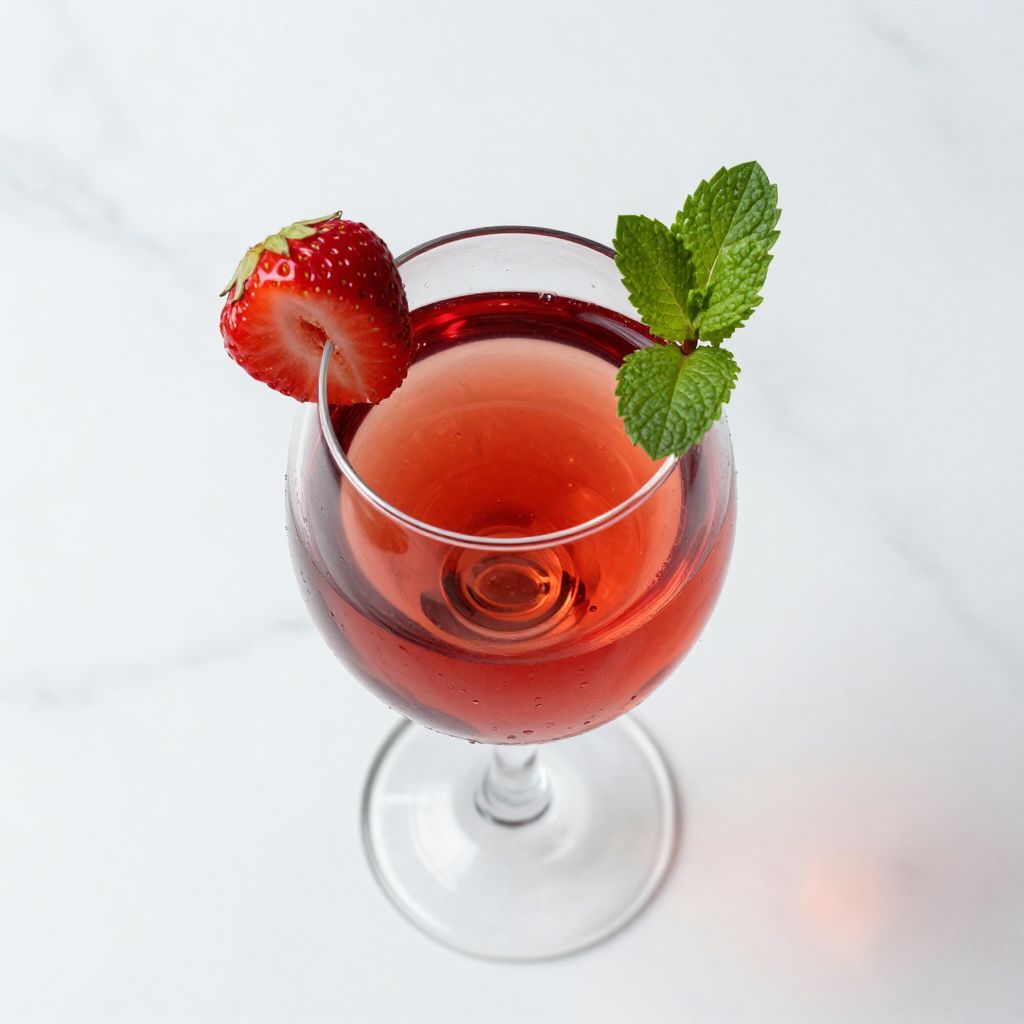
Strawberry Wine
Ingredients
Equipment
Method
- Thoroughly clean all equipment with hot water and rinse completely. Sanitize everything with a no-rinse sanitizer like Star San, following package instructions.
- Rinse your strawberries under cool water and remove the green caps and any damaged spots. Crush them by hand in a large pot until they release their juices.
- Stir the pectic enzyme and acid blend into the crushed strawberries. Let this mixture sit for 24 hours at room temperature.
- Combine 3 pounds of sugar with 1 gallon of water in a large pot and heat gently until the sugar dissolves completely. Let this mixture cool to room temperature.
- Pour the cooled sugar syrup into your sanitized fermentation vessel, then strain the strawberry mixture through cheesecloth into the vessel, pressing gently to extract all the liquid. Add the tannin powder and stir well.
- Mix your wine yeast with yeast nutrient in a small cup of lukewarm water (about 110 degrees Fahrenheit) and let it sit for 15 minutes to rehydrate. Pour this mixture into your fermentation vessel and stir gently.
- Insert your airlock into the rubber bung and place it in the carboy's opening. Monitor primary fermentation for 7 to 10 days at room temperature between 65 and 75 degrees Fahrenheit. Check the hydrometer reading after 7 days; when specific gravity drops below 1.010, primary fermentation is nearly complete.
- Using your siphon tube and racking cane, carefully transfer the clear wine into a clean secondary fermentation vessel, leaving behind the fruit solids and sediment. Top up the secondary vessel with cooled boiled water if needed, then reinsert the airlock.
- Let the wine sit undisturbed for 2 to 3 months at room temperature while secondary fermentation gradually finishes. The bubbling will slow significantly and eventually stop completely.
- Once fermentation has completely stopped and the wine is clear, siphon it into another clean carboy, again leaving sediment behind. If desired, add a fining agent and let it settle for another week before a final racking.
- If you want to stop fermentation and prevent any future fizz, add potassium sorbate dissolved in a small amount of water and stir gently. Let the wine rest for a week before bottling.
- Siphon the finished wine into clean, sterilized wine bottles, filling to just below the neck. Cork or cap immediately and store bottles upright in a cool, dark place for at least 2 more weeks before opening.
Notes
Final Thoughts
Making strawberry wine at home opens up a rewarding hobby that costs far less than buying quality wine from shops. The flavors you’ll create beat anything mass-produced, and the satisfaction of sharing your own wine with friends and