
There’s something magical about opening a bottle of homemade peach wine on a summer evening, knowing you crafted it yourself from fresh fruit and patience.
Homemade peach wine transforms simple peaches into a smooth, fruity beverage that tastes far more sophisticated than its humble ingredients suggest. This recipe takes about four weeks from start to finish, but most of that time the wine ferments quietly without any fuss from you. The result is a naturally sweet, golden wine with genuine peach flavor that beats anything you’ll find at a casual store.
Why You’ll Love This Recipe
Making your own peach wine is rewarding, fun, and surprisingly straightforward once you understand the basic process. You control the sweetness, the strength, and the exact flavor profile, which means you get a wine tailored exactly to your taste.
- Tastes like real peaches, not artificial flavoring or chemicals.
- Costs far less than comparable wines from a winery or shop.
- Impresses guests and makes an excellent homemade gift.
- The process teaches you about fermentation and winemaking fundamentals.
- Works beautifully with ripe, fresh peaches from summer farmers markets.
My Experience Making This Recipe
I started making peach wine after my neighbor handed me six pounds of surplus peaches from her backyard tree. At first, the idea of fermentation felt intimidating, but once I gathered the equipment and started the process, it became almost meditative.
The kitchen smelled incredible as the fruit began to ferment, and watching the bubbling airlock become slower and slower week by week felt like witnessing magic. When I finally bottled it four weeks later, the color was a gorgeous pale gold, and the first taste confirmed I’d made something genuinely good.
My friends were shocked when I told them it was homemade, and several asked for bottles of the next batch. That’s when I realized this recipe was worth refining and sharing.
Recipe Overview
- Recipe Name: Homemade Peach Wine
- Servings: Makes approximately 1 gallon (5 bottles)
- Prep Time: 30 minutes
- Fermentation Time: 28 to 35 days
- Total Time: 4 to 5 weeks
- Course: Beverage
- Cuisine: Homemade/American
- Alcohol Content: Approximately 11 to 12 percent ABV
Equipment You Will Need
- One gallon glass carboy or food-grade plastic fermenter
- Airlock and rubber stopper (to fit your carboy)
- Large stainless steel or food-grade plastic pot
- Long-handled wooden spoon for stirring
- Hydrometer for measuring sugar content
- Thermometer
- Cheesecloth or fine mesh strainer
- Siphon tubing and racking cane
- Wine bottles and corks or caps
- Corking tool (if using corks)
- Funnel
- Kitchen scale
- Measuring cups and spoons
Ingredients for Homemade Peach Wine
- Fresh ripe peaches: 6 to 7 pounds (about 18 to 20 medium peaches)
- Granulated sugar: 2.5 to 3 pounds
- Water: 1 gallon (filtered or distilled is best)
- Wine yeast: 1 packet of Champagne yeast or Lalvin EC-1118
- Yeast nutrient: 1 teaspoon
- Pectic enzyme: 1 teaspoon
- Acid blend or citric acid: 1 teaspoon
- Potassium sorbate: 1/2 teaspoon (optional, for stabilizing before bottling)
- Campden tablets: 1 tablet (optional, for sterilizing)
Ingredient Notes and Substitutions
- Fresh ripe peaches: Ripe peaches have more natural sugar and flavor, which creates better fermentation and a more complex wine. If you can’t find fresh peaches, frozen peaches work well too, though they won’t give quite the same depth.
- Wine yeast: Champagne yeast ferments cleanly and tolerates higher alcohol levels, which is why it’s ideal for this recipe. Active dry baker’s yeast will ferment but produces off-flavors and doesn’t settle as clearly in the bottle.
- Granulated sugar: Sugar feeds the yeast and raises the alcohol content of the wine. Honey or agave nectar can substitute cup for cup, though they’ll create a slightly different flavor profile and may need adjusted proportions.
- Water: Filtered or distilled water prevents chlorine and minerals from affecting fermentation. Regular tap water works if filtered water isn’t available, though it may introduce slight off-flavors.
- Pectic enzyme: This breaks down peach pectin and helps clarify the wine naturally. Skipping it means your finished wine may stay slightly hazy, but it will still taste good.
How to Make Homemade Peach Wine
Step 1: Prepare and Sanitize Your Equipment
Cleanliness is non-negotiable in winemaking because any stray bacteria or wild yeast will sabotage your batch. Wash your carboy, airlock, stopper, spoon, and any other equipment with hot soapy water, then rinse thoroughly with clean water.
If you want extra insurance, soak everything in a sanitizing solution like Star San or sulfite solution for the time recommended on the package. Let the equipment air dry completely before using.
Step 2: Wash, Pit, and Chop Your Peaches
Rinse your peaches under cool running water and pat them dry with a clean towel. Cut each peach in half along the seam, remove the pit, and chop the flesh into quarter-sized pieces (you can leave the skin on).
You don’t need to peel them, as the skins add color, tannins, and complexity to the wine. If any of your peaches have soft spots or mold, cut those sections out completely.
Step 3: Prepare the Must in Your Pot
Place your chopped peaches in a large pot and add 1 gallon of filtered water and 2.5 to 3 pounds of sugar. Stir well so the sugar dissolves as much as possible, then taste a small sip to check the sweetness.
The mixture should taste quite sweet at this stage. If you’re using a hydrometer, measure the specific gravity now and write it down; it will help you calculate the final alcohol content later.
Step 4: Add Pectic Enzyme and Let It Sit
Stir in 1 teaspoon of pectic enzyme to break down the pectin in the peach skins and flesh. This step is what transforms a cloudy, murky liquid into clear wine that looks professional in a glass.
Cover the pot loosely with a clean cloth and let it sit at room temperature (around 68 to 72 degrees Fahrenheit) for 24 hours. This gives the enzyme time to work and also allows the flavors to develop slightly.
Step 5: Add Acid Blend, Yeast Nutrient, and Campden Tablet
After 24 hours, stir in 1 teaspoon of acid blend or citric acid to balance the sweetness and add brightness. Add 1 teaspoon of yeast nutrient, which gives the yeast the nitrogen and minerals it needs to thrive.
If you’re using a Campden tablet to sterilize the must and kill any wild yeast or bacteria, crush it, dissolve it in a little water, and stir it in now. Let everything settle for 12 to 24 hours before moving to the next step.
Step 6: Prepare Your Yeast and Pitch It Into the Carboy
Rehydrate your wine yeast according to the packet instructions (usually this means stirring it into lukewarm water and letting it sit for 15 to 30 minutes). This wakes up the yeast and ensures better fermentation than pitching it dry.
Using a fine mesh strainer or cheesecloth, pour the peach must into your sanitized carboy, leaving the solids behind in the pot. Pour in the activated yeast and stir gently with a long sanitized spoon to mix everything together.
Step 7: Set Up Your Airlock and Begin Fermentation
Insert the rubber stopper fitted with an airlock into the mouth of your carboy. Fill the airlock halfway with water so it can allow carbon dioxide gas to escape while preventing outside air from entering.
Place the carboy in a cool, dark spot where the temperature stays between 65 and 75 degrees Fahrenheit. Direct sunlight and heat speed up fermentation unpredictably and can create off-flavors, so a closet or basement corner is perfect.
Step 8: Monitor the Fermentation for Three to Four Weeks
The airlock will bubble rapidly within 24 to 48 hours as the yeast consumes the sugar and produces alcohol and carbon dioxide. After about a week, the bubbling will slow noticeably, and by week three or four, it will nearly stop.
This is the critical period where patience matters most. When the airlock bubbles only once or twice per minute (or stops completely for several hours), the fermentation is winding down and the yeast is settling to the bottom.
Step 9: Rack the Wine Into a Clean Carboy
Once fermentation has nearly stopped, use a sanitized siphon tubing and racking cane to transfer the clear wine from the first carboy into a second sanitized carboy, leaving the sediment (called lees) behind. This process is called racking and it removes the dead yeast and other solids that can impart off-flavors if left too long.
Insert a clean airlock into the second carboy and let the wine sit in a cool place for one more week. This allows any remaining tiny particles to settle out.
Step 10: Bottle Your Finished Wine
Using your siphon again, carefully transfer the clear wine into clean wine bottles, leaving about an inch of headspace at the top. If you want your wine to stay stable and not start fermenting again, you can add 1/2 teaspoon of potassium sorbate per gallon before bottling, though this is optional for a dry or off-dry wine.
Cork or cap your bottles and store them upright in a cool, dark place for at least two weeks before drinking (this is called bottle age and it allows the flavors to meld and improve). Your wine will taste even better after a few months of aging.
Pro Tip: Keep a detailed log of your starting specific gravity, fermentation temperature, and rack dates so you can recreate your best batches and troubleshoot any problems in future batches.
Tips for the Best Homemade Peach Wine
- Use the ripest, sweetest peaches you can find, ideally from a farmers market or orchard at peak season. Underripe peaches make thin, weak wine without depth.
- Keep fermentation temperatures as steady as possible between 65 and 75 degrees Fahrenheit. Temperature swings stress the yeast and can create funky flavors.
- Don’t skip the racking step or rush it. Leaving the wine on the dead yeast for too long creates sulfurous smells that take weeks to fade.
- Invest in a basic hydrometer so you know your starting sugar content and can calculate the final alcohol percentage. It takes the guesswork out of knowing when fermentation is truly done.
- Use wine bottles with straight sides rather than beer bottles, since wine is typically stored horizontally and beer bottles can roll too easily on a shelf.
- Taste your wine at each racking to monitor how it’s developing and to catch any off-flavors early.
Common Mistakes to Avoid
- Using underripe or mediocre peaches will result in thin, flavorless wine that tastes like sugar water. The quality of your starting fruit directly determines the quality of your finished wine.
- Adding too much sugar can create wine so high in alcohol that the yeast stops fermenting partway through, leaving it cloyingly sweet and unstable. Stick to the 2.5 to 3 pound range for a balanced result.
- Fermenting at room temperatures above 75 degrees speeds up fermentation but creates hot, harsh flavors and can cause the yeast to produce off-odors.
- Neglecting to sanitize your equipment properly invites mold, bacteria, and wild yeast to ruin your entire batch. Spend the extra two minutes sanitizing thoroughly.
- Bottling too early before fermentation is fully complete can cause your bottles to pressurize dangerously or develop a cidery taste. Wait until the airlock barely bubbles.
Serving Suggestions
Serve your peach wine well chilled at around 45 to 50 degrees Fahrenheit to highlight its fresh, fruity character. A light chill brings out the peach flavors without muting them the way ice-cold temperatures would.
- Pair it with summer salads, soft cheeses, and mild poultry dishes.
- Serve it alongside fresh fruit desserts, light pound cake, or vanilla panna cotta.
- Use it as a base for a refreshing wine spritzer with sparkling water and fresh mint.
- Gift bottles to friends and family with a handwritten label explaining the peach variety and vintage.
- Enjoy a glass on its own as an aperitif before dinner on a warm evening.
Variations to Try
- Peach and White Wine Blend: Replace half your water with a dry white wine like Sauvignon Blanc or Pinot Grigio to add complexity and reduce fermentation time by a few days. The result is drier and more sophisticated.
- Spiced Peach Wine: Add a small stick of cinnamon, two or three whole cloves, and a thin slice of fresh ginger during the initial 24-hour sit to infuse subtle warming spices into the wine. Remove the spices before racking.
- Peach and Raspberry Wine: Replace 2 pounds of peaches with fresh raspberries to add tartness, complexity, and a beautiful pink hue. Use the same fermentation process and timeline.
- Sweeter Peach Wine: Add an extra 0.5 pound of sugar to the must for a noticeably sweeter finished wine that works beautifully with dessert. You may need to add potassium sorbate before bottling to keep it stable.
- Oak-Aged Peach Wine: After the first racking, place the wine in a carboy with a small handful of oak chips or oak cubes for two to three weeks to add vanilla and toasted notes reminiscent of aged wines.
Dietary Adaptations
- Lower Alcohol: Reduce sugar to 2 pounds instead of 2.5 to 3 pounds to lower the final alcohol content to around 8 to 9 percent ABV. The wine will be lighter and more delicate.
- Sugar-Free or Keto: This recipe is not suitable for keto since fermentation requires sugar to produce alcohol. The yeast must consume sugar to work, so there is no way to eliminate it and achieve fermentation.
- Vegan and Vegetarian: This recipe is naturally vegan and vegetarian. Just ensure your yeast and nutrient products don’t contain animal-derived ingredients by checking the labels.
- Allergen-Free: Homemade peach wine is free of common allergens like nuts, dairy, soy, and gluten. Always verify that your yeast packets and nutrients are produced in dedicated facilities if you have severe allergies.
Storage and Reheating
Refrigerator
Once bottled and corked, your peach wine doesn’t need refrigeration, but you can store unopened bottles in a cool corner of your fridge to slow any minor ongoing changes.
- Keep bottles upright in the refrigerator for up to 6 months after opening.
- An opened bottle will gradually oxidize and flatten over a week or two once the cork is removed.
Freezer
Do not freeze unopened bottles of wine since the liquid expands and can push the cork out or even crack the glass.
- You can freeze leftover wine in ice cube trays to use later in cooking or smoothies.
- Frozen wine cubes keep for several months in a freezer bag.
Long-Term Storage
Unopened bottles stored upright in a cool, dark place (around 50 to 60 degrees Fahrenheit) will keep for one to two years and often improve with age. The wine develops more complex flavors and a smoother mouthfeel as it matures.
- Avoid direct sunlight and temperature fluctuations, which degrade the wine quickly.
- A basement closet or wine cooler is ideal for long-term aging.
- Once you notice the wine starting to brown slightly at the edges, drink it soon since it’s beginning to oxidize.
Nutrition Information
| Nutrient | Amount Per 5 oz Serving |
|---|---|
| Calories | 120 |
| Total Fat | 0 g |
| Saturated Fat | 0 g |
| Carbohydrates | 4 g |
| Fiber | 0 g |
| Sugar | 2 g |
| Protein | 0 g |
| Sodium | 10 mg |
| Cholesterol | 0 mg |
Nutritional values are approximate and based on a finished wine with approximately 11 percent alcohol by volume and residual sugar of 2 grams per liter. These values can vary slightly depending on your exact fruit, fermentation conditions, and how much sugar remains unfermented.
Frequently Asked Questions
Can I use frozen peaches instead of fresh ones?
Yes, frozen peaches work well and sometimes ferment even faster since the freezing process has already broken down some cell walls. Thaw them completely and drain off excess liquid before adding them to your must.
How do I know if my wine has gone bad?
Bad wine tastes vinegary, has a foul sulfur smell that doesn’t fade, or smells musty like wet cardboard. If you see mold on the surface or cloudiness that won’t clear after racking, discard the batch.
What does the airlock do?
The airlock allows carbon dioxide gas produced by fermentation to escape while preventing outside air and bacteria from entering the carboy. This protects your wine from oxidation and contamination.
Can I make peach wine without a hydrometer?
Yes, but a hydrometer is inexpensive and removes the guesswork from knowing when fermentation is complete and how much alcohol your wine contains. You can still make good wine without one by waiting until the airlock stops bubbling for several days.
Why is my wine still cloudy after bottling?
Cloudiness usually comes from tiny yeast particles or pectin that haven’t fully settled. Make sure you added pectic enzyme at the beginning, racked the wine at least once, and waited long enough for particles to settle before bottling.
How long should I age my peach wine before drinking it?
Your wine is drinkable immediately after bottling, but it tastes noticeably smoother and more complex after aging for at least two to three months. Some bottles continue improving for a year or more in cool storage.
Final Thoughts
Making homemade peach wine is one of those rewarding projects that looks complicated until you dive in and realize the yeast does most of the heavy lifting. The entire process teaches you patience, basic chemistry, and how to create something genuinely delicious from ingredients anyone can find at the market.
Your first batch might not be perfect, and that’s okay. Each fermentation teaches you something new, and you’ll refine your process with every bottle you make. Grab some fresh peaches, gather your equipment, and start your first batch this week.
Explore More Homemade Beverages
If you loved making peach wine, you might also enjoy crafting other fruit wines and cocktails at home. Winemaking opens up a whole world of possibilities beyond traditional grapes, and once you master the basics, you can experiment with nearly any fruit or flavor combination you imagine.
Check out our recipe for peach margarita recipe if you want a refreshing way to use up fresh peaches in cocktails instead of wine. You might also love our strawberry wine recipe, which uses the same fermentation method with a different fruit for equally delicious results.
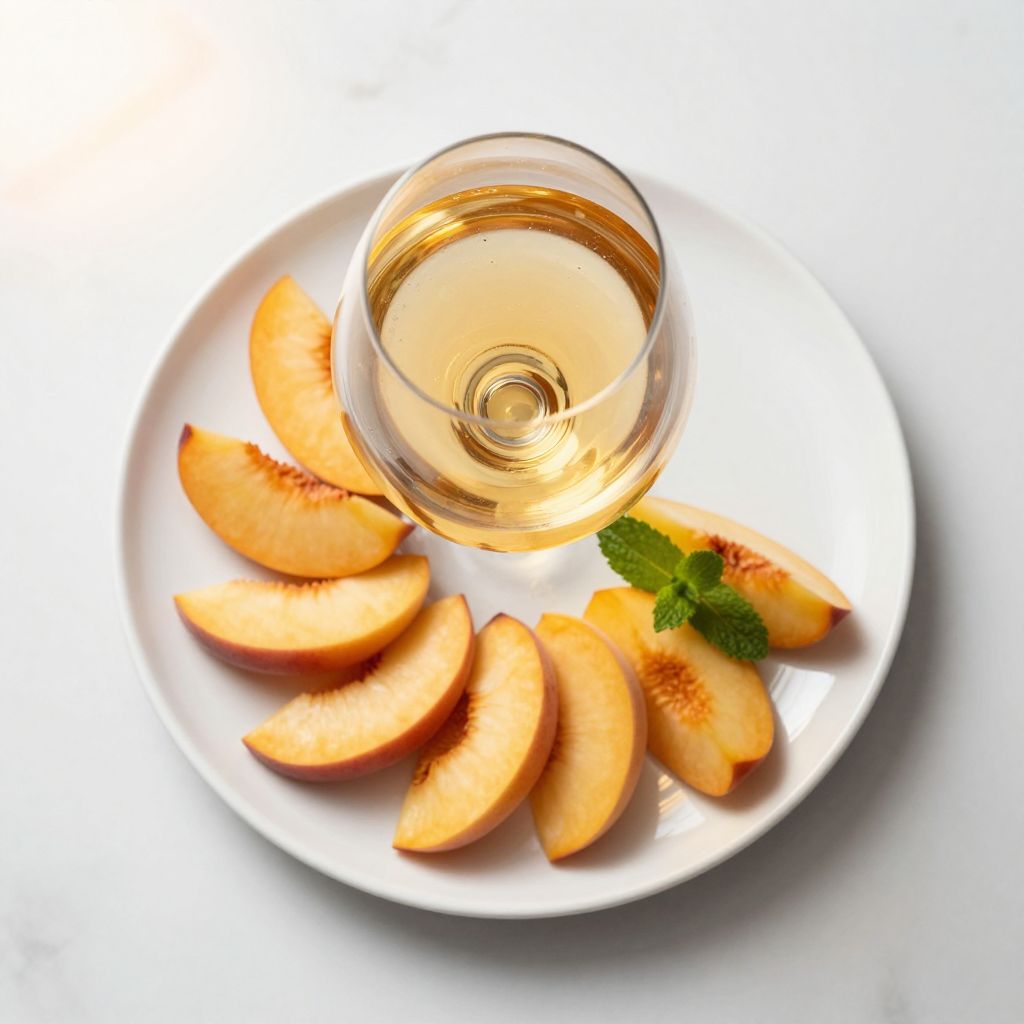
Homemade Peach Wine
Ingredients
Equipment
Method
- Clean and sanitize the carboy, airlock, stopper, spoon, and all other equipment with hot soapy water, rinse thoroughly, then sanitize with a sulfite solution or Star San and let air dry completely.
- Rinse peaches under cool running water, pat dry, halve, remove pits, and chop into quarter-sized pieces, leaving skins on.
- Place chopped peaches, 1 gallon of water, and 2.5 to 3 pounds of sugar in a large pot, stir well until sugar dissolves, and measure specific gravity if desired.
- Stir in 1 teaspoon of pectic enzyme, cover the pot loosely, and let the mixture sit at 68 to 72°F for 24 hours.
- After 24 hours, stir in 1 teaspoon of acid blend, 1 teaspoon of yeast nutrient, and dissolve and add 1 crushed Campden tablet; cover and let sit for 12 to 24 hours.
- Rehydrate the yeast in lukewarm water for 15 to 30 minutes, then strain the peach must into the sanitized carboy, leaving solids behind, add the activated yeast, and stir gently.
- Insert the rubber stopper and airlock, fill the airlock halfway with water, and ferment in a cool, dark place at 65 to 75°F for about 28 days, or until bubbling slows significantly.
- Use sanitized siphon tubing and racking cane to transfer the clear wine into a second sanitized carboy, leaving lees behind, fit a clean airlock, and let it age for 7 days.
- Optional: add 1/2 teaspoon potassium sorbate, then siphon the wine into clean bottles leaving about 1 inch of headspace, cork or cap the bottles, and store upright in a cool, dark place for at least 2 weeks before drinking.