
Imagine the first sip of homemade raspberry wine, bursting with juicy flavor and a hint of sweetness. This delightful beverage is not just a treat for your palate; it’s a lovely way to celebrate special moments or simply unwind on a cozy evening.
What makes this recipe stand out is its vibrant flavor profile and the satisfaction of crafting something delicious with your own hands. With just a few simple ingredients and some patience, you can enjoy a refreshing glass of raspberry wine that is sure to impress.
Why You’ll Love This Recipe
This raspberry wine recipe is a true delight for fruit lovers.
- Rich, fruity flavor that captivates the senses.
- Easy-to-follow steps make it accessible for all skill levels.
- Perfect for gatherings, gifting, or enjoying on a quiet evening.
- Allows for personal touches and variations based on your taste.
- Homemade wine brings a sense of accomplishment.
My Experience Making This Recipe
When I first attempted this raspberry wine recipe, I was surprised at how straightforward it was. The sweet aroma of fresh raspberries filled my kitchen, making it feel like summer had arrived early.
As the fermentation began, the anticipation grew. I could hardly wait to taste the fruits of my labor, and when the time came, it did not disappoint; the delicate balance of sweetness and tartness was simply perfect.
Recipe Overview
- Recipe Name: Raspberry Wine
- Servings: Approximately 6-8 bottles
- Prep Time: 30 minutes
- Cook Time: 3-4 weeks (fermentation time)
- Total Time: 3-4 weeks and 30 minutes
- Course: Beverage
- Cuisine: American
- Calories per Serving: Approximately 120
Equipment You Will Need
- Fermentation vessel (5-gallon glass carboy)
- Airlock and stopper
- Food-grade bucket
- Hydrometer
- Siphon or racking cane
- Bottles and corks
- Large pot for boiling
- Fine mesh strainer
Ingredients for Raspberry Wine
- 5 pounds fresh raspberries
- 3 pounds granulated sugar
- 1 gallon water
- 1 teaspoon potassium metabisulfite
- 1 teaspoon pectic enzyme
- 1 packet wine yeast (such as Lalvin EC-1118)
- 1 teaspoon yeast nutrient
Ingredient Notes and Substitutions
- Fresh raspberries: They provide a vibrant flavor. Frozen raspberries can be used in a pinch but may alter the taste slightly.
- Granulated sugar: This is necessary for fermentation. You can use honey, but it will change the flavor profile.
- Potassium metabisulfite: It helps to sanitize and prevent spoilage. If unavailable, use another sulfite product.
- Pectic enzyme: This helps clarify the wine. If you skip it, the wine may be cloudy.
- Wine yeast: Different strains can affect flavor. Use a specific wine yeast for best results.
How to Make Raspberry Wine
Step 1: Prepare the Raspberries
Wash the raspberries thoroughly to remove any dirt or impurities. This ensures a clean flavor in your wine.
Step 2: Create the Must
In a large pot, combine the raspberries and 1 gallon of water. Bring to a gentle boil, then reduce heat and simmer for about 15 minutes.
Step 3: Strain the Mixture
Using a fine mesh strainer, strain the raspberry mixture into a clean fermentation bucket. This separates the liquid from the solids.
Step 4: Add Sugar and Ingredients
Stir in the granulated sugar until fully dissolved. This is crucial for fermentation, as the sugar feeds the yeast.
Step 5: Cool and Add Additives
Allow the mixture to cool to room temperature. Once cooled, add potassium metabisulfite, pectic enzyme, and yeast nutrient.
Step 6: Pitch the Yeast
Sprinkle the wine yeast over the mixture and stir gently. This step introduces the yeast responsible for fermentation.
Step 7: Ferment
Cover the fermentation bucket with a clean cloth and let it sit for about 5-7 days. This initial fermentation stage is where the magic happens.
Step 8: Transfer to Carboy
After the primary fermentation, siphon the liquid into a sanitized carboy using a siphon or racking cane. This helps separate the wine from the sediment.
Pro Tip: Always sanitize your equipment to prevent contamination, ensuring a clean fermentation process.
Tips for the Best Raspberry Wine
- Use ripe raspberries for the best flavor profile; under-ripe ones can lead to a tart wine.
- Monitor fermentation temperature; ideal temperatures for wine yeast are typically between 65°F to 75°F.
- Be patient! Good wine takes time, and allowing it to age will improve its flavor.
- Consider adding a splash of lemon juice for extra acidity if desired.
- Experiment with oak chips during aging for a depth of flavor.
Common Mistakes to Avoid
- Skipping sanitation; it can lead to spoilage and off-flavors.
- Fermenting at too high or low temperatures; this can stall fermentation.
- Rushing the aging process; wine often tastes better after several months of aging.
- Not monitoring the fermentation; smell and taste can indicate issues early on.
Serving Suggestions
This raspberry wine is delightful on its own or paired with food. Consider these pairing ideas:
- Cheese platters, especially with brie or goat cheese.
- Chocolate desserts for a decadent treat.
- Spicy dishes to balance the heat.
- Summer salads for a refreshing contrast.
Variations to Try
- Mix in other fruits like strawberries or blackberries for a berry blend.
- Add spices like cinnamon or clove for a unique twist.
- Use different types of sugar, like brown sugar, for a richer flavor.
- Ferment with herbs like mint for a refreshing herbal note.
Dietary Adaptations
- Gluten-free: This recipe is naturally gluten-free.
- Dairy-free: No dairy is involved, making it suitable for dairy-free diets.
- Vegan: All ingredients are plant-based, perfect for vegans.
- Low-carb/keto: Consider using a sugar substitute for a lower-carb option.
Storage and Reheating
Refrigerator
Store opened bottles in the refrigerator to maintain freshness.
- Seal tightly to prevent oxidation.
- Consume within a few weeks for the best flavor.
Freezer
Freezing is not recommended for wine, as it can affect texture and flavor.
- Instead, consider bottling and aging.
Reheating
Generally, wine is served chilled or at room temperature. Reheating is not applicable.
- Warm wine can be served in mulled wine recipes.
Nutrition Information
| Nutrient | Amount |
|---|---|
| Calories | 120 |
| Total Fat | 0g |
| Saturated Fat | 0g |
| Carbohydrates | 16g |
| Fiber | 1g |
| Sugar | 14g |
| Protein | 0g |
| Sodium | 5mg |
| Cholesterol | 0mg |
Nutrition values are approximate and may vary based on specific ingredients used.
Frequently Asked Questions
Can I use frozen raspberries instead of fresh?
Yes, you can use frozen raspberries, but fresh ones provide a brighter flavor.
How long can I store homemade raspberry wine?
Homemade raspberry wine can be stored for several months, improving in flavor over time.
Can I make this wine without special equipment?
While specialized equipment helps, you can improvise with clean containers and utensils.
What if my wine tastes too sweet?
If it tastes too sweet, consider adding a bit of acidity, like lemon juice, to balance it.
How do I know when fermentation is complete?
Fermentation is complete when bubbling stops and the specific gravity stabilizes.
Final Thoughts
Making your own raspberry wine is a rewarding experience that embraces the joy of homemade beverages. With a little patience and creativity, you can craft a delightful drink that will impress your friends and family.
I encourage you to give this recipe a try and enjoy the satisfaction of sipping something you made yourself. For more fruity wine inspiration, check out this strawberry wine recipe or explore this blackberry wine recipe for more delicious ideas.
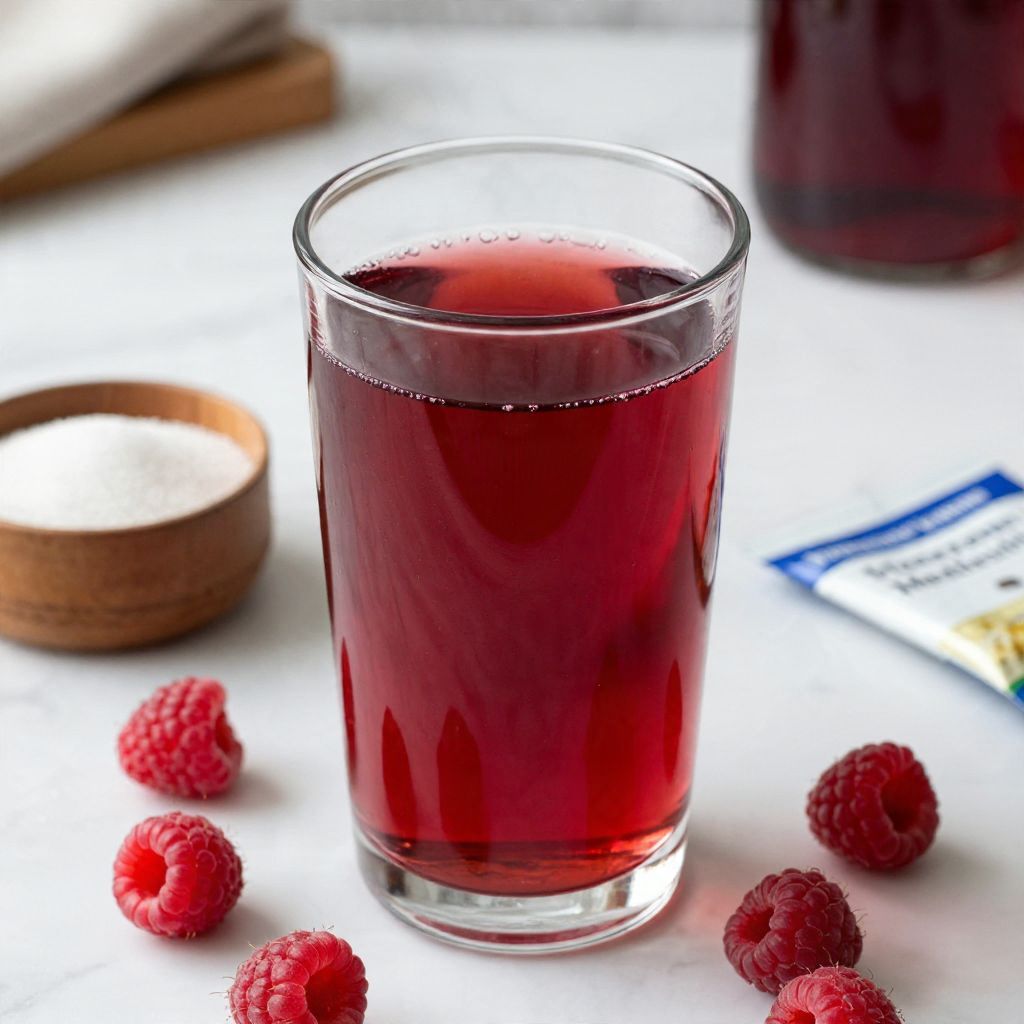
Raspberry Wine
Ingredients
Equipment
Method
- Wash the raspberries thoroughly to remove any dirt or impurities.
- In a large pot, combine the raspberries and 1 gallon of water. Bring to a gentle boil, then reduce heat and simmer for about 15 minutes.
- Using a fine mesh strainer, strain the raspberry mixture into a clean fermentation bucket.
- Stir in the granulated sugar until fully dissolved.
- Allow the mixture to cool to room temperature.
- Once cooled, add potassium metabisulfite, pectic enzyme, and yeast nutrient.
- Sprinkle the wine yeast over the mixture and stir gently.
- Cover the fermentation bucket with a clean cloth and let it sit for about 5-7 days.
- After the primary fermentation, siphon the liquid into a sanitized carboy.