
Picture yourself on a late summer afternoon, crushing fresh blackberries between your fingers and watching the deep purple juice stain your hands, knowing you’re about to create something special that will age into liquid gold.
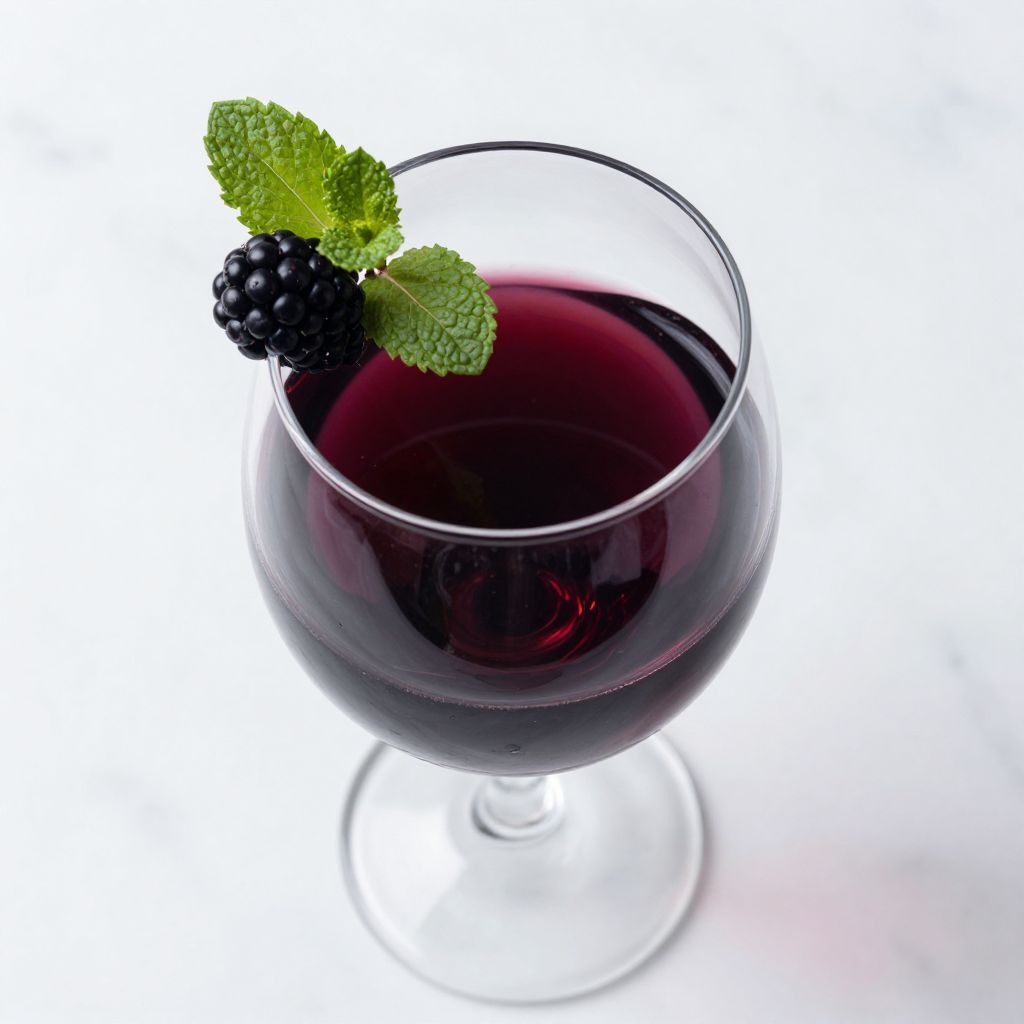
Blackberry wine is a rewarding homemade fermentation project that transforms simple fruit into a smooth, fruity wine with natural depth and character. This recipe guides you through every stage, from selecting quality berries to bottling your finished creation, without requiring fancy equipment or winemaking experience.
Why You’ll Love This Recipe
Blackberry wine rewards patience with rich flavor and impressive results that taste far better than store-bought versions costing three times the price.
- Creates a smooth, naturally sweet wine with bold berry flavor and beautiful deep color
- Uses basic kitchen equipment you likely already own
- Takes only a few hours of actual hands-on work spread over several months
- Produces eight bottles from affordable fresh or frozen berries
- Teaches genuine winemaking skills without intimidating complexity
My Experience Making This Recipe
I started with frozen blackberries from my local market, skeptical that ordinary fruit could become genuinely drinkable wine. The first fermentation bubbled away on my kitchen counter for weeks, filling my apartment with an earthy, fruity aroma that made visitors ask what I was cooking.
After racking the wine three times and bottling in autumn, I waited through winter with the patience of someone who’d never made wine before. When I finally opened the first bottle six months later, the smooth blackberry flavor with subtle tannins surprised even me.
Friends who tried it asked for bottles, and now I make a batch every berry season. The magic lies in respecting the process rather than rushing it.
Recipe Overview
- Recipe Name: Blackberry Wine
- Servings: 8 bottles (32 servings at 5 oz per serving)
- Prep Time: 2 hours
- Fermentation Time: 5 to 6 months
- Total Time: 5 to 6 months plus 2 hours active work
- Course: Beverage
- Cuisine: American/Homemade
- Calories per Serving: 110
Equipment You Will Need
- One 5-gallon glass carboy or food-grade plastic bucket
- Airlock and rubber bung to fit your carboy
- Hydrometer to measure sugar content
- Large stainless steel pot or food-grade bucket for mixing
- Wooden spoon or paddle for stirring
- Fine mesh strainer or cheesecloth
- Siphon tubing and racking cane
- Wine bottles and corks or screw caps
- Bottle corker or capping tool
- Large clean cloth or coffee filters
- Measuring cups and spoons
- pH testing strips
Ingredients for Blackberry Wine
- Fresh or frozen blackberries: 12 pounds (about 8 pounds if using frozen and thawed)
- Granulated sugar: 3 pounds
- Water: 1 gallon (filtered or dechlorinated)
- Wine yeast: 1 packet (Lalvin EC-1118 or Red Star Montrachet)
- Yeast nutrient: 1 teaspoon
- Pectic enzyme: 1 teaspoon
- Potassium sorbate: 1/2 teaspoon (optional, for stabilization)
- Potassium metabisulfite: 1/4 teaspoon (to prevent spoilage)
Ingredient Notes and Substitutions
- Blackberries: Fresh berries create superior flavor with natural acidity and tannins that develop complexity over time. Frozen berries work equally well and often cost less; thaw them completely before using since freezing breaks down cell walls and increases juice extraction.
- Sugar: Standard granulated sugar ferments completely and allows the yeast to reach proper alcohol levels around 12 percent. Honey or brown sugar create different flavor profiles but require adjusting the water ratio since they dissolve differently.
- Wine yeast: Dedicated wine yeast produces cleaner flavor and higher alcohol tolerance than bread yeast. Lalvin EC-1118 handles temperature swings well for beginners, while Red Star Montrachet creates more fruit-forward results.
- Yeast nutrient: This powder contains nitrogen and minerals that yeast needs for vigorous fermentation and prevents stuck fermentation. You cannot skip this with fruit wines, as berries lack adequate nutrients for complete fermentation.
- Pectic enzyme: This breaks down pectin in berry skins, clarifying the wine faster and improving color extraction. Without it, your wine stays cloudy longer, though it eventually clears on its own.
How to Make Blackberry Wine
Step 1: Prepare Your Equipment and Sanitize Everything
Start by thoroughly cleaning all equipment with hot water and a bottle brush to remove any residue. After cleaning, rinse with a no-rinse sanitizer solution like Star San, which kills bacteria and wild yeast that would spoil your batch.
Step 2: Prepare the Blackberries
If using fresh blackberries, remove stems and leaves, then crush them gently in a clean bucket to break the skins and release juice. For frozen berries, thaw them completely at room temperature, which typically takes 24 hours, then crush lightly.
Step 3: Make the Base Solution
Pour one gallon of filtered water into your large pot, then add three pounds of sugar while stirring until completely dissolved. Stir in the pectic enzyme and one-quarter teaspoon of potassium metabisulfite, which prevents wild yeast and bacteria from contaminating your wine.
Step 4: Combine Berries and Solution
Pour the sugar solution into your sanitized carboy, then add all the crushed blackberries along with their juice. Stir the mixture thoroughly to distribute the berries evenly, aiming for a full carboy with about two inches of headspace at the top.
Step 5: Test and Adjust pH
Use pH testing strips to measure acidity, aiming for a pH between 3.0 and 3.5, which protects against spoilage organisms while allowing clean fermentation. If your pH reads above 4.0, add one tablespoon of acid blend or lemon juice and retest after stirring.
Step 6: Hydrate and Pitch the Yeast
Sprinkle the wine yeast packet over one-quarter cup of warm water (around 100 degrees Fahrenheit) and let it sit for 15 minutes until foamy. Add the yeast nutrient to the carboy, then pour in the activated yeast and stir gently but thoroughly to distribute throughout the berry mixture.
Step 7: Begin Primary Fermentation
Fit the carboy with an airlock and bung to allow carbon dioxide to escape while preventing outside air from entering. Place the carboy in a cool, dark location with consistent temperature between 65 and 72 degrees Fahrenheit, away from direct sunlight.
Step 8: Monitor Fermentation Progress
Watch the airlock bubble vigorously for the first week, then gradually slow down over the next two to three weeks as sugars convert to alcohol. After all visible berry pulp settles to the bottom and bubbling slows to one bubble per minute, your primary fermentation is complete, typically taking three to four weeks.
Step 9: Rack the Wine to Secondary Fermentation
Using a clean siphon and racking cane, carefully transfer the clear wine into a second sanitized carboy, leaving the berry solids behind. This racking removes sediment and dead yeast, improving clarity and preventing off-flavors from developing during aging.
Step 10: Add Stabilizer and Age
If using potassium sorbate for additional stabilization, dissolve one-half teaspoon in a small amount of wine and stir into your carboy. Fit the secondary carboy with an airlock and allow it to age in a cool, dark place for at least two to three months while flavors develop and the wine continues to slowly clarify.
Step 11: Rack Again if Needed
After one month in secondary fermentation, if sediment has accumulated again, rack the wine a second time into a clean carboy. Many winemakers rack once more after another month for maximum clarity, though this step is optional for home batches.
Step 12: Bottle Your Wine
Once the wine is clear and stable, siphon it into clean, sterilized wine bottles, filling each to about one-half inch below the cork. Cork immediately using a hand corker or bottle capper, then store bottles upright in a cool, dark place for at least two months before opening to allow flavors to marry.
Pro Tip: Keep detailed notes on your fermentation dates, temperature readings, and observations so you can improve future batches and troubleshoot any issues before they become problems.
Tips for the Best Blackberry Wine
- Use high-quality berries free from mold or damage, as defective fruit introduces bad bacteria that fermentation cannot eliminate. If buying from farmers markets, ask which varieties are available, as different blackberry types create subtly different flavor profiles.
- Maintain consistent temperature throughout fermentation, as fluctuations between 65 and 72 degrees Fahrenheit create stress on yeast and can stop fermentation completely. A wine fridge or stable basement location works better than a kitchen counter near heat sources.
- Never skip the yeast nutrient with fruit wines, as blackberries lack sufficient nitrogen for vigorous fermentation. Without adequate nutrients, yeast becomes sluggish and can produce unpleasant sulfur aromas that take months to dissipate.
- Take hydrometer readings on days two, five, and seven to track fermentation speed and predict when primary fermentation will complete. This prevents guessing and helps you catch stuck fermentations early when intervention is still possible.
- Store your finished wine in a cool location around 50 to 55 degrees Fahrenheit with minimal light exposure, as heat and UV light degrade color and flavor over time. A dark basement, wine fridge, or cool closet works perfectly.
- Taste your wine after two months, six months, and one year to experience how blackberry wine evolves and improves with age. Most homemade fruit wines peak between one and two years of bottle age.
Common Mistakes to Avoid
- Skipping sanitation allows wild yeast and bacteria to compete with your wine yeast, creating vinegary or off-flavored results that cannot be fixed once fermentation begins. Every piece of equipment touching your wine must be sanitized with a proper solution.
- Using too little sugar produces a wine with insufficient alcohol to preserve properly, which spoils during storage and tastes thin. Calculate sugar based on your starting gravity reading to ensure fermentation reaches 11 to 13 percent alcohol by volume.
- Rushing bottling before fermentation truly completes causes bottles to explode from carbon dioxide buildup inside sealed containers. Always wait until your wine has been completely stable for at least one full month with no visible bubbling before corking.
- Fermenting in direct sunlight degrades the wine’s color and flavor while encouraging wild yeast growth on the exposed portions. A dark cabinet or basement location prevents light damage and maintains cooler, more stable temperatures.
- Opening bottles too early prevents the wine from developing full complexity and flavor that requires at least two months of bottle age. Patience rewards you with noticeably better drinking quality compared to wine opened immediately after bottling.
Serving Suggestions
Blackberry wine shines when served chilled but not ice-cold, at around 55 to 60 degrees Fahrenheit, which brings out the fruit flavors without numbing them. Pair it with foods that match its natural berry sweetness and subtle tannins for the most enjoyable experience.
- Serve alongside chocolate desserts like flourless chocolate cake or dark chocolate mousse to amplify the wine’s subtle berry notes
- Pair with aged cheddar or gouda cheese for a sophisticated aperitif that highlights both the fruit and subtle oak undertones
- Enjoy with berry-forward pastries like blackberry tarts or cobbler, where the wine echoes the dessert’s primary flavors
- Complement grilled lamb or duck dishes, where the wine’s tannins balance rich, fatty preparations
- Serve at casual gatherings where its approachable sweetness appeals to those who normally avoid dry wines
Variations to Try
- Blackberry-Honey Wine: Replace one pound of sugar with two pounds of raw honey for a more complex, deeper flavor with subtle floral notes that develops faster in bottle. This variation ages slightly faster and tastes more sophisticated than straight sugar fermentation.
- Spiced Blackberry Wine: Add one cinnamon stick, three whole cloves, and one-half teaspoon of ground nutmeg during primary fermentation for warming spice notes without overpowering the fruit. Strain out whole spices before racking to secondary.
- Mixed Berry Wine: Use six pounds of blackberries with three pounds each of raspberries and marionberries for layered complexity that no single berry can achieve alone. Different berries ferment at slightly different rates, creating interesting flavor development.
- Blackberry-Apple Wine: Add two gallons of fresh apple juice to your base for increased body and a drier final product that pairs better with savory dishes. The apple’s natural pectin also helps the wine clarify faster.
- Sweet Blackberry Dessert Wine: Halt fermentation early by chilling the carboy to 40 degrees Fahrenheit when you reach your desired sweetness level, creating a naturally sweet wine with lower alcohol around 10 percent. This requires precise monitoring and works best with experience from previous batches.
Dietary Adaptations
- Gluten-Free: This recipe is naturally gluten-free, as blackberries, sugar, water, and wine yeast contain no gluten. Just ensure your sanitizer and any additives come from gluten-free sources if you have celiac sensitivity.
- Dairy-Free: Blackberry wine contains no dairy in any step, making it naturally suitable for vegan and dairy-free diets.
- Vegan: Standard wine yeast and all ingredients are vegan, though some commercial wines use animal products in clarification that you avoid by making your own.
- Low-Sugar for Consumption: This wine cannot be made low-sugar initially, as fermentation requires sugar to create alcohol and preserve the wine. However, the finished wine contains minimal residual sugar once fermentation completes, with most sugar converting to alcohol.
- Low-Alcohol: Use less sugar or stop fermentation early by cooling the carboy to create wine around 8 to 10 percent alcohol instead of 12 to 13 percent, though lower alcohol requires refrigerated storage.
Storage and Reheating
Refrigerator
Once bottled, blackberry wine keeps beautifully in a cool, dark location like a basement, wine fridge, or kitchen cabinet for one to three years. If you must refrigerate before bottling, store it at 40 to 45 degrees Fahrenheit for no longer than one week while awaiting bottling.
- Keep bottles upright in a dark space away from vibration and temperature fluctuations
- Avoid storing near strong-smelling foods, as cork can absorb odors
- Check corks occasionally to ensure they remain moist and haven’t dried out
- Serve directly from the bottle without decanting unless sediment has settled
Freezer
Freezing wine is not recommended, as alcohol has a lower freezing point than water and the expansion can force corks out. If you must freeze for emergency storage, freeze in glass bottles with at least two inches of headspace to prevent cracking.
- Thaw frozen wine slowly in a cool area before opening
- Expect possible separation of components after thawing
- Use thawed wine only for cooking, not for drinking
Reheating
Blackberry wine should never be heated, as heat destroys delicate flavors and can cause off-flavors to develop. Serve it chilled to cold but never heated, even for cooking applications where room-temperature wine works better.
- For cooking, use room-temperature wine rather than heated wine
- Chill before serving by placing the bottle in ice for 15 to 20 minutes
- Never microwave or apply direct heat to finished wine
Nutrition Information
| Nutrient | Amount |
|---|---|
| Calories | 110 |
| Total Fat | 0g |
| Saturated Fat | 0g |
| Carbohydrates | 6g |
| Fiber | 0g |
| Sugar | 3g |
| Protein | 0g |
| Sodium | 15mg |
| Cholesterol | 0mg |
Nutrition values are approximate and based on a 5-ounce serving of finished wine containing approximately 12 percent alcohol by volume. Individual batches may vary based on exact sugar content and fermentation completion.
Frequently Asked Questions
Can I use all frozen blackberries instead of fresh?
Yes, frozen blackberries work wonderfully and often cost less than fresh fruit. Thaw them completely at room temperature before using, as freezing breaks down cell walls and actually improves juice extraction compared to fresh berries.
Blackberry Wine
Ingredients
Equipment
Method
- Thoroughly clean all equipment with hot water and a bottle brush to remove any residue. After cleaning, rinse with a no-rinse sanitizer solution like Star San to kill bacteria and wild yeast.
- If using fresh blackberries, remove stems and leaves, then crush them gently in a clean bucket to break the skins and release juice. For frozen berries, thaw them completely at room temperature (about 24 hours), then crush lightly.
- Pour 1 gallon of filtered water into your large pot, then add 3 pounds of sugar while stirring until completely dissolved. Stir in the pectic enzyme and 1/4 teaspoon of potassium metabisulfite.
- Pour the sugar solution into your sanitized carboy, then add all the crushed blackberries along with their juice. Stir the mixture thoroughly to distribute the berries evenly, aiming for a full carboy with about 2 inches of headspace at the top.
- Use pH testing strips to measure acidity, aiming for a pH between 3.0 and 3.5. If your pH reads above 4.0, add 1 tablespoon of acid blend or lemon juice and retest after stirring.
- Sprinkle the wine yeast packet over 1/4 cup of warm water (around 100°F) and let it sit for 15 minutes until foamy. Add the yeast nutrient to the carboy, then pour in the activated yeast and stir gently but thoroughly.
- Fit the carboy with an airlock and bung to allow carbon dioxide to escape while preventing outside air from entering. Place the carboy in a cool, dark location with consistent temperature between 65°F and 72°F, away from direct sunlight.
- Monitor the airlock bubble vigorously for the first week, then gradually slow down over the next 2-3 weeks as sugars convert to alcohol. After all visible berry pulp settles to the bottom and bubbling slows to one bubble per minute (typically 3-4 weeks), your primary fermentation is complete.
- Using a clean siphon and racking cane, carefully transfer the clear wine into a second sanitized carboy, leaving the berry solids behind. This removes sediment and dead yeast, improving clarity and preventing off-flavors.
- If using potassium sorbate for additional stabilization, dissolve 1/2 teaspoon in a small amount of wine and stir into your carboy. Fit the secondary carboy with an airlock and allow it to age in a cool, dark place for at least 2-3 months while flavors develop and the wine continues to slowly clarify.
- After 1 month in secondary fermentation, if sediment has accumulated again, rack the wine a second time into a clean carboy. Many winemakers rack once more after another month for maximum clarity.
- Once the wine is clear and stable, siphon it into clean, sterilized wine bottles, filling each to about 1/2 inch below the cork. Cork immediately using a hand corker or bottle capper, then store bottles upright in a cool, dark place for at least 2 months before opening to allow flavors to marry.