
Picture this: the sun sets, casting a warm glow, and you sip a glass of homemade orange mead. This delightful drink is not just a refreshing beverage, but a journey through rich flavors and aromas. Crafting your own orange mead is a special experience that transforms simple ingredients into a fragrant elixir, bursting with citrus notes and floral undertones. Its sweet yet tangy profile makes it perfect for special occasions or a cozy night in. Let’s gather our ingredients and get started on this delightful endeavor!
Why You’ll Love This Recipe
This orange mead recipe is a true delight, capturing the essence of citrus in every sip. You’ll appreciate how simple it is to create this unique beverage at home.
- Rich citrus flavor that brightens any gathering.
- Easy to follow with minimal equipment needed.
- Versatile; enjoy it chilled or warmed.
- Customizable with spices or other fruits.
- Perfect for sharing with friends or as a thoughtful gift.
My Experience Making This Recipe
The first time I made orange mead, I was surprised by how aromatic my kitchen became. The mix of honey and fresh oranges filled the air, creating an inviting atmosphere that made the wait worthwhile.
When I finally took my first sip, the balance of sweetness and tang was incredible. Friends who tried it were equally impressed and eager to learn how to make their own.
Recipe Overview
- Recipe Name: Orange Mead
- Servings: 6
- Prep Time: 30 minutes
- Cook Time: 30 minutes
- Total Time: 4-6 weeks (fermentation time)
- Course: Beverage
- Cuisine: Traditional
- Calories per Serving: Approximately 150
Equipment You Will Need
- Large pot
- Fermentation vessel (glass or food-grade plastic)
- Airlock and stopper
- Spoon for stirring
- Measuring cups and spoons
- Strainer or cheesecloth
- Bottles for storage
Ingredients for Orange Mead
- 4 cups water
- 2 cups honey
- 2 oranges, zested and juiced
- 1 teaspoon yeast (champagne or mead yeast)
- 1/2 teaspoon vanilla extract (optional)
- 1/2 teaspoon cinnamon (optional)
Ingredient Notes and Substitutions
- Honey: This adds sweetness and flavor. You can substitute with other sugars, but it will alter the final taste.
- Oranges: Fresh oranges provide the best flavor. You can use bottled orange juice, but fresh is recommended.
- Yeast: Specific mead yeast works best, but any champagne yeast will do. Just avoid bread yeast for best results.
- Vanilla and Cinnamon: These add warm spice notes. Feel free to skip for a more straightforward citrus flavor.
How to Make Orange Mead
Step 1: Prepare the Base
In a large pot, combine 4 cups of water and 2 cups of honey over medium heat. This step dissolves the honey, creating a sweet base for your mead.
Step 2: Add Orange Flavor
Once your mixture is warm, add the zest and juice of 2 oranges. This infuses the mead with a vibrant citrus aroma.
Step 3: Cool the Mixture
Remove the pot from heat and let it cool to room temperature. Cooling is crucial to avoid killing the yeast in the next step.
Step 4: Add the Yeast
Once cooled, sprinkle 1 teaspoon of yeast over the mixture. Allow it to sit for about 15 minutes, letting the yeast activate before stirring.
Step 5: Ferment the Mead
Pour the mixture into a fermentation vessel and seal it with an airlock. This allows gases to escape while keeping unwanted bacteria out.
Step 6: Monitor Fermentation
Place your vessel in a dark, cool area. Check it daily; fermentation usually takes about 4-6 weeks. You’ll see bubbles and foam, indicating it’s working.
Step 7: Strain the Mead
After fermentation, strain the mead through a cheesecloth or fine strainer to remove any solids. This step ensures a clear final product.
Step 8: Bottle and Age
Transfer the mead into bottles, sealing them tightly. Age for at least another month for the best flavor development.
Pro Tip: Allow your mead to age longer for improved flavor; patience is key to a smoother finish.
Tips for the Best Orange Mead
- Use high-quality honey for a richer flavor.
- Experiment with different citrus fruits for unique variations.
- Make sure your fermentation vessel is sanitized to prevent contamination.
- Consider adding spices like ginger or cloves for an extra kick.
- Keep the mead in a cool, dark place during fermentation and aging.
Common Mistakes to Avoid
- Skipping the cooling step can kill the yeast, ruining your mead.
- Not using an airlock can lead to spoilage from bacteria.
- Rushing the fermentation process will result in a harsh flavor.
- Using low-quality honey or ingredients can affect the overall taste.
Serving Suggestions
Orange mead shines when served chilled, especially on warm days. Pair it with your favorite cheese or light appetizers for a delightful experience.
- Cheese platter with assorted fruits.
- Spicy nuts for a crunchy contrast.
- Citrus salads to complement the flavors.
- Chocolate desserts for a sweet ending.
Variations to Try
- Use lemon or grapefruit for a different citrus profile.
- Add ginger for a spicy kick that balances the sweetness.
- Incorporate berries for a fruity twist.
- Try different types of honey like wildflower or clover for varied flavors.
Dietary Adaptations
- Gluten-free: This recipe is naturally gluten-free.
- Dairy-free: No dairy products are used.
- Vegan: Suitable if you use plant-based sugars.
- Low-carb/keto: Not recommended due to high sugar content in honey.
Storage and Reheating
Refrigerator
Store your orange mead in the refrigerator once opened.
- Keep it sealed tightly to maintain carbonation.
- Consume within a month for the best flavor.
Freezer
Freezing is not recommended as it can alter the flavor and texture.
- Instead, store in a cool dark place for longer shelf life.
Reheating
If you prefer warm mead, gently heat it on the stove.
- Avoid boiling to prevent losing flavor.
- Consider adding spices like cinnamon during heating for extra warmth.
Nutrition Information
| Nutrient | Amount |
|---|---|
| Calories | 150 |
| Total Fat | 0g |
| Saturated Fat | 0g |
| Carbohydrates | 36g |
| Fiber | 0g |
| Sugar | 34g |
| Protein | 0g |
| Sodium | 1mg |
| Cholesterol | 0mg |
This is an estimate and may vary based on specific ingredients used.
Frequently Asked Questions
Can I use different types of honey?
Yes, different honeys will give unique flavors, so feel free to experiment!
How far in advance can I make this?
Making it a few months ahead is ideal, as aging improves the flavor significantly.
What if my mead tastes too sweet?
If it’s overly sweet, try adding more citrus or letting it ferment longer next time.
Can I carbonate my mead?
Yes, you can carbonate it by bottling with priming sugar before sealing.
Why is my mead cloudy?
Cloudiness can occur from leftover solids; straining before bottling should help.
Final Thoughts
Crafting your own orange mead offers a rewarding experience that is both fun and flavorful. I encourage you to give it a try and savor the fruits of your labor.
As you enjoy this delightful drink, explore similar recipes, like a classic mead recipe or a fruity blackberry mead recipe to expand your brewing adventures.
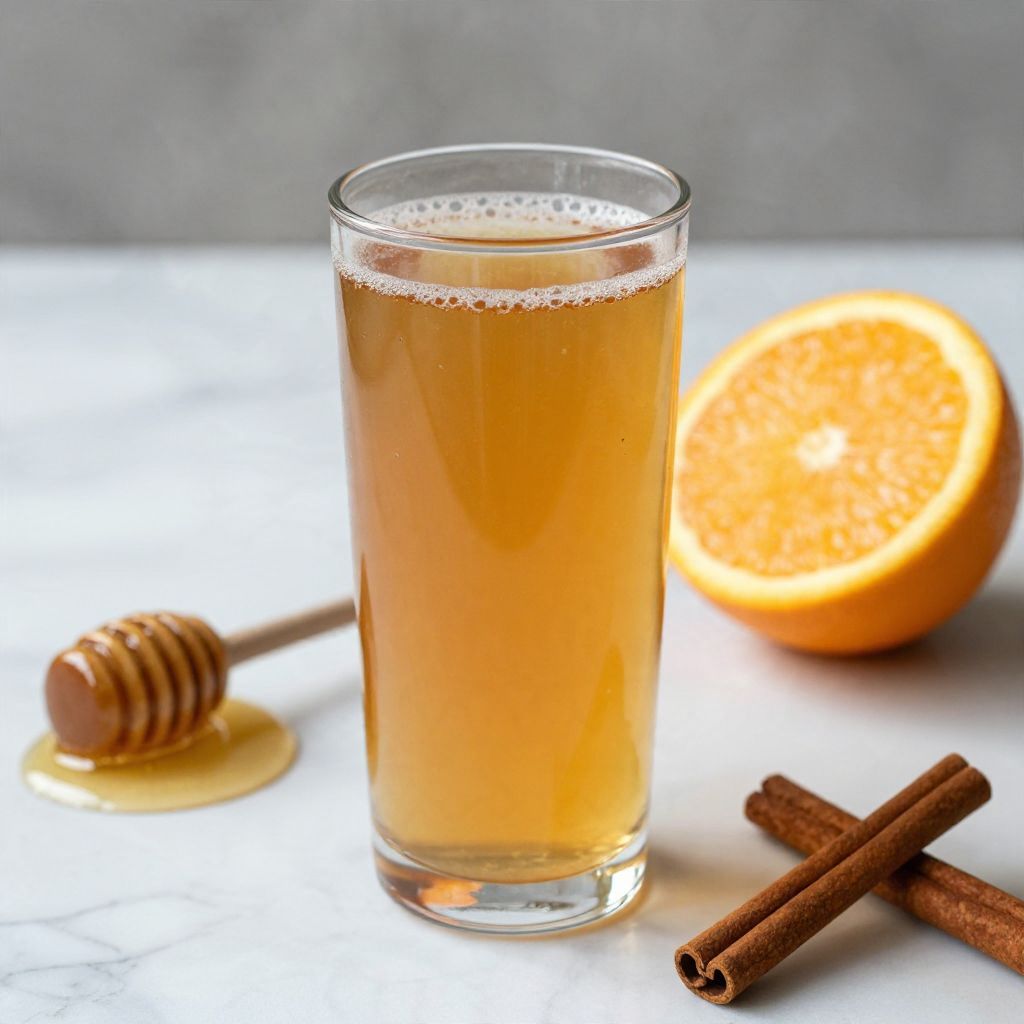
Orange Mead
Ingredients
Equipment
Method
- In a large pot, combine 4 cups of water and 2 cups of honey over medium heat.
- Once the mixture is warm, add the zest and juice of 2 oranges.
- Remove the pot from heat and let it cool to room temperature.
- Once cooled, sprinkle 1 teaspoon of yeast over the mixture and let sit for 15 minutes.
- Pour the mixture into a fermentation vessel and seal it with an airlock.
- Place your vessel in a dark, cool area and check it daily.
- After fermentation, strain the mead through a cheesecloth or fine strainer.
- Transfer the mead into bottles, sealing them tightly.
- Age for at least another month for the best flavor development.