
Picture yourself opening a bottle of homemade mead and catching that first whiff of wild blackberry and honey mingling together. Blackberry mead is one of those magical drinks that bridges the gap between ancient tradition and modern craft, combining just a handful of ingredients into something genuinely special.
This recipe is worth making if you’ve ever been curious about fermentation but felt intimidated by the process. Blackberry mead tastes complex and sophisticated, yet the actual hands-on work is surprisingly straightforward.
What makes this mead stand out is the balance of tart berry flavor against the natural sweetness of honey, all smoothed out by time and patience. You’ll end up with a drink that’s beautiful to look at, impressive to serve, and deeply satisfying to have created yourself.
Why You’ll Love This Recipe
This recipe delivers a genuinely delicious result without requiring fancy equipment or a chemistry degree. You get to make something that tastes like you spent weeks perfecting it, when really the hardest part is just waiting.
- Simple ingredient list with just honey, blackberries, water, and yeast
- Hands-off fermentation means minimal daily effort after setup
- Beautiful deep purple color that impresses guests
- Naturally sweetened and balanced flavor that develops over time
- Perfect gateway into homemaking and fermentation crafts
My Experience Making This Recipe
I made my first batch of blackberry mead on a whim after a farmers market haul left me with too many blackberries. I honestly expected it to taste like fruity sugar water, but I was completely wrong.
The first few weeks were thrilling. Watching the airlock bubble away felt like I had a tiny living thing working in my kitchen, and checking on the carboy became part of my daily routine. My partner kept asking when it would be ready, and I kept saying “not yet” while secretly tasting tiny samples to see how it was developing.
When I finally bottled it after three months, the flavor had transformed into something smooth and complex that absolutely shocked me. The tart blackberry notes played beautifully against the honey’s natural warmth, and I ended up making three more batches that year.
Recipe Overview
- Recipe Name: Blackberry Mead
- Servings: Approximately 5 gallons (19 liters), or about 25 servings of 8 oz each
- Prep Time: 30 minutes
- Fermentation Time: 8 to 12 weeks
- Total Time: 8 to 12 weeks plus bottling
- Course: Beverage
- Cuisine: Medieval-inspired, homebrewing
- Alcohol Content: Approximately 11 to 14 percent ABV
Equipment You Will Need
- Large glass carboy or fermentation vessel (5 to 6 gallon capacity)
- Airlock and bung to fit your carboy
- Large stainless steel pot for heating water
- Sanitizer (like Star San or bleach solution)
- Hydrometer to measure specific gravity and fermentation progress
- Funnel for transferring liquid
- Strainer or cheesecloth for filtering fruit solids
- Siphon or bottling wand for transferring to bottles
- Clean glass bottles for storage
- Bottle caps or corks depending on bottle style
- Large spoon for stirring
- Thermometer for monitoring temperature
Ingredients for Blackberry Mead
- Honey: 3 pounds (approximately 1.4 kg), preferably raw and unpasteurized
- Fresh or frozen blackberries: 5 pounds (approximately 2.3 kg)
- Water: 1 gallon (3.8 liters), filtered or dechlorinated
- Champagne yeast: 1 packet (5 grams), such as Lalvin EC-1118
- Yeast nutrient: 1 teaspoon (5 grams)
- Acid blend: 1 teaspoon (5 grams), optional but recommended for balancing flavor
- Pectic enzyme: 1 teaspoon (5 grams), helps clarify the mead and break down fruit solids
Ingredient Notes and Substitutions
- Honey: Raw honey adds complexity and preserves beneficial enzymes that contribute to flavor development. If unavailable, use any quality honey, though pasteurized varieties may ferment slightly less dynamically.
- Blackberries: Fresh berries offer the brightest flavor, but frozen work just as well and are often easier to source year-round. Frozen blackberries actually break down faster during fermentation.
- Champagne yeast: This strain is crisp and clean, leaving the blackberry flavor to shine. You can substitute other wine yeasts like Lalvin D47, though fermentation times and flavor profiles will shift slightly.
- Yeast nutrient: This provides nitrogen and minerals that yeast needs to ferment cleanly. If you skip it, fermentation may stall or produce off-flavors, so it’s worth including.
- Acid blend: This balances the natural sweetness of mead and prevents a cloying finish. You can substitute with 1 teaspoon of tartaric acid or lemon juice concentrate if acid blend is unavailable.
- Pectic enzyme: This breaks down fruit cell walls and helps the liquid clear. Skipping it means your mead will take longer to clarify, though it will eventually clear on its own.
How to Make Blackberry Mead
Step 1: Sanitize All Equipment
Before you begin, sanitize your carboy, airlock, bung, funnel, strainer, and any other equipment that will touch your mead. Use a food-grade sanitizer like Star San mixed with water according to package directions, or a bleach solution of one tablespoon per gallon of water.
This step matters more than it seems because any wild bacteria or mold can outcompete your yeast and ruin the entire batch. Rinse thoroughly with filtered water after sanitizing to remove any residue.
Step 2: Prepare the Blackberries
If using fresh blackberries, rinse them gently and inspect for mold or debris. If using frozen blackberries, thaw them completely and drain off any excess liquid, which you can save and add back later.
Rough handling or mashing the berries at this stage releases their juices prematurely, which can lead to oxidation. Treat them gently and place them in your sanitized carboy.
Step 3: Heat the Water and Dissolve Honey
Pour one gallon of filtered or dechlorinated water into a large pot and heat it to approximately 160 to 170 degrees Fahrenheit. You want it warm but not boiling, as excessive heat damages honey’s delicate flavor compounds.
Slowly add the honey while stirring gently to dissolve it evenly. This takes a few minutes, but rushing this step or using boiling water will damage the honey’s character.
Step 4: Cool the Honey Water
Pour the honey and water mixture over the blackberries in your carboy, then let the entire vessel cool to room temperature, around 65 to 75 degrees Fahrenheit. This cooling period prevents killing your yeast when you pitch it later.
Use a thermometer to monitor the temperature, and be patient. Cooling takes a few hours, but you can speed it up by placing the carboy in a cool room or an ice bath if necessary.
Step 5: Add Pectic Enzyme and Acid Blend
Once the mixture has cooled to room temperature, sprinkle the pectic enzyme and acid blend over the surface and stir gently but thoroughly. Let this mixture sit undisturbed for 12 to 24 hours at room temperature.
The pectic enzyme begins breaking down the fruit cell walls during this resting period, which helps extract color and flavor from the blackberries. This delay also allows the temperature to stabilize completely before fermentation begins.
Step 6: Rehydrate and Pitch the Yeast
In a small cup, mix the champagne yeast with about one quarter cup of filtered water at room temperature and let it sit for 15 minutes to rehydrate. This gives the yeast cells a chance to wake up and become active before entering the mead.
Gently pour the rehydrated yeast mixture into your carboy, stirring slowly and carefully. Avoid vigorous stirring, which introduces oxygen that can cause unwanted flavors later.
Step 7: Add Yeast Nutrient and Begin Fermentation
Sprinkle the yeast nutrient over the surface of the mead and stir gently once more. Insert your sanitized airlock and bung into the carboy opening, making sure the airlock is filled halfway with sanitizer or sterile water.
Place the carboy in a cool, dark location where it won’t be disturbed, ideally maintaining a temperature between 65 and 75 degrees Fahrenheit. A basement, closet, or cool corner of a pantry works perfectly.
Step 8: Monitor Fermentation
Over the next few days, you’ll notice the airlock beginning to bubble as the yeast multiplies and ferments the sugars. Check daily during the first week to make sure the airlock is functioning and the carboy shows no signs of leaks.
Fermentation typically progresses actively for the first three to four weeks, then gradually slows over the following weeks. This is normal and expected behavior, not a sign something is wrong.
Step 9: Allow Secondary Fermentation to Complete
After about six to eight weeks, the bubbling through the airlock will slow significantly or stop entirely. Use your hydrometer to check that the specific gravity has stabilized and reached approximately 0.990 to 1.010, indicating fermentation is complete.
At this point, siphon the clear mead off the fruit solids and sediment into a clean, sanitized secondary carboy or bottles, leaving behind the berry sludge and yeast sediment. This process is called racking and prevents the mead from developing off-flavors from sitting too long on the fruit and dead yeast.
Step 10: Bottle Your Mead
After racking, let the mead settle for another two to four weeks in its secondary vessel to clarify further. Once it reaches your desired level of clarity, siphon into clean bottles and cap or cork them securely.
If you used regular caps, store bottles upright. If using corks, store them on their side to keep the cork moist and prevent it from drying and shrinking.
Pro Tip: The longer you age blackberry mead, the smoother and more complex it becomes. While it’s drinkable at three months, waiting six to twelve months allows the flavors to mellow and integrate into something truly special.
Tips for the Best Blackberry Mead
- Use quality honey from a local beekeeper if possible, as it adds unique flavor notes and ensures better fermentation than grocery store varieties. The honey makes up the largest portion of your final product, so it deserves attention.
- Keep your fermentation temperature stable between 65 and 75 degrees Fahrenheit, as temperature swings can stress the yeast and produce unwanted flavors. A dedicated fermentation closet or basement works better than a kitchen counter with fluctuating temperatures.
- Resist the urge to open the carboy or taste the mead during fermentation, as each opening introduces oxygen and risks contamination. Patience is genuinely the hardest ingredient in this recipe.
- Take hydrometer readings consistently from the same spot in the batch, as settling causes gravity readings to vary by location. Record your readings to track fermentation progress accurately.
- Ensure all equipment is truly sanitized, not just clean, by using a dedicated sanitizer rather than regular dish soap. A single colony of wild yeast or bacteria can outcompete your champagne yeast and spoil the batch.
- Consider tasting small samples at different stages to learn how flavor develops over time. This teaches you what you like and helps you decide when your mead reaches peak drinkability.
Common Mistakes to Avoid
- Using boiling water to dissolve honey damages its delicate flavor compounds and can volatilize volatile aromatic compounds that give mead its character. Stick to 160 to 170 degrees Fahrenheit for best results.
- Pitching yeast into hot or warm mead kills the yeast cells before fermentation begins, resulting in no fermentation at all or a very slow start. Always cool the mead to room temperature first.
- Skipping the pectic enzyme and acid blend makes your mead cloudy and unbalanced, resulting in a less pleasant drinking experience. These ingredients cost pennies and make a huge difference in the final product.
- Fermenting at temperatures above 75 degrees Fahrenheit or below 65 degrees produces off-flavors and may cause the yeast to stress or go dormant. A consistent temperature is worth investing in if you plan to make mead regularly.
- Bottling too early before fermentation fully completes leads to carbonation buildup and potential bottle explosions as residual yeast continues fermenting in the sealed bottle. Always verify fermentation is truly complete with a stable hydrometer reading.
Serving Suggestions
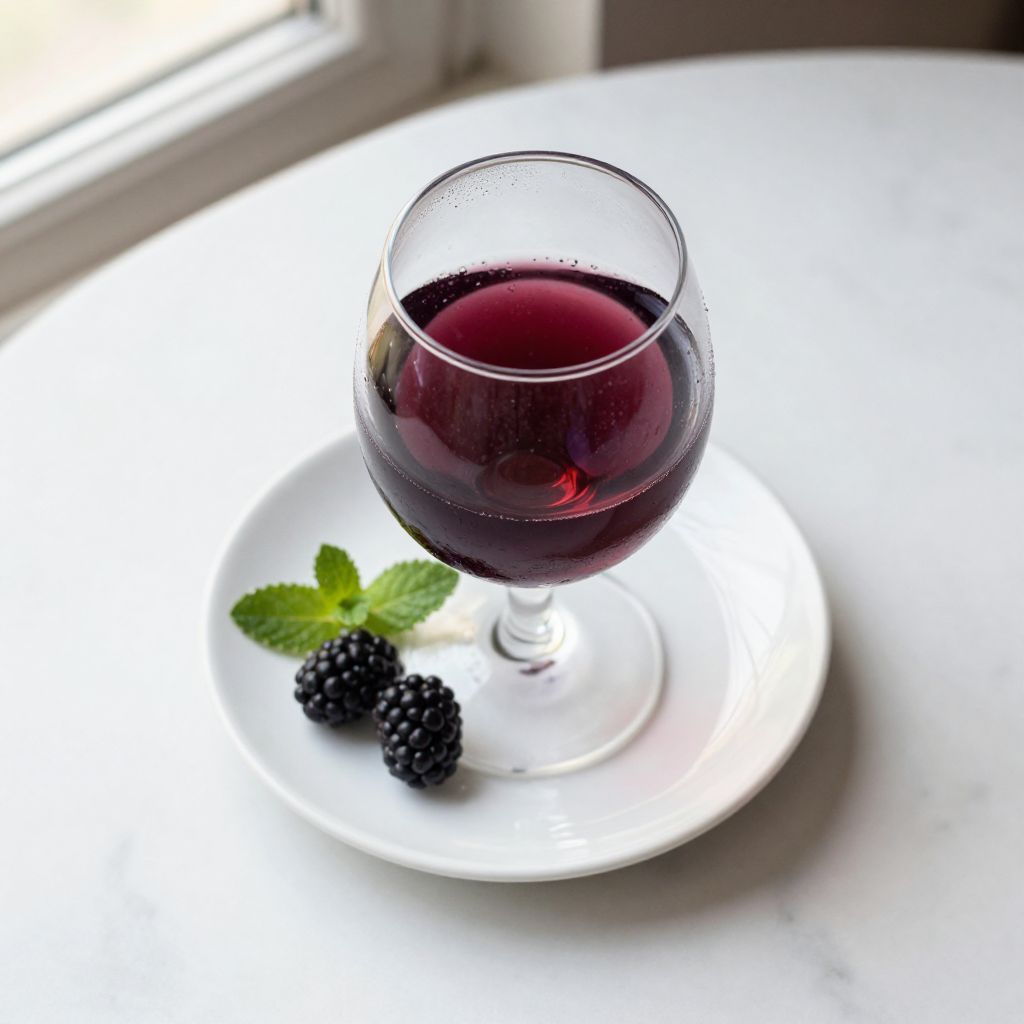
Blackberry mead shines served chilled in a wine glass, allowing you to appreciate its beautiful purple color and complex aroma. It pairs wonderfully with desserts, cheese, or simply sipped on its own as an after-dinner drink.
- Serve with aged cheddar or gouda cheese and crackers for an elegant cheese board
- Pair with dark chocolate desserts or brownies to enhance both the mead and the chocolate
- Enjoy over ice on a warm summer day as a sophisticated alternative to wine
- Serve with light pastries or shortbread cookies alongside afternoon tea
- Mix into a cocktail with vodka and fresh mint for a creative twist on traditional wine drinks
Variations to Try
- Spiced blackberry mead: Add one cinnamon stick, four whole cloves, and two star anise pods during fermentation for warm spice notes that complement the berry flavor beautifully. Remove these spices during racking to prevent over-infusion.
- Blackberry and honey blend: Experiment with different honey varieties like orange blossom or wildflower honey instead of standard honey. Each honey variety brings its own subtle flavor layer that interacts differently with the blackberries.
- Dry blackberry mead: Reduce the honey amount to 2.5 pounds for a drier, less sweet final product that feels more wine-like on the palate. This version pairs better with savory foods and appeals to those who prefer dry wines.
- Blackberry and ginger mead: Add fresh ginger slices during the primary fermentation for a spicy, warming element that plays off the tartness of the berries. Use about one ounce of fresh ginger to avoid overpowering the delicate blackberry notes.
- Oak-aged blackberry mead: Add oak chips or a small oak spiral during secondary fermentation for a woody, complex character reminiscent of oak-aged wine. Start with a few weeks of oak contact and taste frequently to find your preference.
Dietary Adaptations
- Gluten-free: This recipe is naturally gluten-free as written, since honey, blackberries, water, and yeast contain no gluten. Simply verify your yeast nutrient and pectic enzyme are sourced from gluten-free suppliers if you have severe sensitivities.
- Vegan: Some honey is not considered vegan by strict standards, so substitute with agave nectar or brown rice syrup in equal amounts, though the flavor profile will shift noticeably and fermentation may behave differently.
- Low sugar: This recipe cannot be made low-sugar since fermentation requires sugar to produce alcohol. You could reduce the honey amount, but this results in lower alcohol content and a drier final product.
- Keto-friendly: While mead is naturally low in carbohydrates after fermentation completes, the residual sugar content makes it moderate rather than strictly keto-friendly. A dry version with reduced honey content comes closer to keto requirements.
Storage and Reheating
Refrigerator
Store sealed bottles in a cool, dark area of your refrigerator where they won’t be disturbed. Properly sealed mead keeps for several years in the refrigerator, actually improving in flavor as it ages.
- Keep bottles standing upright if using caps, or on their side if using corks
- Maintain a consistent cool temperature between 40 and 55 degrees Fahrenheit
- Protect from light exposure, which can fade color and damage flavor compounds
- Check periodically for signs of leakage or mold around the seal
Freezer
Freezing mead is not recommended, as the alcohol and sugar content make it extremely slow to freeze, and the expansion can crack glass bottles. Additionally, freezing alters the flavor and mouthfeel unpleasantly.
- Avoid freezing bottles to preserve taste and texture
- If you must freeze, use plastic bottles rated for freezing liquids
- Leave significant headspace to allow for expansion
Reheating
Blackberry mead should not be heated, as heat damages the delicate flavors and aromatic compounds you worked months to develop. Serve chilled or at room temperature instead.
- Keep bottles cool and protected from light for optimal preservation
- Serve chilled directly from storage without heating
- Pour gently into glasses to avoid disturbing sediment
Nutrition Information
| Nutrient | Amount |
|---|---|
| Calories | 120 |
| Total Fat | 0 g |
| Saturated Fat | 0 g |
| Carbohydrates | 6 g |
| Fiber | 0 g |
| Sugar | 4 g |
| Protein | 0 g |
| Sodium | 10 mg |
| Cholesterol | 0 mg |
Nutrition values are approximate and based on standard fermentation parameters with champagne yeast consuming most fermentable sugars. Actual values vary depending on your specific honey variety, fermentation temperature, and final gravity reading.
Frequently Asked Questions
Can I use a different type of berry instead of blackberries?
Absolutely, though you’ll want to adjust quantities based on berry pectin content and tartness. Raspberries, marionberries, and boysenberries work beautifully with the same base recipe, though blueberries require slightly less pectic enzyme since they have less natural pectin.
How do I know if my mead is spoiled?
Spoiled mead develops a vinegary smell, visible mold on the surface, or a cloudy haze that won’t clear with time. If you observe any of these signs, discard the batch rather than risk drinking contaminated mead.
Can I make a smaller batch in a one-gallon carboy?
Yes, simply divide all ingredient quantities by five to create a one-gallon version. The fermentation timeline remains the same, though one-gallon batches are more prone to temperature fluctuations so monitor carefully.
What if fermentation seems stuck or stops before completion?
Temperature swings, poor yeast nutrition, or overly high alcohol content can stall fermentation. Verify the temperature is between 65 and 75 degrees Fahrenheit, gently stir the mead to rouse the yeast, and consider adding more yeast nutrient to jumpstart activity.
Can I age blackberry mead longer than a year?
Properly stored mead can age for many years, developing even more complexity and smoothness over time. Some meads improve for five to ten years, so experiment with opening bottles at different ages to discover your preference.
What is the difference between mead and wine?
Mead is fermented honey, while wine is fermented grape juice, making them distinct beverages with different flavor profiles and aging characteristics. Mead tends to be smoother and more delicate than wine, while wine has more natural acidity and tannins.
Do I need special bottles for mead storage?
Standard wine bottles work perfectly for mead storage, and you can reuse bottles from commercial wine or mead if you sanitize them thoroughly. Dark glass bottles protect better from light damage than clear bottles, so prioritize those when possible.
Final Thoughts
Making blackberry mead is one of those projects that seems intimidating until you actually start, then becomes surprisingly rewarding. You’re not just following a recipe; you’re participating in a craft that humans have practiced for thousands of years.
Give this recipe a try, and I promise you’ll find yourself planning your next batch before the first one is even finished. The sense of accomplishment when you open a bottle you made yourself, months earlier, is genuinely unbeatable.
If you’re curious about exploring more fermented beverages, check out our traditional mead recipe for one gallon batches or discover our blackberry bourbon smash recipe for a fresh cocktail take on this wonderful berry.
Blackberry Mead
Ingredients
Equipment
Method
- Sanitize all equipment including the carboy, airlock, bung, funnel, strainer, and bottles using a food-grade sanitizer, then rinse thoroughly.
- Rinse fresh blackberries or thaw frozen berries, inspect for debris, and gently place them into the sanitized carboy.
- In a large pot, heat 1 gallon of water to 160°F to 170°F (71°C to 77°C), remove from heat, then slowly stir in 3 pounds of honey until fully dissolved (about 10 minutes).
- Pour the warm honey water over the berries in the carboy and allow the mixture to cool to room temperature (65°F to 75°F / 18°C to 24°C), about 2 to 3 hours.
- Once cooled, add 5 grams pectic enzyme and 5 grams acid blend, stir gently, and let rest undisturbed for 12 to 24 hours.
- Rehydrate 5 grams of champagne yeast in 1/4 cup of room-temperature water for 15 minutes, then gently stir into the carboy.
- Sprinkle 5 grams yeast nutrient on top, attach the airlock filled halfway with sanitizer solution or sterile water, and seal the carboy.
- Store the carboy in a dark place at 65°F to 75°F (18°C to 24°C) and ferment for 4 weeks, checking daily that the airlock is bubbling.
- After 6 to 8 weeks or when specific gravity is 0.990 to 1.010, siphon the mead off the sediment into a clean, sanitized secondary vessel, leaving solids behind.
- Let the mead age in the secondary vessel for 2 to 4 weeks to clarify, then siphon into sanitized bottles, cap or cork them, and store upright or on their side.