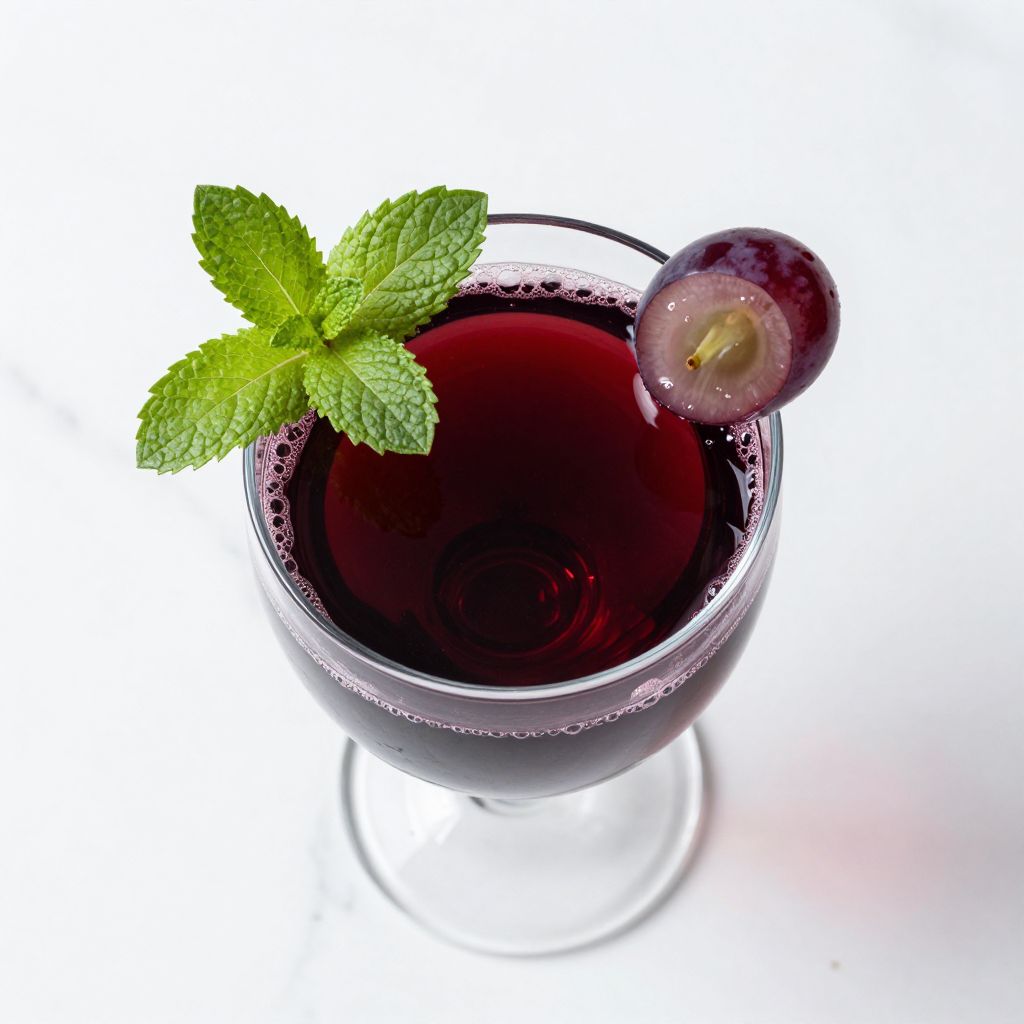
Ingredients
Equipment
Method
- Spray or soak all equipment with food-grade sanitizer and rinse well with filtered water to prevent unwanted bacteria or mold from competing with your yeast.
- Rinse the muscadines gently under cool water and remove any stems or leaves. Place grapes in your primary fermentation bucket and crush them by hand or with a wooden spoon until all skins are broken and juice flows freely.
- Pour the 2 gallons of water into the bucket with crushed grapes, then stir in the 3 to 4 pounds of sugar completely until it dissolves.
- Let the mixture cool to between 65 and 75 degrees Fahrenheit. Sprinkle the wine yeast packet over the surface, wait 5 minutes, then stir gently to distribute it throughout.
- Cover the bucket loosely with a cloth or paper towel for the first 24 hours to allow air exchange while preventing contamination. After 24 hours, fit the airlock and rubber bung securely into place.
- Each day during the first week, remove the airlock and stir the mixture thoroughly with a clean wooden spoon to push the grape solids down and add oxygen that the yeast needs.
- After about one week, strain out the solid grape matter through cheesecloth into a clean carboy or bottle, leaving sediment behind. Use a siphon to transfer the clear liquid gently to avoid stirring up sediment.
- Fit the airlock back on and let fermentation continue for 3 to 7 more weeks until bubbling slows dramatically or stops entirely. The wine should look progressively clearer as yeast settles to the bottom.
- Once fermentation stops and the wine looks clear, use a sanitized siphon to rack the wine one final time into sterilized bottles, leaving the sediment behind. Cork or cap each bottle immediately to prevent oxidation.
- Allow the wine to age at least one to two months in the bottle before opening. Store bottles on their side in a cool, dark place.
Notes
Choose muscadines that are fully ripe but not shriveled. Keep fermentation temperature steady between 65 and 72 degrees Fahrenheit. Use dark glass bottles to protect wine from light damage. Label each bottle with the date and batch number. Store bottles on their side in a cool, dark place so corks stay moist and sealed.