
Picture yourself on a lazy Southern afternoon, watching the deep purple muscadines hang heavy on the vine, their sweet musky aroma filling the air as you pluck them from the branches. Making muscadine wine at home connects you to generations of home winemakers who transformed these native American grapes into something truly special.
This recipe delivers a naturally sweet, fruity wine with character that no store-bought bottle can replicate. You’ll love the simplicity of the process, the rich grape flavor, and the satisfaction of sharing something you made yourself.
Why You’ll Love This Recipe
Muscadine wine captures the essence of Southern tradition in a glass, and the entire process feels surprisingly manageable for a first-time winemaker.
- Uses fresh, flavorful muscadines that ferment beautifully without added flavor chemicals
- Requires only basic equipment you likely already have at home
- Naturally sweet finish appeals to those who prefer fruit-forward wines
- Makes a thoughtful homemade gift that impresses friends and family
- The fermentation timeline is forgiving, typically ready to enjoy within two to three months
My Experience Making This Recipe
The first time I made muscadine wine, I was nervous about the fermentation process and whether I’d mess it up somehow. Within a week, though, the yeast was bubbling away happily, and I realized how forgiving home winemaking truly is.
My kitchen smelled incredible during fermentation, like a fruit punch mixed with fresh bread. When I finally bottled it and opened the first glass weeks later, I tasted why my grandmother used to make this every fall.
The wine turned out beautifully balanced, neither too sweet nor too dry, with a lovely deep ruby color. Friends who tried it couldn’t believe I’d made it myself, and honestly, neither could I.
Recipe Overview
- Recipe Name: Muscadine Wine
- Servings: Makes approximately 5 bottles (750 ml each)
- Prep Time: 30 minutes
- Fermentation Time: 4 to 8 weeks
- Total Time: 5 to 8 weeks
- Course: Beverage
- Cuisine: Southern American
- Calories per Serving: 120 calories per 5 oz glass
Equipment You Will Need
- Large food-grade plastic bucket or carboy (at least 1-gallon capacity)
- Airlock and rubber bung (size 6.5 or 7)
- Long wooden spoon for stirring
- Fine mesh strainer
- Cheesecloth
- Siphon tubing with racking cane
- Wine bottles (750 ml, dark glass preferred)
- Corks and corking tool (or screw caps)
- Hydrometer (optional but helpful for tracking fermentation)
- Food-grade sanitizer and spray bottle
Ingredients for Muscadine Wine
- Fresh muscadine grapes: 10 to 12 pounds, ripe and slightly past peak ripeness
- Sugar: 3 to 4 pounds (white granulated sugar)
- Water: 2 gallons (filtered or distilled water, not chlorinated)
- Yeast: 1 packet (wine yeast such as Lalvin D47 or Montrachet)
- Yeast nutrient: 1 teaspoon
- Potassium metabisulfite: 1/4 teaspoon (optional, for stabilizing)
Ingredient Notes and Substitutions
- Fresh muscadine grapes: Muscadines contain natural sugars and wild yeasts that ferment beautifully; you can substitute with concord grapes if muscadines aren’t available, though the flavor will be slightly different and less authentic.
- Wine yeast: Wine yeast ferments cleanly at cool temperatures; bread yeast or baker’s yeast produces off-flavors and doesn’t settle well, so avoid it entirely.
- Yeast nutrient: This provides nitrogen that helps yeast colonies thrive and ferment completely; if unavailable, add a tiny pinch of thiamine powder, though the result may ferment more slowly.
- Water: Chlorinated tap water can interfere with yeast; filtered, distilled, or boiled and cooled water works well as a substitute.
- Potassium metabisulfite: This acts as a preservative and prevents oxidation; you can skip it if you plan to drink the wine within six months, though the wine may brown slightly over time.
How to Make Muscadine Wine
Step 1: Sanitize Your Equipment
Before you start, spray or soak all equipment with food-grade sanitizer and rinse well with filtered water. Clean equipment prevents unwanted bacteria or mold from competing with your yeast and spoiling the batch.
Step 2: Prepare the Muscadines
Rinse the muscadines gently under cool water and remove any stems or leaves. Place grapes in your primary fermentation bucket and crush them by hand or with a wooden spoon until all skins are broken and juice flows freely.
Step 3: Add Sugar and Water
Pour the water into the bucket with crushed grapes, then stir in the sugar completely until it dissolves. This sugar-water mixture creates the base for fermentation, and dissolving it thoroughly ensures even fermentation throughout the batch.
Step 4: Check Temperature and Add Yeast
Let the mixture cool to between 65 and 75 degrees Fahrenheit before adding yeast; warm liquid kills yeast and ruins fermentation. Sprinkle the wine yeast packet over the surface, wait 5 minutes, then stir gently to distribute it throughout.
Step 5: Cover and Begin Primary Fermentation
Cover the bucket loosely with a cloth or paper towel for the first 24 hours to allow air exchange while preventing contamination. After 24 hours, fit the airlock and rubber bung securely into place so you can monitor bubbling without allowing air in.
Step 6: Stir Daily for One Week
Each day during the first week, remove the airlock and stir the mixture thoroughly with a clean wooden spoon. This stirring pushes the grape solids down and adds oxygen that the young yeast needs to stay active and healthy.
Step 7: Rack Into Secondary Fermentation
After about one week, strain out the solid grape matter through cheesecloth into a clean carboy or bottle, leaving sediment behind. Use a siphon to transfer the clear liquid gently to avoid stirring up sediment, which would cloud your final wine.
Step 8: Continue Fermentation Until Clear
Fit the airlock back on and let fermentation continue for 3 to 7 more weeks until bubbling slows dramatically or stops entirely. The wine should look progressively clearer as yeast settles to the bottom and leaves behind a layer of sediment.
Step 9: Bottle Your Wine
Once fermentation stops and the wine looks clear, use a sanitized siphon to rack the wine one final time into sterilized bottles, leaving the sediment behind. Cork or cap each bottle immediately to prevent oxidation and contamination.
Pro Tip: Use dark glass bottles if possible, as they protect the wine from light damage that can fade color and create off-flavors over time.
Tips for the Best Muscadine Wine
- Choose muscadines that are fully ripe but not shriveled, as overripe grapes ferment too quickly and can overshoot your target alcohol level.
- Keep fermentation temperature steady between 65 and 72 degrees Fahrenheit; too warm speeds fermentation and produces harsh flavors, while too cool slows it down considerably.
- Taste the wine at bottling time to decide if you prefer it sweeter or drier, then add a tiny pinch of potassium sorbate if you want to stop fermentation early before all sugar converts to alcohol.
- Allow the wine to age at least one to two months in the bottle before opening, as this mellows flavors and helps sediments settle completely.
- Store bottles on their side in a cool, dark place so corks stay moist and sealed; standing upright causes corks to dry out and allow air seepage.
- Label each bottle with the date and batch number so you can track aging and remember which batch tasted best.
Common Mistakes to Avoid
- Using unripe muscadines results in thin, sour wine with little character; wait until grapes are deeply colored and sweet to the taste before harvesting.
- Skipping sanitization invites bacteria that create vinegary or moldy flavors that ruin the entire batch and are impossible to fix.
- Adding yeast before the juice cools kills the yeast cells before they can start fermentation, leaving you with grape juice that never becomes wine.
- Fermenting in direct sunlight causes light-struck flavors and fades the beautiful purple color that makes muscadine wine so appealing.
- Opening the airlock frequently to check on fermentation introduces air and bacteria that can spoil the wine or create off-flavors.
Serving Suggestions
Serve muscadine wine chilled or at room temperature, depending on your preference, in a standard wine glass or even a nice juice glass. The fruity sweetness pairs beautifully with both sweet and savory occasions.
- Serve as an aperitif before dinner to wake up the palate with its fruity, slightly floral notes
- Pair with Southern comfort food like fried chicken, biscuits, and collard greens
- Enjoy alongside cheese and charcuterie boards, especially with sharp cheddar or aged gouda
- Serve at dessert time with pecan pie, pound cake, or fresh berries
- Gift bottles as hostess presents or holiday gifts for friends who enjoy homemade spirits
Variations to Try
- Dry Muscadine Wine: Use less sugar (2 to 3 pounds instead of 3 to 4) and let fermentation complete fully so all sugar converts to alcohol, producing a wine closer to traditional dry wines.
- Sparkling Muscadine: Bottle the wine slightly early when a tiny bit of sugar remains, adding a small amount of fresh yeast to create light carbonation in the bottle over time.
- Herb-Infused Muscadine: Add a small handful of fresh herbs like basil or mint during the first week of fermentation for subtle aromatic complexity.
- Fortified Muscadine: After bottling, add a small amount of brandy or high-proof spirit to increase alcohol content and create a richer, more complex profile.
- Blended Muscadine: Mix muscadine juice with concord grapes, blackberries, or elderberries before fermentation to create unique flavor combinations.
Dietary Adaptations
- Gluten-free: Muscadine wine is naturally gluten-free; simply ensure all equipment is sanitized properly and no gluten-containing additives are used.
- Sugar-conscious: Ferment for the full duration until the wine turns completely dry with minimal residual sugar, though this requires patience and produces a lighter, less fruity wine.
- Lower alcohol: Stop fermentation early by chilling the wine or adding potassium sorbate when you reach your desired alcohol level, though this leaves some residual sugar.
- Vegan: Use only plant-based yeast nutrients and skip any animal-derived clarifiers; standard wine yeast and muscadines are already vegan-friendly.
Storage and Reheating
Refrigerator
Store opened bottles upright in the refrigerator for up to two weeks, as the cool temperature slows oxidation that causes browning and flavor loss. Once opened, muscadine wine degrades more quickly than white wines, so drink it sooner rather than later.
- Keep bottles away from the back wall where temperature fluctuates
- Cover the open bottle with a wine stopper or cork to minimize air contact
Freezer
You can freeze muscadine wine in ice cube trays to use later in cooking, sauces, or even blended drinks. Frozen wine cubes keep for several months and thaw quickly when needed.
- Pour wine into ice cube trays and freeze solid before transferring to freezer bags
- Label bags with the date and type of wine for easy identification
Reheating
Muscadine wine is served cold or at room temperature, never heated, so there is no reheating method. If you want to use it in hot dishes, add it near the end of cooking so the flavor doesn’t cook off.
- Add wine to sauces in the last 5 minutes of cooking
- Use it in marinades for meat without heating first
Nutrition Information
| Nutrient | Amount |
|---|---|
| Calories | 120 |
| Total Fat | 0g |
| Saturated Fat | 0g |
| Carbohydrates | 8g |
| Fiber | 0g |
| Sugar | 5g |
| Protein | 0g |
| Sodium | 5mg |
| Cholesterol | 0mg |
Nutritional values are approximate and based on a standard 5-ounce serving of muscadine wine with residual sugar typical of homemade batches. Values vary slightly depending on how long you allow fermentation to proceed.
Frequently Asked Questions
Can I use store-bought muscadine juice instead of fresh grapes?
Store-bought juice often contains preservatives that inhibit yeast fermentation, so fresh grapes work far better for reliable results. If you must use juice, look for bottles labeled “no preservatives” and expect slower or incomplete fermentation.
What if fermentation stops before all the sugar converts?
This happens when yeast runs out of nutrients or the temperature drops too low; warm the carboy to 70 degrees and add another pinch of yeast nutrient. If nothing happens within a few days, the batch may be stuck, and you can drink it as is since some residual sugar just makes it sweeter.
How do I know when fermentation is truly finished?
When the airlock stops bubbling for several days and the wine looks clear with sediment on the bottom, fermentation has likely completed. A hydrometer shows the gravity has stabilized if you want confirmation, though the bubble test works fine for most home winemakers.
Can I reuse the sediment at the bottom for another batch?
The sediment contains dead yeast cells and grape particles that can introduce off-flavors, so discard it rather than reusing it. Starting fresh with new yeast produces cleaner, better-tasting wine.
Why does my wine smell like vinegar or nail polish remover?
Vinegar smell means bacteria have contaminated the batch and spoiled it beyond recovery, so discard it safely. Nail polish remover smell is acetone, which appears from too-warm fermentation or old yeast, and the wine may improve with time, though it’s often best to start over.
Is it safe to drink homemade wine?
Yes, proper sanitization and yeast fermentation make homemade wine just as safe as commercial wine. The fermentation process kills harmful bacteria, and the alcohol content preserves the wine if stored correctly.
Final Thoughts
Making muscadine wine transforms a simple bunch of grapes into something deeply rewarding that connects you to tradition and community. The entire process teaches patience, respect for natural fermentation, and the magic that happens when you let yeast do its work.
Pull out those grapes this fall and give this recipe a try, trusting that thousands of home winemakers before you have succeeded with the same basic steps. There’s real joy in raising a glass of wine you made with your own hands and sharing it with people you love.
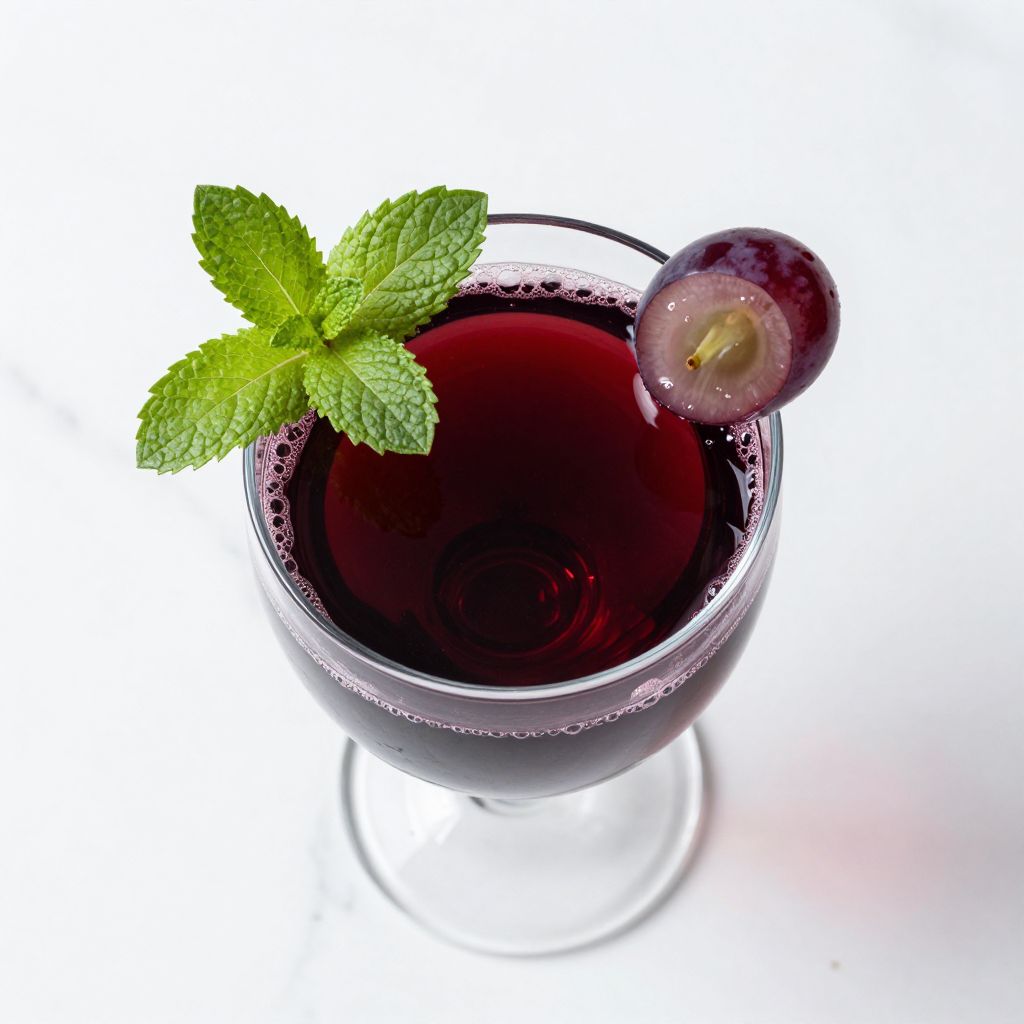
Muscadine Wine
Ingredients
Equipment
Method
- Spray or soak all equipment with food-grade sanitizer and rinse well with filtered water to prevent unwanted bacteria or mold from competing with your yeast.
- Rinse the muscadines gently under cool water and remove any stems or leaves. Place grapes in your primary fermentation bucket and crush them by hand or with a wooden spoon until all skins are broken and juice flows freely.
- Pour the 2 gallons of water into the bucket with crushed grapes, then stir in the 3 to 4 pounds of sugar completely until it dissolves.
- Let the mixture cool to between 65 and 75 degrees Fahrenheit. Sprinkle the wine yeast packet over the surface, wait 5 minutes, then stir gently to distribute it throughout.
- Cover the bucket loosely with a cloth or paper towel for the first 24 hours to allow air exchange while preventing contamination. After 24 hours, fit the airlock and rubber bung securely into place.
- Each day during the first week, remove the airlock and stir the mixture thoroughly with a clean wooden spoon to push the grape solids down and add oxygen that the yeast needs.
- After about one week, strain out the solid grape matter through cheesecloth into a clean carboy or bottle, leaving sediment behind. Use a siphon to transfer the clear liquid gently to avoid stirring up sediment.
- Fit the airlock back on and let fermentation continue for 3 to 7 more weeks until bubbling slows dramatically or stops entirely. The wine should look progressively clearer as yeast settles to the bottom.
- Once fermentation stops and the wine looks clear, use a sanitized siphon to rack the wine one final time into sterilized bottles, leaving the sediment behind. Cork or cap each bottle immediately to prevent oxidation.
- Allow the wine to age at least one to two months in the bottle before opening. Store bottles on their side in a cool, dark place.