
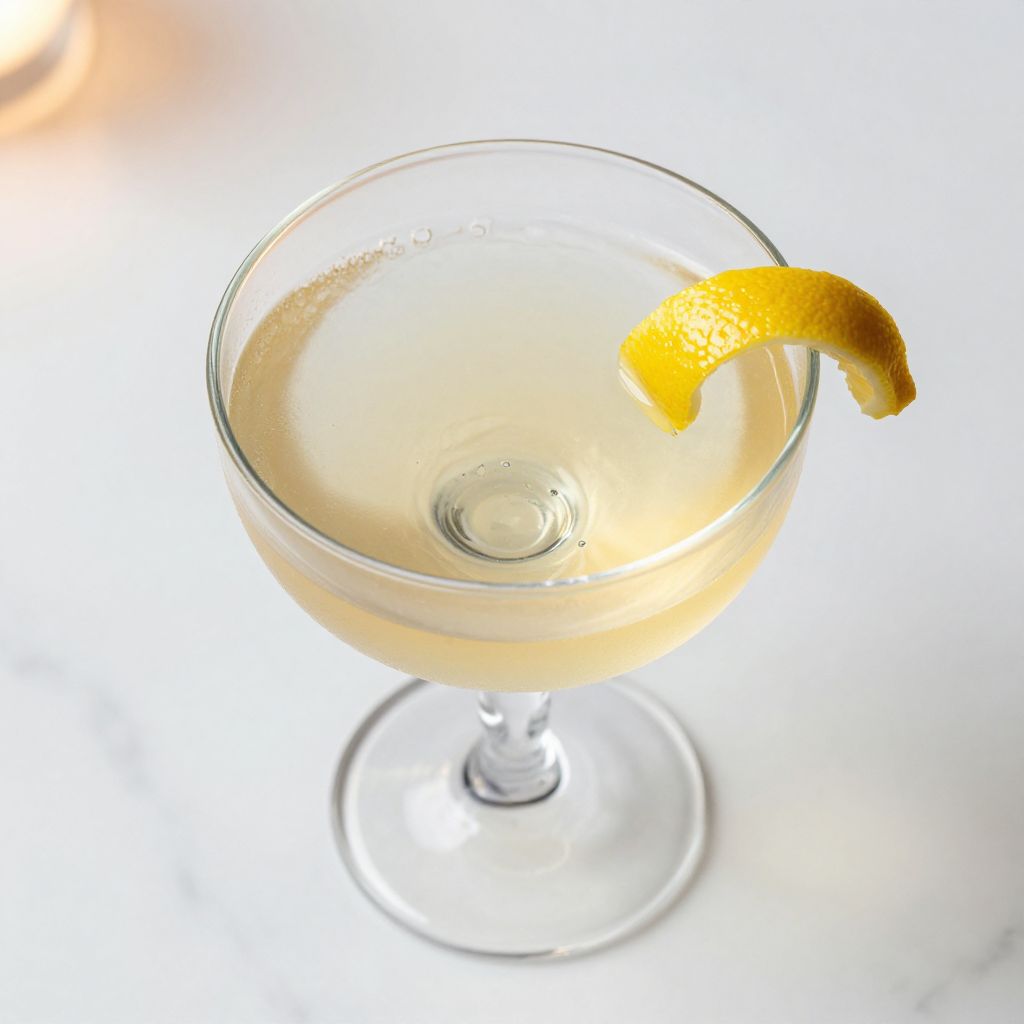
Picture yourself at a sleek cocktail bar, candlelight dancing across your glass as you take that first sip of something both elegant and dangerously smooth. The saketini is that drink, a modern twist on the martini that swaps vodka for premium sake and delivers a sophisticated flavor profile that feels both refined and approachable.
This recipe deserves a place in your cocktail rotation because it’s genuinely simple to make at home, yet it impresses like you spent years behind a bar. The beauty lies in how sake’s delicate floral and fruity notes complement the dry vermouth and bitters without any muddled flavors getting in the way.
Why You’ll Love This Recipe
A saketini is the kind of drink that feels restaurant-quality but takes less than five minutes to pull together in your own kitchen. It’s sophisticated without being pretentious, and it opens doors to exploring sake as a cocktail ingredient rather than just a sipping spirit.
- Silky smooth texture with a delicate, complex flavor profile
- Quick to make, minimal ingredients needed
- Pairs beautifully with Asian-inspired appetizers and small plates
- Impressive enough for entertaining guests
- Naturally lower alcohol content than traditional martinis
My Experience Making This Recipe
I first encountered a saketini at a Japanese restaurant in Seattle, and I was immediately hooked by how it tasted nothing like a regular vodka martini. The sake brought this subtle sweetness and floral character that made me want to order another round instead of sticking to my usual order.
Making this at home, I realized the key was using a quality sake that you’d actually enjoy drinking on its own. Cheap sake tastes thin and harsh in a cocktail, but a decent junmai or ginjo sake transforms this drink into something genuinely special.
Friends who came over for drinks were surprised by how smooth and approachable it tasted, especially compared to the sharp bite of a gin martini. Several asked for the recipe that night, which tells you everything about how well this cocktail lands with people who appreciate nuance over strength.
Recipe Overview
- Recipe Name: Saketini
- Servings: 1
- Prep Time: 3 minutes
- Cook Time: 0 minutes
- Total Time: 3 minutes
- Course: Cocktail
- Cuisine: Japanese-Inspired
- Calories per Serving: 120
Equipment You Will Need
- Cocktail shaker (or mason jar with lid)
- Jigger or measuring spoon for accurate pours
- Bar spoon or long mixing spoon
- Coupe glass or martini glass, chilled
- Hawthorne strainer or fine mesh strainer
- Citrus peeler for garnish
Ingredients for Saketini
- Premium sake (junmai or ginjo): 2 ounces
- Dry vermouth: 0.5 ounces
- Dash of orange bitters: 2 to 3 dashes
- Ice (quality, preferably large cubes): as needed
- Lemon twist or cucumber slice: for garnish
Ingredient Notes and Substitutions
- Premium sake is the foundation of this drink. Look for junmai (pure sake) or ginjo (premium filtered) grades that have floral, fruit-forward notes rather than harsh alcohol burn. If those aren’t available, a quality dry sake from a reputable producer will work in a pinch, though the drink will taste noticeably different.
- Dry vermouth adds herbal complexity and balances the delicate sake flavors. French vermouth tends to be drier than Italian, which is what you want here. Substitute with a dry white wine if you can’t find vermouth, though you’ll lose some of that botanical character.
- Orange bitters brighten the drink and add depth without overwhelming the sake’s subtle notes. If you only have Angostura bitters, they work but will shift the flavor profile toward spice rather than citrus. Omit entirely if you have neither, though the drink becomes flatter.
- Ice quality matters more than most people think. Large cubes or one big block dilute the drink slower than crushed ice, keeping your saketini properly balanced. Regular freezer ice works, just use slightly less since it melts faster.
How to Make Saketini
Step 1: Chill Your Glass
Place your coupe or martini glass in the freezer at least 10 minutes before you start mixing. A cold glass keeps your finished drink properly chilled and slows dilution, which matters with delicate sake flavors that fade quickly if the drink warms up.
Step 2: Fill Your Shaker With Ice
Pack your cocktail shaker with fresh, quality ice until it’s about three-quarters full. This amount ensures proper chilling and dilution without over-watering your drink, which would mute the sake’s subtle aromatics.
Step 3: Measure the Sake
Pour exactly 2 ounces of sake into the shaker using your jigger. Sake bottles vary in alcohol content, so measuring carefully ensures you hit the right balance every time and prevents the drink from tasting either too strong or too thin.
Step 4: Add the Dry Vermouth
Measure 0.5 ounces of dry vermouth and add it to the shaker with the sake. The vermouth’s herbs and botanicals complement the sake without competing with it, creating a more sophisticated flavor than sake alone would deliver.
Step 5: Add the Bitters
Add 2 to 3 dashes of orange bitters to the shaker. Those dashes might seem small, but they’re crucial for adding subtle citrus notes and complexity that lifts the entire drink without making it taste obviously bitter.
Step 6: Stir the Mixture
Using a bar spoon or long mixing spoon, stir the ingredients together for about 30 seconds over the ice. Stirring, not shaking, is the proper technique for spirit-forward cocktails like this one, as it chills and dilutes the drink gently while keeping it smooth and silky rather than frothy.
Step 7: Strain Into Your Glass
Use a hawthorne strainer or fine mesh strainer to pour the cocktail from the shaker into your chilled glass, leaving the ice behind. Straining properly ensures no bits of ice slip into the glass and keeps the drink perfectly clear and elegant looking.
Step 8: Garnish and Serve
Express a lemon twist over the drink by twisting the peel to release its oils, then drop it in as garnish. Alternatively, add a thin cucumber slice for a more delicate presentation that ties into the drink’s refined character.
Pro Tip: The quality of your sake makes or breaks this cocktail, so buy a bottle you’d actually enjoy sipping straight before mixing it into a drink.
Tips for the Best Saketini
- Buy sake from a shop with good turnover and proper storage practices. Sake oxidizes over time, so a bottle that’s been sitting on a shelf for months will taste flat and unpleasant in your cocktail.
- Chill everything before you start mixing. A warm glass turns your saketini into something limp and disappointing within seconds of pouring.
- Don’t skip the vermouth just to add more sake. Vermouth balances the delicate flavors and prevents the drink from tasting one-dimensional, even though it might seem like less is more.
- Stir, don’t shake, this cocktail. Shaking introduces too much air and breaks up the silky texture that makes a saketini special.
- Drink it immediately after pouring. Unlike other martinis, a saketini’s subtle flavors fade quickly as the ice melts and dilutes it further.
- Experiment with different sake styles once you’ve made the classic version. A slightly sweeter sake changes the drink’s character entirely, which can be delicious depending on your mood.
Common Mistakes to Avoid
- Using cooking sake or low-quality sake. These taste thin and harsh in cocktails and will ruin the drink before you even finish mixing it.
- Shaking instead of stirring. Shaking over-aerates the mixture and creates unwanted foam that dilutes the drink and gives it a texture more like a daiquiri than a saketini.
- Forgetting to chill the glass. A warm glass melts your ice too fast and turns this delicate drink into a watered-down disappointment.
- Using too much vermouth or bitters. These ingredients should whisper in the background, not shout. More isn’t better when you’re working with subtle flavors.
- Making it in advance and letting it sit. This cocktail needs to be served immediately while it’s properly chilled and the flavors are crisp and defined.
Serving Suggestions
A saketini pairs wonderfully with light appetizers and Asian-inspired small plates that won’t overpower its delicate flavors. Serve it as a sophisticated pre-dinner cocktail or alongside a Japanese tasting menu.
- Edamame with sea salt
- Crispy gyoza or vegetable dumplings
- Sashimi-grade fish with soy and wasabi
- Cucumber and avocado rolls
- Miso-glazed scallops or shrimp
Variations to Try
- Sweeter saketini: Swap the dry vermouth for a touch of mirin or honey syrup to complement a richer, sweeter sake and create a dessert-like sipper that still feels refined.
- Spicy saketini: Add a tiny pinch of white pepper or a drop of sriracha to the mix for guests who want a kick without losing the drink’s sophisticated character.
- Shiso saketini: Muddle a fresh shiso leaf gently before adding ice to infuse the drink with herbal, peppery notes that feel authentically Japanese and unexpected.
- Fruit-forward saketini: Use a sake with prominent peach or apple notes and add a dash of elderflower liqueur instead of orange bitters for a more fruit-forward, perfumy version.
- Sake martini: Add 0.5 ounces of gin or vodka to your standard saketini recipe if you want more body and alcohol without completely abandoning the sake flavor profile.
Dietary Adaptations
- Gluten-free: Most quality sake and dry vermouth are naturally gluten-free, but always check labels since some brands use additives. The cocktail is fine as-is for a gluten-free diet.
- Dairy-free: This recipe contains no dairy whatsoever, so it’s already suitable for anyone avoiding milk and cream-based products.
- Vegan: Sake and vermouth are plant-based, making this cocktail naturally vegan with no substitutions needed.
- Low-carb/keto: At approximately 120 calories with minimal carbs, the saketini fits a keto lifestyle perfectly, though the small amount of residual sugar in sake means it’s not zero-carb.
Storage and Reheating
Refrigerator
Store opened sake in the refrigerator for up to two weeks, keeping the bottle tightly sealed to prevent oxidation. Vermouth lasts about a month in the fridge once opened, though it degrades more slowly than sake.
- Keep bottles upright and away from direct light
- Smell the sake before using if it’s been open more than a few days
- Discard any bottle that smells vinegary or off
Freezer
Sake and vermouth don’t freeze solid due to their alcohol content, so freezing them is technically possible but unnecessary. Refrigeration keeps them fresh longer and makes them ready to use without thawing.
Reheating
This cocktail is always served cold and never heated, so reheating isn’t applicable. Make fresh saketinis to order rather than preparing them in batches.
Nutrition Information
| Nutrient | Amount |
|---|---|
| Calories | 120 |
| Total Fat | 0 g |
| Saturated Fat | 0 g |
| Carbohydrates | 2 g |
| Fiber | 0 g |
| Sugar | 0.5 g |
| Protein | 0 g |
| Sodium | 5 mg |
| Cholesterol | 0 mg |
These values are estimates based on standard ingredients and may vary depending on the specific brands and sake type you use. Always check your individual ingredients if you have specific dietary concerns or restrictions.
Frequently Asked Questions
Can I make a saketini without vermouth?
Technically yes, but it becomes just chilled sake with bitters, which loses the herbal complexity that makes the drink interesting. The vermouth is what transforms sake into a proper cocktail rather than just a fancy pour.
What’s the difference between this and a traditional martini?
A traditional martini uses vodka or gin with vermouth and olives or a lemon twist, delivering a strong, spirit-forward punch. A saketini swaps sake for the base spirit, creating something lighter, more delicate, and with subtle fruit and floral notes instead of obvious alcohol heat.
How do I choose which sake to buy?
Look for junmai or ginjo grade sakes from reputable producers and read the back labels to find ones described as dry, crisp, or fruit-forward. Avoid anything labeled as cooking sake or anything that costs under eight dollars, as quality matters enormously in a drink with so few ingredients.
Can I prepare this ahead for a party?
No, this cocktail must be made to order immediately before serving because the ice melts quickly and the delicate flavors fade. If you’re entertaining multiple people, prepare everything in advance but mix individual drinks as your guests are ready to drink them.
What if my saketini tastes too strong or too weak?
If it’s too strong, you likely used inferior sake or shook instead of stirred, trapping less diluting ice water in the drink. If it’s too weak, your glass wasn’t cold enough or you let it sit too long before drinking, allowing excess melting.
Is a saketini supposed to be cloudy or clear?
A properly made saketini should be crystal clear, like any martini, because you stir it rather than shake it. Cloudiness means you shook it too vigorously, introduced ice chips, or used inferior sake with suspended particles.
Final Thoughts
Making a saketini at home proves you don’t need a fancy bar or years of bartending experience to create something genuinely impressive. This cocktail comes together in minutes and delivers the kind of sophistication that makes you feel like you actually know what you’re doing.
Give this recipe a try the next time you want to impress someone or simply treat yourself to something a bit more refined than your usual drink. Once you taste how clean and elegant a proper saketini tastes, you might find yourself making a regular habit of it.
If you enjoy exploring unique cocktails beyond the standard options, check out our recipe for a pickletini or try a coconut martini for more flavor variations that prove martinis can be anything you want them to be.
Saketini
Ingredients
Equipment
Method
- Step 1: Chill Your Glass – Place your coupe or martini glass in the freezer at least 10 minutes before you start mixing.
- Step 2: Fill Your Shaker With Ice – Pack your cocktail shaker with fresh, quality ice until it's about three-quarters full.
- Step 3: Measure the Sake – Pour exactly 2 ounces of sake into the shaker using your jigger.
- Step 4: Add the Dry Vermouth – Measure 0.5 ounces of dry vermouth and add it to the shaker.
- Step 5: Add the Bitters – Add 2 to 3 dashes of orange bitters to the shaker.
- Step 6: Stir the Mixture – Using a bar spoon or long mixing spoon, stir the ingredients together for about 30 seconds over the ice.
- Step 7: Strain Into Your Glass – Use a hawthorne strainer or fine mesh strainer to pour the cocktail from the shaker into your chilled glass, leaving the ice behind.
- Step 8: Garnish and Serve – Express a lemon twist over the drink by twisting the peel to release its oils, then drop it in or add a cucumber slice for garnish.