
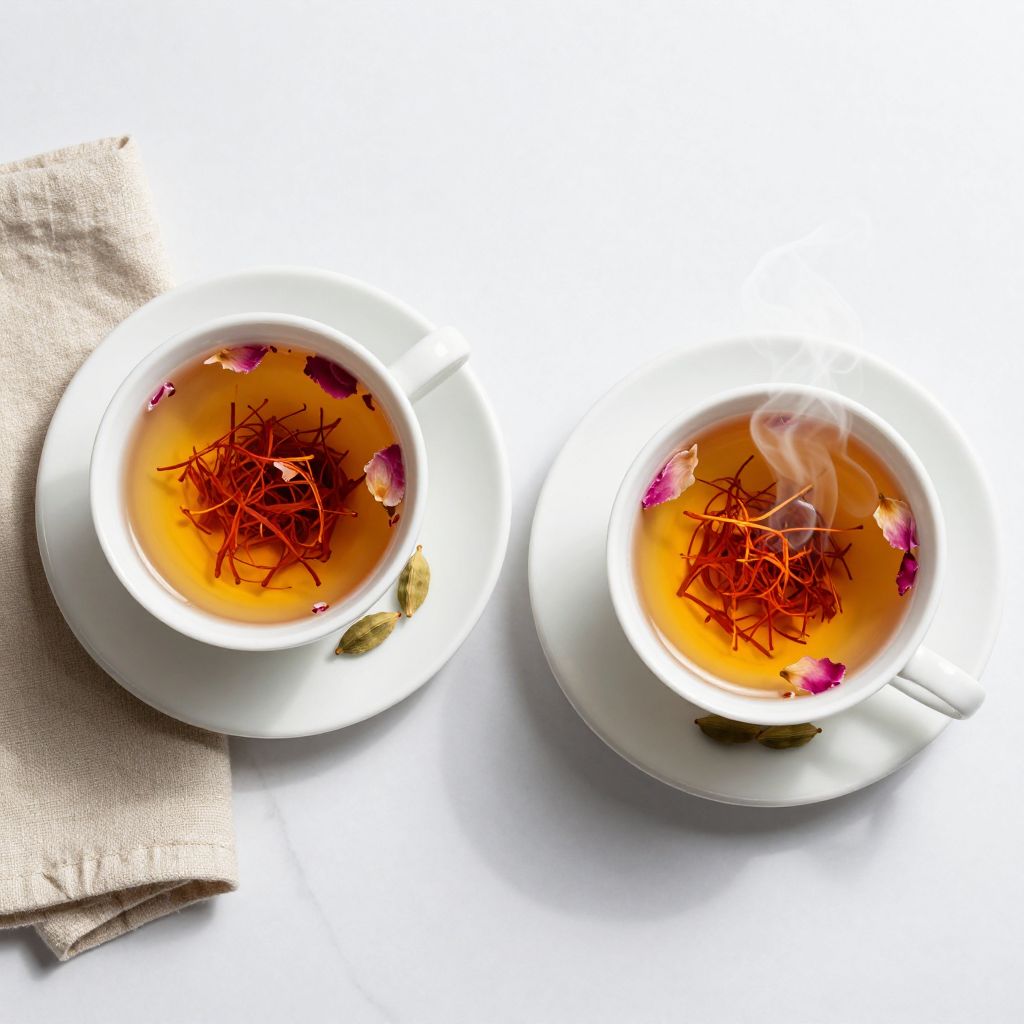
The first time I steeped saffron threads in hot water, I watched them bleed their golden color into the cup like liquid sunset, and I knew I’d found something special.
Saffron tea is a timeless beverage that feels luxurious yet surprisingly simple to prepare at home. This fragrant infusion combines the delicate floral notes and subtle earthiness of saffron with warmth and comfort, making it perfect for quiet mornings or evening wind-downs.
What makes this tea truly shine is how few ingredients you need and how transformative they become when steeped together. The ritual of preparing it becomes just as rewarding as drinking it, and the flavor profile adapts beautifully to your preferred sweetness and spice additions.
Why You’ll Love This Recipe
Saffron tea delivers elegance in a cup without demanding much effort or technical skill from you. It’s naturally caffeine-free, deeply satisfying, and works equally well as a therapeutic afternoon ritual or a warming nightcap.
- Uses just a handful of premium ingredients that pack serious flavor
- Takes less than 10 minutes from start to finish
- Naturally caffeine-free, making it perfect for any time of day
- Customizable with honey, milk, or spices to match your mood
- Impresses guests while feeling deeply personal and meditative
My Experience Making This Recipe
The first time I made saffron tea, I was skeptical about using such an expensive spice just to brew water. After the first sip, that skepticism evaporated completely because the depth and complexity were unlike anything I’d tasted before.
I’ve since made it dozens of times, and I’ve learned that quality matters here: good saffron threads produce a noticeably richer tea than low-grade imports. Each batch I prepare feels a bit luxurious, like I’m treating myself to something special rather than just grabbing a regular beverage.
My friends and family have started requesting it when they visit, and I love watching their faces light up when they taste it for the first time. It’s become my go-to gift for people who appreciate thoughtful, warming drinks that taste like care in a cup.
Recipe Overview
- Recipe Name: Saffron Tea
- Servings: 2 servings
- Prep Time: 2 minutes
- Cook Time: 5 minutes
- Total Time: 7 minutes
- Course: Beverage
- Cuisine: Middle Eastern, Indian, Persian
- Calories per Serving: 45
Equipment You Will Need
- Kettle or pot for boiling water
- Two teacups or mugs
- Small spoon or strainer
- Teapot or small glass pitcher (optional, for steeping)
- Fine mesh strainer or tea infuser
- Measuring spoon
Ingredients for Saffron Tea
- Saffron threads: 1/4 teaspoon (roughly 15-20 threads)
- Water: 2 cups (filtered or spring water preferred)
- Honey: 1 to 2 teaspoons, or to taste
- Cardamom pods: 2-3 pods, slightly crushed (optional)
- Milk: 1/4 cup whole milk or almond milk (optional)
- Rose petals: a pinch of dried petals (optional garnish)
Ingredient Notes and Substitutions
- Saffron threads: This is the heart of the tea, providing distinctive floral and earthy notes that define the drink. If saffron is unavailable, turmeric offers a golden color and mild spice, though the flavor profile shifts significantly and loses saffron’s luxury and complexity.
- Water: Filtered water prevents mineral buildup and allows saffron’s delicate flavor to shine without interference. Tap water works fine, but avoid distilled water as it can taste flat and underwhelming in subtle beverages.
- Honey: Raw honey adds floral sweetness and complements saffron beautifully. Maple syrup or agave nectar provide alternative sweetness, though honey pairs most authentically with saffron’s flavor profile.
- Cardamom: These pods add warmth and spice that play well with saffron’s delicate notes. Cinnamon sticks or a pinch of clove powder offer similar warmth but create a slightly different aromatic profile.
- Milk: Whole milk creates a creamier, richer tea, while alternative milks offer lighter options. Skipping milk entirely keeps the tea pure and lets saffron’s subtle notes take center stage.
How to Make Saffron Tea
Step 1: Toast Your Saffron Threads
Place saffron threads in a dry skillet or directly over a low flame for 10 to 15 seconds until fragrant. Toasting activates the saffron’s essential oils and deepens its flavor, transforming a good cup into an exceptional one.
Step 2: Crush the Threads
Transfer toasted saffron to a small bowl and gently crush the threads between your fingers or with a mortar and pestle. Crushing helps release more of saffron’s color and flavor into the water during steeping.
Step 3: Prepare Your Cardamom
If using cardamom, lightly crush the pods with the flat side of a knife to open them slightly. This gentle crushing allows the cardamom’s aromatic oils to infuse without becoming overpowering or bitter.
Step 4: Boil Your Water
Bring 2 cups of filtered water to a rolling boil in a kettle or pot over high heat. Boiling water is essential for properly extracting saffron’s complex flavors and ensuring the tea is safe to drink.
Step 5: Combine Saffron and Cardamom
Place crushed saffron threads and cardamom pods (if using) into a teapot or directly into your two mugs. Having everything ready before the water is added helps you move quickly while the water is at peak heat.
Step 6: Pour Hot Water Over Saffron
Carefully pour the boiling water over the saffron and cardamom, covering the pot or mugs to trap the steam. Covering traps the aromatic compounds that would otherwise escape as steam, concentrating the tea’s flavor and fragrance.
Step 7: Steep for 4 to 5 Minutes
Let the tea steep without disturbing it for 4 to 5 minutes, allowing saffron to fully release its color and flavor into the water. Longer steeping intensifies the golden color and deepens the saffron’s earthy, floral notes without creating bitterness.
Step 8: Strain and Sweeten
Pour the tea through a fine mesh strainer into your serving cups, leaving behind the saffron threads and cardamom pods. Add honey to taste while the tea is hot, stirring until the honey dissolves completely for even sweetness throughout.
Step 9: Add Milk If Desired
Gently pour warm milk into each cup if you prefer a creamier tea, stirring to combine. Adding milk after sweetening helps you control how creamy the tea becomes and prevents it from becoming too diluted.
Pro Tip: Toast your saffron threads before steeping them; this single step dramatically enhances the tea’s depth and aromatic complexity, elevating it from pleasant to genuinely memorable.
Tips for the Best Saffron Tea
- Buy saffron from reputable sources and store it in an airtight container away from light and heat, as quality saffron is expensive and loses potency quickly when exposed to air or sunlight. Properly stored saffron keeps for up to two years and delivers consistently rich flavor.
- Use filtered or spring water rather than tap water, as minerals in tap water can dull saffron’s delicate flavor profile. The subtle difference becomes immediately noticeable once you try it side by side.
- Don’t skip toasting the saffron threads; this step takes less than a minute but makes a significant impact on the final flavor and richness. You’ll taste the difference in every sip compared to untoasted saffron.
- Measure your saffron by thread count rather than weight if possible, as threads vary slightly in density and a few threads go a long way. Around 15 to 20 threads per two cups of water hits the sweet spot between flavor and subtlety.
- Serve the tea immediately after steeping for the best aromatic experience, as saffron’s fragrance diminishes as the tea cools. Reheating cooled tea works fine, but you lose some of the delicate floral notes that make the first cup special.
- Experiment with different honey types to discover your favorite pairing; raw honey, acacia honey, and wildflower honey each bring slightly different floral notes that complement saffron differently. The right honey choice can make the tea feel uniquely yours.
Common Mistakes to Avoid
- Using low-quality or old saffron results in a pale, flavorless tea that tastes like tinted water rather than a luxurious beverage. Always purchase saffron from trusted sources and check the color; bright red threads indicate freshness while dull brown threads signal age.
- Over-steeping past 5 minutes can extract unwanted bitter notes from the saffron, creating a harsh rather than smooth cup. Saffron gives its best flavor between 4 and 5 minutes, so set a timer and pour immediately when time is up.
- Skipping the toasting step sacrifices depth and complexity, leaving you with a tea that tastes one-dimensional and flat. This small extra step takes seconds but transforms the entire experience.
- Adding honey while the water is boiling can destroy its delicate enzymes and flavor compounds, leaving you with sweet water rather than nuanced tea. Always add honey after the tea has cooled slightly to 140 to 160 degrees Fahrenheit.
- Using distilled or softened water strips away mineral content that actually enhances saffron’s flavor profile, resulting in a thin, uninteresting cup. Filtered water maintains enough minerals while removing contaminants that could cloud the delicate taste.
Serving Suggestions
Saffron tea shines on its own but pairs beautifully with light snacks that don’t compete with its delicate flavor. Serve it warm in your favorite teacup for a moment of quiet reflection or enjoy it slightly cooled on warm afternoons.
- Pair with delicate pastries like shortbread cookies, madeleines, or butter cookies that complement rather than overpower the tea
- Serve alongside fresh fruit such as sliced pear, apple, or dried apricots for textural contrast and natural sweetness
- Enjoy with warm flatbread or simple crackers topped with honey or preserves for a light snack pairing
- Combine with Middle Eastern or Persian sweets such as baklava or pistachio-based confections for authentic flavor harmony
- Sip alone as a meditative beverage after a meal or during a quiet moment to fully appreciate saffron’s complex notes
Variations to Try
- Rose Saffron Tea: Add 1/2 teaspoon of dried rose petals to the steeping mixture for floral depth and a romantic twist that makes the tea feel extra special. Rose petals deepen saffron’s floral character while adding their own subtle sweetness.
- Spiced Saffron Tea: Include a small cinnamon stick, two or three whole cloves, and a thin slice of fresh ginger along with the cardamom for warming spice layers. This variation leans into cozy, warming notes and pairs beautifully with desserts or cold evenings.
- Citrus Saffron Tea: Add a strip of lemon or orange zest to the steeping water for bright acidity that cuts through saffron’s richness and adds complexity. The citrus zest brightens the tea’s overall profile and prevents it from feeling too heavy.
- Creamy Saffron Tea with Vanilla: Steep the saffron with a split vanilla bean and serve with warm heavy cream or coconut milk for a decadent, dessert-like beverage. This version transforms the tea into something luxurious and indulgent.
- Cold Saffron Tea: Prepare the tea as directed, chill it completely, and serve over ice with a splash of sparkling water and a honey drizzle for a refreshing summer variation. Cold saffron tea offers a lighter, more refreshing take while maintaining the characteristic golden color and delicate flavor.
Dietary Adaptations
- Gluten-Free: Saffron tea is naturally gluten-free; simply ensure any honey or sweeteners you use are certified gluten-free if you have celiac disease or severe sensitivity. The trade-off is minimal since saffron tea contains no grains or gluten-containing ingredients.
- Dairy-Free: Replace milk with almond milk, oat milk, or coconut milk; all three pair beautifully with saffron’s floral notes and create a creamy texture. Unsweetened versions preserve the tea’s natural sweetness from honey without adding competing flavors.
- Vegan: Saffron tea is already vegan when prepared with honey and non-dairy milk or without milk entirely. If honey isn’t acceptable for your practice, substitute with maple syrup or agave nectar for similar sweetness and body.
- Low-Carb and Keto: Skip honey or use a sugar substitute like erythritol or monk fruit sweetener, which provide sweetness without carbohydrates. The trade-off is subtle differences in mouthfeel and aftertaste compared to honey, but the saffron’s core flavor remains unchanged.
Storage and Reheating
Refrigerator
Store leftover saffron tea in an airtight glass container in the refrigerator for up to 3 days. The flavor remains pleasant when chilled, making it convenient for quick serving throughout the week.
- Strain the tea completely before storing to prevent the saffron threads from continuing to infuse and becoming too intense
- Label the container with the date so you remember when you prepared it and don’t accidentally store it too long
- Keep it away from strong-smelling foods, as saffron’s delicate aromatics can absorb nearby odors in the refrigerator
Freezer
Saffron tea can be frozen in ice cube trays for up to 2 months, making it convenient for adding to other beverages or using in small portions. Freezing preserves the flavor reasonably well, though some delicate aromatic notes may diminish slightly over time.
- Freeze unsweetened tea in ice cube trays, then transfer cubes to freezer bags for compact storage
- Thaw cubes by adding them to hot water for instant saffron tea without the full steeping process
- Use frozen cubes to cool and flavor other beverages like lemonade or herbal teas for creative drinks
Reheating
Gently reheat refrigerated saffron tea in a small pot over low to medium heat, stirring occasionally until it reaches your preferred warmth. Avoid boiling reheated tea, as intense heat can degrade the remaining delicate flavors.
- Reheat in the microwave in 30-second intervals, stirring between each interval, to prevent overheating and flavor loss
- Add fresh honey after reheating if needed, as reheating can diminish sweetness slightly
- Consider adding a splash of fresh milk or cream when reheating for restored creaminess and richness
Nutrition Information
| Nutrient | Amount |
|---|---|
| Calories | 45 |
| Total Fat | 0g |
| Saturated Fat | 0g |
| Carbohydrates | 12g |
| Fiber | 0g |
| Sugar | 11g |
| Protein | 0g |
| Sodium | 5mg |
| Cholesterol | 0mg |
Nutritional values are approximate and calculated based on the basic recipe using honey as the sweetener and no milk addition. Adding milk, cream, or additional honey will increase calories, fat, and carbohydrate content accordingly.
Frequently Asked Questions
Can I make saffron tea without honey?
Absolutely; saffron tea is naturally subtly sweet and enjoyable on its own without added sweetener. Many people prefer it unsweetened to fully appreciate saffron’s delicate floral and earthy notes without honey’s competing sweetness.
Where should I buy saffron for the best quality?
Purchase saffron from specialty spice retailers, Persian or Indian markets, or reputable online sources that specialize in spices and have high turnover. Avoid large supermarket saffron, which is often old, low-quality, or adulterated with fillers that diminish flavor and color.
How do I know if my saffron is fresh?
Fresh saffron threads are bright crimson red with a slight darkening toward the tips, smell intensely floral and slightly earthy, and should feel dry and brittle. Dull brown threads, lack of aroma, or a musty smell indicate age or improper storage, and the tea will be disappointing.
Can I reuse saffron threads after steeping?
You can steep used threads a second time, though the flavor will be noticeably weaker than the first infusion. Most of the saffron’s color and flavor leaches out in the first steep, so reusing is economical but results in a lighter, less flavorful tea.
What does saffron tea taste like?
Saffron tea tastes subtly floral with mild earthy undertones, slightly sweet, and warm without any bitterness when prepared correctly. The flavor is delicate and sophisticated rather than bold, making it a tea for thoughtful sipping rather than casual gulping.
Is saffron tea safe to drink every day?
Saffron tea is safe for most people to drink daily in normal culinary amounts; the 1/4 teaspoon per two cups used in this recipe is well within safe limits. Very high doses of saffron taken as supplements can cause side effects, but the amount used for tea is considered safe by culinary and medical standards.
Can children drink saffron tea?
Yes, saffron tea is safe for children in normal amounts and can be sweetened with honey for those over one year old. The delicate flavor makes it a gentle introduction to herbal and specialty teas, though young children may prefer it with milk to soften the floral notes.
Final Thoughts
Making saffron tea at home transforms a simple beverage into a moment of luxury and self-care that costs far less than a cafe visit. The ritual of toasting the threads, steeping with intention, and sipping slowly reminds you to slow down and appreciate the small, beautiful things in life.
Try this recipe this week and discover why saffron tea has been cherished across Persian, Middle Eastern, and Indian cultures for centuries. Once you’ve tasted a cup of properly prepared saffron tea, you’ll understand why it’s worth the small effort and cost to make it regularly.
Explore More Warming Beverages
If you love the warmth and comfort of saffron tea, explore more specialty tea recipes that deliver similar moments of peace and flavor complexity. Discover new favorite drinks that transform your daily routine into something special.
Try a warming clove tea recipe for another aromatic sip with gentle spice and depth. Or explore the earthy goodness of a dandelion tea recipe for a caffeine-free herbal option that soothes and nourishes.
Saffron Tea
Ingredients
Equipment
Method
- Place saffron threads in a dry skillet or directly over a low flame and toast for 10 to 15 seconds until fragrant.
- Transfer the toasted saffron to a small bowl and gently crush the threads between your fingers or with a mortar and pestle.
- Lightly crush cardamom pods with the flat side of a knife to open them and release their aroma.
- Bring 2 cups of filtered or spring water to a rolling boil (212°F/100°C) in a kettle or pot over high heat.
- Place the crushed saffron threads and cardamom pods into a teapot or directly into your teacups.
- Carefully pour the boiling water over the saffron and cardamom, cover, and let steep undisturbed for 4 to 5 minutes.
- Strain the tea through a fine mesh strainer into serving cups, discarding the solids.
- Add honey to taste while the tea is hot and stir until fully dissolved.
- If desired, pour warm milk into each cup and stir gently to combine.
- Optionally garnish with a pinch of dried rose petals and serve immediately.