
There’s something magical about steeping fresh pineapple with warm spices and letting the tropical sweetness mingle with ginger and cinnamon in your cup. Pineapple tea isn’t your average afternoon drink—it’s a bright, refreshing escape that tastes like a beach vacation in liquid form.
This recipe combines the natural tang of pineapple with warming spices and a touch of honey, creating a drink that works equally well hot or iced. It’s simple enough for a weeknight but impressive enough to serve guests, and the whole kitchen smells incredible while it simmers.
Why You’ll Love This Recipe
Pineapple tea strikes that perfect balance between refreshing and comforting, and it comes together in under 20 minutes with pantry staples you likely already have on hand.
- Naturally sweet with no refined sugar needed (unless you want it)
- Packed with vitamin C and anti-inflammatory ginger
- Works hot or cold, making it year-round friendly
- Impresses guests without requiring fancy ingredients or skills
- The aroma alone is worth making it
My Experience Making This Recipe
I first stumbled on a version of this tea at a farmers market stand on a sweltering summer afternoon, and I became instantly obsessed. The vendor let me sip a sample, and I was hooked by how the sweetness of the pineapple played against the peppery bite of fresh ginger.
I rushed home and started experimenting, tweaking ratios and spices until I landed on this version. My roommate came home to find the entire apartment filled with this golden, fruity steam, and she demanded I make it again the next day.
Now I make it weekly in big batches and keep it in the fridge for lazy afternoons. People always ask what I’m drinking because the aroma is so inviting, and once they taste it, they ask for the recipe immediately.
Recipe Overview
- Recipe Name: Pineapple Tea
- Servings: 4
- Prep Time: 10 minutes
- Cook Time: 8 minutes
- Total Time: 18 minutes
- Course: Beverage
- Cuisine: Tropical Fusion
- Calories per Serving: 65
Equipment You Will Need
- Medium saucepan or pot
- Sharp knife for cutting pineapple
- Cutting board
- Microplane zester or box grater for ginger
- Strainer or fine mesh sieve
- Wooden spoon for stirring
- Measuring cups and spoons
- Mugs or tea glasses
Ingredients for Pineapple Tea
- Fresh pineapple: 2 cups, cut into chunks (about 1 medium pineapple)
- Fresh ginger: 1 tablespoon, grated or thinly sliced
- Filtered water: 4 cups
- Ground cinnamon: 1/4 teaspoon
- Raw honey: 2 tablespoons, or to taste
- Fresh lemon juice: 1 tablespoon
- Dried turmeric: 1/8 teaspoon (optional, adds earthiness)
- Sea salt: a pinch
Ingredient Notes and Substitutions
- Fresh pineapple provides natural enzymes and bright acidity that make this tea sing. Frozen pineapple works in a pinch but loses some aromatic compounds, so use fresh when possible.
- Fresh ginger delivers a warm, peppery kick and has anti-inflammatory properties. Powdered ginger can replace it at 1/4 teaspoon, though it tastes sharper and less nuanced.
- Filtered water prevents chlorine flavors from interfering with delicate fruit notes. Tap water works if filtered water isn’t available, though the taste will be slightly less clean.
- Ground cinnamon adds warmth and subtle sweetness. Ceylon cinnamon tastes smoother than cassia, but either variety works here.
- Raw honey brings floral sweetness and retains beneficial enzymes. Maple syrup or agave nectar can replace honey at the same ratio, with slightly different flavor profiles.
- Fresh lemon juice brightens the pineapple and prevents the tea from tasting flat. Bottled lemon juice lacks the aromatic lift, so fresh is preferred.
- Turmeric adds color and earthy warmth alongside ginger’s spice. Omit it entirely if you prefer pure pineapple flavor without the earthiness.
How to Make Pineapple Tea
Step 1: Prepare the Pineapple
Cut the pineapple in half lengthwise and remove the core with a sharp knife, then chop the flesh into roughly 1-inch chunks. Fresh pineapple releases more juice and flavor when cut into smaller pieces, which is why chunking matters here.
Step 2: Measure and Grate the Ginger
Peel a 1-inch piece of fresh ginger using a spoon or vegetable peeler, then grate it finely on a microplane zester or box grater. Fresh ginger grates more easily when it’s cold, so keep it in the fridge until you’re ready to use it.
Step 3: Bring Water to a Boil
Pour 4 cups of filtered water into your saucepan and bring it to a rolling boil over medium-high heat. Boiling water extracts maximum flavor and ensures any impurities are eliminated.
Step 4: Add Pineapple and Spices
Once the water boils, add the pineapple chunks, grated ginger, cinnamon, and turmeric (if using) to the pot. The heat will immediately begin breaking down the pineapple’s cell walls and releasing its enzymes and juice into the water.
Step 5: Reduce Heat and Simmer
Lower the heat to medium and let the mixture simmer gently for 6 to 8 minutes, stirring occasionally. You want a gentle simmer, not a rolling boil, to preserve the delicate tropical flavors and prevent the tea from becoming cloudy.
Step 6: Taste and Adjust Sweetness
After simmering, turn off the heat and taste the tea to check if it’s strong enough for your preference. If it tastes weak, let it steep for another 2 minutes with the fruit still in the pot.
Step 7: Strain the Solids
Pour the tea through a fine mesh strainer into a clean pot or pitcher, pressing gently on the pineapple chunks to extract any remaining liquid. Straining removes the solids while keeping the smooth, clear tea you want in your cup.
Step 8: Finish with Honey and Lemon
While the tea is still warm, stir in the honey and fresh lemon juice until well combined. Honey dissolves better in warm liquid, and the lemon juice brightens all the flavors you’ve built up.
Step 9: Serve Immediately or Chill
Pour the tea into mugs and serve hot, or pour it into a pitcher and refrigerate it for at least 30 minutes to serve cold over ice. Both preparations showcase the refreshing, tropical character of this drink.
Pro Tip: Don’t throw away those pineapple solids after straining. Blend them into a smoothie, stir them into yogurt, or simmer them again in less water for a second, lighter batch of tea.
Tips for the Best Pineapple Tea
- Choose a pineapple that smells fragrant at the base and feels slightly soft when squeezed. A ripe pineapple delivers more juice and sweetness than an underripe one.
- Don’t skip the lemon juice even if you think the tea is sweet enough. The acidity brightens every flavor and prevents the drink from tasting flat or one-dimensional.
- Make a double or triple batch and store it in the fridge for up to 5 days. Cold pineapple tea is perfect for grabbing on your way out the door.
- Add a splash of coconut milk or cream if you want a richer, more indulgent version. This transforms the tea into something closer to a tropical smoothie.
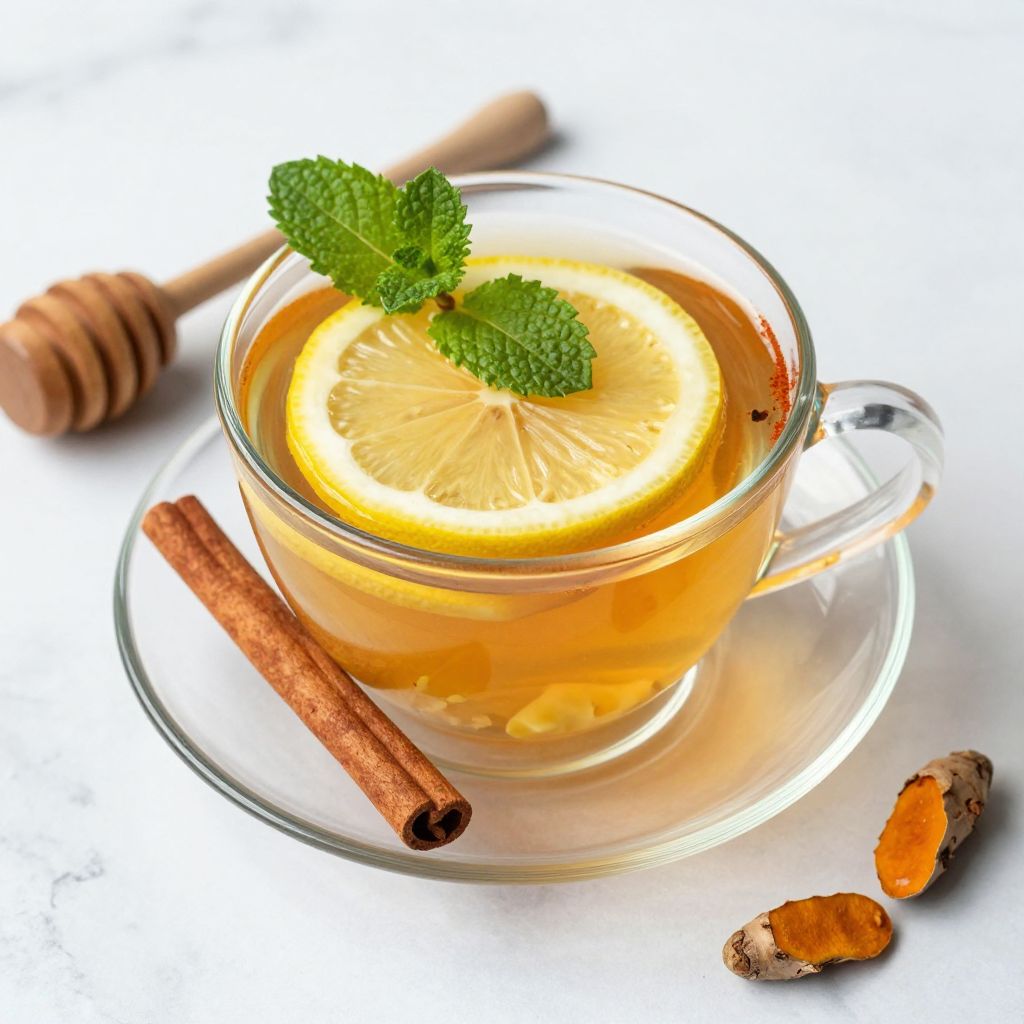
- Serve with fresh pineapple slices, a cinnamon stick, or a thin slice of candied ginger as a garnish. Garnishes make the tea feel more special and add visual appeal.
- If you prefer your tea less sweet, use only 1 tablespoon of honey and taste before adding more. Honey is easy to add but impossible to remove.
Common Mistakes to Avoid
- Overcooking the pineapple and spices dulls their bright flavors and creates a muddy-tasting tea. Stick to 6 to 8 minutes of simmering for maximum freshness.
- Using canned pineapple instead of fresh eliminates the enzyme activity and leaves you with an overly sweet, flat-tasting drink. Fresh pineapple matters here.
- Forgetting the salt makes the tea taste one-dimensional and missing umami depth. A tiny pinch of sea salt amplifies all the other flavors.
- Straining too aggressively or squeezing the pineapple chunks too hard releases bitter compounds from the flesh. Gentle pressing is all you need.
- Adding honey to boiling water causes it to break down and lose its beneficial enzymes. Wait until the tea has cooled slightly before stirring in honey.
Serving Suggestions
Pineapple tea pairs beautifully with light breakfast pastries, afternoon snacks, or as a palate cleanser after a heavy meal. Serve it hot on cool mornings or over ice on warm afternoons for maximum enjoyment.
- Pair hot pineapple tea with warm banana bread or coconut scones for a tropical breakfast
- Serve chilled pineapple tea alongside grilled fish or seafood for a refreshing complement
- Offer it as a dessert tea with lemon shortbread cookies or butter cookies
- Combine it with rum or coconut rum for a tropical mocktail or cocktail version
- Serve it at outdoor summer gatherings in a pitcher with fresh fruit slices
Variations to Try
- Spiced Pineapple Tea: Add 1/4 teaspoon of cardamom, a pinch of clove, and 1/4 teaspoon of nutmeg for a warming chai-like version. This transforms the tea into something cozy and more complex.
- Minty Pineapple Tea: Toss in a handful of fresh mint leaves during simmering and add 1/2 teaspoon of vanilla extract at the end. Mint adds cooling freshness that pairs perfectly with tropical pineapple.
- Sparkling Pineapple Tea: Chill the brewed tea, then top each serving with sparkling water or club soda for a fizzy twist. This makes it feel more like a fancy beverage or party drink.
- Creamy Pineapple Tea: Stir in coconut cream or oat milk to create a smooth, velvety texture. The creaminess mellows the spices and makes the tea feel more dessert-like.
- Tropical Punch Version: Mix equal parts pineapple tea with mango juice and a splash of passion fruit puree for a complex tropical blend. This works beautifully as a pitcher drink for gatherings.
Dietary Adaptations
- Gluten-free: This recipe is naturally gluten-free as written, though always verify that your honey and spices are certified gluten-free if that matters for your needs.
- Dairy-free: The base recipe contains no dairy, making it suitable for dairy-free diets. Stick to coconut milk or oat milk if you want to add creaminess.
- Vegan: This recipe is vegan when made with maple syrup or agave nectar instead of honey. Use either sweetener at the same ratio for identical results.
- Low-carb or Keto: Reduce the honey to 1/2 tablespoon and use monk fruit sweetener instead. This keeps the tea under 5 grams of net carbs per serving.
Storage and Reheating
Refrigerator
Pineapple tea keeps beautifully in the fridge for up to 5 days in a sealed glass pitcher or container. The flavors actually deepen slightly as the tea sits, making day-three tea better than day-one tea.
- Store in an airtight glass pitcher to prevent flavors from absorbing odors
- Keep away from strong-smelling foods like onions or garlic
- Shake or stir before serving since some settling is normal
Freezer
You can freeze pineapple tea for up to 3 months, though the flavor gradually fades after 6 weeks. Pour cooled tea into ice cube trays for convenient single-serving portions.
- Freeze in ice cube trays, then transfer cubes to freezer bags
- Label bags with the date so you remember when you made it
- Thaw in the fridge overnight rather than at room temperature
Reheating
Reheat cold pineapple tea gently on the stovetop or in the microwave until it reaches your desired temperature. Avoid boiling the tea again, as high heat destroys the delicate fruit flavors you worked to build.
- Stovetop: Pour into a saucepan and warm over medium heat for 3 to 4 minutes, stirring occasionally
- Microwave: Heat in a microwave-safe mug for 90 seconds to 2 minutes, checking halfway through
- Serve immediately after reheating while the aroma is still fresh
Nutrition Information
| Nutrient | Amount |
|---|---|
| Calories | 65 |
| Total Fat | 0g |
| Saturated Fat | 0g |
| Carbohydrates | 17g |
| Fiber | 0g |
| Sugar | 15g |
| Protein | 1g |
| Sodium | 12mg |
| Cholesterol | 0mg |
Nutritional values are estimates based on standard USDA data for fresh pineapple, honey, and spices. Actual values vary depending on the specific products you use and how much tea you drink per serving.
Frequently Asked Questions
Can I use canned or frozen pineapple instead of fresh?
You can use frozen pineapple if fresh isn’t available, though the tea will taste less bright and aromatic. Canned pineapple in syrup adds unwanted sweetness and muddy flavors, so avoid it if possible.
How do I make this tea less sweet?
Reduce the honey to 1 tablespoon or skip it entirely and taste the tea first before adding any sweetener. You can always add honey later, but removing it is impossible.
Can I make pineapple tea ahead of time for a party?
Absolutely, and I recommend it for crowds since you can make it up to 5 days in advance and serve it cold or reheated. Chill it fully, then reheat gently on the stovetop or pour it over ice as needed.
Why does my pineapple tea taste bitter or flat?
Bitterness comes from overcooking the fruit or squeezing it too hard during straining. A flat taste means you need more lemon juice or a pinch more salt to brighten the flavors.
Can I use powdered ginger instead of fresh?
Yes, but reduce the amount to 1/4 teaspoon since powdered ginger is more concentrated and tastes sharper. Fresh ginger has a warmer, more nuanced bite that works better in this recipe, so fresh is preferable.
What’s the best way to cut pineapple for this recipe?
Cut the pineapple in half lengthwise, remove the core, and chop the flesh into roughly 1-inch chunks. Smaller, more uniform pieces steep faster and release more juice into the water.
Can I drink this tea if I’m pregnant?
Fresh pineapple is safe during pregnancy, though some sources suggest limiting pineapple consumption in the third trimester. Check with your healthcare provider about whether this tea is appropriate for your situation.
Final Thoughts
Pineapple tea is one of those recipes that feels fancy and special but requires almost no skill or obscure ingredients. Once you make it once, you’ll want to keep a batch in the fridge at all times because it’s that good.
The next time you’re craving something refreshing and warmth at the same time, reach for this recipe and let the tropical sweetness and spice remind you why simple drinks matter. Your kitchen will smell incredible, and you’ll have a beverage that tastes like a small vacation in every sip.
Pineapple Tea
Ingredients
Equipment
Method
- Cut the pineapple in half lengthwise and remove the core with a sharp knife, then chop the flesh into roughly 1-inch chunks.
- Peel a 1-inch piece of fresh ginger using a spoon or vegetable peeler, then grate it finely on a microplane zester or box grater.
- Pour 4 cups of filtered water into your saucepan and bring it to a rolling boil over medium-high heat.
- Once the water boils, add the pineapple chunks, grated ginger, cinnamon, and turmeric (if using) to the pot.
- Lower the heat to medium and let the mixture simmer gently for 6 to 8 minutes, stirring occasionally.
- After simmering, turn off the heat and taste the tea to check if it's strong enough. If it tastes weak, let it steep for another 2 minutes with the fruit still in the pot.
- Pour the tea through a fine mesh strainer into a clean pot or pitcher, pressing gently on the pineapple chunks to extract any remaining liquid.
- While the tea is still warm, stir in the honey and fresh lemon juice until well combined.
- Pour the tea into mugs and serve hot, or pour it into a pitcher and refrigerate it for at least 30 minutes to serve cold over ice.