
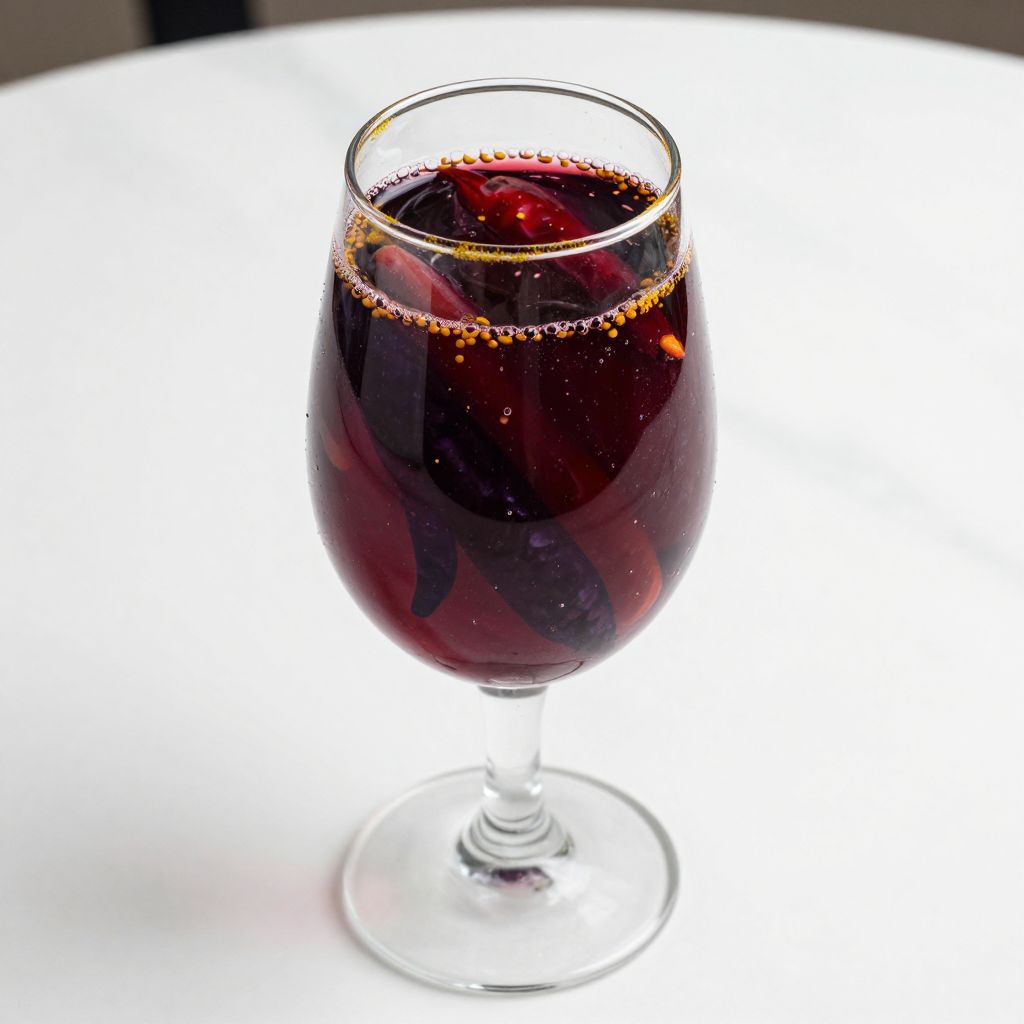
The fizz of fermentation and that distinctive tangy punch of kanji hitting your palate for the first time is something special. Kanji is a traditional Indian probiotic drink made from black carrots, spices, and the magic of fermentation, and it’s been nourishing families for generations.
This recipe deserves a spot in your kitchen because it’s ridiculously affordable, requires minimal hands-on time, and delivers serious health benefits with every sip. The deep burgundy color, peppery kick, and slightly fizzy texture make kanji a conversation starter at any table.
Why You’ll Love This Recipe
Kanji checks every box for a practical homemade ferment that actually tastes incredible and costs pennies to make.
- Packed with natural probiotics that support digestion and gut health
- No special ingredients or equipment needed, just a jar and patience
- Ready to drink in just 3 to 5 days with minimal intervention
- Naturally carbonated from fermentation, giving you that satisfying fizz
- A vibrant, spiced flavor that pairs beautifully with heavy meals and fried foods
My Experience Making This Recipe
I first made kanji on a whim after a friend raved about her grandmother’s batch, and I was instantly hooked. The process feels almost meditative: chopping black carrots, layering them with mustard seeds and chiles, then simply waiting for fermentation to work its magic.
What surprised me most was how alive the jar becomes by day two. You’ll see tiny bubbles rising through the liquid, hear a soft fizz when you open the lid, and watch the brine deepen to an almost jewel-like burgundy.
My family now requests kanji with every meal, especially during summers when the cooling, spiced kick cuts through rich curries beautifully. The best part? I’ve started fermenting larger batches because it vanishes so quickly.
Recipe Overview
- Recipe Name: Kanji (Black Carrot Fermented Drink)
- Servings: Makes about 1 liter (serves 8 to 10)
- Prep Time: 15 minutes
- Fermentation Time: 3 to 5 days
- Total Time: 3 to 5 days plus 15 minutes active
- Course: Beverage
- Cuisine: Indian
- Calories per Serving: 12
Equipment You Will Need
- 1-liter glass jar with a wide mouth
- Sharp knife for cutting carrots
- Cutting board
- Measuring spoons
- Spoon for stirring and layering
- Cloth or coffee filter for covering the jar
- Rubber band to secure the cloth
- Strainer or fine-mesh sieve
Ingredients for Kanji
- Black carrots: 500 grams (about 6 to 8 medium), cut into thin rounds or matchsticks
- Water: 1 liter (filtered or boiled and cooled)
- Salt: 2 tablespoons (sea salt or pickling salt)
- Mustard seeds: 1 tablespoon (yellow or brown)
- Red chiles: 2 to 3 whole dried (adjust to taste)
- Turmeric powder: 1/4 teaspoon
- Fenugreek seeds: 1/2 teaspoon (optional but traditional)
Ingredient Notes and Substitutions
- Black carrots: Their high anthocyanin content drives both the color and fermentation process. Regular orange carrots work but ferment more slowly and produce less vibrant color; use equal weight and add one extra day to fermentation.
- Salt: Salt creates an environment where beneficial bacteria thrive while suppressing harmful ones. Kosher salt works if sea salt is unavailable, though it may add slight cloudiness.
- Mustard seeds: These contribute a sharp, peppery bite and contain compounds that enhance fermentation. Brown mustard seeds deliver slightly more heat than yellow; use equal amounts.
- Red chiles: They add heat and antimicrobial properties that protect the ferment. Green chiles can substitute for a milder version, or omit entirely for no heat.
- Turmeric: This anti-inflammatory spice adds subtle earthiness and color depth. Omit if unavailable without major impact, though the flavor profile shifts slightly warmer.
How to Make Kanji
Step 1: Prepare Your Jar and Ingredients
Rinse your glass jar thoroughly with hot water and let it air-dry completely. Clean jars prevent unwanted mold and ensure your beneficial bacteria dominate the ferment.
Step 2: Cut the Black Carrots
Slice black carrots into thin rounds (about 1/4 inch thick) or cut them into matchsticks. Thinner pieces expose more surface area, speeding up fermentation and flavor extraction.
Step 3: Layer Carrots and Spices
Add a handful of carrot slices to the bottom of the jar, then sprinkle with a pinch of mustard seeds, a small piece of red chile, and a tiny bit of salt. Repeat this layering pattern until all carrots and spices are used, finishing with a carrot layer on top.
Step 4: Dissolve the Salt in Water
Pour the 1 liter of filtered or cooled boiled water into a separate container and stir in the 2 tablespoons of salt until fully dissolved. Salt water creates the brine that preserves vegetables and feeds fermentation.
Step 5: Pour the Brine Over Carrots
Carefully pour the salt water over the layered carrots and spices until everything is fully submerged. Submerged vegetables stay protected from mold and air exposure, which would ruin the ferment.
Step 6: Add Turmeric and Fenugreek
Sprinkle the turmeric powder and fenugreek seeds over the top of the brine, stirring gently to distribute. These spices release their antimicrobial and probiotic-boosting properties directly into the liquid.
Step 7: Cover and Set Up for Fermentation
Place a cloth or coffee filter over the jar mouth and secure it tightly with a rubber band. This setup lets carbon dioxide escape while blocking dust and insects from entering.
Step 8: Ferment at Room Temperature
Place the jar in a warm, dark corner of your kitchen away from direct sunlight. Fermentation happens fastest between 70 and 75 degrees Fahrenheit; cooler temperatures extend the timeline to 5 to 7 days.
Step 9: Taste and Strain When Ready
After 3 to 5 days, open the jar and take a small taste. The liquid should taste tangy, fizzy, and peppery; if you prefer more sourness, ferment another day or two.
Step 10: Strain and Store
Pour the kanji through a fine-mesh strainer into a clean bottle, pressing gently on the carrot pieces to extract all liquid. Discard the spent carrots and seal the bottle; kanji keeps refrigerated for 2 to 3 weeks and continues developing flavor slowly.
Pro Tip: The brine gets funkier and more probiotic-rich the longer you ferment, but if you notice fuzzy mold on the surface, toss the entire batch and start fresh.
Tips for the Best Kanji
- Use filtered water or boiled and cooled tap water to eliminate chlorine, which interferes with beneficial bacteria. Chlorine kills the very microbes you’re trying to cultivate.
- Keep your jar away from direct sunlight during fermentation. Light degrades color and can slow down the bacterial activity that creates that signature fizz.
- Don’t skip the mustard seeds or reduce the salt. These elements aren’t just flavor; they’re the framework that makes fermentation safe and successful.
- Taste your kanji daily starting around day three. Fermentation speed varies with temperature and humidity, so trust your palate over the clock.
- Reserve a few tablespoons of finished kanji to “seed” your next batch, which cuts fermentation time by a full day and ensures consistent flavor.
- Stir the jar gently once daily to keep the carrot pieces submerged and ensure even fermentation throughout the batch.
Common Mistakes to Avoid
- Using too little salt risks pathogenic bacteria taking over before beneficial ones establish. Your batch could spoil rather than ferment properly.
- Leaving carrots exposed above the brine invites mold growth and spoilage. Keep everything submerged using a cloth or small weight if needed.
- Fermenting in sunlight or heat above 85 degrees accelerates fermentation unpredictably, sometimes leading to over-sourness or weak fizz. Aim for steady, cool conditions.
- Sealing the jar too tightly traps too much pressure and risks the lid popping or the bottle cracking. Use a breathable cloth instead of an airtight seal.
- Using iodized table salt instead of sea or pickling salt introduces additives that cloud the brine and interfere with fermentation. Stick to pure salt.
Serving Suggestions
Kanji shines alongside rich, heavy foods where its cooling spice cuts through richness beautifully. Serve it chilled as a digestive or palate cleanser at the end of a meal.
- Alongside spicy curries, especially thick coconut or cream-based ones
- With fried snacks like samosas, pakoras, or bhajiya to aid digestion
- As a standalone digestive shot (2 to 3 ounces) after a heavy meal
- Mixed into smoothie bowls for a tangy, probiotic boost
- Served ice-cold as a refreshing summer drink on its own
Variations to Try
- Beet Kanji: Replace half the black carrots with raw beets for a deeper, earthier flavor and stunning magenta color. The fermentation time stays the same, and the beet sweetness balances the heat beautifully.
- Ginger and Garlic Kanji: Add 2 tablespoons of minced fresh ginger and 4 to 5 crushed garlic cloves to the brine. These boost both flavor intensity and probiotic potency, making the final drink more peppery and warming.
- Low-Salt Kanji: Reduce salt to 1.5 tablespoons if you’re sodium-conscious, though fermentation will take 5 to 7 days instead of 3 to 5. The lower salt creates a gentler brine that ferments more slowly.
- Herb-Infused Kanji: Add fresh curry leaves, cilantro stems, or a sprig of mint to the ferment. Herbs add aromatic complexity and make each sip feel fresher.
- Spicy Dragon Kanji: Double the red chiles and add one whole dried ghost pepper or habanero for serious heat lovers. The fermentation mellows the rawness slightly, but this version packs a true kick.
Dietary Adaptations
- Gluten-free: Kanji is naturally gluten-free as written; no changes needed.
- Dairy-free: Kanji contains no dairy and is completely suitable for dairy-free diets.
- Vegan and vegetarian: Kanji is entirely plant-based and works perfectly for vegan and vegetarian lifestyles.
- Low-carb/Keto: Kanji is naturally low in carbohydrates (only 3 grams per 8-ounce serving) and fits keto diets; no modifications required.
Storage and Reheating
Refrigerator
Strain finished kanji into a clean glass bottle and refrigerate immediately. Kanji keeps for 2 to 3 weeks in the fridge, though the flavor deepens and becomes more complex over time.
- Store in airtight bottles to preserve carbonation
- Keep away from the back of the fridge to avoid freezing
- Shake gently before serving, as sediment may settle
Freezer
Freezing stops fermentation and preserves kanji long-term, though you’ll lose most carbonation. Pour into ice cube trays or freezer-safe bottles, leaving a little headspace for expansion.
- Frozen kanji keeps for up to 3 months
- Thaw in the refrigerator and drink within a few days of thawing
- Don’t refreeze once thawed
Reheating
Kanji is best served cold straight from the fridge; no reheating needed. If you prefer room-temperature kanji, simply let it sit out for 30 minutes before serving.
- Never heat kanji on the stove, as heat kills beneficial probiotics
- Room-temperature kanji tastes less fizzy but retains all probiotic benefits
Nutrition Information
| Nutrient | Amount |
|---|---|
| Calories | 12 |
| Total Fat | 0.1g |
| Saturated Fat | 0g |
| Carbohydrates | 3g |
| Fiber | 0.5g |
| Sugar | 1.5g |
| Protein | 0.3g |
| Sodium | 480mg |
| Cholesterol | 0mg |
Nutrition values are based on an 8-ounce serving and may vary slightly depending on fermentation length and specific ingredients used. Values assume a 1-liter batch divided into 10 servings.
Frequently Asked Questions
Can I Use Regular Carrots Instead of Black Carrots?
Yes, regular orange carrots work, but fermentation takes 5 to 7 days instead of 3 to 5, and the color won’t be as striking. Orange carrots contain fewer anthocyanins, the compounds that drive both fermentation and that signature burgundy hue.
How Do I Know When Kanji Is Ready?
Taste it daily starting on day three. When the liquid is tangy, fizzy, and peppery to your liking, it’s done. Most batches reach peak flavor by day 4 or 5 at room temperature.
Is Kanji Safe If It Smells Strong?
A strong, funky, or slightly sour smell is completely normal and a sign of healthy fermentation. However, if you detect a foul, rotten, or nail-polish-remover smell, or see fuzzy mold on the surface, discard the batch immediately.
Can I Make Kanji Without Mustard Seeds?
Mustard seeds aren’t just flavor; they contain compounds that support fermentation and preserve the batch. You can reduce them slightly, but skipping them entirely makes spoilage more likely. If you don’t have mustard seeds, use fenugreek seeds or cumin seeds as a substitute.
Why Is My Kanji Not Fizzy?
Lack of fizz usually means fermentation happened too slowly or the jar was sealed too tightly. Try fermenting in a warmer spot (around 72 degrees Fahrenheit) and ensure your cloth cover allows gas to escape freely.
Can I Speed Up Fermentation?
Slightly warmer temperatures (up to 75 degrees) speed fermentation by a day or two, but temperatures above 85 degrees risk over-fermentation or unwanted flavors. You can also add 2 to 3 tablespoons of finished kanji from a previous batch to “seed” the new one, cutting fermentation time significantly.
Final Thoughts
Making kanji at home transforms what feels like a simple ingredient list into something genuinely alive and nourishing. This drink connects you to centuries of Indian food wisdom in the most tangible way possible.
Start your first batch this week and watch your kitchen become a little workshop of fermentation magic. Once you taste fresh, homemade kanji alongside your next meal, you’ll understand why families have been making it for generations.
Kanji (Black Carrot Fermented Drink)
Ingredients
Equipment
Method
- Rinse your glass jar thoroughly with hot water and let it air-dry completely to prevent unwanted mold and ensure beneficial bacteria dominate the ferment.
- Slice black carrots into thin rounds (about 1/4 inch thick) or cut them into matchsticks to expose more surface area for faster fermentation and flavor extraction.
- Add a handful of carrot slices to the bottom of the jar, then sprinkle with a pinch of mustard seeds, a small piece of red chile, and a tiny bit of salt. Repeat this layering pattern until all carrots and spices are used, finishing with a carrot layer on top.
- Pour the 1 liter of filtered or cooled boiled water into a separate container and stir in the 2 tablespoons of salt until fully dissolved.
- Carefully pour the salt water over the layered carrots and spices until everything is fully submerged.
- Sprinkle the turmeric powder and fenugreek seeds over the top of the brine, stirring gently to distribute.
- Place a cloth or coffee filter over the jar mouth and secure it tightly with a rubber band to let carbon dioxide escape while blocking dust and insects.
- Place the jar in a warm, dark corner of your kitchen away from direct sunlight at 70 to 75 degrees Fahrenheit for 3 to 5 days.
- Stir the jar gently once daily to keep the carrot pieces submerged and ensure even fermentation throughout the batch.
- After 3 to 5 days, open the jar and take a small taste. The liquid should taste tangy, fizzy, and peppery. If you prefer more sourness, ferment another day or two.
- Pour the kanji through a fine-mesh strainer into a clean bottle, pressing gently on the carrot pieces to extract all liquid. Discard the spent carrots and seal the bottle.
- Refrigerate immediately. Kanji keeps refrigerated for 2 to 3 weeks and continues developing flavor slowly. Serve chilled.