
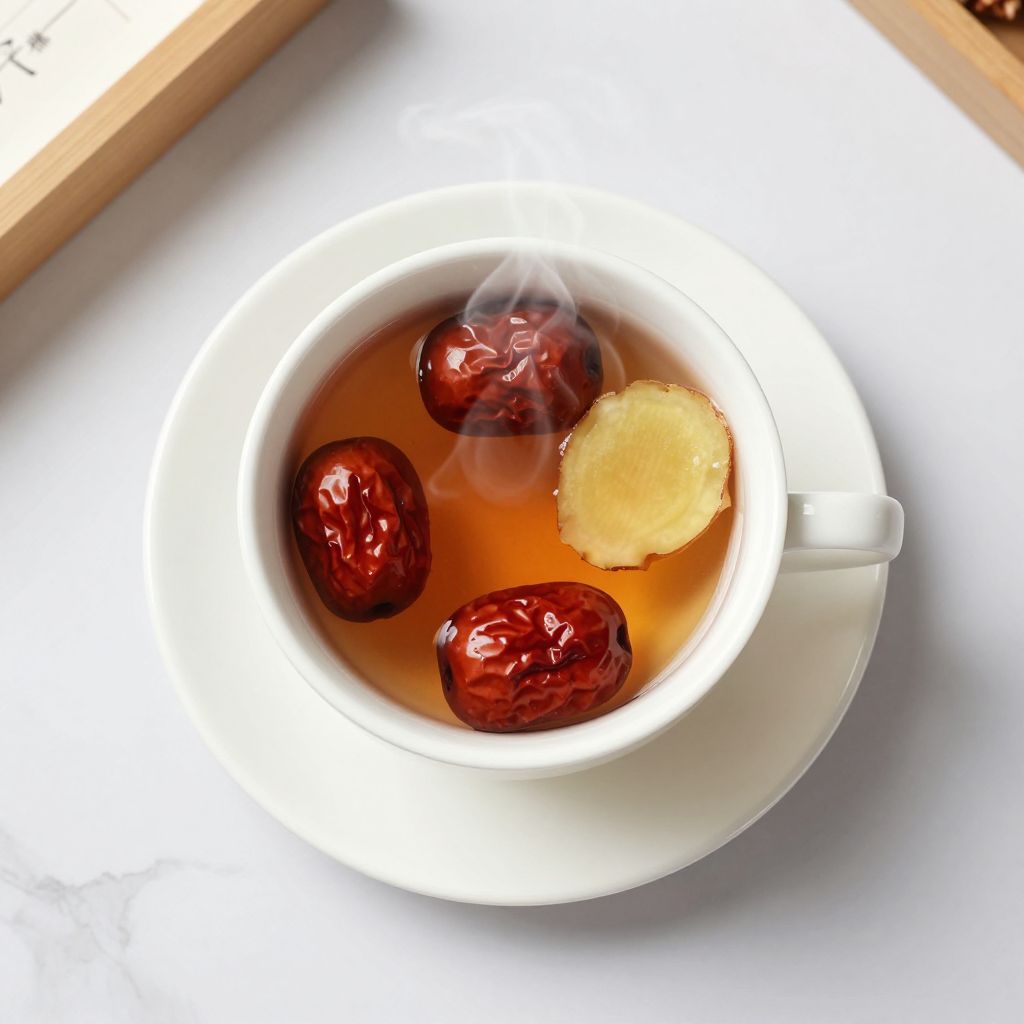
Picture yourself on a chilly afternoon, cradling a steaming cup of deep amber liquid that tastes like comfort wrapped in warmth. Jujube tea is a traditional Asian remedy that transforms these sweet, date-like fruits into a soothing beverage packed with natural sweetness and surprising health benefits.
This recipe is special because it requires just a handful of ingredients and minimal effort, yet delivers a drink that feels luxurious and intentional. The jujubes soften and release their honeyed flavor into hot water, creating something that tastes indulgent but is genuinely good for you.
What makes this tea stand out is its natural sweetness, lack of caffeine, and the way it warms you from the inside out. Whether you steep it for five minutes or let it brew longer for deeper flavor, you control the intensity.
Why You’ll Love This Recipe
Jujube tea delivers genuine comfort with almost zero fuss. This recipe appeals to anyone seeking a healthy alternative to sugary beverages or caffeinated drinks that keep them wired.
- Takes just 10 minutes from start to finish with minimal active work
- Naturally sweet with no added sugar required
- Caffeine-free, making it perfect for evening sipping
- Packed with vitamin C and antioxidants that support immunity
- One basic recipe that opens doors to endless flavor variations
My Experience Making This Recipe
I first tried jujube tea during a particularly stressful week when my shoulders lived somewhere near my ears. After one cup, I felt genuinely relaxed in a way that didn’t require me to zone out or sit down for hours.
The flavor surprised me most. I expected something herbal or medicinal, but instead I got this subtle sweetness reminiscent of honey and dried fruit with hints of caramel underneath.
My roommate became obsessed after tasting it and now keeps jujubes stocked like they’re going out of style. She swears by it before bed, and honestly, I’ve stopped questioning her dedication to this simple tea.
Recipe Overview
- Recipe Name: Jujube Tea
- Servings: 1 cup
- Prep Time: 2 minutes
- Cook Time: 5-8 minutes
- Total Time: 7-10 minutes
- Course: Beverage
- Cuisine: Asian
- Calories per Serving: 68
Equipment You Will Need
- Electric kettle or stovetop kettle
- Tea cup or mug (8-12 oz capacity)
- Spoon for stirring
- Strainer or tea infuser (optional but helpful)
- Small cutting board (if pitting jujubes)
- Knife (if pitting jujubes)
Ingredients for Jujube Tea
- Dried jujubes: 3-5 whole fruits (about 1 ounce)
- Hot water: 8-10 ounces (1 cup)
- Honey: 1 teaspoon (optional)
- Fresh ginger: 1 thin slice (optional)
- Red dates: 2-3 (optional addition for extra depth)
Ingredient Notes and Substitutions
- Dried jujubes are the star ingredient, providing natural sweetness and a chewy texture that softens beautifully in hot water. If you cannot find dried jujubes, fresh jujubes work in a pinch though they’ll yield less concentrated flavor and a shorter shelf life.
- Hot water should be around 200-212 degrees Fahrenheit for optimal flavor extraction without bitterness. Bottled spring water or filtered tap water works equally well and prevents mineral deposits.
- Honey adds depth and sweetness when the tea feels too subtle for your palate. Maple syrup or agave nectar serve as excellent substitutes with slightly different flavor profiles that complement the jujube base.
- Fresh ginger introduces warmth and a subtle spice that amplifies the tea’s comforting qualities. Ground ginger works if fresh is unavailable, though use only 1/4 teaspoon to avoid overwhelming the delicate jujube flavor.
- Red dates (jujubes are actually red dates) can be mixed with regular jujubes for layered complexity. They’re essentially the same fruit and provide no functional difference, just a slightly different drying method and size.
How to Make Jujube Tea
Step 1: Gather and Inspect Your Jujubes
Pull out your dried jujubes and inspect them for any debris or wrinkled skin that suggests age. Older jujubes will still work but may lack the vibrant flavor and tender texture of fresher dried fruit.
Step 2: Rinse the Jujubes
Quickly rinse your jujubes under cool running water while gently rubbing them with your fingers. This removes any dust or residue from storage without washing away the beneficial compounds that create the flavor.
Step 3: Pit the Jujubes (Optional)
If you prefer a smoother tea without bits of fruit floating around, slice each jujube lengthwise and remove the hard pit in the center. Leaving them whole creates a more rustic tea with added chewiness when you finish drinking.
Step 4: Heat Your Water
Pour 8-10 ounces of fresh water into your kettle and bring it to a boil. Using freshly boiled water ensures maximum flavor extraction and kills any potential bacteria that might be lurking.
Step 5: Add Jujubes to Your Cup
Place your prepared jujubes directly into your cup or into a strainer basket if you want an easier removal process later. A strainer prevents jujube pieces from floating into your mouth unexpectedly, though some people prefer the textural element.
Step 6: Add Optional Ingredients
If using ginger or additional red dates, add them now to your cup alongside the jujubes. These additions will soften and infuse alongside the main ingredients without requiring separate prep work.
Step 7: Pour Hot Water Over Everything
Carefully pour your hot water over the jujubes and other ingredients until the cup is nearly full. The water will immediately begin pulling color and sweetness from the jujubes, turning from clear to golden amber within seconds.
Step 8: Steep and Taste
Let the tea steep for 5-8 minutes, depending on how concentrated you want the flavor. Shorter steeping times yield a lighter, more delicate cup, while longer steeping extracts maximum sweetness and nutrition.
Step 9: Strain and Sweeten If Needed
Strain out the solid jujubes if using a loose-leaf method, or simply leave them in if you used a strainer basket. Taste the tea and add honey only if it needs additional sweetness, since the jujubes usually provide enough natural sugar.
Pro Tip: Don’t discard the steeped jujubes after brewing; eat them straight from the cup as a chewy treat or chop them into yogurt for extra texture and nutrition.
Tips for the Best Jujube Tea
- Use water that’s recently boiled but cooled slightly to 200 degrees if you have a thermometer. Water that’s too hot can over-extract tannins and create slight bitterness, while cooler water won’t extract enough flavor.
- Don’t over-steep your jujubes past 10 minutes unless you specifically want a very strong brew. Extended steeping doesn’t ruin the tea but can create an overly sweet, almost syrupy result that some people find cloying.
- Buy whole dried jujubes rather than pre-cut or powdered versions for superior flavor and longer shelf life. Whole fruits stay fresher longer and you control exactly how much you use for each cup.
- Keep your jujubes in an airtight container in a cool, dark place to maintain their quality for months. Exposure to light, heat, and humidity will dry them out further and diminish flavor intensity.
- Make a bigger batch in a teapot if serving multiple people or wanting leftovers to reheat. Scale the recipe proportionally, using about 3-5 jujubes per 8 ounces of water to maintain proper flavor balance.
- Experiment with water temperature and steep time to find your personal sweet spot for flavor intensity. Some people love barely-steeped light tea, while others prefer a robust, deeply flavored cup.
Common Mistakes to Avoid
- Using water that’s not hot enough will result in weak, bland tea with minimal flavor extraction. Boiling water matters because the heat is what coaxes the jujubes into releasing their flavor compounds.
- Choosing bright red jujubes that look almost candy-like often indicates artificial drying methods or added sugars. Authentic dried jujubes should appear darker, wrinkled, and natural without any sheen.
- Forgetting to rinse your jujubes before steeping means drinking a cup with dust and debris floating through it. A quick rinse takes five seconds and dramatically improves the cleanliness and mouthfeel of your finished tea.
- Adding honey or sweetener before tasting the tea means you might oversweeten and mask the subtle jujube flavor. Always taste first, then adjust sweetness to your preference.
- Leaving jujubes to steep overnight in water will create an overly thick, viscous tea that tastes almost fermented. Overnight steeping crosses the line from extraction into actual chemical changes that alter the flavor profile negatively.
Serving Suggestions
Serve your jujube tea hot in your favorite mug for maximum comfort and flavor, though it’s equally refreshing served over ice during warmer months. The versatility of this simple beverage makes it suitable for almost any time of day or mood.
- Pair with almond biscuits or sesame cookies for a light afternoon snack that complements the subtle sweetness
- Serve after a heavy meal to aid digestion with the natural properties of jujubes
- Enjoy alongside a meditation or quiet moment in the morning before the chaos of your day begins
- Offer to guests as a sophisticated alternative to coffee or standard tea that shows thoughtfulness
- Combine with a small piece of dark chocolate for a dessert-like experience that still feels light
Variations to Try
- Add dried lemongrass and a slice of fresh lemon for a bright, citrusy twist that cuts through the sweetness. This variation transforms the tea into something more refreshing and energizing while maintaining the jujube base.
- Steep jujubes with dried longan fruits and goji berries for a “wellness blend” that combines multiple nutrient-dense ingredients. The combination creates a more complex flavor profile that feels like a legitimate health tonic.
- Create a creamy version by whisking in a splash of almond milk or coconut milk after steeping. This addition softens the flavor and creates a luxurious mouthfeel without overwhelming the delicate jujube notes.
- Mix in a pinch of turmeric and black pepper for an anti-inflammatory golden milk style twist. The warming spices layer beautifully with the jujube sweetness and add the benefits of curcumin.
- Add star anise and a cinnamon stick while steeping for an autumnal spiced version that feels festive and cozy. These warm spices pair naturally with jujubes and create something that tastes like fall in a cup.
Dietary Adaptations
- Gluten-free: Jujube tea is naturally gluten-free, so no modifications needed unless using flavored additions that might contain gluten.
- Dairy-free: This recipe contains no dairy by default, so it’s automatically suitable for anyone avoiding milk products.
- Vegan: Jujube tea is completely vegan as written, with honey being the only ingredient to swap if you prefer agave or maple syrup instead.
- Low-carb or keto: Each serving contains about 15 grams of carbs primarily from jujubes, which may exceed strict low-carb limits, though moderate consumption fits most keto protocols.
- Sugar-free: Skip the honey entirely since jujubes provide natural sweetness that most people find sufficient without additional sweeteners.
Storage and Reheating
Refrigerator
Store brewed jujube tea in a covered glass container in the refrigerator for up to 3 days without significant flavor loss. The steeped jujubes can remain in the liquid or be removed depending on your preference for texture.
- Keep the container covered to prevent absorption of other fridge odors
- Strain out jujubes before storage if you prefer a cleaner liquid without settling
- Shake or stir gently before serving since some separation may occur
Freezer
Jujube tea can be frozen in ice cube trays for convenient single-serving portions lasting up to 2 months. This method works beautifully if you want to make cold jujube tea by thawing or adding the frozen cubes directly to warm water.
- Pour cooled tea into silicone ice cube trays for easy removal
- Label the cubes with the date for tracking freshness
- Use frozen cubes to chill hot tea instantly without diluting with regular ice
Reheating
Gently reheat refrigerated tea in a saucepan over low heat or in the microwave in 30-second intervals until warm. Avoid boiling since high heat can degrade some of the beneficial compounds in the tea.
- Stovetop reheating preserves flavor better than microwave methods
- Heat only the amount you plan to drink immediately to avoid repeated warming
- Add fresh hot water if the tea tastes too concentrated after refrigeration
Nutrition Information
| Nutrient | Amount |
|---|---|
| Calories | 68 |
| Total Fat | 0.2g |
| Saturated Fat | 0g |
| Carbohydrates | 15g |
| Fiber | 1.5g |
| Sugar | 12g |
| Protein | 1g |
| Sodium | 2mg |
| Cholesterol | 0mg |
Nutritional values are approximate and based on 3-5 whole dried jujubes in 8 ounces of water without added sweeteners. Individual values may vary depending on exact jujube size and your specific brewing method.
Frequently Asked Questions
Can I use fresh jujubes instead of dried ones?
Fresh jujubes will work but require longer steeping (10-15 minutes) and yield a lighter-flavored tea since the drying process concentrates the fruit’s sugars. You’ll need more fresh jujubes than the dried version to achieve comparable flavor intensity.
Is jujube tea safe to drink every day?
Yes, jujube tea is safe for daily consumption in reasonable amounts and offers benefits like improved digestion and immune support. Most people can safely drink 1-2 cups daily without concern, though those with specific health conditions should consult their doctor.
How long do dried jujubes stay fresh after opening?
Properly stored dried jujubes last 6-12 months in an airtight container in a cool, dark place. Over time they’ll become drier and slightly harder, but they remain safe to use and simply require slightly longer steeping.
Can I reuse the same jujubes for multiple infusions?
Absolutely, and many people reuse their jujubes 2-3 times for successive cups of tea. The second and third infusions will be progressively lighter but still flavorful, making this an economical choice.
What does jujube tea taste like if I’ve never tried it?
Jujube tea tastes like honey and dried dates with subtle caramel notes and a naturally sweet profile that requires no added sugar. The flavor is mild and soothing rather than bold or spicy, making it approachable for anyone who typically avoids herbal teas.
Can children drink jujube tea safely?
Yes, jujube tea is safe for children and offers immune-boosting benefits that parents appreciate. Keep the portions smaller and allow it to cool slightly before serving to little ones.
Where can I buy dried jujubes if my local stores don’t carry them?
Most Asian markets stock dried jujubes year-round in the tea or dried fruit section, usually at reasonable prices. Online retailers and specialty health food stores also carry them if you lack a nearby Asian market.
Final Thoughts
Making jujube tea became my favorite way to create a moment of intentional calm in an otherwise chaotic day. This recipe taught me that simplicity often holds more power than complexity, and that transforming just a few ingredients into something genuinely nourishing feels surprisingly luxurious.
Try this tea this week and notice how your body responds to its gentle warmth and natural sweetness. Once you discover your preferred steeping time and flavor variations, you’ll find yourself reaching for jujubes again and again.
If you love discovering soothing beverages, explore our collection of warming tea recipes including clove tea and dandelion tea for endless comfort in a cup.
Jujube Tea
Ingredients
Equipment
Method
- Inspect dried jujubes for debris and discard any that are shriveled or discolored.
- Rinse the jujubes under cool running water, rubbing gently to remove residue.
- If desired, slice each jujube lengthwise and remove the pit for a smoother tea.
- Bring 8-10 ounces of water to a boil (200-212°F) using an electric or stovetop kettle.
- Place the rinsed jujubes into your cup or infuser basket.
- Add fresh ginger slice and red dates if using, alongside the jujubes.
- Pour the hot water over the ingredients until the cup is nearly full.
- Steep the tea for 5-8 minutes, adjusting time for desired flavor intensity.
- Strain out the solids, taste the tea, and stir in honey if additional sweetness is needed.