
The first time I tasted a homemade ginger bug, I was instantly transported back to childhood summers, sipping fizzy drinks that actually tasted like real ginger instead of artificial sweetness. A ginger bug is a fermented ginger syrup that becomes the base for naturally carbonated sodas, and it’s one of the easiest fermentation projects you can make at home with just a jar, a few ingredients, and patience.
This recipe is special because it requires minimal equipment, costs pennies to make, and turns into something genuinely delicious that rivals any store-bought ginger ale. You get real ginger flavor, natural carbonation, and the satisfaction of knowing exactly what went into your drink.
Why You’ll Love This Recipe
Making a ginger bug at home gives you control over sweetness, spice level, and ingredient quality in ways commercial sodas never will. It’s a low-effort fermentation project that teaches you about probiotics and wild fermentation without any complicated techniques.
- Creates naturally carbonated drinks with zero artificial ingredients
- Takes just 5 minutes of actual hands-on work over 5 to 7 days
- Costs significantly less than bottled ginger ale or craft sodas
- Pairs perfectly with spirits for homemade cocktails or stands alone as a refreshing beverage
- Makes an impressive gift that shows genuine effort and thoughtfulness
My Experience Making This Recipe
I started making ginger bugs out of curiosity about fermentation, expecting something complex and temperamental. Within a week, I had a bubbly, spicy syrup that transformed plain soda water into something I actually craved.
The best part came when I served it to friends at a dinner party mixed with sparkling water and fresh lemon juice. Everyone asked for the recipe, assuming I’d bought it from some fancy local producer.
What surprised me most was how forgiving the process is. I forgot to feed mine for a day once and it bounced back perfectly fine, which made me realize this fermentation is genuinely beginner-friendly.
Recipe Overview
- Recipe Name: Ginger Bug
- Servings: Makes approximately 1 cup of concentrated syrup (10 to 12 servings)
- Prep Time: 5 minutes
- Active Fermentation Time: 5 to 7 days
- Total Time: 5 to 7 days plus 2 to 4 hours carbonation time
- Course: Beverage
- Cuisine: British (Traditional)
- Calories per Serving: 60 calories (per 1-ounce serving of syrup)
Equipment You Will Need
- One clean glass jar (1-quart or larger)
- Cheesecloth or coffee filter
- Rubber band or string
- Fine mesh strainer
- Small spoon or stir stick
- Bottle with a tight-sealing cap (for carbonation)
- Measuring spoons
- Grater (for fresh ginger)
Ingredients for Ginger Bug
- Fresh ginger root: 2 ounces, peeled and grated (about 1/4 cup)
- Organic sugar: 2 tablespoons
- Fresh lemon juice: 1/2 teaspoon
- Filtered or dechlorinated water: 1 cup
Ingredient Notes and Substitutions
- Fresh ginger root: Fresh ginger provides the essential flavor and spicy heat that defines a ginger bug, plus it contains natural bacteria and yeasts needed for fermentation. Dried ground ginger won’t ferment properly since it lacks living organisms, though you could use it for flavor in the final drink.
- Organic sugar: Sugar feeds the beneficial bacteria and wild yeasts that create carbonation. Unrefined cane sugar or coconut sugar work equally well, though avoid artificial sweeteners since they won’t ferment.
- Fresh lemon juice: Lemon juice adds acidity that creates an environment where beneficial bacteria thrive while inhibiting harmful microbes. Lime juice or white vinegar work as substitutes at the same ratio.
- Filtered or dechlorinated water: Chlorine in tap water kills the beneficial bacteria needed for fermentation. Boil tap water and let it cool, or use filtered water to ensure successful fermentation.
How to Make Ginger Bug
Step 1: Prepare Your Jar and Water
Wash your glass jar thoroughly with hot water and let it air dry completely. Use filtered water or tap water that you’ve boiled and cooled, since chlorine prevents fermentation from starting properly.
Step 2: Add the Base Ingredients
Pour 1 cup of cooled water into your clean jar. Add 2 tablespoons of organic sugar, 1/2 teaspoon of fresh lemon juice, and 2 tablespoons of freshly grated ginger to the jar.
Step 3: Stir Until Sugar Dissolves
Stir the mixture well with a clean spoon until the sugar completely dissolves, which takes about 30 seconds. You want the sugar fully incorporated so the beneficial bacteria can access it as food.
Step 4: Cover and Place in a Warm Location
Cover the jar loosely with cheesecloth or a coffee filter, securing it with a rubber band. Place the jar somewhere warm (between 65 and 85 degrees Fahrenheit) and away from direct sunlight, like a kitchen cupboard or pantry shelf.
Step 5: Feed Daily for Days One Through Five
Each day for the next five days, add 1 tablespoon of fresh grated ginger, 1 tablespoon of sugar, and 1/4 teaspoon of lemon juice to your jar. Stir gently but thoroughly, allowing the mixture to settle, then cover again loosely.
You’ll start seeing small bubbles around day two or three, which means fermentation is happening. This is the wild yeast and bacteria consuming the sugar and creating carbon dioxide.
Step 6: Observe the Fermentation Progress
By day five or six, your ginger bug should smell pleasantly yeasty and spicy with visible bubbles throughout. The liquid may look slightly cloudy, which is completely normal and indicates active fermentation.
If you don’t see bubbles by day four, your environment might be too cold. Move the jar somewhere warmer or wait another day or two.
Step 7: Strain and Bottle Your Ginger Bug
Place a fine mesh strainer over a bowl and pour your ginger bug through it, catching all the liquid while the ginger solids fall into the strainer. Press the ginger solids gently to extract any remaining liquid, then discard the solids.
Pour the strained liquid into a bottle with a tight-sealing cap. This concentrated syrup is your ginger bug base, and it will keep fermenting slowly in the fridge for several weeks.
Step 8: Carbonate Your Drink
To make your first batch of fizzy ginger drink, mix 1 ounce of your ginger bug syrup with 7 to 8 ounces of fresh sparkling water in a glass. You can also use filtered water in a bottle with an airlock cap and let it sit at room temperature for 2 to 4 hours to develop natural carbonation.
Taste as you go, adjusting the ratio of syrup to water based on how spicy and sweet you prefer your drink.
Pro Tip: Keep 2 tablespoons of your finished ginger bug syrup in the jar with fresh water, ginger, sugar, and lemon juice to create a continuous culture that produces new batches indefinitely, just like sourdough starter.
Tips for the Best Ginger Bug
- Use the most pungent fresh ginger you can find, as older ginger roots have more developed flavor compounds and beneficial microorganisms. Avoid ginger that’s soft or wrinkled.
- Keep your jar in a consistently warm spot rather than moving it around, since temperature fluctuations slow down fermentation. A kitchen cupboard away from exterior walls works perfectly.
- Never use tap water directly unless you’ve boiled it first, since chlorine actively kills the bacteria and yeasts you’re trying to cultivate. Filtered water is your safest bet.
- If you prefer a less spicy ginger bug, use slightly less ginger during the daily feedings or let it ferment one day less. You can always add more spice by using more syrup per serving.
- Taste your ginger bug on day five, and if it’s bubbly and spicy, you can bottle it then rather than waiting the full seven days. Fermentation speed depends on temperature and ambient bacteria in your kitchen.
- Keep the cheesecloth covering loose enough that carbon dioxide can escape but tight enough that dust and insects can’t get in. A rubber band works better than an airtight seal.
Common Mistakes to Avoid
- Using chlorinated tap water kills the wild yeasts and bacteria needed for fermentation. Always use filtered water or boiled and cooled tap water.
- Sealing the jar too tightly during the fermentation phase traps excess pressure and can cause the jar to crack. Keep the cheesecloth covering loose.
- Fermenting in a space that’s too cold (below 65 degrees) dramatically slows fermentation and can result in mold growth instead of beneficial fermentation. Find a warmer spot in your home.
- Forgetting to feed your ginger bug for multiple days in a row can starve the beneficial bacteria, resulting in weak or no carbonation in your final drink. Daily feeding for five to seven days is essential.
- Using non-organic sugar treated with pesticides can inhibit fermentation slightly, though it usually still works. Organic sugar gives faster, more reliable results.
Serving Suggestions
A ginger bug shines when mixed with sparkling water for a naturally carbonated ginger ale, but it’s equally good in cocktails, mocktails, or even drizzled over ice cream. The syrup itself is concentrated and spicy, so think of it as a flavor ingredient rather than a finished drink.
- Mix with sparkling water and fresh lemon juice for a classic homemade ginger ale
- Combine with bourbon and fresh mint for a sophisticated ginger bug old fashioned
- Blend with vodka, lime juice, and fresh basil for a refreshing summer cocktail
- Stir into hot tea or warm apple cider for a spicy cold-weather drink
- Drizzle a small amount over vanilla ice cream or Greek yogurt for tangy ginger flavor
Variations to Try
- Spicy Ginger Bug: Add a thin slice of fresh hot chile (like cayenne or habanero) during the fermentation phase for heat that builds on the back of your tongue. This creates a drink that’s genuinely peppery.
- Turmeric Ginger Bug: Replace half the ginger with fresh turmeric root for an earthy, anti-inflammatory drink with warm golden color. The turmeric adds a subtle bitterness that balances the sweetness.
- Citrus Ginger Bug: Add thin strips of fresh lime zest or orange peel during fermentation for bright citrus notes without the acidity of juice. This works especially well in cocktails.
- Herbal Ginger Bug: Add a small sprig of fresh rosemary, thyme, or sage during the fermentation phase for aromatic complexity. Start with just one herb so you can taste its impact clearly.
- Less Sweet Version: Use only 1 tablespoon of sugar per daily feeding instead of the full amount for a drier, more sophisticated finished drink. This works better in cocktails where you don’t want excessive sweetness.
Dietary Adaptations
- Gluten-Free: This recipe is naturally gluten-free, and all ingredients are typically gluten-free by nature. Just verify that any packaged ingredients you use are certified gluten-free if you have celiac disease.
- Dairy-Free: The ginger bug contains zero dairy in any form, so it’s perfectly safe for anyone avoiding dairy. It makes an excellent base for non-dairy cocktails and mocktails.
- Vegan: This recipe is completely vegan since it relies entirely on fermented ginger, sugar, and lemon juice with no animal products. Use organic cane sugar to ensure no bone char was used in processing.
- Low-Carb or Keto: Use a keto-friendly sweetener like erythritol or monk fruit during fermentation, though the fermentation process may work slightly differently. Test this thoroughly before serving to guests, as some sweeteners ferment unpredictably.
Storage and Reheating
Refrigerator
Your finished ginger bug syrup keeps in a sealed bottle in the refrigerator for 2 to 4 weeks, though it slowly loses carbonation and fermentation activity over time. The longer it sits, the mellower the flavor becomes, which some people prefer.
- Store in a glass bottle with a tight-sealing cap
- Keep away from direct light
- Check for any signs of mold (white fuzzy growth) before use
- Smell the syrup if you’re unsure about freshness; it should smell pleasantly yeasty and spicy, never vinegary or off
Freezer
You can freeze ginger bug syrup in ice cube trays for months, which is convenient for adding small amounts to drinks without opening a bottle. This method works especially well if you make large batches.
- Pour into silicone ice cube trays or small freezer containers
- Label with the date so you remember when you made it
- Thaw at room temperature before using
- Frozen syrup keeps for up to 3 months with no flavor loss
Reheating
Ginger bug syrup is consumed cold or at room temperature, never heated, since heat kills the beneficial bacteria and destroys the fermented qualities. If you want to use it in a hot beverage, add it after the drink has cooled slightly.
- Pour room temperature syrup into cold water or sparkling water
- Stir gently to combine
- Serve immediately over ice
- Never boil ginger bug syrup as heat destroys the living cultures
Nutrition Information
| Nutrient | Amount |
|---|---|
| Calories | 60 |
| Total Fat | 0g |
| Saturated Fat | 0g |
| Carbohydrates | 15g |
| Fiber | 0g |
| Sugar | 14g |
| Protein | 0g |
| Sodium | 10mg |
| Cholesterol | 0mg |
Nutrition facts are based on 1 ounce of concentrated ginger bug syrup, which is the typical serving size when mixed with sparkling water or other beverages. When diluted in a full drink, the calories per serving drop significantly.
Frequently Asked Questions
Can I use ground ginger instead of fresh ginger?
Ground ginger won’t ferment because it lacks the living organisms and moisture fresh ginger provides. You can add ground ginger for extra flavor in your finished drink, but fresh ginger is essential for the initial fermentation.
How long can I keep feeding my ginger bug indefinitely?
You can maintain a ginger bug culture indefinitely by keeping back 2 tablespoons after bottling and feeding it fresh ginger, sugar, and lemon juice. This works exactly like sourdough starter, creating a self-sustaining fermentation.
What if my ginger bug smells like vinegar?
A strong vinegar smell means the fermentation has progressed to the acetification stage, where the liquid becomes quite acidic. This is still safe to drink but will taste very sour, so use it more sparingly or start a fresh batch.
Why isn’t my ginger bug carbonating?
Lack of carbonation usually means the fermentation wasn’t active enough, often from too-cold temperatures or chlorinated water killing the cultures. Ensure you’re fermenting at 65 to 85 degrees and using filtered or boiled water.
Can I use brown sugar or other sweeteners?
Brown sugar ferments just as well as white sugar and adds subtle molasses notes to the final drink. Avoid artificial sweeteners entirely, as they don’t ferment and won’t produce carbonation.
Is the ginger bug safe if I see white foam on top?
White foam is just yeast activity and is completely safe, indicating vigorous fermentation. This is a positive sign that your culture is strong and active.
How much ginger bug syrup should I use per serving?
Start with 1 ounce of syrup per 7 to 8 ounces of sparkling water, then adjust based on your preference for spice and sweetness. Some people prefer it stronger at 1 ounce per 6 ounces of water, while others like it milder.
Final Thoughts
Making a ginger bug transforms you from a passive consumer into someone who actually understands where their food and drinks come from. In five to seven days of minimal effort, you’ve created something genuinely better than anything you can buy at a store.
Start your first batch this week, and I promise you’ll be amazed at how simple fermentation really is. Once you taste your own homemade ginger ale with that natural sparkle and real ginger bite, you’ll
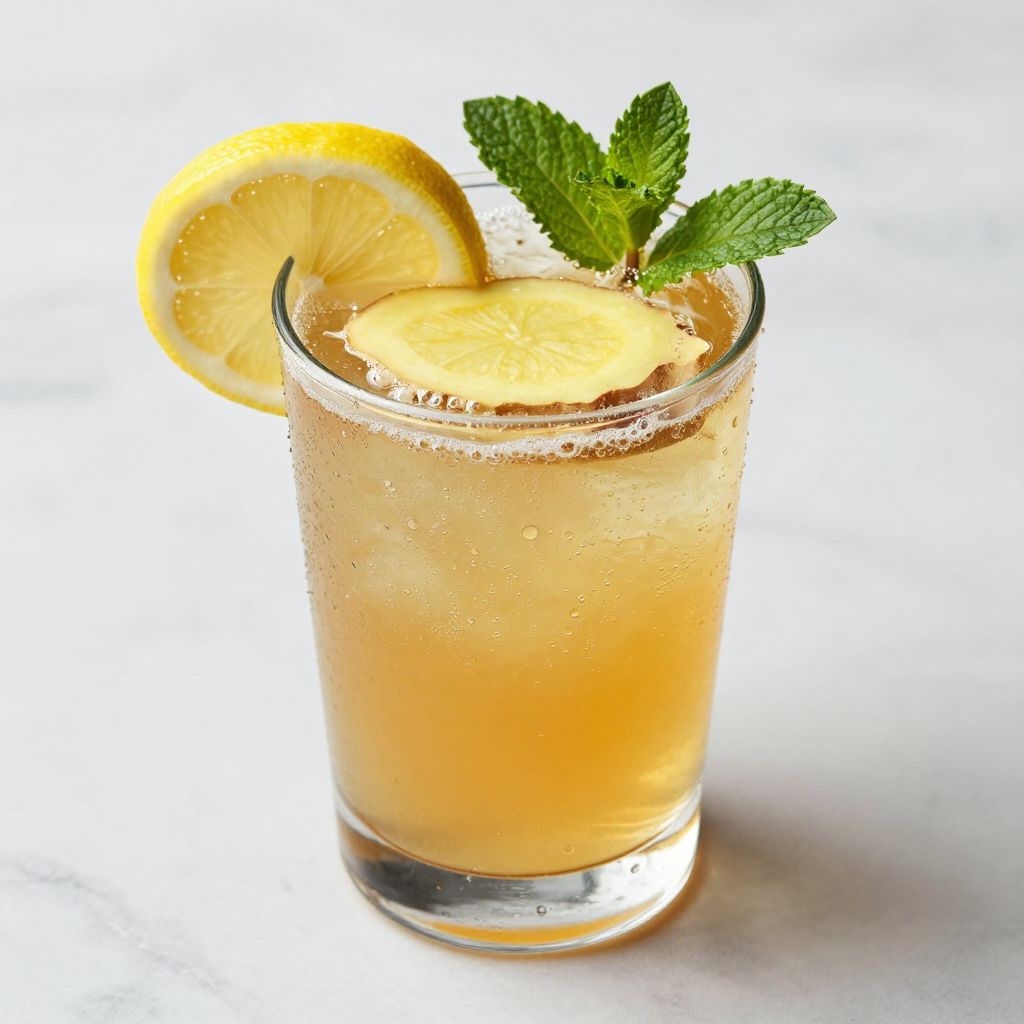
Ginger Bug
Ingredients
Equipment
Method
- Wash your glass jar thoroughly with hot water and let it air dry completely. Use filtered water or tap water that you've boiled and cooled.
- Pour 1 cup of cooled water into your clean jar. Add 2 tablespoons of organic sugar, 1/2 teaspoon of fresh lemon juice, and 2 tablespoons of freshly grated ginger to the jar.
- Stir the mixture well with a clean spoon until the sugar completely dissolves, which takes about 30 seconds.
- Cover the jar loosely with cheesecloth or a coffee filter, securing it with a rubber band. Place the jar somewhere warm (between 65 and 85 degrees Fahrenheit) and away from direct sunlight.
- Each day for the next five days, add 1 tablespoon of fresh grated ginger, 1 tablespoon of sugar, and 1/4 teaspoon of lemon juice to your jar. Stir gently but thoroughly, then cover again loosely.
- Observe the fermentation progress. You'll start seeing small bubbles around day two or three. By day five or six, your ginger bug should smell pleasantly yeasty and spicy with visible bubbles throughout.
- Place a fine mesh strainer over a bowl and pour your ginger bug through it. Press the ginger solids gently to extract any remaining liquid, then discard the solids.
- Pour the strained liquid into a bottle with a tight-sealing cap. Store in the refrigerator for up to 2 to 4 weeks.
- To make a fizzy ginger drink, mix 1 ounce of your ginger bug syrup with 7 to 8 ounces of fresh sparkling water in a glass. Adjust the ratio based on how spicy and sweet you prefer your drink.