
Picture yourself on a late summer afternoon, the kitchen warm and fragrant with the sweet, jammy aroma of fresh blueberries simmering into something far more magical than jam. Blueberry wine is a fruit wine that transforms those plump, juicy berries into a smooth, elegant drink you can sip months later and feel genuinely proud you made it yourself.
This recipe appeals to home winemakers of all experience levels, whether you’re making your first batch or your tenth. The process takes patience rather than skill, and the result is a naturally sweet wine with deep berry flavor and a gorgeous deep purple hue that impresses everyone who tastes it.
Why You’ll Love This Recipe
Making wine at home feels like a small miracle, and homemade blueberry wine delivers that magic without requiring a basement full of equipment or years of experience.
- Simple ingredients you can find at any grocery store or online supplier.
- A smooth, naturally sweet finish that appeals even to people who claim they don’t like wine.
- A beautiful deep purple color that makes your kitchen smell incredible during fermentation.
- Relatively forgiving fermentation process compared to grape wine.
- An affordable way to turn bulk blueberries into a shelf-stable drink that lasts for months.
My Experience Making This Recipe
I made my first batch of blueberry wine on a whim after finding a five-pound flat of blueberries on sale at the farmer’s market. I had zero winemaking experience, just curiosity and a spare gallon jar.
The first few weeks were honestly messy. Fruit flies became my unwanted roommates, and I second-guessed myself constantly, wondering if the fuzzy white layer on top was yeast doing its job or the beginning of disaster. Three months in, I cracked open the first bottle and tasted something incredible: bright, fruity, naturally sweet, and genuinely smooth.
My partner and I finished that first batch in embarrassingly quick time, and I immediately bought more blueberries. Now I make at least two gallons every summer, and friends actually ask if I have any left to share.
Recipe Overview
- Recipe Name: Blueberry Wine
- Servings: Makes approximately 5 bottles (750 ml each)
- Prep Time: 30 minutes
- Fermentation Time: 3 to 4 months
- Total Time: 3 to 4 months (active time is minimal)
- Course: Beverage
- Cuisine: Home Winemaking
- Alcohol Content: Approximately 10 to 12 percent ABV
Equipment You Will Need
- One-gallon glass carboy or food-grade plastic fermenter
- Airlock and rubber stopper (to fit your carboy)
- Large stainless steel pot (for sterilizing)
- Long wooden spoon or plastic stirring rod
- Hydrometer (optional but helpful for tracking fermentation)
- Siphon and tubing for racking
- Funnel
- Cheesecloth or fine mesh strainer
- Wine bottles and corks (or screw caps)
- Corking tool (if using traditional corks)
- Measuring cups and spoons
- Scale (for accurate ingredient measurements)
Ingredients for Blueberry Wine
- Fresh blueberries: 5 pounds, washed and crushed
- Sugar: 2.5 pounds (or 1,135 grams for precision)
- Water: 1 gallon (128 fluid ounces)
- Wine yeast: 1 packet (5 grams) of Champagne yeast or other wine yeast
- Yeast nutrient: 1 teaspoon
- Tartaric acid or lemon juice: 1/4 teaspoon tartaric acid or juice from 2 lemons (for acidity balance)
- Potassium sorbate: 1/2 teaspoon (optional, to halt fermentation if desired)
- Potassium metabisulfite (campden tablets): 1 tablet (optional, for sterilization)
Ingredient Notes and Substitutions
- Fresh blueberries: Fresh berries provide the best flavor and color; frozen blueberries work but yield slightly less intense flavor. If using frozen, thaw them completely and drain excess liquid before crushing.
- Wine yeast: Champagne yeast ferments cleanly and handles higher alcohol levels well; bread yeast produces off-flavors and won’t ferment completely. Specific wine yeast strains matter more here than in any other part of the recipe.
- Sugar: Granulated white sugar dissolves easily and ferments predictably; do not substitute brown sugar, which imparts molasses notes that clash with delicate berry flavor.
- Yeast nutrient: This powder provides nitrogen and minerals that help yeast ferment thoroughly; without it, fermentation can stall partway through. Nutritional yeast does not work as a substitute.
- Tartaric acid or lemon juice: Blueberries are relatively low in acid, so this addition prevents flatness and aids fermentation; fresh lemon juice works perfectly if you lack tartaric acid.
How to Make Blueberry Wine
Step 1: Sanitize Your Equipment
Cleanliness determines whether your wine turns into vinegar or stays delicious, so do not skip this step. Wash your carboy, airlock, stopper, and any other equipment with hot water and a bottle brush, then rinse thoroughly with hot water until no soap remains.
If you want to use potassium metabisulfite solution for extra insurance, mix one campden tablet with a cup of water and soak your equipment for 15 minutes, then rinse again with hot water. This kills wild yeasts and bacteria that might compete with your wine yeast.
Step 2: Prepare the Blueberries
Rinse your five pounds of fresh blueberries under cool running water and pat them dry. Place them in a large pot and crush them by hand, with a potato masher, or by mashing with the back of a wooden spoon until most berries are broken open and releasing juice.
You do not need to extract all the juice; leaving some whole berries is fine. The mashing simply exposes more surface area for the yeast to access the sugars and flavor compounds inside the fruit.
Step 3: Combine Water, Sugar, and Blueberries
Pour one gallon of filtered or distilled water into your large pot. Add the 2.5 pounds of sugar and stir until the sugar dissolves completely; this usually takes about five minutes of stirring over medium heat.
Add the crushed blueberries to the sweetened water and stir well. Let the mixture cool to room temperature before transferring it to your carboy; hot liquid can kill your yeast, so patience here prevents disaster.
Step 4: Add Acid and Yeast Nutrient
Once the blueberry liquid has cooled to room temperature, add the tartaric acid or lemon juice and one teaspoon of yeast nutrient. Stir gently but thoroughly to distribute the acid and nutrient evenly throughout the must (winemaker speak for “grape juice or fruit juice about to ferment”).
These additions adjust the pH balance and provide nutrients that help your yeast ferment vigorously and cleanly. Skipping them often results in sluggish fermentation that can fail halfway through.
Step 5: Transfer to Carboy and Strain
Pour the blueberry mixture into your sanitized carboy using a funnel, leaving about two inches of headspace at the top. Place a piece of cheesecloth over the mouth to keep dust and insects out while you prepare the yeast.
This headspace prevents overflow during the vigorous bubbling stage of fermentation, which typically begins within 24 hours. Too much fruit pulp in the carboy slows fermentation, so do not worry if some settles; the yeast will work through it.
Step 6: Rehydrate and Pitch the Yeast
Pour about one quarter cup of the blueberry liquid into a separate cup and let it cool to 70 to 75 degrees Fahrenheit. Sprinkle your wine yeast into this small amount of liquid and let it sit undisturbed for 10 to 15 minutes to rehydrate.
After rehydrating, stir the yeast mixture gently and pour it into the carboy with the rest of the blueberry must. Stir the whole mixture slowly and carefully for about a minute to combine, then cover the carboy with the rubber stopper and airlock.
Step 7: Monitor Fermentation
Place your carboy in a cool, dark corner where the temperature stays between 60 and 75 degrees Fahrenheit, away from direct sunlight and temperature swings. Within 24 to 48 hours, you should see vigorous bubbling through the airlock as yeast begins converting sugar into alcohol.
For the first few weeks, the airlock will bubble rapidly, then slow down over time. This is normal and expected; do not interfere or worry. If you have a hydrometer, you can track the fermentation by measuring the specific gravity every week, watching it drop as sugar converts to alcohol.
Step 8: Primary Fermentation and Racking
After two to three weeks, the vigorous bubbling slows considerably and the fruit solids begin settling to the bottom. This is the right time to rack (siphon) the liquid off the fruit solids and into a clean, sanitized carboy, leaving the sludge (called “lees”) behind.
Use a clean siphon and tubing to carefully transfer the clearer wine into a fresh carboy, leaving the settled fruit and pulp in the original vessel. This prevents off-flavors from developing as the fruit sits too long in the finished wine.
Step 9: Secondary Fermentation
Install a fresh airlock on the new carboy and continue fermentation in a cool, dark place. The fermentation will slow dramatically now, with just occasional bubbles every few minutes instead of rapid, vigorous bubbling.
Leave it undisturbed for another four to six weeks. Most of the remaining sugar will convert to alcohol during this quieter phase, and the wine will begin clearing as yeast settles to the bottom again.
Step 10: Final Racking and Optional Stabilization
After four to six weeks of secondary fermentation, rack the wine one more time into a clean carboy, leaving the yeast sediment behind. At this point, you can add one half teaspoon of potassium sorbate if you want to stop fermentation and create a slightly sweeter final wine.
If you skip the potassium sorbate, fermentation may continue slowly over several more weeks until the yeast consumes all the sugar. Either approach yields good wine; it simply determines whether your final product is dry or slightly sweet.
Step 11: Bulk Aging and Clarification
Cap your carboy with an airlock and let the wine age in cool darkness for at least one more month, ideally two or three. During this time, the wine continues to clarify and mellow as flavor compounds develop and yeast sediment continues settling.
You do not need to do anything; just leave it alone and let time do the work. This patience is where wine differs from beer; rushing this step results in cloudy, harsh wine that has not matured properly.
Step 12: Bottling
When the wine is clear and you are satisfied with the flavor (usually three to four months after you started), it is time to bottle. Rack the wine one final time into clean bottles, leaving any sediment in the carboy, and seal with corks or screw caps.
If using cork, use a corking tool to insert the cork firmly into the bottle. If using screw caps, just twist them on snugly. Store the bottles upright (for screw caps) or on their side (for cork) in a cool, dark place.
Pro Tip: The most common reason homemade blueberry wine fails is fermentation stopping prematurely due to cold temperatures or dead yeast, so keep your carboy consistently between 65 and 70 degrees Fahrenheit and always use fresh wine yeast.
Tips for the Best Blueberry Wine
- Use fresh, ripe blueberries for the deepest color and flavor; underripe berries produce thin, pale wine that tastes flat and boring.
- Invest in a hydrometer if you make wine more than once; it removes guesswork and lets you see exactly when fermentation finishes.
- Keep your fermentation vessel in a consistently cool location away from direct sunlight; temperature swings stress yeast and produce off-flavors.
- Do not open the carboy or remove the airlock to “check on” the wine during fermentation; every time you expose it to air, you risk oxidation and contamination.
- Taste small samples as the wine ages and bottle when it tastes smooth and balanced to your preference; some people prefer it bone-dry, others like residual sweetness.
- Age bottled wine for at least two months before drinking to let the harsh, yeasty flavors mellow and integrate; good things truly come to those who wait.
Common Mistakes to Avoid
- Using bread yeast instead of wine yeast produces a harsh, cidery flavor and will not ferment completely; wine yeast strains are specifically bred to handle alcohol and high sugar.
- Skipping the yeast nutrient leads to stuck fermentation that stops midway, leaving you with a sweet, incomplete beverage that tastes wrong.
- Fermenting in warm temperatures above 75 degrees Fahrenheit produces vinegary, hot-alcohol flavors that you cannot fix once the wine is made.
- Bottling too early while fermentation is still active causes bottles to build pressure and explode, creating a sticky, dangerous mess.
- Neglecting to sanitize equipment allows wild yeasts and bacteria to contaminate your wine and turn it into vinegar or off-flavored sludge.
Serving Suggestions
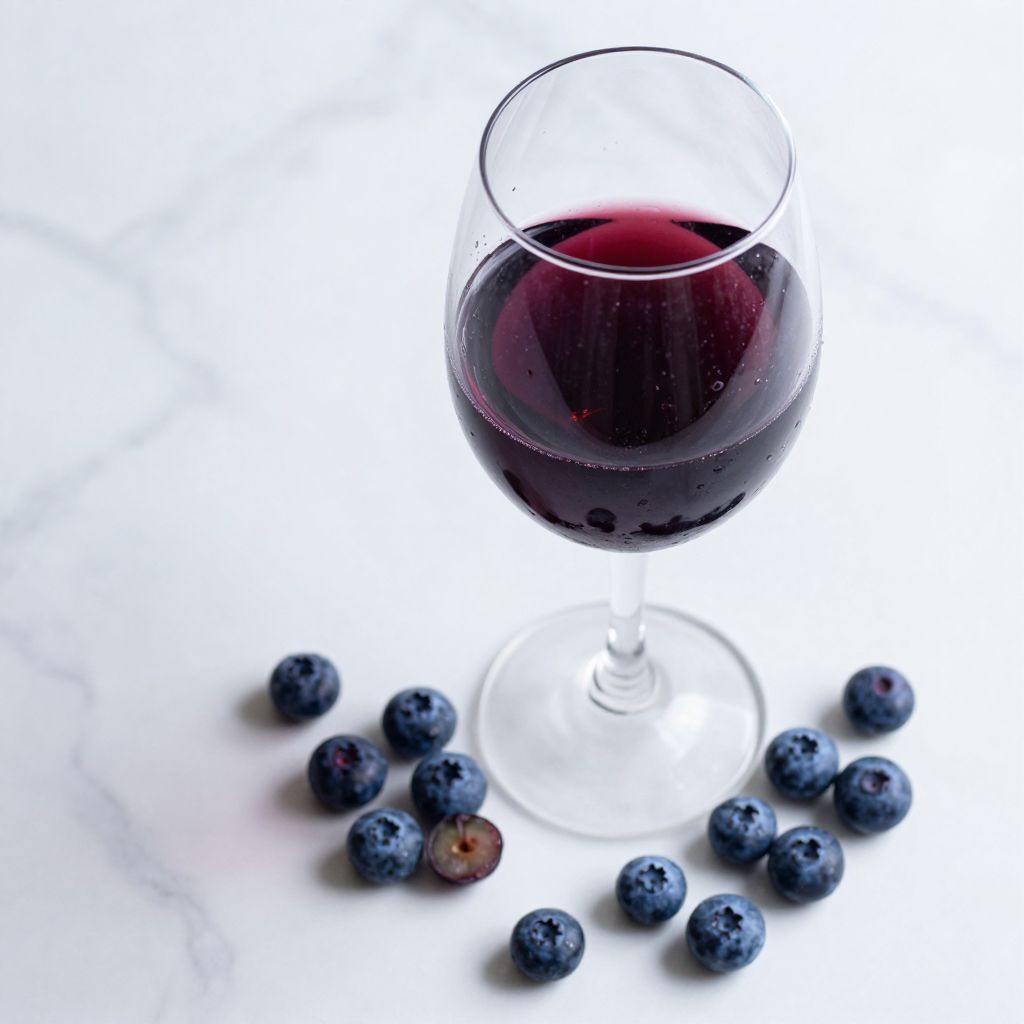
Blueberry wine tastes best chilled and served in regular wine glasses, allowing the color and aroma to shine. It pairs beautifully with desserts, cheese, and even savory dishes that benefit from fruity sweetness.
- Serve with dark chocolate desserts or brownies for a sophisticated flavor combination.
- Pair with creamy cheeses like brie or goat cheese on a charcuterie board.
- Enjoy alongside berry-based pastries or fruit tarts to echo the blueberry flavor.
- Mix into sparkling water or champagne for a festive blueberry wine spritzer.
- Serve as an after-dinner sipper on its own, slightly chilled in a small glass.
Variations to Try
- Blueberry and blackberry wine: Replace one pound of blueberries with one pound of blackberries for deeper, more complex berry flavor with slightly more tannins.
- Spiced blueberry wine: Add one cinnamon stick and three whole cloves to the must during primary fermentation for warming spice notes that complement blueberry beautifully.
- Honey blueberry wine (mead style): Replace one pound of sugar with one pound of raw honey for a smoother, more complex sweetness and a touch of floral notes.
- Blueberry and ginger wine: Add two tablespoons of fresh ginger slices during primary fermentation for a subtle spicy kick that brightens the fruit flavor.
- Higher alcohol blueberry wine: Increase sugar to 3 pounds for a finished wine with 13 to 14 percent ABV, though fermentation may take longer with extra sugar.
Dietary Adaptations
- Gluten-free: All naturally fermented fruit wine is gluten-free; wine yeast does not contain gluten, making this recipe naturally suitable for gluten-free diets.
- Vegan: Wine yeast is vegan, but check that any clarifying agents used are plant-based; skipping clarification is fine if you prefer a slightly cloudier wine.
- Low-sugar finished wine: Use wine yeast and ferment completely until the airlock stops bubbling for at least two weeks, producing bone-dry wine with minimal residual sugar.
- Diabetic-friendly: Allow fermentation to complete fully without adding potassium sorbate; the result is dry wine with negligible sugar content, though alcohol content remains.
Storage and Reheating
Refrigerator
Bottled blueberry wine keeps in a cool, dark pantry or cabinet for one to two years without refrigeration. If you open a bottle, stopper it tightly and refrigerate it for up to two weeks before the flavor begins deteriorating.
- Store unopened bottles upright if using screw caps, or on their side if using cork.
- Keep refrigerated opened bottles away from light and heat sources.
Freezer
Freezing blueberry wine is not recommended, as it can damage the flavor and cause cork to push out of bottles due to expansion. The high alcohol content makes long-term room-temperature storage superior to freezing.
- If storage space is extremely limited, freezing in airtight glass containers for short periods is acceptable.
Reheating
Blueberry wine is not typically heated or reheated, though it can be served warm as a mulled wine. If you want to make mulled blueberry wine, gently warm it in a saucepan with spices like cinnamon and clove, but do not boil, as boiling evaporates alcohol.
- Heat to about 160 degrees Fahrenheit for a warming spiced wine without damaging the delicate fruit flavor.
Nutrition Information
| Nutrient | Amount |
|---|---|
| Calories | 120 |
| Total Fat | 0 g |
Blueberry Wine
Ingredients
Equipment
Method
- Wash your carboy, airlock, stopper, and any other equipment with hot water and a bottle brush, then rinse thoroughly with hot water until no soap remains. If using potassium metabisulfite solution, mix one campden tablet with a cup of water and soak equipment for 15 minutes, then rinse again.
- Rinse 5 pounds of fresh blueberries under cool running water and pat them dry. Place them in a large pot and crush them by hand, with a potato masher, or by mashing with the back of a wooden spoon until most berries are broken open and releasing juice.
- Pour 1 gallon of filtered or distilled water into your large pot. Add 2.5 pounds of sugar and stir until the sugar dissolves completely over medium heat, about 5 minutes. Add the crushed blueberries to the sweetened water and stir well. Let the mixture cool to room temperature.
- Once the blueberry liquid has cooled to room temperature, add the tartaric acid or lemon juice and 1 teaspoon of yeast nutrient. Stir gently but thoroughly to distribute the acid and nutrient evenly throughout the must.
- Pour the blueberry mixture into your sanitized carboy using a funnel, leaving about 2 inches of headspace at the top. Place a piece of cheesecloth over the mouth to keep dust and insects out while you prepare the yeast.
- Pour about 1/4 cup of the blueberry liquid into a separate cup and let it cool to 70 to 75 degrees Fahrenheit. Sprinkle your wine yeast into this small amount of liquid and let it sit undisturbed for 10 to 15 minutes to rehydrate. After rehydrating, stir the yeast mixture gently and pour it into the carboy with the rest of the blueberry must. Stir the whole mixture slowly for about a minute to combine, then cover the carboy with the rubber stopper and airlock.
- Place your carboy in a cool, dark corner where the temperature stays between 60 and 75 degrees Fahrenheit, away from direct sunlight. Within 24 to 48 hours, you should see vigorous bubbling through the airlock. Monitor for 2-3 weeks as fermentation progresses.
- After 2 to 3 weeks when vigorous bubbling slows considerably and fruit solids settle to the bottom, use a clean siphon and tubing to carefully transfer the clearer wine into a fresh, sanitized carboy, leaving the settled fruit and pulp behind.
- Install a fresh airlock on the new carboy and continue fermentation in a cool, dark place for another 4 to 6 weeks. The fermentation will slow dramatically with just occasional bubbles.
- After 4 to 6 weeks of secondary fermentation, rack the wine one more time into a clean carboy, leaving the yeast sediment behind. At this point, you can add 1/2 teaspoon of potassium sorbate if you want to stop fermentation and create a slightly sweeter final wine.
- Cap your carboy with an airlock and let the wine age in cool darkness for at least 1 more month, ideally 2 or 3 months. During this time, the wine continues to clarify and mellow.
- When the wine is clear and you are satisfied with the flavor (usually 3 to 4 months after you started), rack the wine one final time into clean bottles, leaving any sediment in the carboy. Seal with corks or screw caps using a corking tool if needed. Store bottles upright (for screw caps) or on their side (for cork) in a cool, dark place.