
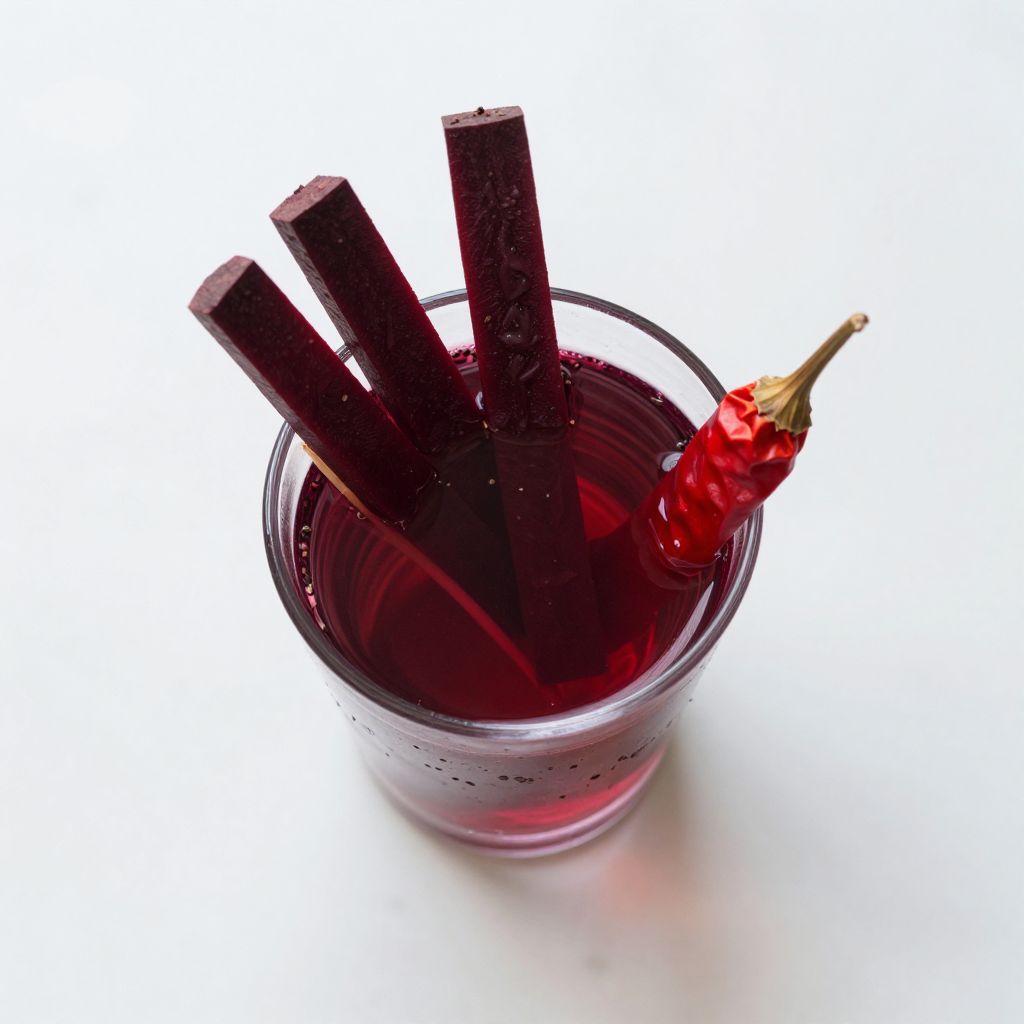
The deep crimson liquid that emerges from fermenting beetroots, ginger, and spices is a taste of probiotic magic that has graced Indian tables for generations.
Beetroot kanji is a fermented drink that transforms simple vegetables into a tangy, gut-friendly elixir that tastes nothing like health food and everything like a sophisticated, refreshing beverage. This recipe requires minimal hands-on time and no cooking whatsoever, making it perfect for anyone curious about fermentation.
What makes kanji special is how it straddles the line between tradition and wellness, delivering probiotics without any pretense or sacrifice in flavor. The fermentation process does all the work while you sleep, and the result is a drink that adds complexity and brightness to your daily routine.
Why You’ll Love This Recipe
Kanji is simple, forgiving, and transforms pantry staples into something genuinely delicious and good for your digestive system.
- Requires just five core ingredients and no special equipment beyond a glass jar
- Naturally fermented, loaded with beneficial bacteria that support gut health
- Ready to drink in 3 to 5 days, far faster than many ferments
- Tangy, slightly spiced, and refreshing on its own or as a mixer
- Completely customizable based on what you have on hand
My Experience Making This Recipe
The first time I made kanji, I was skeptical that beetroots left to sit in salt water would transform into anything worth drinking. By day three, the liquid had turned a deep burgundy, and the aroma was surprisingly appetizing, with notes of ginger and something yeasty and alive.
I took my first sip straight from a tiny glass, and it hit differently than I expected. The tartness was gentle, the spice warming, and the overall sensation was refreshing without being harsh or vinegary.
My partner, who usually rolls his eyes at anything fermented, asked for a second glass. That sold me on making kanji regularly, and now it lives in my fridge year-round.
Recipe Overview
- Recipe Name: Beetroot Kanji
- Servings: 8 to 10 servings of 4 ounces each
- Prep Time: 15 minutes
- Cook Time: 0 minutes (fermentation time: 3 to 5 days)
- Total Time: 3 to 5 days plus 15 minutes hands-on
- Course: Beverage
- Cuisine: Indian
- Calories per Serving: 8
Equipment You Will Need
- One large glass jar (1 liter or 1 quart minimum)
- Cutting board
- Sharp knife
- Measuring spoons
- Wooden spoon or clean hands for mixing
- Cheesecloth or a clean kitchen towel
- Rubber band or string
- Fine mesh strainer
- Glass bottles for storage
Ingredients for Beetroot Kanji
- Beetroots: 4 medium (about 1 pound), cut into thick matchsticks or thin batons
- Water: 4 cups filtered or boiled and cooled
- Sea salt: 2 teaspoons
- Fresh ginger: 2 tablespoons, cut into thin slices or matchsticks
- Black cumin seeds (kalonji): 1/2 teaspoon
- Red chili peppers: 1 or 2 whole dried, or 1/4 teaspoon red pepper flakes (optional but traditional)
Ingredient Notes and Substitutions
- Beetroots: Raw beets contain natural sugars and compounds that feed beneficial bacteria during fermentation. You can substitute red or golden beets, though red creates the signature deep color. White beets ferment but produce a pale liquid.
- Water: Chlorinated tap water can inhibit fermentation, so filtered or cooled boiled water works best. If tap water is your only option, boil it and let it cool completely before using.
- Sea salt: Salt creates the right environment for beneficial bacteria to thrive and preserves the kanji. Iodized table salt can interfere with fermentation, so use non-iodized sea salt or kosher salt instead.
- Fresh ginger: Ginger adds warmth and aids digestion, plus its antimicrobial qualities support fermentation. Powdered ginger can substitute at 1 teaspoon, though it won’t fully dissolve and the texture will differ.
- Black cumin seeds: These tiny seeds provide a subtle nutty, peppery note and are traditional in Indian fermented drinks. Regular cumin seeds work if kalonji is unavailable, though the flavor shifts slightly.
- Red chili peppers: These add heat and complexity and are optional if you prefer a milder kanji. Omit entirely or add a pinch of cayenne pepper for a different heat profile.
How to Make Beetroot Kanji
Step 1: Prepare Your Jar and Ingredients
Wash your glass jar thoroughly with hot water and air dry it completely, or wipe it with a clean cloth to remove any bacteria that might compete with your fermentation cultures. Cut your beetroots into thick matchsticks about the size of a pencil, since thinner pieces break down too quickly and thicker pieces take longer to ferment.
Step 2: Cut and Measure the Ginger
Slice your fresh ginger into thin matchsticks or coins, keeping the skin on for extra nutrients and flavor. Ginger skin contains beneficial compounds, so there’s no need to peel unless you prefer a milder ginger presence.
Step 3: Combine Water and Salt in the Jar
Pour your filtered or cooled boiled water into the jar and add the sea salt, stirring well until the salt dissolves completely. The salt creates a brine that prevents harmful bacteria from taking hold while allowing beneficial lactobacillus to thrive, which is the foundation of safe fermentation.
Step 4: Add the Beetroots
Add all your beetroot matchsticks to the salted water and stir to distribute them evenly. The beetroots will start releasing color immediately, turning the water a pale pink.
Step 5: Add Aromatics and Spices
Add the ginger slices, black cumin seeds, and dried chili peppers (if using) to the jar and mix everything together gently but thoroughly. These ingredients infuse the liquid with flavor and support the fermentation process through their natural antimicrobial compounds.
Step 6: Cover the Jar
Drape a piece of cheesecloth or a clean kitchen towel loosely over the jar and secure it with a rubber band or string, leaving a small gap for air to enter. This cover keeps dust and debris out while allowing gases produced during fermentation to escape naturally.
Step 7: Ferment at Room Temperature
Place the jar in a corner of your kitchen counter away from direct sunlight and warm spots like above the oven, where temperatures ideally stay between 68 and 75 degrees Fahrenheit. The fermentation will progress more slowly in cool conditions but will still succeed; warm environments speed fermentation to 3 days, while cooler spots may need 5 to 7 days.
Step 8: Monitor Fermentation Progress
Check your kanji daily by looking at the color and taking a small taste starting on day three. You’ll notice the liquid darkening from pale pink to deep crimson, bubbles may appear briefly, and the flavor will shift from bland saltwater to pleasantly tangy and complex.
Step 9: Strain and Bottle
Once the flavor suits your taste (usually by day 4 or 5), pour the kanji through a fine mesh strainer into clean glass bottles, discarding the solids or saving them for another use. The liquid keeps fermenting slowly in the bottle, so flavor will continue to evolve and become more tart over time.
Pro Tip: Taste your kanji starting on day three, and bottle it when the tartness reaches your preference level, since fermentation doesn’t stop in the jar and flavor will intensify if left longer.
Tips for the Best Beetroot Kanji
- Use fresh, firm beetroots with no soft spots, as they ferment more reliably and produce a cleaner flavor without musty notes.
- Keep your jar away from direct sunlight, since UV exposure can degrade the beneficial bacteria and fade the color slightly.
- Stir the mixture once daily with a clean spoon to ensure even fermentation and prevent the beetroots from molding at the surface.
- Taste your kanji daily from day three onward so you catch it at your preferred tartness level, since flavor changes rapidly once fermentation peaks.
- Reserve a small amount of finished kanji as a starter culture for your next batch, which will speed fermentation by one day or more.
- Keep bottled kanji in the refrigerator to slow fermentation and extend shelf life, though it will continue to develop flavor slowly.
Common Mistakes to Avoid
- Using chlorinated tap water without boiling and cooling it first, which can inhibit fermentation and produce weak or off flavors.
- Using iodized table salt instead of sea salt or kosher salt, since iodine interferes with bacterial cultures and can create a bitter taste.
- Covering the jar too tightly with a lid, which traps gases and can cause pressure to build up, leading to spoilage or an unpleasant flavor.
- Fermenting in warm spots like above the stove or in direct sunlight, which accelerates fermentation too quickly and can create off flavors or encourage mold.
- Waiting longer than 7 days to bottle your kanji, since over-fermentation produces a strongly vinegary taste that overpowers other flavors.
Serving Suggestions
Beetroot kanji shines as a chilled digestif sipped straight from a small glass, or mixed into other drinks and dishes to add tang and complexity. A 4-ounce serving is the traditional portion, though you can adjust based on your taste and how your digestive system responds to fermented foods.
- Serve chilled in a shot glass as a digestive aid after meals
- Mix into sparkling water or ginger ale for a homemade fermented soda
- Use as a marinade base for roasted vegetables or grilled meats
- Drizzle over soups, curries, or grain bowls for a tangy flavor boost
- Combine with vodka or gin for a probiotic cocktail
Variations to Try
- Carrot Kanji: Replace half the beetroots with carrots for a sweeter, earthier kanji that ferments slightly faster. The flavor becomes less intense but more delicate, appealing to those who find pure beet kanji too strong.
- Turmeric and Black Pepper Kanji: Add 1/2 teaspoon turmeric powder and 1/4 teaspoon cracked black pepper to your base recipe for a golden kanji with anti-inflammatory compounds. The turmeric mellows during fermentation and blends beautifully with the beet tartness.
- Garlic and Herb Kanji: Include 4 to 5 smashed garlic cloves and a small handful of fresh herbs like cilantro or mint for a savory, garden-fresh version. This style pairs wonderfully with soups and grain bowls instead of being served as a standalone drink.
- Star Anise Kanji: Add 2 whole star anise pods for a licorice-forward kanji that feels warming and slightly sweet. This variation works especially well when bottled with a cinnamon stick for extra depth.
- Mustard Seed Kanji: Use 1 teaspoon yellow or brown mustard seeds instead of black cumin for a different spice profile that’s more assertive and tangy. This version tastes more like a traditional Indian fermented condiment than a beverage.
Dietary Adaptations
- Gluten-Free: Beetroot kanji is naturally gluten-free, as it contains only vegetables, salt, water, and spices with no grain products. No adaptations needed.
- Dairy-Free: This recipe is completely dairy-free and vegan, relying on vegetable fermentation rather than any animal-derived cultures. No changes required for any dairy-free diet.
- Vegan and Vegetarian: Kanji is entirely plant-based and suitable for both vegan and vegetarian diets, with no animal products in any form. It works seamlessly for anyone following these eating patterns.
- Low-Carb and Keto: Beetroot kanji is naturally low in carbohydrates since fermentation consumes the sugars in the beets, delivering roughly 2 grams of carbs per 4-ounce serving. This makes it compatible with keto and low-carb diets when consumed in moderate amounts.
- FODMAP-Friendly: Garlic and onion should be avoided in FODMAP-sensitive kanji batches, but the basic recipe with ginger and spices is generally well-tolerated. If you add garlic as a variation, omit it for FODMAP compliance.
Storage and Reheating
Refrigerator
Store finished kanji in clean glass bottles in the refrigerator, where it keeps for up to one month and slowly continues to develop flavor. The cold temperature dramatically slows fermentation while preserving the live cultures.
- Use airtight glass bottles to prevent oxidation and flavor loss
- Keep away from the door, where temperature fluctuates most
- Check for any floating particles or mold before drinking, though these are rare with proper fermentation
Freezer
Kanji can be frozen in glass bottles or ice cube trays for up to three months, though the beneficial bacteria become dormant and some complexity may be lost upon thawing. Thaw in the refrigerator overnight rather than at room temperature.
- Leave one inch of headspace in glass bottles to prevent cracking during freezing
- Freeze in ice cube trays for easy portion control and additions to drinks or recipes
- Label bottles with the date to track freshness
Reheating
Kanji is always consumed cold or at room temperature, never heated, since warming destroys the beneficial bacteria. If you prefer it slightly warmed, let a glass sit at room temperature for 30 minutes rather than applying direct heat.
- Serve straight from the refrigerator as a refreshing digestif
- Allow a chilled glass to rest at room temperature for 15 to 20 minutes if you prefer it less cold
- Never microwave or heat kanji, as this eliminates all probiotic benefits
Nutrition Information
| Nutrient | Amount |
|---|---|
| Calories | 8 |
| Total Fat | 0g |
| Saturated Fat | 0g |
| Carbohydrates | 2g |
| Fiber | 0g |
| Sugar | 1g |
| Protein | 0g |
| Sodium | 480mg |
| Cholesterol | 0mg |
Nutritional values are approximate and based on a 4-ounce serving of fermented kanji. Values may vary depending on fermentation length, specific ingredients used, and how much liquid versus solids are consumed.
Frequently Asked Questions
Can I use raw or cooked beetroots?
Always use raw beetroots, since cooked beets have already lost the sugars and compounds that feed fermentation cultures. Raw beets ferment reliably and produce a clean, bright flavor.
What if my kanji develops a white film on top?
A thin white film called kahm yeast is harmless and common in ferments, though it can affect flavor if left alone. Simply skim it off with a clean spoon or strain it out when bottling.
How long does kanji take to ferment?
Beetroot kanji typically ferments in 3 to 5 days at room temperature between 68 and 75 degrees Fahrenheit. Cool conditions slow fermentation to 5 to 7 days, while warm kitchens finish fermentation in as little as 2 to 3 days.
Can I reuse the beetroot solids after straining?
Yes, the fermented beetroots make a tasty side dish or salad component with a pleasantly tangy flavor, though they have softened considerably. You can eat them straight or chop them finely to add to grain bowls and curries.
Is kanji safe for people with histamine sensitivities?
Fermented foods naturally contain higher histamine levels, which can trigger reactions in people with histamine intolerance or sensitivity. If you have this condition, consult your doctor before consuming kanji or start with a very small 1-ounce portion to assess tolerance.
Can I speed up fermentation by adding a starter culture?
Yes, saving a quarter cup of finished kanji from your previous batch and mixing it into your new batch reduces fermentation time by one to two days. The existing beneficial bacteria jumpstart the process and improve consistency from batch to batch.
Final Thoughts
Beetroot kanji feels like fermentation on easy mode, delivering impressive results with minimal effort and no special equipment or skills required. Once you taste your first homemade batch, store-bought versions will feel hollow in comparison.
Make your first batch this week and let your kitchen transform ordinary beetroots into something remarkable and genuinely good for you. Your gut, and your taste buds, will thank you for the effort.
Interested in exploring more fermented traditions and wellness beverages? Check out our guide to kanji recipes and variations for fresh inspiration and techniques to expand your fermentation skills.
Beetroot Kanji
Ingredients
Equipment
Method
- Wash and dry the glass jar thoroughly to remove any contaminants.
- Cut beetroots into thick matchsticks about the size of a pencil.
- Slice fresh ginger into thin matchsticks or coins, leaving the skin on if desired.
- Pour filtered or cooled boiled water into the jar and stir in sea salt until completely dissolved.
- Add beetroot matchsticks to the salted water and stir to distribute evenly.
- Add ginger slices, black cumin seeds, and dried chili peppers to the jar and mix gently.
- Cover the jar with cheesecloth or a clean towel and secure with a rubber band, allowing air to escape.
- Ferment at room temperature (68 to 75°F) for 3 to 5 days, checking daily and tasting from day three.
- Once the flavor is pleasantly tangy, strain the liquid through a fine mesh strainer into clean glass bottles.