
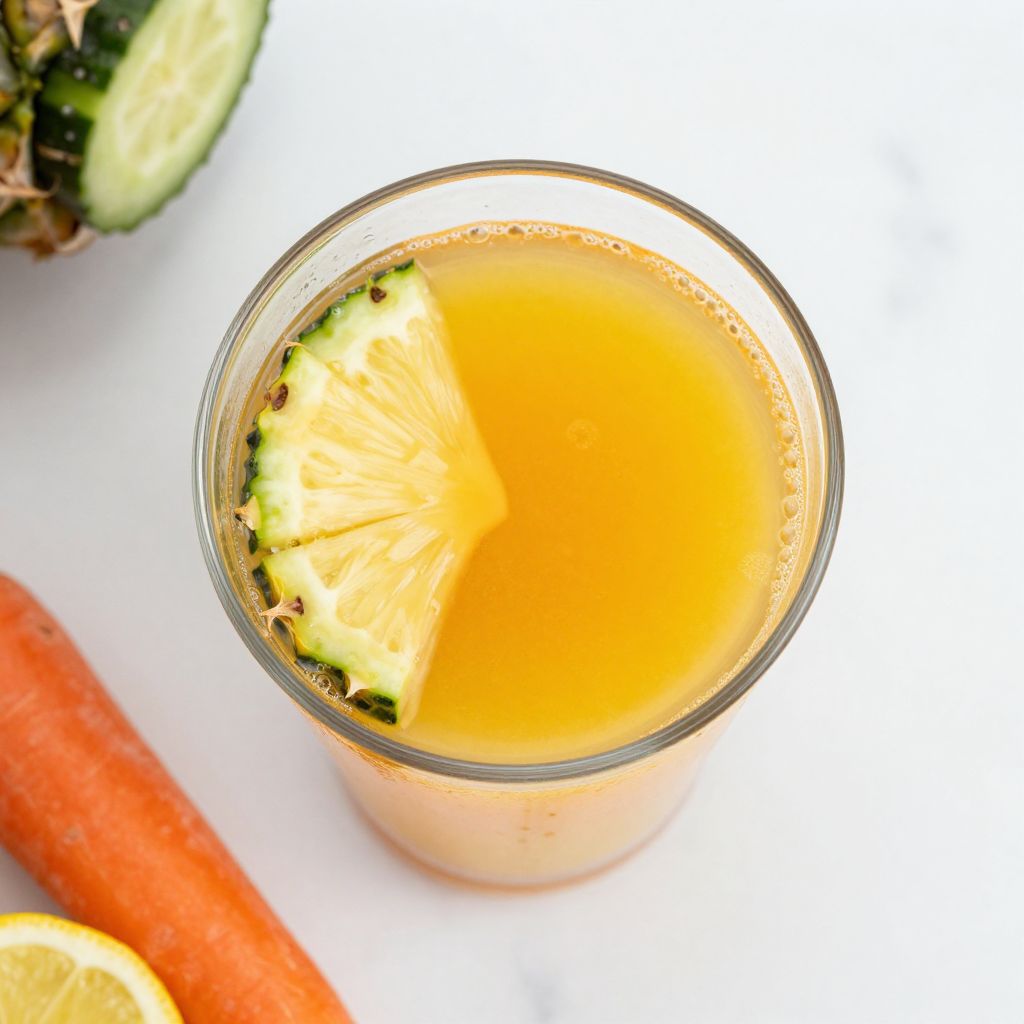
Picture this: a sunny afternoon, fresh produce spread out before you, and the perfect blend of flavors just waiting to burst in your mouth. This anti-inflammatory juice recipe is not just a drink; it’s a refreshing way to support your health and energize your day. Packed with vibrant ingredients, it’s a delicious blend that can help reduce inflammation, boost your immune system, and add a splash of color to your routine. Let’s gather our ingredients and get started!
Why You’ll Love This Recipe
This juice is a delightful treat with benefits that go beyond taste.
- Quick and easy to make, perfect for busy mornings.
- Refreshing flavor that’s both sweet and tangy.
- Packed with nutrients from fresh fruits and veggies.
- Great for boosting your immune system.
- Customizable to suit your taste preferences.
My Experience Making This Recipe
When I first tried this juice, I was amazed by how fresh and invigorating it tasted. The bright colors and zesty aroma filled my kitchen and made me feel like I was sipping on sunshine.
Every sip felt like a mini health boost, and it quickly became a staple in my daily routine. Friends who tried it were surprised at how delicious a health drink could be!
Recipe Overview
- Recipe Name: Anti-Inflammatory Juice
- Servings: 2
- Prep Time: 15 minutes
- Cook Time: 0 minutes
- Total Time: 15 minutes
- Course: Beverage
- Cuisine: Various
- Calories per Serving: 120
Equipment You Will Need
- Juicer or blender
- Fine mesh strainer or cheesecloth (if using a blender)
- Measuring cups
- Knife and cutting board
- Glass or pitcher for serving
Ingredients for Anti-Inflammatory Juice
- 2 cups fresh pineapple, peeled and chopped
- 1 medium cucumber, peeled and chopped
- 1 inch piece of fresh ginger, peeled
- 1 medium carrot, peeled and chopped
- 1 medium lemon, juiced
- 1 tablespoon raw honey (optional)
- 1-2 cups cold water or coconut water
Ingredient Notes and Substitutions
- Pineapple: Adds sweetness and enzymes that aid digestion. Substitute with mango for a different flavor.
- Cucumber: Provides hydration and a refreshing taste. Zucchini can work as a substitute.
- Ginger: Known for its anti-inflammatory properties. Turmeric is a great alternative for a different spice.
- Carrot: Gives a natural sweetness and is high in beta-carotene. Sweet potato can be used if you want a richer flavor.
- Lemon: Brightens the juice and adds vitamin C. Lime is a nice twist if you prefer a different citrus kick.
How to Make Anti-Inflammatory Juice
Step 1: Prepare the Ingredients
Start by washing all your fruits and vegetables thoroughly. This ensures any dirt or pesticides are removed, giving you a fresh and healthy juice.
Step 2: Chop the Produce
Chop the pineapple, cucumber, ginger, and carrot into smaller pieces. Smaller pieces make it easier for your juicer or blender to process them smoothly.
Step 3: Juice the Ingredients
If using a juicer, feed the chopped ingredients through according to your juicer’s instructions. This method preserves the nutrients while extracting the juice efficiently.
Step 4: Blend if Necessary
If using a blender, combine the chopped ingredients with the cold water or coconut water. Blend until smooth, then strain the mixture through a fine mesh strainer or cheesecloth to remove the pulp.
Step 5: Add Lemon Juice
Stir in the freshly squeezed lemon juice to the juice. This adds a zesty flavor and boosts the vitamin C content.
Step 6: Sweeten to Taste
If you prefer a sweeter juice, stir in raw honey. This step is optional, as the natural sweetness from the fruits may be enough.
Step 7: Chill the Juice
For an extra refreshing experience, chill the juice in the refrigerator for a few minutes. Enjoying it cold enhances the flavors and makes it even more refreshing.
Step 8: Serve and Enjoy!
Pour the juice into glasses and serve immediately. Enjoy the fresh taste and health benefits of your homemade juice!
Pro Tip: Always drink your juice fresh for the best flavor and nutritional benefits.
Tips for the Best Anti-Inflammatory Juice
- Use ripe fruits for the sweetest flavor; they will make your juice more delicious.
- Experiment with different fruits and vegetables to find your perfect blend.
- Drink your juice within 24 hours for maximum freshness and nutrients.
- Chill your fruits before juicing to create an instantly refreshing drink.
- Add a pinch of cayenne pepper for an extra kick and added health benefits.
Common Mistakes to Avoid
- Not washing produce thoroughly can lead to unwanted contaminants in your juice.
- Using overripe fruits can result in an off taste; freshness is key.
- Skipping the straining step when using a blender can lead to a gritty texture.
- Forgetting to chill the juice can make it less refreshing on hot days.
Serving Suggestions
This juice pairs wonderfully with a light salad or a morning smoothie bowl.
- Serve alongside a healthy breakfast like oatmeal or yogurt.
- Pair with a fresh fruit salad for a colorful brunch.
- Enjoy as a mid-afternoon snack for a quick energy boost.
- Complement with whole grain toast for a balanced meal.
Variations to Try
- Add spinach or kale for a green version that packs more nutrients.
- Incorporate beets for an earthy flavor and vibrant color.
- Try adding mint for a refreshing twist that complements the ginger.
- Mix in some celery for an additional crunch and hydration.
Dietary Adaptations
- Gluten-Free: This juice is naturally gluten-free.
- Dairy-Free: No dairy ingredients are used.
- Vegan/Vegetarian: All ingredients are plant-based.
- Low-Carb/Keto: Substitute honey with a low-carb sweetener if needed.
Storage and Reheating
Refrigerator
Store juice in an airtight container in the fridge for up to 24 hours.
- Use a glass container to help preserve freshness.
- Shake well before serving, as separation may occur.
Freezer
Juice can be frozen for longer storage, but best enjoyed fresh.
- Use ice cube trays to freeze in small portions.
- Thaw in the refrigerator or blend with ice for a slushy treat.
Reheating
This juice is best served cold and should not be reheated.
- Consider blending with ice for a chilled smoothie alternative.
Nutrition Information
| Nutrient | Amount |
|---|---|
| Calories | 120 |
| Total Fat | 0g |
| Saturated Fat | 0g |
| Carbohydrates | 30g |
| Fiber | 3g |
| Sugar | 20g |
| Protein | 2g |
| Sodium | 30mg |
| Cholesterol | 0mg |
This table provides an estimate of nutritional values and may vary based on specific ingredients used.
Frequently Asked Questions
Can I make this juice ahead of time?
Yes, you can make it a day in advance, but it’s best consumed fresh for optimal flavor and nutrients.
What can I substitute for pineapple?
Mango or orange can be great alternatives that still provide sweetness and flavor.
How long can I store the juice?
Store it in the refrigerator for up to 24 hours in an airtight container.
Will this juice be thick or watery?
The texture depends on your straining method; blending and straining will yield a smoother juice.
Can I use frozen fruits for this recipe?
Yes, frozen fruits can work, but the texture may be slightly different, and you might need less liquid.
Final Thoughts
This anti-inflammatory juice is a delicious way to support your health while enjoying something refreshing. I encourage you to play around with the ingredients and find your favorite blend.
With each sip, you’ll not only feel good but also enjoy a burst of flavor that brightens your day. If you’re looking for more healthy drink ideas, check out this anti-inflammatory tea recipe or try this turmeric juice recipe for more vibrant options!
Anti-Inflammatory Juice
Ingredients
Equipment
Method
- Wash all fruits and vegetables thoroughly.
- Chop the pineapple, cucumber, ginger, and carrot into smaller pieces.
- Juice the ingredients using a juicer OR blend the ingredients with water and strain.
- Stir in the freshly squeezed lemon juice.
- Stir in raw honey to taste, if desired.
- Chill the juice in the refrigerator for a few minutes for extra refreshment.
- Pour the juice into glasses and serve immediately.