
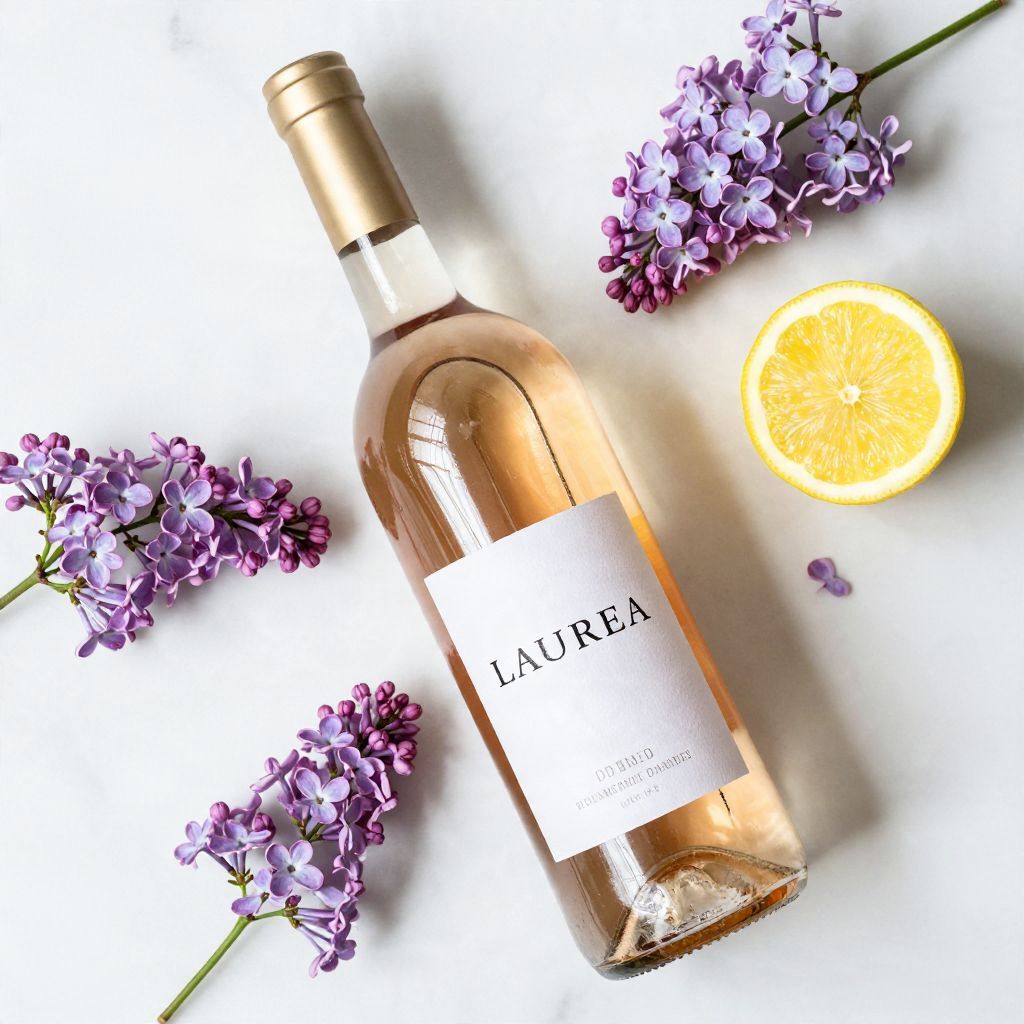
Imagine a warm spring day, the air filled with the sweet, floral scent of lilacs. Making lilac wine is not just a recipe; it’s a delightful way to capture that essence in a bottle, creating a refreshing drink that sparkles with nostalgia and whimsy.
This recipe is special because it transforms simple lilac blooms into a lovely, aromatic wine that can rival any store-bought variety. With its delicate floral notes and fruity undertones, it’s a unique addition to your home bar that will impress your guests and spark conversations.
So, let’s jump into the ingredients and get started on this delightful adventure!
Why You’ll Love This Recipe
There are so many reasons to whip up a batch of lilac wine. Here are a few highlights:
- Unique flavor profile that stands out at gatherings.
- Perfect for sipping on sunny afternoons.
- Great conversation starter for wine enthusiasts.
- Simple ingredients with a hands-on approach.
- Can be enjoyed fresh or aged for deeper flavors.
My Experience Making This Recipe
When I first tried making lilac wine, I was pleasantly surprised by how easy it was. The process filled my kitchen with an enchanting aroma that reminded me of childhood summers spent in my grandmother’s garden.
After letting it ferment, I couldn’t wait to taste the results. The first sip took me back to those sunny days, and I knew I had discovered something truly special.
Recipe Overview
- Recipe Name: Lilac Wine
- Servings: About 5-6 bottles
- Prep Time: 30 minutes
- Cook Time: 1 week (fermentation time)
- Total Time: 1 week and 30 minutes
- Course: Beverage
- Cuisine: American
- Calories per Serving: Approximately 120
Equipment You Will Need
- Large glass fermentation jug
- Airlock
- Funnel
- Saucepan
- Strainer or cheesecloth
- Bottles for storage
Ingredients for Lilac Wine
- 4 cups fresh lilac blossoms (make sure they are pesticide-free)
- 1 gallon water
- 3 cups granulated sugar
- 1/4 teaspoon of acid blend (or lemon juice)
- 1/4 teaspoon of yeast nutrient
- 1 packet of wine yeast (Champagne yeast works well)
- 1 lemon, juiced
Ingredient Notes and Substitutions
- Fresh lilac blossoms: These provide the unique flavor. You can use other edible flowers if needed, but the taste will differ.
- Granulated sugar: This is necessary for fermentation. Honey can be a substitute, but it will change the flavor.
- Lemon juice: This adds acidity. You can use citric acid instead if you prefer.
- Wine yeast: Essential for fermentation. Bread yeast can be used in a pinch, but it won’t yield the same results.
How to Make Lilac Wine
Step 1: Prepare the Lilacs
Start by gently rinsing the lilac blossoms to remove any dirt or insects. This ensures a clean flavor and prevents any unwanted bitterness.
Step 2: Boil the Water
In a large saucepan, bring the gallon of water to a boil. Boiling helps to extract the flavors from the lilacs effectively.
Step 3: Steep the Lilacs
Add the rinsed lilacs to the boiling water and remove the saucepan from heat. Cover it and let it steep for about 24 hours to infuse the flavors.
Step 4: Strain the Mixture
After steeping, strain the liquid through a cheesecloth or fine strainer into your fermentation jug. This removes the lilac petals, leaving only the fragrant liquid.
Step 5: Add Sugar and Ingredients
While the liquid is still warm, stir in the sugar until dissolved. Then, add the lemon juice, acid blend, and yeast nutrient for balanced flavor.
Step 6: Cool Down and Add Yeast
Allow the mixture to cool to room temperature before adding the wine yeast. This prevents killing the yeast, ensuring a successful fermentation.
Step 7: Ferment the Wine
Seal the fermentation jug with an airlock and place it in a dark, cool area. Let it ferment for about a week, until bubbling slows down.
Step 8: Bottle the Wine
After fermentation is complete, siphon the wine into clean bottles, leaving some space at the top. Seal the bottles and store them in a cool, dark place.
Pro Tip: Patience is key; letting the wine age for a few months will enhance the flavors even more.
Tips for the Best Lilac Wine
- Use only fresh lilacs from a chemical-free source for the best flavor.
- Monitor fermentation temperature; ideally between 65-75°F for optimal yeast activity.
- Keep everything sanitized to prevent unwanted bacteria from spoiling your wine.
- Experiment with different flower combinations for unique flavors.
- Consider aging the wine for at least three months for improved taste.
Common Mistakes to Avoid
- Using lilacs treated with pesticides can ruin the wine’s flavor and make it unsafe to drink.
- Not allowing the mixture to cool before adding yeast may kill the yeast.
- Skipping the straining step can lead to a gritty texture in the final product.
- Using too little sugar will result in a weak wine without enough alcohol content.
- Rushing the aging process may lead to a harsh taste; patience pays off.
Serving Suggestions
Enjoy your lilac wine chilled on a warm afternoon or serve it at a garden party. Here are some pairing ideas:
- Light appetizers like cheese or crackers.
- Fresh fruit salads for a refreshing contrast.
- Grilled chicken or seafood for a delightful match.
- Chocolate desserts to balance the floral notes.
- Spicy Asian dishes that complement the sweetness.
Variations to Try
- Add a handful of other edible flowers like roses for a mixed floral flavor.
- Incorporate spices such as ginger or cinnamon for an aromatic twist.
- Try using different fruits during fermentation, like berries, for added depth.
- Experiment with varying levels of sugar for a sweeter or drier wine.
- Use a different type of yeast to explore unique flavor profiles.
Dietary Adaptations
- Gluten-free: This recipe is naturally gluten-free; enjoy without worry.
- Dairy-free: No dairy is used, making it suitable for lactose intolerant individuals.
- Vegan/Vegetarian: All ingredients are plant-based, perfect for vegan diets.
- Low-carb/Keto: Reducing sugar can lower carbs but may affect fermentation.
Storage and Reheating
Refrigerator
Store opened bottles in the refrigerator to maintain freshness.
- Consume within a few weeks for the best flavor.
- Seal tightly to prevent oxidation.
Freezer
Wine can be frozen in ice cube trays for later use in cocktails.
- Defrost in the refrigerator before using.
- Do not freeze in glass bottles, as they may break.
Reheating
Reheating is unnecessary for wine but can be done gently on the stove if desired.
- Heat slowly to prevent boiling, which can alter flavor.
- Serve warm with spices for a cozy drink option.
Nutrition Information
| Nutrient | Amount |
|---|---|
| Calories | 120 |
| Total Fat | 0g |
| Saturated Fat | 0g |
| Carbohydrates | 30g |
| Fiber | 0g |
| Sugar | 28g |
| Protein | 0g |
| Sodium | 5mg |
| Cholesterol | 0mg |
This information is based on approximate calculations and may vary based on specific ingredients used.
Frequently Asked Questions
Can I use dried lilacs instead of fresh?
Fresh lilacs are best for flavor, but if you must use dried, reduce the quantity significantly, as they are more concentrated.
How long can I store lilac wine?
Properly sealed, lilac wine can last up to a year, but the flavors are best enjoyed within the first six months.
Can I make this wine without yeast?
While possible, yeast is crucial for fermentation; without it, you won’t achieve the desired alcohol content.
What if my wine is too sweet?
If you find it too sweet, try adding a bit more lemon juice to balance the flavor.
Can I make this wine in smaller batches?
Yes! Simply scale down the ingredient amounts to fit your preferred batch size.
Final Thoughts
Making lilac wine is a wonderful way to savor the delicate flavors of spring. I encourage you to give it a try; it’s a delightful experience that will leave you with a unique homemade beverage.
Don’t forget to explore more about wine-making and enjoy the process. Check out these recipes for elderberry wine and blackberry wine for even more delightful flavors!
Lilac Wine
Ingredients
Equipment
Method
- Gently rinse the lilac blossoms to remove dirt or insects.
- In a large saucepan, bring the gallon of water to a boil.
- Add the rinsed lilacs to the boiling water, cover, and let steep for 24 hours.
- Strain the liquid through a cheesecloth or fine strainer into your fermentation jug.
- While the liquid is still warm, stir in the sugar until dissolved.
- Add the lemon juice, acid blend, and yeast nutrient.
- Allow the mixture to cool to room temperature before adding the wine yeast.
- Seal the fermentation jug with an airlock and place it in a dark, cool area for about a week.
- After fermentation is complete, siphon the wine into clean bottles.
- Seal the bottles and store them in a cool, dark place.