
Picture this: a sunny afternoon, a chilled glass of homemade pineapple wine, and laughter with friends. This delightful drink is not just a refreshing treat; it’s a celebration of tropical flavors and a fun DIY project worth every moment. With its fruity aroma and crisp taste, this wine elevates any gathering, making it a real crowd-pleaser. Plus, it’s surprisingly simple to make, using just a few fresh ingredients and some patience. Ready to impress your taste buds? Let’s dive into the details!
Why You’ll Love This Recipe
This pineapple wine recipe is a great way to enjoy a unique homemade beverage.
- Unique Flavor: The sweet and tangy notes of pineapple create a refreshing profile.
- Easy to Make: With just a few ingredients and simple steps, anyone can do it.
- Perfect for Celebrations: Serve it at parties or gatherings for a tropical touch.
- Cost-Effective: Making wine at home is often cheaper than store-bought options.
- Customization: Feel free to experiment with other fruits for different flavors.
My Experience Making This Recipe
The first time I made this pineapple wine, I was amazed at how the kitchen filled with the sweet aroma of fresh pineapple. It felt like a mini-vacation right at home, and my family couldn’t wait to taste the outcome.
When I finally served it, the compliments were endless! Sipping on that tropical delight transported everyone to a sun-soaked beach, making it a hit at our summer gathering.
Recipe Overview
- Recipe Name: Pineapple Wine
- Servings: 6-8 servings
- Prep Time: 30 minutes
- Cook Time: 30 minutes
- Total Time: 2-4 weeks (fermentation time)
- Course: Beverage
- Cuisine: Tropical
- Calories per Serving: Approximately 120 calories
Equipment You Will Need
- Large pot
- Fermentation container (glass or food-grade plastic)
- Airlock
- Funnel
- Strainer or cheesecloth
- Bottles for storage
- Measuring cups and spoons
Ingredients for Pineapple Wine
- 1 large ripe pineapple (peeled and chopped)
- 4 cups water (filtered or distilled)
- 2 cups sugar (granulated)
- 1 teaspoon yeast (wine or champagne yeast)
- 1/2 teaspoon citric acid (optional for tartness)
Ingredient Notes and Substitutions
- Pineapple: Fresh pineapple provides the best flavor. Canned pineapple can be used but may alter the taste.
- Water: Using filtered water prevents any off-flavors. Tap water can be used if necessary.
- Sugar: It’s essential for fermentation. You can use brown sugar for a richer flavor.
- Yeast: Wine yeast is preferred for its fermentation ability. Bread yeast can work in a pinch, but results may vary.
- Citric Acid: This adds a nice tartness. You can skip it if you prefer a sweeter wine.
How to Make Pineapple Wine
Step 1: Prepare the Pineapple
Start by peeling and chopping the pineapple into small chunks. This maximizes the surface area, helping to release more flavor during fermentation.
Step 2: Make the Pineapple Mixture
In a large pot, combine the chopped pineapple and water. Bring the mixture to a gentle boil, stirring occasionally to dissolve the sugar.
Step 3: Add Sugar and Citric Acid
Once boiling, add the sugar and citric acid, stirring until fully dissolved. This step is crucial as the sugar feeds the yeast during fermentation.
Step 4: Cool the Mixture
Remove the pot from heat and let it cool to room temperature. You want to avoid killing the yeast with high temperatures.
Step 5: Add Yeast
Once cooled, sprinkle the yeast over the surface of the mixture. Stir gently to incorporate the yeast evenly into the pineapple mixture.
Step 6: Transfer to Fermentation Container
Using a funnel, pour the mixture into a fermentation container. Make sure to leave some space at the top for bubbling during fermentation.
Step 7: Seal and Ferment
Fit the airlock onto the fermentation container to prevent contamination. Place it in a cool, dark area for about 2-4 weeks to ferment.
Step 8: Bottle the Wine
After fermentation, strain the wine to remove the pineapple solids. Transfer the liquid into clean bottles, sealing them tightly.
Pro Tip: Patience is key! Allow the wine to age for at least a month for the best flavor.
Tips for the Best Pineapple Wine
- Use ripe pineapples for maximum sweetness and flavor.
- Monitor the fermentation process and check for bubbling; this indicates active fermentation.
- Experiment with different fruits for unique variations.
- Keep everything clean to avoid contamination during fermentation.
- Consider adding a small amount of vanilla or cinnamon for extra depth.
Common Mistakes to Avoid
- Using unripe pineapple can lead to less sweet wine. Choose ripe, sweet fruit for the best results.
- Skipping the airlock can result in spoilage. Always ensure proper sealing to prevent contaminants.
- Not allowing enough fermentation time can yield flat flavors. Give your wine the time it needs to develop.
- Using too much sugar can create overly sweet wine. Follow the recipe for balanced sweetness.
Serving Suggestions
This pineapple wine pairs beautifully with various dishes and snacks. Here are some ideas to elevate your serving game:
- Grilled shrimp or fish tacos
- Spicy Asian dishes, like sweet and sour chicken
- Cheese platters featuring soft cheeses
- Fresh fruit salads for a refreshing contrast
Variations to Try
- Coconut Pineapple Wine: Add coconut water or coconut extract for a tropical twist.
- Spiced Pineapple Wine: Infuse with spices like cinnamon or cloves during fermentation for warmth.
- Mixed Fruit Wine: Combine pineapple with other fruits like mango or passion fruit for complexity.
- Pineapple Ginger Wine: Add fresh ginger slices for a zesty kick.
Dietary Adaptations
- Gluten-Free: This recipe is naturally gluten-free, so no changes are needed.
- Dairy-Free: There are no dairy ingredients in this wine.
- Vegan: All ingredients are plant-based, making it suitable for vegans.
- Low-Carb/Keto: Reducing sugar can alter fermentation but is possible for lower carb options.
Storage and Reheating
Refrigerator
Store opened bottles of wine in the refrigerator to maintain freshness.
- Keep upright to avoid sediment disturbance.
- Consume within a few weeks for the best flavor.
Freezer
Freezing wine is not recommended, as it alters texture and flavor.
- Instead, keep it chilled in the fridge.
Reheating
Do not reheat wine; serve chilled or at room temperature for the best experience.
- Consider serving over ice for a refreshing twist.
Nutrition Information
| Nutrient | Amount |
|---|---|
| Calories | 120 |
| Total Fat | 0g |
| Saturated Fat | 0g |
| Carbohydrates | 31g |
| Fiber | 1g |
| Sugar | 28g |
| Protein | 0g |
| Sodium | 5mg |
| Cholesterol | 0mg |
This information is an estimate and may vary based on specific ingredients used.
Frequently Asked Questions
Can I use canned pineapple?
Canned pineapple can be used, but it may alter the flavor and sweetness of the wine.
How long can I store the wine?
Opened bottles should be consumed within a few weeks, while unopened bottles can last for months.
Can I make this wine ahead of time?
Yes, you can prepare it weeks in advance and allow it to ferment and age properly.
What if my wine is too sweet?
If it’s overly sweet, consider adding a bit more yeast or letting it ferment longer to balance the flavors.
Is this recipe adaptable for other fruits?
Absolutely! You can experiment with different fruits to create your own unique wine blends.
Final Thoughts
Making pineapple wine is a delightful experience that brings the tropical vibes right to your home. It’s not just about the end product; it’s about the fun and creativity involved.
So, gather your ingredients and try this recipe; you might just find a new favorite drink to share with friends!
For more delicious recipes, check out our pineapple punch recipe and pineapple lemonade recipe for more fruity inspirations!
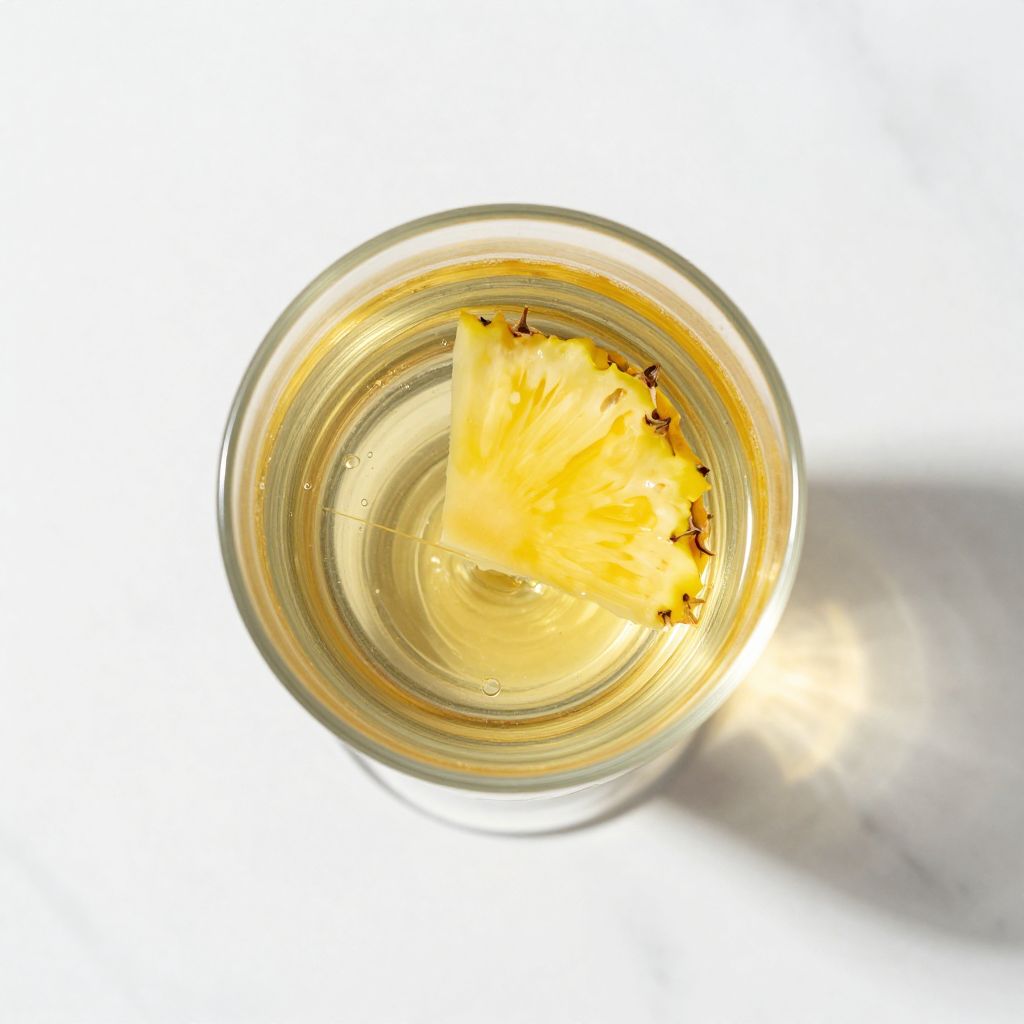
Pineapple Wine
Ingredients
Equipment
Method
- Prepare the pineapple by peeling and chopping it into small chunks.
- In a large pot, combine the chopped pineapple and water. Bring the mixture to a gentle boil, stirring occasionally.
- Add the sugar and citric acid, stirring until fully dissolved.
- Remove the pot from heat and let it cool to room temperature.
- Sprinkle the yeast over the cooled mixture and stir gently.
- Using a funnel, pour the mixture into a fermentation container, leaving space at the top.
- Fit the airlock onto the container and place it in a cool, dark area for 2-4 weeks to ferment.
- After fermentation, strain the wine and transfer the liquid into clean bottles, sealing them tightly.