
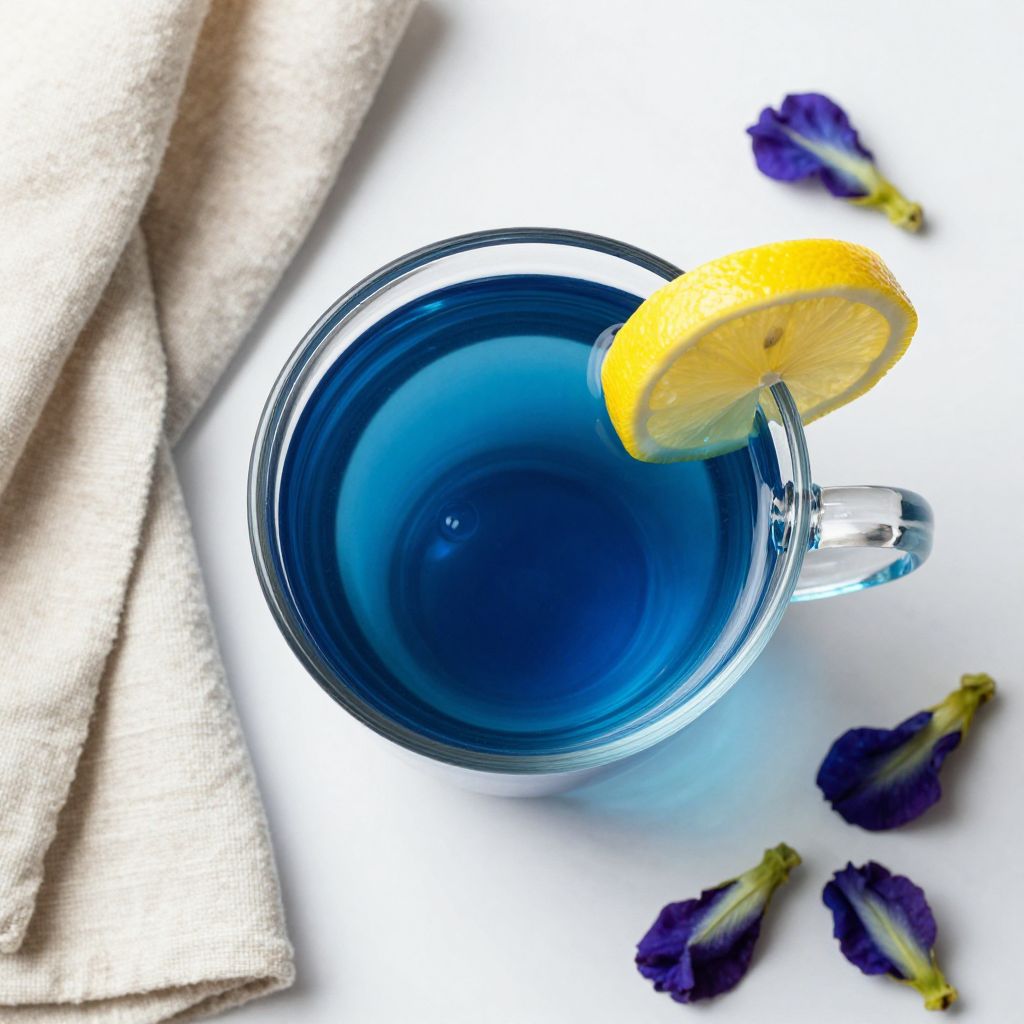
Imagine pouring a cup of brilliant blue liquid that shifts to purple when you squeeze in a lemon—that moment of magic is what butterfly pea tea delivers, and it never gets old. This butterfly pea tea recipe creates a naturally vibrant, caffeine-free beverage that tastes delicate and floral with a subtle earthiness.
What makes this recipe special is its simplicity paired with visual drama and genuine health benefits. You need just dried butterfly pea flowers and hot water, yet you get an Instagram-worthy drink that’s packed with antioxidants.
Why You’ll Love This Recipe
This recipe delivers multiple wins in one simple cup.
- Zero caffeine, so you can enjoy it anytime without sleep disruption
- Stunningly beautiful color that changes with pH levels for natural entertainment
- Takes less than five minutes from start to sip
- Rich in anthocyanins and antioxidants for genuine wellness benefits
- Endlessly customizable with citrus, honey, herbs, and more
My Experience Making This Recipe
The first time I made butterfly pea tea, I was skeptical that something this simple could taste good. One sip changed my mind completely—the flavor is floral without being perfumy, with a subtle grassy note that feels refreshing.
I’ve served this at dinner parties and watched guests react with genuine delight when the color shifts from blue to purple as they add lemon. The tea sparked conversations about natural food chemistry and created a moment of real joy around something so basic.
Now I keep dried butterfly pea flowers on hand for weeknight relaxation and weekend entertaining. The versatility means I can serve it hot and cozy or cold and bright, depending on the mood and season.
Recipe Overview
- Recipe Name: Butterfly Pea Tea
- Servings: 1
- Prep Time: 2 minutes
- Steep Time: 5 minutes
- Total Time: 7 minutes
- Course: Beverage
- Cuisine: Southeast Asian
- Calories per Serving: 2
Equipment You Will Need
- Kettle for heating water
- Tea infuser or mesh strainer
- Mug or teacup
- Spoon for stirring
- Small bowl (optional, for visual pH demonstration)
Ingredients for Butterfly Pea Tea
- Dried butterfly pea flowers: 1 teaspoon
- Hot water: 8 ounces (about 240 milliliters)
- Honey or agave syrup: 1/2 to 1 teaspoon (optional)
- Fresh lemon juice: 1/2 teaspoon (optional, for color shift)
Ingredient Notes and Substitutions
- Dried butterfly pea flowers: These are the essential ingredient that creates the signature blue color and floral taste. If unavailable, blue spirulina powder offers color but lacks the authentic floral notes, and blue matcha changes the flavor profile significantly.
- Hot water: Water quality matters because pure water lets the delicate flower flavor shine. If your tap water is heavily chlorinated, filtered or bottled water produces a cleaner taste.
- Honey or agave: These natural sweeteners complement the floral notes without competing. Stevia works as a zero-calorie alternative, though it has a slight aftertaste some people notice.
- Lemon juice: Citric acid triggers the pH shift that changes the tea from blue to purple, creating the visual magic. Lime juice or vinegar creates the same effect but changes the flavor.
How to Make Butterfly Pea Tea
Step 1: Heat Your Water
Bring 8 ounces of water to a boil in your kettle. Hot water is essential because it properly extracts the flower’s color, flavor, and beneficial compounds from the dried petals.
Step 2: Measure the Flowers
Add 1 teaspoon of dried butterfly pea flowers to your tea infuser or strainer. One teaspoon creates a vibrant, well-balanced blue color without over-steeping and becoming bitter or too intense.
Step 3: Place Infuser in Mug
Put your infuser with the flowers directly into your mug. This positioning keeps everything contained and makes cleanup effortless once steeping finishes.
Step 4: Pour the Hot Water
Carefully pour the hot water over the flowers in your mug. Pour slowly to ensure all the petals get properly saturated and begin releasing their color and flavor immediately.
Step 5: Steep for Five Minutes
Let the tea steep for exactly five minutes without disturbing it. The five-minute window extracts maximum color and flavor while keeping bitterness minimal, creating the perfect balance.
Step 6: Remove the Infuser
Lift out your infuser and set it aside once the time is up. Removing the flowers stops the steeping process and prevents the tea from becoming over-extracted and harsh.
Step 7: Add Sweetener If Desired
Stir in honey or agave syrup if you prefer sweetness. Natural sweeteners complement the floral notes better than refined sugar and dissolve smoothly into the hot liquid.
Step 8: Squeeze in Lemon and Watch the Magic
Add lemon juice if you want to witness the color transformation from blue to vibrant purple. The citric acid lowers the pH and triggers the anthocyanins to change color, creating that Instagram moment while adding brightness to the flavor.
Pro Tip: Serve butterfly pea tea over ice in a clear glass with a lemon wedge for the most visually stunning presentation and to catch the color shift as you add citrus at the table.
Tips for the Best Butterfly Pea Tea
- Buy butterfly pea flowers from reputable sources that specifically market them for tea, ensuring they’re food-grade and free from pesticides.
- Store dried flowers in an airtight container away from direct sunlight to preserve their vibrant color and potency for months.
- Experiment with steep times: four minutes for a lighter, more delicate flavor, or six minutes for a deeper, more robust taste.
- Use filtered water if possible because it prevents chlorine or mineral flavors from interfering with the subtle floral notes.
- Make a pitcher for gatherings by steeping multiple infusers in a larger pot, then serving hot or chilled with various garnishes.
- Chill the brewed tea quickly by pouring it over ice immediately after steeping to preserve the bright blue color if making iced tea.
Common Mistakes to Avoid
- Using water that’s not hot enough fails to extract the full color and flavor from the flowers, leaving you with a pale, weak tea.
- Steeping longer than six minutes creates an unpleasantly bitter, astringent taste that overpowers the delicate floral character.
- Storing flowers in clear containers exposed to light causes the color to fade and the potency to diminish within weeks.
- Forgetting to remove the infuser leaves flowers in contact with cooling water indefinitely, continuing to extract and intensify bitterness.
- Using low-quality flowers from unreliable sources may introduce pesticides or debris that affects both taste and safety.
Serving Suggestions
Butterfly pea tea works beautifully in countless serving scenarios, from quiet mornings to entertaining guests. The delicate flavor pairs well with light snacks and desserts while the visual appeal makes it conversation-starting.
- Serve hot in the evening alongside shortbread cookies or almond biscuits for a cozy, calming ritual
- Chill it and serve over ice with fresh mint and lemon for a refreshing afternoon drink
- Blend it into lemonades or cocktails for color and subtle floral depth
- Pour it into clear glasses at dinner parties to impress guests with the natural pH-shifting magic
- Make it the star of a tea tasting experience by serving multiple flavors and discussing the color changes
Variations to Try
- Honey Butterfly Pea Tea: Add one tablespoon of raw honey and a pinch of ginger for warmth, creating a more soothing, naturally sweet beverage that feels luxurious and comforting.
- Butterfly Pea Lemonade: Brew the tea, chill it, then mix with fresh lemon juice and a touch of honey to create a vibrant, tart, visually stunning cold drink perfect for hot days.
- Butterfly Pea with Jasmine: Combine one-half teaspoon butterfly pea flowers with one-half teaspoon jasmine flowers to layer floral notes and create a more complex, sophisticated flavor profile.
- Butterfly Pea Coconut Brew: Steep the flowers, then stir in one-quarter cup of coconut milk and a teaspoon of honey for a creamy, tropical variation with silky texture.
- Butterfly Pea Iced Tea with Fruit: Brew and chill, then serve in a glass with fresh berries, cucumber slices, and fresh mint for a spa-like, colorful, refreshing beverage.
Dietary Adaptations
- Gluten-Free: Butterfly pea tea is naturally gluten-free as the flowers contain no grains, making it safe for everyone with celiac disease or gluten sensitivity without any modifications needed.
- Dairy-Free: The base recipe contains no dairy, and any milk additions like coconut or almond milk are simple swaps that don’t alter the core character of the tea.
- Vegan: The recipe is completely vegan since it uses only dried flowers and water, with optional honey replaceable by agave syrup or maple syrup for a fully plant-based beverage.
- Low-Carb and Keto: The plain tea contains nearly zero carbohydrates and pairs perfectly with keto diets, though added honey should be measured carefully to stay within carb limits.
Storage and Reheating
Refrigerator
Store brewed butterfly pea tea in an airtight glass container in the refrigerator for up to three days. The color may fade slightly over time, but the flavor remains pleasant and the tea stays safe to drink.
- Keep unused dried flowers in an airtight container on a shelf away from light
- Label brewed tea with the date to track freshness
- Transfer to a pitcher if storing larger batches for easy pouring
Freezer
Freeze brewed tea in ice cube trays to create butterfly pea cubes that last up to two months. These cubes work beautifully for future iced drinks or for adding to smoothies.
- Pop frozen cubes into glasses for instant iced butterfly pea tea
- Add cubes to lemonade or cocktails for color and flavor
- Transfer frozen cubes to freezer bags once solid for space-efficient storage
Reheating
Gently reheat refrigerated butterfly pea tea by pouring it into a mug and microwaving for one to two minutes, or by heating it slowly on the stovetop. Avoid boiling as high heat can diminish the delicate flavor and antioxidant properties.
- Microwave individual servings for fastest reheating
- Add fresh lemon juice after reheating to recreate the color shift effect
- Serve immediately after heating for best flavor and temperature
Nutrition Information
| Nutrient | Amount |
|---|---|
| Calories | 2 |
| Total Fat | 0 grams |
| Saturated Fat | 0 grams |
| Carbohydrates | 0.5 grams |
| Fiber | 0 grams |
| Sugar | 0 grams |
| Protein | 0 grams |
| Sodium | 2 milligrams |
| Cholesterol | 0 milligrams |
This nutritional information applies to the plain tea without added sweeteners or milk. Adding honey, agave, or milk will increase calories and other nutrient values accordingly.
Frequently Asked Questions
Where Can I Buy Butterfly Pea Flowers?
Look for dried butterfly pea flowers at specialty tea shops, Asian grocery stores, or online retailers like Amazon and specialty tea websites. Check that the product is labeled specifically for tea to ensure food-grade quality and safety.
Is Butterfly Pea Tea Safe to Drink Daily?
Yes, butterfly pea tea is generally safe for daily consumption as it contains no caffeine and no known toxins when sourced from reputable suppliers. If you take medications, consult your doctor since some compounds in the tea may interact with certain prescriptions.
Why Didn’t My Tea Change Color When I Added Lemon?
The color shift requires sufficient citric acid to lower the pH of the tea. Use fresh lemon juice rather than bottled, and add at least one-half teaspoon to create a visible purple shift.
Can I Reuse the Same Butterfly Pea Flowers?
You can steep the flowers a second time, though the color and flavor will be noticeably weaker than the first infusion. Most people prefer fresh flowers for each cup to maintain the vibrant blue color and full floral taste.
Does Butterfly Pea Tea Taste Bitter?
No, properly steeped butterfly pea tea tastes delicate and slightly floral with subtle earthiness when you respect the five-minute steep time. Bitterness only develops if you leave the flowers steeping much longer than recommended.
Can I Mix Butterfly Pea Tea with Other Teas?
Absolutely, combining butterfly pea with jasmine, chamomile, or green tea creates interesting flavor layers and visual effects. Start with equal parts of each flower and adjust to your preference for taste balance.
Final Thoughts
Butterfly pea tea transforms a simple ritual into something genuinely special without requiring any complicated technique or expensive equipment. The fact that it tastes lovely, looks stunning, and delivers real health benefits makes this one of the best recipes to keep in your rotation.
Grab some dried flowers this week and experience the magic for yourself. Once you taste that delicate floral flavor and witness the color shift from blue to purple, you’ll understand why this tea has captivated people across Southeast Asia for generations.
Explore More Herbal Tea Recipes
Now that you’ve discovered the beauty of butterfly pea flowers, expand your herbal tea collection with other naturally colorful and flavorful options. Try pairing this with warm spice infusions to round out your beverage repertoire.
Visit our clove tea recipe for a warming, aromatic option perfect for cooler months. For something tropical and bright, check out our pineapple tea recipe that brings sunshine to any afternoon.
Butterfly Pea Tea
Ingredients
Equipment
Method
- Bring 8 ounces of water to a boil in a kettle.
- Add 1 teaspoon of dried butterfly pea flowers to your tea infuser or strainer.
- Place the infuser into your mug.
- Pour the boiling water over the flowers in the mug.
- Let the tea steep for 5 minutes undisturbed.
- Remove the infuser and discard the flowers.
- Stir in honey or agave syrup if desired.
- Squeeze in 1/2 teaspoon of fresh lemon juice and watch the color transform from blue to purple.