
Imagine cracking open a fizzy bottle and tasting the bright, citrusy essence of a forest captured in liquid form.
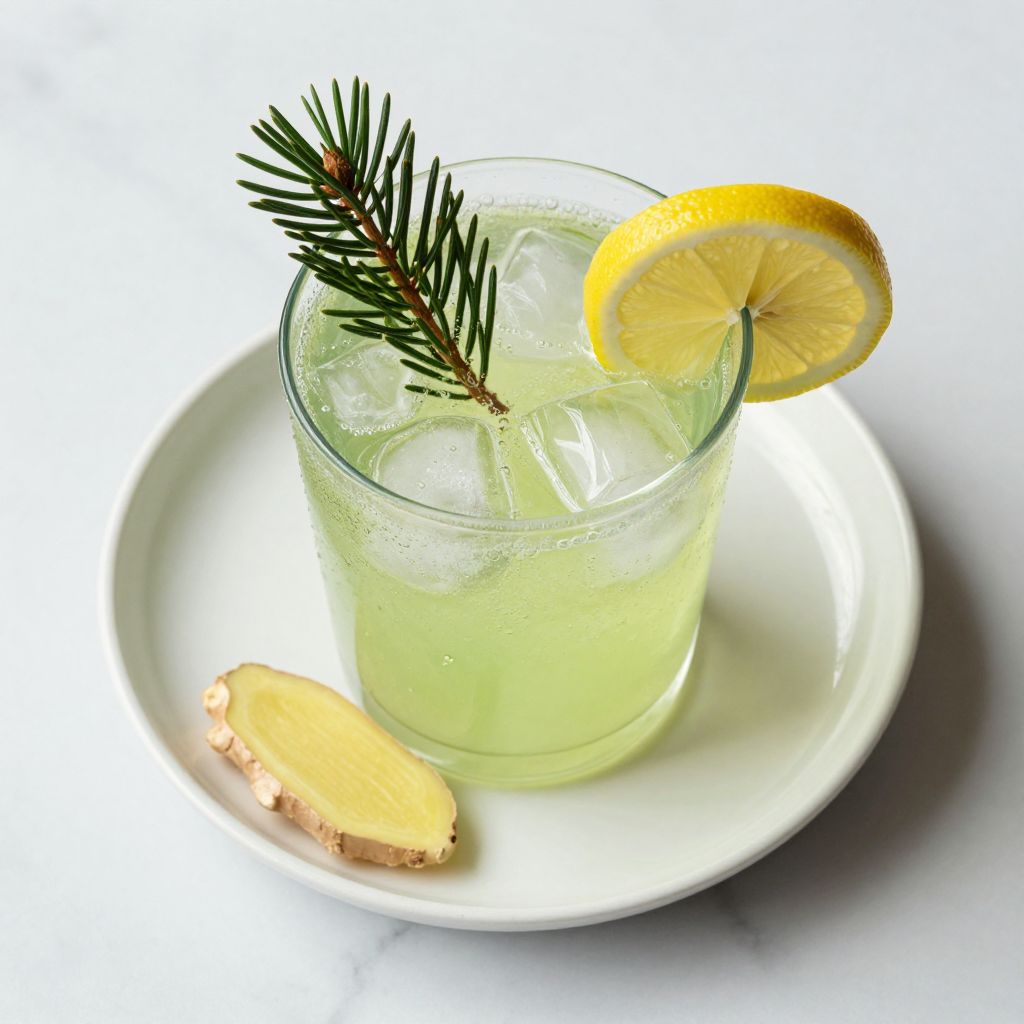
Pine needle soda is a nostalgic, homemade beverage that transforms foraged evergreen needles into a refreshing drink with a clean, zesty bite.
This recipe appeals to adventurous home cooks and DIY soda enthusiasts who want to skip the store-bought stuff and create something truly unique from their own backyard.
The magic here is twofold: the herbal complexity of fresh pine needles mixed with bright citrus and a gentle fizz that makes every sip feel special.
Whether you’re a foraging beginner or a seasoned kitchen experimenter, this recipe walks you through every step to create a soda that tastes like nothing you’ve bought before.
Why You’ll Love This Recipe
Pine needle soda offers a blank canvas for creative flavor exploration while remaining surprisingly simple to execute.
- Creates a sophisticated homemade soda that impresses guests and sparks conversation.
- Uses foraged ingredients, connecting you to seasonal cooking and local ecosystems.
- Requires minimal equipment and readily available pantry staples.
- Naturally caffeine-free and customizable to your preferred sweetness level.
- Pairs beautifully with everything from brunch to evening entertaining.
My Experience Making This Recipe
The first time I made pine needle soda, I was skeptical that needles could taste anything other than piney and bitter. Within one sip of the finished product, I became a convert.
The flavor surprised me: bright, herbaceous, almost floral, with a gentle citrus undertone that made the drink feel refined rather than forest-floor-in-a-glass. My family crowded around the kitchen island asking for seconds, and my skeptical teenager actually said it tasted “kind of fancy.”
What I didn’t expect was how much fun the foraging part became. Now I scout my neighborhood for quality evergreens before making a fresh batch, which has become a small ritual I genuinely look forward to.
Recipe Overview
- Recipe Name: Pine Needle Soda
- Servings: 6 to 8 servings
- Prep Time: 30 minutes
- Cook Time: 25 minutes
- Total Time: 2 hours plus carbonation time
- Course: Beverage
- Cuisine: Foraged, Homemade Soda
- Calories Per Serving: 95 calories
Equipment You Will Need
- Large pot for steeping
- Fine mesh strainer
- Cheesecloth or coffee filter
- Glass bottles with caps or swing-top bottles
- Measuring cups and spoons
- Thermometer (optional but helpful)
- Whisk or spoon for stirring
- Funnel for bottling
- Carbonation system or seltzer maker
Ingredients for Pine Needle Soda
- Fresh pine needles, 2 cups packed (harvested from pesticide-free trees)
- Water, 6 cups filtered or spring water
- Sugar, 1/2 cup white granulated sugar
- Fresh lemon juice, 1/4 cup freshly squeezed
- Fresh lime juice, 2 tablespoons freshly squeezed
- Honey, 2 tablespoons raw honey
- Citric acid, 1/4 teaspoon
- Ginger, one 1-inch piece fresh ginger, sliced thin
- Sea salt, a pinch for balancing
- Carbonated water, 2 to 3 cups for finishing
Ingredient Notes and Substitutions
- Pine needles: Provide the signature herbal, citrusy backbone of this soda. White pine, Douglas fir, or spruce needles all work beautifully; avoid yew needles, which are toxic. Substitute with 2 tablespoons dried pine needle tea if fresh foraged needles are unavailable, though the flavor will be milder.
- Water: Filtered or spring water prevents chlorine from interfering with the delicate herbal flavor. Tap water can be used, but let it sit uncovered for 24 hours to allow chlorine to evaporate.
- Sugar: Provides sweetness and body without overpowering the pine flavor. Honey alone can replace it at 1/2 cup, though the texture will be slightly different and cost will increase.
- Lemon and lime juice: Add brightness and preserve the soda naturally. Bottled lemon juice works in a pinch, but fresh juice delivers superior flavor and vitamin content.
- Citric acid: Preserves the soda and enhances the tart profile. Omit it if unavailable, but the soda will have a shorter shelf life; increase lemon juice by 1 tablespoon to compensate.
- Ginger: Adds subtle warmth and digestive benefits. Fresh turmeric (1/2 teaspoon) can replace it for an earthier note, or omit entirely for a cleaner pine flavor.
How to Make Pine Needle Soda
Step 1: Forage and Prepare Your Pine Needles
Harvest fresh, bright green pine needles from pesticide-free trees, avoiding any that smell moldy or look discolored. Gently rinse them under cool water and pat dry with paper towels to remove any dust or insects, which ensures a clean, pure flavor in the final soda.
Step 2: Heat Your Water
Pour 6 cups of filtered water into a large pot and bring it to a simmer over medium heat. You want the water steaming but not at a rolling boil, which allows the pine needles to infuse gently without becoming bitter or overly astringent.
Step 3: Steep the Pine Needles
Add the 2 cups of packed pine needles to the simmering water and remove the pot from heat. Cover and let the mixture steep for 15 to 20 minutes, which gives the needles time to release their oils and flavor compounds without over-extracting and turning harsh.
Step 4: Add Ginger and Aromatics
Stir in the sliced ginger while the tea is still warm, allowing it to infuse alongside the pine flavor. The ginger adds a subtle warmth that complements the citrusy, herbal profile beautifully.
Step 5: Strain the Infusion
Set a fine mesh strainer over a clean bowl and pour the mixture through it, discarding the solids. For an ultra-clear soda, line your strainer with cheesecloth or a coffee filter and strain again, which removes any tiny particles and gives the finished drink a polished appearance.
Step 6: Combine Sweeteners and Citrus
While the pine infusion is still warm, whisk in the 1/2 cup sugar, 2 tablespoons honey, 1/4 cup fresh lemon juice, and 2 tablespoons fresh lime juice. Stir well until the sugar dissolves completely, and taste the mixture; it should be noticeably sweet and tart, since carbonation will dilute the intensity slightly.
Step 7: Cool and Add Citric Acid
Allow the syrup to cool to room temperature, about 1 hour, then stir in the 1/4 teaspoon citric acid and a pinch of sea salt. The citric acid acts as both a preservative and flavor enhancer, while the salt rounds out the sweetness and brings out the herbal notes.
Step 8: Carbonate Your Soda
Pour the cooled syrup into glass bottles, dividing it equally among them. Add 1/3 to 1/2 cup of carbonated water to each bottle, stirring gently to combine without losing too much carbonation; adjust the ratio to your preferred level of fizz.
Step 9: Chill and Serve
Refrigerate the finished soda for at least 30 minutes before serving so it reaches full refreshment potential. Pour over ice and taste; adjust sweetness or carbonation on the next batch based on your preference.
Pro Tip: Forage pine needles from high branches away from vehicle exhaust, and always positively identify the species before harvesting; when in doubt, buy dried pine needle tea from a reputable source.
Tips for the Best Pine Needle Soda
- Source your pine needles from clean, unpolluted areas away from roads and treated lawns to ensure food safety and pure flavor.
- Use freshly squeezed citrus juice rather than bottled for brighter acidity and more vibrant flavor development.
- Taste your syrup before carbonating and adjust sweetness or tartness then; carbonation will mute flavors slightly, so aim for a syrup that tastes slightly over-sweet.
- Store your finished soda in the coldest part of your refrigerator to maintain carbonation longer and preserve the delicate herbal notes.
- Make a double or triple batch of the syrup base and freeze it in ice cube trays, allowing you to quickly carbonate fresh soda whenever you want.
- Experiment with different pine species; white pine tastes citrusy, while Douglas fir brings evergreen depth and spruce offers a slightly medicinal edge.
Common Mistakes to Avoid
- Over-steeping the pine needles by more than 20 minutes extracts tannins that turn the soda astringent and unpleasantly bitter.
- Using chlorinated tap water without letting it sit first can impart a chemical taste that competes with the delicate pine flavor.
- Harvesting from trees near busy roads or treated with pesticides introduces toxins and off-flavors that ruin the finished product.
- Skipping the citric acid or salt step leaves the soda tasting flat and one-dimensional, lacking the complexity that makes it special.
- Carbonating too aggressively or storing at room temperature causes rapid carbonation loss and degradation of the herbal flavor within days.
Serving Suggestions
Pine needle soda shines as a standalone beverage but also pairs beautifully with food and other drinks.
- Serve over crushed ice at brunch alongside smoked salmon and cream cheese for a sophisticated morning pairing.
- Mix with gin or vodka and a splash of fresh lemon for a homemade aperitif that tastes restaurant-quality.
- Pair with light seafood dishes like poached halibut or ceviche to echo the soda’s bright, herbaceous character.
- Offer as an elegant non-alcoholic option at dinner parties alongside sparkling water and fresh herbs.
- Combine with iced herbal tea for a refreshing afternoon beverage that tastes like summer in a glass.
Variations to Try
- Lavender Pine Soda: Add 1 tablespoon dried culinary lavender to the steeping water alongside the pine needles for a floral, sophisticated twist that softens the herbal intensity.
- Spiced Pine Soda: Include 2 whole cloves, 1 star anise pod, and a cinnamon stick in the infusion for warmth and depth that makes it perfect for autumn entertaining.
- Berry Pine Soda: Replace 1 tablespoon of the sugar with 2 tablespoons of fresh or frozen blackberry juice for a tart, fruity complexity that adds visual appeal and flavor layers.
- Minty Pine Soda: Add 1 cup of fresh mint leaves to the steeping water for a cooling, bright variation that feels refreshing on hot days and pairs beautifully with desserts.
- Smoky Pine Soda: Steep a small piece of applewood or hickory smoke-infused wood chip in the syrup overnight in the refrigerator for a unique, campfire-inspired flavor.
Dietary Adaptations
- Gluten-Free: This recipe is naturally gluten-free, but verify that your carbonation system and any additives are certified gluten-free if you have celiac disease.
- Dairy-Free: Pine needle soda contains no dairy and is automatically suitable for dairy-free diets.
- Vegan: Replace the honey with an equal amount of maple syrup or agave nectar to keep the recipe fully plant-based without changing the flavor profile significantly.
- Low-Carb/Keto: Substitute the sugar and honey with stevia or erythritol at half the amount to reduce carbohydrates while maintaining sweetness; taste and adjust as needed.
- Low-Sugar: Use 1/4 cup sugar instead of 1/2 cup and add 2 tablespoons of monk fruit sweetener for a less sweet version that still tastes balanced.
Storage and Reheating
Refrigerator
Store finished pine needle soda in airtight glass bottles in the coldest section of your refrigerator, where it keeps for up to 2 weeks while maintaining carbonation and flavor quality. The syrup base without carbonation lasts up to 4 weeks when stored in a sealed glass jar.
- Keep bottles upright and away from direct light to preserve the delicate herbal notes.
- Check the seal on swing-top bottles weekly to ensure carbonation remains intact.
- Taste before serving; flat soda can be re-carbonated with fresh carbonated water.
Freezer
Freeze the unsweetened pine needle infusion in ice cube trays, then transfer the cubes to a freezer bag for up to 3 months, allowing you to make fresh soda whenever you wish. The syrup base freezes beautifully in freezer-safe glass jars for up to 6 months.
- Leave 1 inch of headspace in glass jars to prevent cracking from expansion.
- Label containers with the date and contents for easy identification.
- Thaw the syrup overnight in the refrigerator before carbonating.
Reheating
Pine needle soda is best enjoyed chilled and does not require reheating. If your syrup base has been frozen, thaw it in the refrigerator overnight and proceed with carbonation as usual.
- Never heat finished soda, as this destroys the carbonation and delicate flavor compounds.
- Reheat the pine needle infusion if you need to re-steep it for any reason, but cool it completely before carbonating.
Nutrition Information
| Nutrient | Amount |
|---|---|
| Calories | 95 |
| Total Fat | 0g |
| Saturated Fat | 0g |
| Carbohydrates | 24g |
| Fiber | 0g |
| Sugar | 22g |
| Protein | 0g |
| Sodium | 25mg |
| Cholesterol | 0mg |
Nutrition information is calculated based on a serving size of 8 ounces. Individual values may vary depending on carbonation ratio and ingredient sources.
Frequently Asked Questions
Can I use dried pine needles instead of fresh?
Yes, dried pine needle tea works beautifully when fresh needles are unavailable. Use 1/3 cup dried needles instead of 2 cups fresh, since drying concentrates the flavor significantly.
Is it safe to forage pine needles from my yard?
Only if your trees have not been treated with pesticides or fungicides and are far from vehicle exhaust. Contact your local poison control or agricultural extension office if you’re unsure about species identification or safety.
How can I make this soda without a carbonation system?
Skip the carbonation step and serve your cooled syrup mixed with still water over ice for a refreshing, non-fizzy beverage. The flavor remains delicious; you simply lose the fun of the bubbles.
Why does my pine needle soda taste bitter?
Over-steeping the needles for longer than 20 minutes extracts harsh tannins that create bitterness. Next time, reduce steeping time to 15 minutes or use slightly less water to concentrate the flavor without the astringency.
Can I adjust the sweetness and carbonation after making the soda?
Absolutely, and this is where making soda at home shines. Add more carbonated water to reduce sweetness and fizz level, or add a touch of the syrup base to increase both.
What if I don’t have citric acid on hand?
Increase the lemon juice to 1/2 cup total to compensate for the preservative and tart properties of citric acid. The soda will have a shorter shelf life but will taste delicious.
Final Thoughts
Making pine needle soda connects you to a tradition of foraged beverages that feels both ancient and utterly modern. You’re creating something that tastes nothing like commercial sodas, something with character and story.
Try this recipe this weekend, and I promise you’ll discover why so many people are ditching the store-bought stuff for homemade versions. Your first batch is just the beginning of a beautiful soda-making journey.
Explore More Homemade Beverages
If you love making pine needle soda, you might enjoy exploring other refreshing homemade drinks that combine traditional ingredients with modern flavor combinations.
Try making switchel for another historical beverage that feels fresh and contemporary, or explore ginger bug for an easy fermented base that powers endless soda variations. Both recipes use simple ingredients you likely have at home and reward your creativity with delicious, unique drinks.
Pine Needle Soda
Ingredients
Equipment
Method
- Harvest fresh, bright green pine needles from pesticide-free trees, avoiding any that smell moldy or look discolored. Gently rinse them under cool water and pat dry with paper towels to remove any dust or insects.
- Pour 6 cups of filtered water into a large pot and bring it to a simmer over medium heat. Avoid a rolling boil to prevent bitterness.
- Add the 2 cups of packed pine needles to the simmering water and remove the pot from heat. Cover and let the mixture steep for 15 to 20 minutes.
- Stir in the sliced ginger while the tea is still warm, allowing it to infuse alongside the pine flavor.
- Set a fine mesh strainer over a clean bowl and pour the mixture through it, discarding the solids. For a clearer soda, strain again through cheesecloth or a coffee filter.
- While the pine infusion is still warm, whisk in the sugar, honey, lemon juice, and lime juice until the sugar dissolves completely.
- Allow the syrup to cool to room temperature, about 1 hour, then stir in the citric acid and a pinch of sea salt.
- Pour the cooled syrup into glass bottles, dividing it equally. Add 1/3 to 1/2 cup of carbonated water to each bottle and stir gently.
- Refrigerate the finished soda for at least 30 minutes before serving. Serve chilled over ice.