
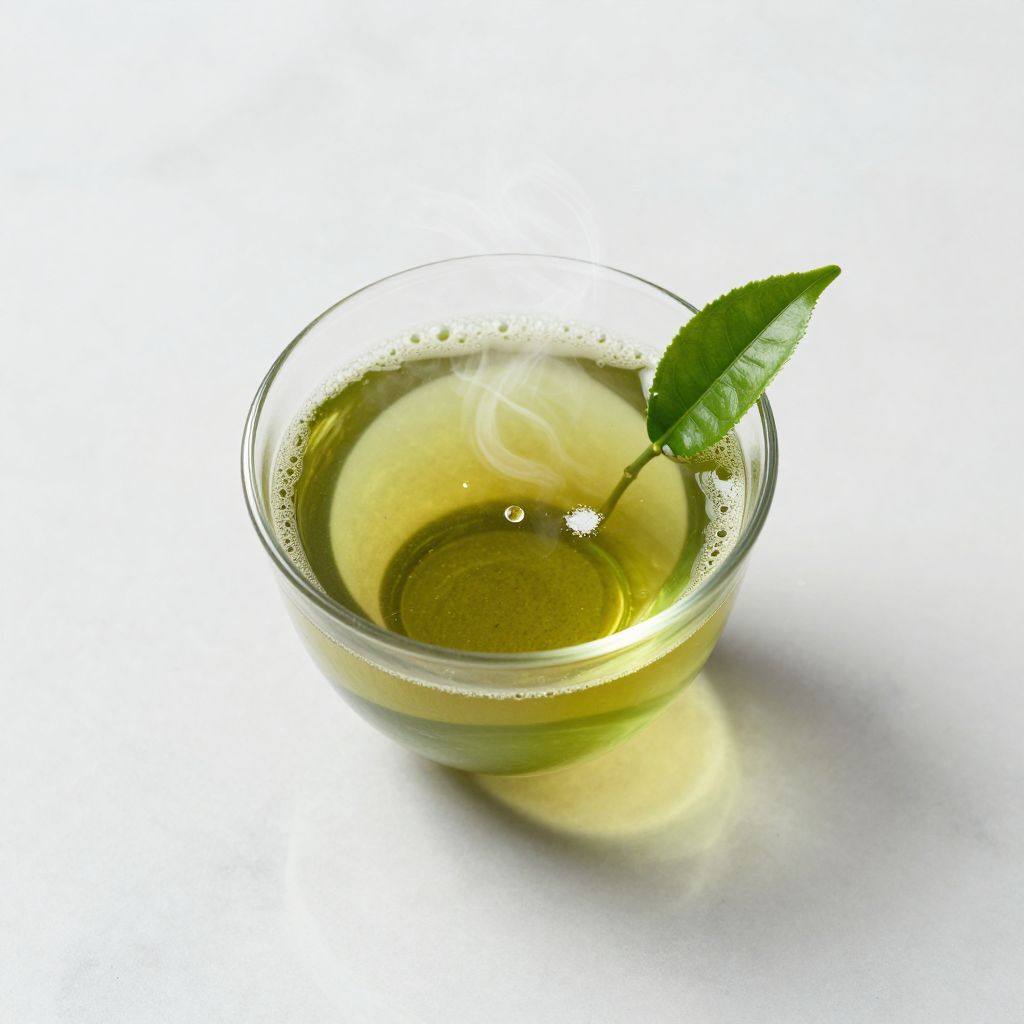
Imagine stepping into a quiet tea house in Tokyo’s Shibuya district, where steam rises from a delicate ceramic cup and the aroma of roasted green tea fills the air around you. Tokyo tea captures that serene moment in your own kitchen, blending the subtle umami of matcha, the earthiness of sencha, and a touch of honey into a drink that feels both energizing and calming at once.
This recipe celebrates the Japanese art of tea-making without requiring fancy whisks or ceremonial pressure. What makes it special is how the layered flavors develop as you steep, creating a complexity that tastes far more sophisticated than the five minutes it takes to prepare.
Why You’ll Love This Recipe
Tokyo tea delivers a balanced, naturally sweet beverage that works as a morning pick-me-up or an afternoon reset. You’ll appreciate how simple the ingredients are yet how elegant the final cup tastes.
- Takes just 5 minutes from start to finish, no special equipment required.
- Combines multiple Japanese tea varieties for layered, complex flavor.
- Naturally energizing without the jittery crash of strong coffee.
- Customizable to your preferred sweetness and strength.
- Costs far less than ordering the same drink at a cafe.
My Experience Making This Recipe
I first encountered this drink at a small tea bar near Harajuku and became instantly hooked. The owner explained that many Tokyo residents prepare quick versions at home for busy mornings, yet never sacrifice quality for speed.
When I recreated it at home, I was surprised how forgiving the recipe proved to be. Water temperature matters more than exact timing, and you can adjust sweetness on a whim based on your mood.
The real revelation came when I served it to guests who typically reach for coffee. They sipped slowly, noticing how the flavor changed as the cup cooled, and asked for the recipe immediately.
Recipe Overview
- Recipe Name: Tokyo Tea
- Servings: 1
- Prep Time: 2 minutes
- Cook Time: 3 minutes
- Total Time: 5 minutes
- Course: Beverage
- Cuisine: Japanese
- Calories per Serving: 35
Equipment You Will Need
- One 8-ounce ceramic or glass teacup
- One small saucepan or kettle
- One fine mesh strainer or tea infuser
- One small spoon for stirring
- One small whisk (optional, for matcha)
Ingredients for Tokyo Tea
- Sencha green tea leaves: 1 teaspoon loose leaf
- Matcha powder: 1/4 teaspoon
- Hot water: 8 ounces at 160-170 degrees Fahrenheit
- Raw honey: 1/2 teaspoon to 1 teaspoon, adjusted to taste
- Fresh lemon juice: 2-3 drops (optional)
- Sea salt: one tiny pinch
Ingredient Notes and Substitutions
- Sencha green tea: This Japanese green tea provides a grassy, slightly sweet base note. If you cannot find sencha, use gyokuro or high-quality jasmine green tea, though the flavor will shift slightly more floral.
- Matcha powder: The powdered green tea adds vibrant color, umami depth, and sustained energy. Substitute with 1/2 teaspoon of loose gyokuro if matcha is unavailable, though you will lose the iconic bright green hue.
- Honey: This natural sweetener balances the tea’s slight bitterness without overpowering delicate flavors. You can swap for agave nectar at the same ratio, but skip it entirely if you prefer an unsweetened version.
- Water temperature: Boiling water will scorch the leaves and create an astringent, unpleasant taste. If you lack a thermometer, let boiled water cool for 3-4 minutes before pouring.
- Lemon juice: A tiny splash brightens the flavor and increases your body’s ability to absorb the tea’s antioxidants. You can omit it if you prefer the pure tea flavor without citrus notes.
How to Make Tokyo Tea
Step 1: Heat Your Water to the Right Temperature
Fill your kettle with fresh, filtered water and heat it until small bubbles form around the edges, reaching approximately 160-170 degrees Fahrenheit. Using water that is too hot will scorch the delicate green tea leaves and create a bitter, unpleasant taste instead of the smooth, grassy flavor you are after.
Step 2: Prepare Your Teacup
Place your ceramic or glass teacup on a flat surface and have your fine mesh strainer ready beside it. Warming your cup first by rinsing it with hot water helps maintain the tea’s temperature throughout steeping.
Step 3: Add the Sencha Tea Leaves
Measure out 1 teaspoon of loose sencha green tea leaves and pour them directly into your strainer or tea infuser. The sencha provides the foundation of your drink with its naturally sweet, grassy notes that form the perfect base.
Step 4: Pour Hot Water Over the Leaves
Slowly pour the heated water over the sencha leaves in your strainer, filling the cup about three-quarters full. This gradual pouring allows the leaves to bloom and release their flavors evenly rather than all at once.
Step 5: Steep for Two to Three Minutes
Let the tea steep undisturbed for 2 to 3 minutes, depending on how strong you prefer your drink. Shorter steeping times yield a lighter, more delicate flavor, while longer times create more body and intensity.
Step 6: Remove the Strainer and Add Matcha
Carefully lift out the strainer and discard the spent leaves. Add the 1/4 teaspoon of matcha powder directly to the hot tea, whisking gently if you have a small bamboo whisk, or stirring briskly with a regular spoon until no lumps remain.
Step 7: Sweeten with Honey
Pour in 1/2 teaspoon to 1 teaspoon of raw honey, depending on your sweetness preference, and stir thoroughly until it dissolves completely into the warm tea. Honey also adds a subtle floral note that complements the green tea’s natural flavors.
Step 8: Add Optional Finishing Touches
If you enjoy citrus brightness, add 2 to 3 drops of fresh lemon juice and stir gently. Top with a tiny pinch of sea salt, which may sound unusual but actually enhances the tea’s natural sweetness and balances any lingering astringency.
Pro Tip: The matcha will settle to the bottom if you let your tea cool slightly before drinking, so stir once more just before taking your first sip to keep that vibrant green color and smooth texture throughout.
Tips for the Best Tokyo Tea
- Buy loose leaf sencha from a reputable Japanese tea supplier rather than pre-bagged tea, which often contains dust and broken leaves that cloud the brew and diminish flavor clarity.
- Store your matcha powder in an airtight container in the refrigerator away from light and heat, since matcha oxidizes quickly once exposed to air and loses its bright green color and fresh taste.
- Use filtered water if your tap water is heavily chlorinated or mineral-heavy, as these elements interfere with the subtle flavors of delicate Japanese green tea.
- Taste the tea plain before adding sweetener so you can appreciate the natural umami and grassy notes, then adjust honey to your preference rather than guessing at the right amount.
- Drink your tea while it is still warm but not scorching, as the flavor profile shifts and becomes more complex as the beverage cools gradually over several minutes.
- Experiment with water temperature by starting at 160 degrees and gradually increasing by 5-degree increments if you prefer a stronger brew, since higher heat extracts more compounds from the leaves.
Common Mistakes to Avoid
- Using boiling water directly on the tea leaves will scald them and create a harsh, astringent flavor that tastes nothing like proper Japanese green tea should.
- Steeping for longer than 4 minutes causes the tea to become bitter and unpleasantly grassy, overpowering the delicate balance you worked to create.
- Whisking matcha with cold water before adding it to the hot tea creates clumps that float as hard balls rather than dissolving smoothly into the drink.
- Adding honey to the cooled tea instead of the hot tea leaves you with undissolved sweetener sitting at the bottom of your cup rather than integrated throughout.
- Skipping the salt entirely removes a key ingredient that balances flavors and makes the tea taste incomplete and slightly flat compared to the properly seasoned version.
Serving Suggestions
Tokyo tea shines best when served as a standalone beverage during a quiet morning moment or as a palate cleanser between meals. The light, refreshing quality makes it perfect for mid-afternoon slumps when you need energy without heaviness.
- Pair with light pastries like mochi or almond biscuits that do not overpower the tea’s subtle flavors.
- Serve alongside sushi or sashimi as a complement that cuts through richness and cleanses the palate.
- Enjoy with fresh fruit or a small salad for a completely plant-based, energizing light meal.
- Offer at the end of dinner as a sophisticated alternative to coffee that aids digestion without keeping guests awake.
- Chill completely over ice for a refreshing iced version during warm weather months.
Variations to Try
- Honey Ginger Tokyo Tea: Add 1/4 teaspoon of fresh ginger juice or a small pinch of dried ginger powder along with the matcha for warmth and subtle spice that enhances the tea’s natural earthiness.
- Vanilla Matcha Version: Stir in 2 drops of pure vanilla extract after removing the sencha leaves for a creamier, slightly sweet variation that tastes almost dessert-like without added sugar.
- Floral Twist: Replace the sencha with half sencha and half jasmine green tea for a more fragrant, delicate version that softens the matcha’s intensity.
- Coconut Milk Tokyo Tea: Reduce the water to 6 ounces and add 2 ounces of unsweetened coconut milk for a silkier, richer beverage with tropical undertones.
- Iced Tokyo Tea: Follow the recipe exactly but pour the finished tea over ice instead of sipping it warm, adjusting honey upward since chilling mutes the tea’s natural sweetness perception.
Dietary Adaptations
- Gluten-Free: All ingredients in the base Tokyo tea recipe are naturally gluten-free, so no modifications needed unless you use flavored matcha powder that may contain additives.
- Dairy-Free: This recipe contains no dairy products at all, making it naturally suitable for vegan, dairy-free, and lactose-intolerant diets without any substitutions.
- Vegan and Vegetarian: Skip the honey and use agave nectar, maple syrup, or simply enjoy the tea unsweetened to maintain a fully plant-based beverage.
- Low-Carb and Keto: Omit the honey entirely or use a small amount of stevia to keep carbohydrates minimal while preserving the tea’s natural flavor complexity.
- Lower Caffeine: Use half the sencha leaf amount and reduce steeping time to 1.5 minutes, though this will lighten the flavor profile noticeably compared to the full-strength version.
Storage and Reheating
Refrigerator
Store leftover brewed Tokyo tea in a sealed glass container for up to 24 hours, though the flavor fades after about 12 hours as the delicate notes oxidize.
- Keep the tea separate from strong-smelling foods like garlic or onions since it absorbs odors easily.
- Always taste before reheating to check if the flavor remains fresh and pleasant.
Freezer
You can freeze brewed Tokyo tea in ice cube trays for up to 3 months to use in iced tea or blended drinks later. Note that frozen tea loses some subtle flavor complexity but remains usable for less refined applications.
- Pop out frozen cubes and store them in a freezer bag to save space.
- Use frozen cubes within 2-3 months for best quality.
Reheating
Warm leftover tea gently in a small saucepan over low heat rather than microwaving, which can create uneven hot spots and damage the delicate flavors.
- Reheat to about 160 degrees Fahrenheit to prevent scorching.
- Do not let the tea simmer or boil, as this will make it taste stale and bitter.
Nutrition Information
| Nutrient | Amount |
|---|---|
| Calories | 35 |
| Total Fat | 0g |
| Saturated Fat | 0g |
| Carbohydrates | 9g |
| Fiber | 0g |
| Sugar | 8g |
| Protein | 0.5g |
| Sodium | 2mg |
| Cholesterol | 0mg |
This nutritional information reflects the recipe as written with 3/4 teaspoon of honey and includes matcha’s natural amino acids and antioxidants. Adjusting sweetness or adding milk products will change these values accordingly.
Frequently Asked Questions
Can I make Tokyo tea without matcha powder?
Yes, you can brew sencha alone and skip the matcha entirely, though you will lose the vibrant green color and matcha’s unique umami boost. The drink will taste lighter and more delicate but still pleasant and refreshing.
How far in advance can I prepare the ingredients?
You can measure out your sencha leaves and matcha powder the night before in small containers, but brew the tea fresh just before drinking for maximum flavor quality. Prepared tea loses its subtlety quickly as the tea compounds oxidize.
What if my matcha is clumpy or won’t dissolve?
Sift your matcha powder through a fine strainer before whisking it with the hot tea to break up any lumps that formed from moisture exposure. A small bamboo whisk designed for matcha also works better than a regular spoon for achieving a smooth, creamy texture.
Is the salt really necessary in Tokyo tea?
Yes, the salt is crucial because it suppresses the perception of bitterness and enhances the tea’s natural sweetness, making the overall drink taste more balanced and complete. Omitting it leaves the tea tasting flat and one-dimensional by comparison.
Can I add milk or cream to Tokyo tea?
You can add a splash of milk or cream if you prefer, but this dilutes the delicate flavors and hides the matcha’s natural umami depth that makes the drink special. Traditional Japanese tea culture enjoys green tea plain to appreciate its subtle qualities fully.
Where should I buy quality sencha and matcha?
Look for specialty tea shops, Japanese markets, or reputable online retailers that sell directly from tea farmers rather than mass-market grocery stores. Freshness matters significantly with green tea, so smaller vendors with higher turnover offer better quality than big box stores.
Final Thoughts
Tokyo tea represents something increasingly rare in modern life: a simple ritual that slows you down and rewards attention to detail. Making this drink becomes a brief meditation, transforming a morning routine into a moment of calm before the day rushes in.
The beauty lies in how accessible it is, requiring no fancy equipment or obscure ingredients while delivering a beverage that tastes like you spent hours perfecting it. Try this recipe tomorrow morning and notice how the drink’s subtle complexity unfolds with each sip, becoming a reason to pause and savor rather than rush through your day.
Tokyo Tea
Ingredients
Equipment
Method
- Fill your kettle with fresh, filtered water and heat it until small bubbles form around the edges, reaching approximately 160-170 degrees Fahrenheit. Using water that is too hot will scorch the delicate green tea leaves and create a bitter, unpleasant taste.
- Place your ceramic or glass teacup on a flat surface and have your fine mesh strainer ready beside it. Warm your cup first by rinsing it with hot water to help maintain the tea's temperature throughout steeping.
- Measure out 1 teaspoon of loose sencha green tea leaves and pour them directly into your strainer or tea infuser.
- Slowly pour the heated water over the sencha leaves in your strainer, filling the cup about three-quarters full. This gradual pouring allows the leaves to bloom and release their flavors evenly.
- Let the tea steep undisturbed for 2 to 3 minutes, depending on how strong you prefer your drink. Shorter steeping times yield a lighter, more delicate flavor, while longer times create more body and intensity.
- Carefully lift out the strainer and discard the spent leaves. Add the 1/4 teaspoon of matcha powder directly to the hot tea, whisking gently if you have a small bamboo whisk, or stirring briskly with a regular spoon until no lumps remain.
- Pour in 1/2 teaspoon to 1 teaspoon of raw honey, depending on your sweetness preference, and stir thoroughly until it dissolves completely into the warm tea.
- If you enjoy citrus brightness, add 2 to 3 drops of fresh lemon juice and stir gently. Top with a tiny pinch of sea salt, which enhances the tea's natural sweetness and balances any lingering astringency. Stir once more before drinking to keep the vibrant green color and smooth texture throughout.