
Imagine cracking open a crisp, cool bottle of something that tastes like a forest walk captured in liquid form. Pine soda delivers exactly that: a bright, herbaceous fizz that feels both nostalgic and unexpectedly modern.
This recipe stands out because it bridges homemade craft soda with foraged ingredients, giving you control over sweetness, carbonation, and that signature piney punch. Whether you’re a DIY beverage enthusiast or someone curious about building flavor from scratch, this drink rewards the effort with something you simply cannot buy off a shelf.
The magic lies in the infusion technique and the balance between the resinous pine notes, citrus brightness, and gentle sweetness. You’ll end up with a concentrate that transforms into sparkling refreshment in seconds, making it perfect for entertaining or stocking your fridge for those moments when you crave something genuinely special.
Why You’ll Love This Recipe
Pine soda offers something store-bought sodas cannot: real, recognizable ingredients and a flavor profile that feels refined yet approachable. You control every element, from the intensity of the pine to the level of carbonation.
- Foraged or cultivated pine needles deliver bright, complex herbal notes without artificial flavoring
- The homemade concentrate keeps for weeks, so one batch serves many occasions
- Works beautifully in cocktails or as a standalone refreshment for any time of day
- Impresses guests with its visual clarity and unexpected flavor profile
- Adaptable to different pine varieties and sweetening agents based on what you have on hand
My Experience Making This Recipe
The first time I made pine soda, I harvested young pine needles from trees near my home on a crisp spring morning when the resin content peaks. The kitchen smelled incredible as the needles steeped, filling the air with forest freshness that made me genuinely excited about what came next.
When I tasted the first batch carbonated and chilled, I understood immediately why this drink has history. The flavor felt clean and alive, with subtle citrus undertones that brightened the herbaceous base rather than fighting it.
My friends who tried it asked for the recipe immediately, and several admitted they’d never encountered anything quite like it. The combination of familiar soda satisfaction with genuinely interesting flavor created the kind of moment where people pause mid-sip to really taste what’s happening.
Recipe Overview
- Recipe Name: Pine Soda
- Servings: 8 servings (makes about 2 cups concentrate)
- Prep Time: 20 minutes
- Steep Time: 24 hours
- Cook Time: 10 minutes
- Total Time: 24 hours 30 minutes
- Course: Beverage
- Cuisine: Modern Foraging
- Calories per Serving: 45
Equipment You Will Need
- Large glass jar or container (32 ounces minimum)
- Fine mesh strainer or cheesecloth
- Small saucepan
- Wooden spoon
- Measuring cups and spoons
- Bottles or jars for storing concentrate
- Carbonation system or seltzer bottles (optional but recommended)
- Zester or microplane grater
- Funnel (helpful but not essential)
Ingredients for Pine Soda
- Fresh pine needles: 1 cup, loosely packed (young spring needles work best)
- Filtered water: 4 cups
- Honey or cane sugar: 1 cup
- Fresh lemon juice: 3 tablespoons
- Citric acid: 1/2 teaspoon (helps preserve and adds bright tang)
- Sea salt: 1/4 teaspoon (enhances herbal notes)
- Optional: fresh ginger slices: 2 tablespoons (adds warmth and complexity)
Ingredient Notes and Substitutions
- Fresh pine needles: Young spring needles contain the most floral, less resinous notes; older needles taste stronger and more bitter. If you cannot forage locally, check farmers markets or specialty food suppliers. Substitute with 1 teaspoon dried pine needles if fresh are unavailable, though the flavor will be less vibrant.
- Honey versus cane sugar: Honey adds subtle floral sweetness and aids preservation; cane sugar gives cleaner flavor and faster dissolution. Use honey if you want complexity and longer shelf life, or use cane sugar if you prefer a lighter, crisper finish.
- Lemon juice: Fresh lemon is essential for brightness and natural preservation; bottled lemon juice lacks the complexity. If lemons are unavailable, use fresh lime juice or white wine vinegar at half the amount.
- Citric acid: This powder brightens the syrup and prevents microbial growth during storage. If you cannot find it, substitute with an extra 1 tablespoon of fresh lemon juice, though shelf life will shorten slightly.
- Sea salt: Enhances the herbal character and balances sweetness; table salt works but may taste metallic. Use it sparingly or skip entirely if you prefer a simpler flavor.
How to Make Pine Soda
Step 1: Harvest and Prepare Your Pine Needles
Select young, bright green needles from the tips of pine branches, avoiding any that look brown, dried, or diseased. Gently rinse them under cool water and pat dry completely with a clean kitchen towel, as excess moisture can dilute your infusion.
Step 2: Blanch the Pine Needles
Bring a small saucepan of water to a boil, then briefly submerge the pine needles for 30 seconds before removing them with a slotted spoon. This blanching step removes surface dust and slightly mellows the intense resin oils, making the final flavor more balanced and approachable.
Step 3: Create Your Steeping Base
Pour 4 cups of filtered water into your large glass jar and add the blanched pine needles along with the ginger slices if using. Ginger adds warmth and spice that complements the herbal piney notes without overpowering them.
Step 4: Steep the Mixture
Cover the jar loosely and let it sit at room temperature for 24 hours, allowing the needles to fully infuse their flavor into the water. The liquid should deepen in color to a pale golden-green; avoid direct sunlight, which can degrade the delicate flavor compounds.
Step 5: Strain the Infusion
Line your mesh strainer with cheesecloth and carefully pour the steeped liquid through, pressing gently on the needles to extract every bit of flavor without forcing plant material through. Discard the spent needles and ginger, keeping only the clear, fragrant liquid.
Step 6: Prepare Your Sweetening Syrup
In a small saucepan, combine the honey (or cane sugar), citric acid, and sea salt with 1 cup of the strained pine infusion over medium heat. Stir until the sweetener fully dissolves, then remove from heat immediately to preserve the delicate herbal notes.
Step 7: Combine and Cool
Add the warm syrup mixture back into the remaining strained pine infusion, stirring gently to combine. Add the fresh lemon juice, then let the concentrate cool completely to room temperature before covering and refrigerating.
Step 8: Carbonate and Serve
To make your soda, combine 1 part pine concentrate with 3 parts chilled seltzer or carbonated water, adjusting the ratio to your taste preference. Pour over ice and serve immediately, or store the concentrate in sealed bottles for up to three weeks.
Pro Tip: The quality of your pine needles determines everything; source them from trees you trust or purchase from reputable foragers, as some pine varieties can cause digestive upset and not all pines are food-safe.
Tips for the Best Pine Soda
- Harvest or purchase pine needles in spring when they’re most tender and least bitter; avoid mature needles from late summer onward, which taste overly resinous.
- Use filtered water throughout the process, as mineral-heavy tap water can muddy the bright herbal notes and react oddly with citric acid.
- Keep all equipment absolutely clean and your jars sterilized before use; any contamination will ruin your carefully crafted concentrate.
- Taste the concentrate on its own before carbonating so you can adjust sweetness or lemon juice if needed; this step prevents wasting carbonated water on an imbalanced concentrate.
- Serve the soda very cold, as chilling suppresses harsh notes and makes the flavor feel more refined and refreshing.
- Shake the concentrate gently before using, as some settling naturally occurs during storage without affecting safety or taste.
Common Mistakes to Avoid
- Using old or discolored pine needles will create a bitter, unpleasant drink that tastes medicinal rather than refreshing. Always choose bright, springy needles from new growth.
- Over-steeping beyond 24 hours extracts excessive tannins and resin, pushing the flavor from herbal to harsh and astringent. Set a timer and stick to it.
- Skipping the blanching step sounds like efficiency but results in a cloudier infusion with more sediment and a wilder, less balanced flavor profile.
- Using table salt instead of sea salt introduces iodine flavors that clash with the delicate herbal character. The mineral content and taste profile matter.
- Adding carbonation while the concentrate is still warm causes excessive fizz loss and uneven distribution, leaving you with flat soda within minutes.
Serving Suggestions
Pine soda shines on its own as a sophisticated non-alcoholic refreshment, but it also transforms simple gatherings into memorable experiences. Try it in unexpected combinations that highlight its herbal brightness.
- Serve over crushed ice with a thin lemon wheel and a sprig of fresh mint for a spa-like afternoon drink
- Mix with sparkling water and a splash of vodka or gin for a botanical cocktail that feels both modern and classic
- Combine with fresh apple juice for a cider-adjacent drink that tastes especially good in cooler months
- Float a scoop of vanilla ice cream into the soda for a unique float that balances sweet and herbal notes
- Pair with light appetizers like goat cheese, crackers, and cured meats at dinner parties where you want conversation-starting beverages
Variations to Try
- Pine and Rosemary Blend: Replace half the pine needles with fresh rosemary sprigs to create an even more complex herbal profile with subtle savory notes that pair beautifully with food.
- Spiced Pine Soda: Add a cinnamon stick, three whole cloves, and a star anise pod to the steeping jar for warmth and depth that makes this soda feel more like a cozy autumn beverage.
- Pine Soda with Elderflower: Steep 2 tablespoons of dried elderflowers alongside the pine needles to add floral sweetness that softens the herbaceous intensity.
- Honey-Infused Version: Replace plain honey with raw wildflower or acacia honey for deeper complexity and additional subtle floral undertones that enhance the pine character.
- Smoky Pine Soda: Add 1 tablespoon of high-quality smoked sea salt during the syrup preparation for a modern, unexpected twist that appeals to adventurous palates.
Dietary Adaptations
- Gluten-Free: Pine soda concentrate is naturally gluten-free; simply ensure your seltzer and all equipment are gluten-free certified if serving to those with celiac disease or gluten sensitivity.
- Dairy-Free: The base recipe contains no dairy, making it suitable for vegans and those avoiding dairy products without any modifications needed.
- Low-Sugar or Keto-Friendly: Replace the honey or cane sugar with erythritol or monk fruit sweetener at a 1:1 ratio to dramatically reduce carbohydrates while maintaining sweetness, though the mouthfeel will shift slightly.
- Vegan: This recipe is already vegan; honey can be replaced with agave nectar or maple syrup if you prefer a stricter vegan approach, though honey works beautifully here.
Storage and Reheating
Refrigerator
Store your pine soda concentrate in airtight glass bottles in the coldest part of your refrigerator, where it keeps safely for up to three weeks. The citric acid and honey act as natural preservatives, but the cooler temperature ensures quality and prevents any fermentation.
- Always use clean, sterilized bottles with tight-fitting lids
- Keep bottles away from strong-smelling foods, as glass can absorb aromas
- The concentrate may develop a slight sediment over time; this is normal and harmless
Freezer
While the concentrate itself freezes safely, carbonated soda does not freeze well as the bubbles will dissipate. If you want to preserve concentrate long-term, freeze it in ice cube trays, then transfer frozen cubes to freezer bags for up to six months.
- Thaw cubes in the refrigerator before using
- Never freeze already-carbonated soda, as pressure buildup can burst bottles
Reheating
Pine soda concentrate does not require reheating; simply mix cold concentrate with chilled seltzer or sparkling water whenever you want to enjoy a drink. If you froze concentrate cubes, allow them to thaw naturally in the refrigerator before combining with carbonated water.
- Never heat the concentrate once citric acid is added, as heat can break down the flavor profile
- Always carbonate with cold water and serve immediately for maximum fizz and flavor brightness
Nutrition Information
| Nutrient | Amount |
|---|---|
| Calories | 45 |
| Total Fat | 0g |
| Saturated Fat | 0g |
| Carbohydrates | 12g |
| Fiber | 0g |
| Sugar | 11g |
| Protein | 0g |
| Sodium | 65mg |
| Cholesterol | 0mg |
These values represent one serving of concentrate mixed with three parts seltzer or sparkling water. Actual nutrition will vary slightly depending on your specific sweetener choice and carbonation ratio.
Frequently Asked Questions
Can I use any type of pine tree?
Not all pine species are safe for consumption, so source your needles from white pine, Douglas fir, or other culinary-friendly species. Research your local varieties or purchase from reputable foragers who specialize in edible plants.
What if my pine soda tastes too bitter?
Bitterness usually comes from over-steeping or using mature needles; when making your next batch, reduce steeping time to 18 hours and source younger spring growth. You can also add an extra teaspoon of honey to your concentrate to balance the harsh notes.
How do I know if my pine needles are safe to forage?
Consult with a local foraging expert or use multiple field guides to confirm your pine species before harvesting anything. When in doubt, purchase pre-vetted pine needles from specialty food suppliers or farmers markets rather than risking misidentification.
Can I make this soda without a carbonation system?
Absolutely; simply use store-bought seltzer or sparkling water, which gives you excellent results without any special equipment. The concentrate itself is where the flavor lives, so quality bottled carbonation works beautifully.
Why does my concentrate look cloudy instead of clear?
Cloudiness usually results from plant material passing through the strainer or from using tap water with high mineral content. Strain again through cheesecloth for clarity, or use filtered water when making your next batch.
Can I adjust the sweetness after steeping?
Yes, taste the concentrate before carbonating and add extra honey or a bit of simple syrup if needed. It’s easier to add sweetness than remove it, so start conservatively and adjust upward.
How much concentrate should I use per drink?
The standard ratio is one part concentrate to three parts seltzer, but adjust based on your taste preference; some people enjoy it stronger at one-to-two, while others prefer it lighter at one-to-four.
Final Thoughts
Making pine soda from scratch connects you to something timeless and real in a world of mass-produced beverages. The process takes patience, but the reward is a drink that tastes alive and genuinely different from anything commercial.
Give this recipe a try with fresh ingredients and an open mind, and you’ll understand why people seek out foraged flavors in the first place. Once you taste your own creation, chilled and fizzing over ice, you’ll likely find yourself planning your next batch before you finish the first one.
Explore More Beverage Recipes
Now that you have mastered pine soda, discover other creative and refreshing drink recipes to expand your homemade beverage collection.
Check out our pine needle soda recipe for another take on this foraged classic that brings fresh perspective to herbal sodas.
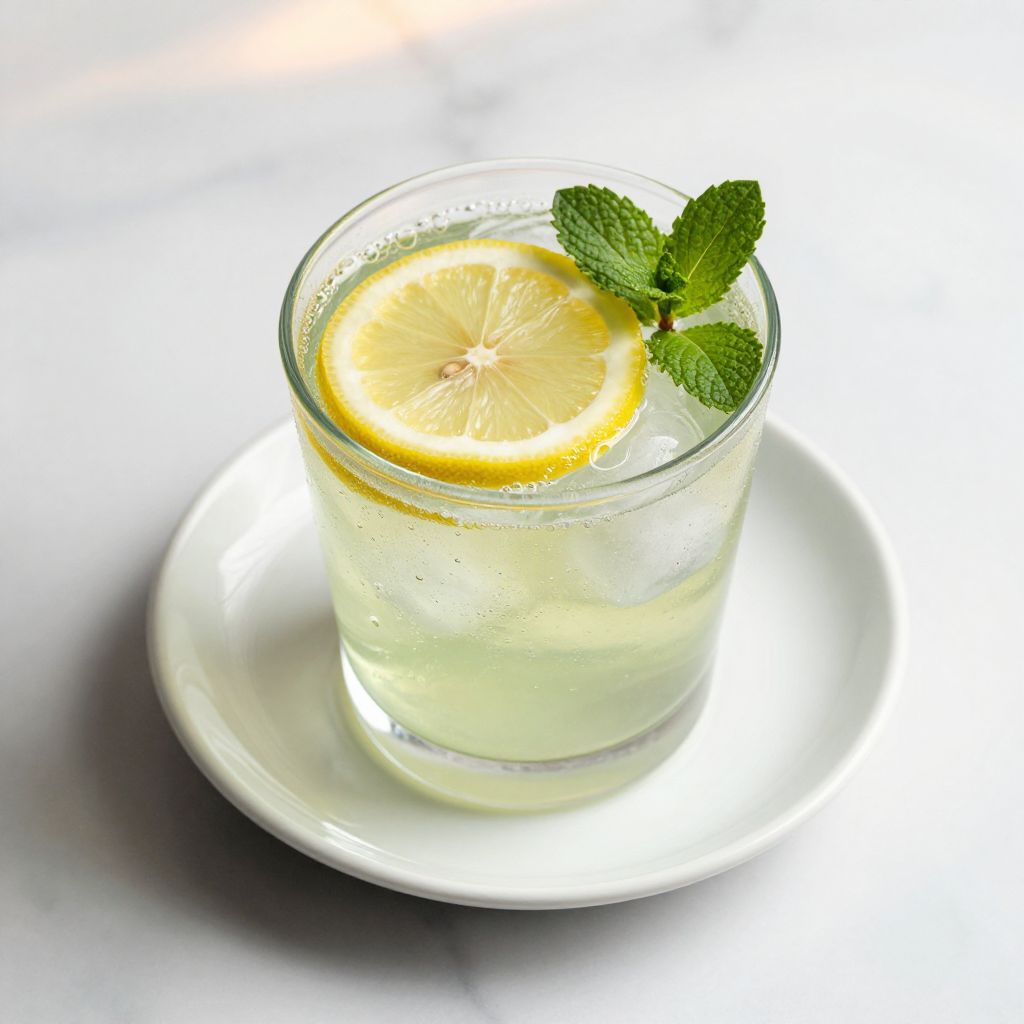
Pine Soda
Ingredients
Equipment
Method
- Rinse 1 cup fresh pine needles under cool water and pat dry.
- Bring 4 cups of filtered water to a boil in a small saucepan over high heat.
- Blanch the pine needles by submerging them in boiling water for 30 seconds, then remove with a slotted spoon.
- Combine the blanched needles and ginger slices in a large glass jar, pour the hot water over them, cover loosely, and steep at room temperature for 24 hours.
- Line a fine mesh strainer with cheesecloth and strain the infusion into a clean container, discarding solids.
- In a small saucepan over medium heat, stir together 1 cup honey or cane sugar, 1/2 teaspoon citric acid, 1/4 teaspoon sea salt, and 1 cup of strained infusion until the sweetener dissolves (about 2-3 minutes), then remove from heat.
- Pour the warm syrup back into the remaining infusion, stir in 3 tablespoons fresh lemon juice, and let the concentrate cool to room temperature.
- Transfer the concentrate to sterilized bottles and refrigerate for up to three weeks.
- To serve, mix one part concentrate with three parts chilled carbonated water over ice and stir gently.