
Picture yourself on a warm evening, glass in hand, watching the sunset while sipping something fruity, refreshing, and impossibly smooth. That’s the magic of Olive Garden Sangria, the restaurant’s signature wine cocktail that tastes like summer in a glass. This copycat recipe captures the exact balance of wine, fruit, and subtle sweetness that keeps people ordering pitcher after pitcher at their favorite Italian-American chain.
What makes this sangria special is how simple it is to make at home, yet how restaurant-quality it tastes. The secret lies in using quality wine, fresh fruit, and letting the flavors meld together overnight. You’ll impress guests, save money on happy hour bills, and have a crowd-pleasing drink ready whenever you want it.
Why You’ll Love This Recipe
This sangria hits all the right notes for entertaining or simple relaxation. It’s a foolproof recipe that tastes better the longer it sits, making it perfect for make-ahead entertaining.
- Tastes exactly like the restaurant version without the restaurant markup
- Takes 10 minutes to prepare and improves overnight
- Easily scalable for small gatherings or large parties
- Works with red wine, white wine, or a blend depending on your mood
- Impresses guests while requiring zero cooking skills
My Experience Making This Recipe
The first time I made this at home, I was skeptical that I could replicate the Olive Garden version. After testing several ratios of wine, juice, and fruit, I nailed it, and honestly, my version tastes slightly better because I use fresher ingredients than what I suspect they use at scale.
I’ve made this for backyard gatherings, potlucks, and quiet Friday nights, and the reaction is always the same: people ask if it’s homemade or if I ordered it from the restaurant. The fruit softens and absorbs the wine flavors beautifully, creating these little flavor bombs when you drink from the bottom of the glass.
My favorite moment is watching someone take that first sip and their eyes light up. The balance of fruity sweetness with the wine’s natural tannins makes it dangerously easy to drink, so I always remind guests to pace themselves.
Recipe Overview
- Recipe Name: Olive Garden Sangria
- Servings: 8 to 10 servings
- Prep Time: 10 minutes
- Chill Time: 4 to 8 hours or overnight
- Total Time: 4 hours 10 minutes plus chilling
- Course: Beverage
- Cuisine: Italian-American
- Calories per Serving: 180 calories
Equipment You Will Need
- Large pitcher or beverage dispenser
- Cutting board
- Sharp knife
- Measuring cups
- Measuring spoons
- Spoon or bar stirrer for mixing
- Wine glasses or goblets
- Cocktail strainer (optional, for pouring without fruit)
Ingredients for Olive Garden Sangria
- Red wine: 1 bottle (750 ml) of a fruity, medium-bodied red such as Pinot Noir or Merlot
- Orange juice: 1 cup of fresh or high-quality bottled orange juice
- Cranberry juice: 1 cup of cranberry juice cocktail
- Brandy: 1/4 cup of brandy or cognac for depth
- Orange: 1 large orange, sliced into thin rounds
- Apple: 1 Granny Smith apple, cored and sliced into thin wedges
- Lemon: 1 lemon, sliced into thin rounds
- Fresh raspberries: 1/2 cup of fresh raspberries
- Granulated sugar: 2 tablespoons
- Sparkling water or club soda: 1 cup, added just before serving
- Ice: As needed for chilling
Ingredient Notes and Substitutions
- Red Wine: A fruity red wine with moderate tannins balances the fruit juices without overpowering them. If you prefer white sangria, swap for a Pinot Grigio or Sauvignon Blanc, and use white grape juice instead of cranberry juice.
- Orange and Cranberry Juice: These juices create the signature sweetness and color of the restaurant version. You can replace cranberry juice with pomegranate juice for a slightly different flavor profile and deeper color.
- Brandy: Brandy adds warmth and sophistication to the drink. If you prefer a lower alcohol version, use 2 tablespoons instead, or substitute with a splash of vanilla extract for a softer effect.
- Fresh Fruit: Apples, oranges, and lemons are essential, but you can add pineapple, berries, or stone fruits for variation. Avoid strawberries if making ahead for more than 24 hours, as they break down and turn mushy.
- Sparkling Water: Adding carbonation just before serving keeps the sangria refreshing and prevents it from becoming flat. If you prefer a still version, skip this step entirely or add it hours before serving.
How to Make Olive Garden Sangria
Step 1: Prepare Your Pitcher
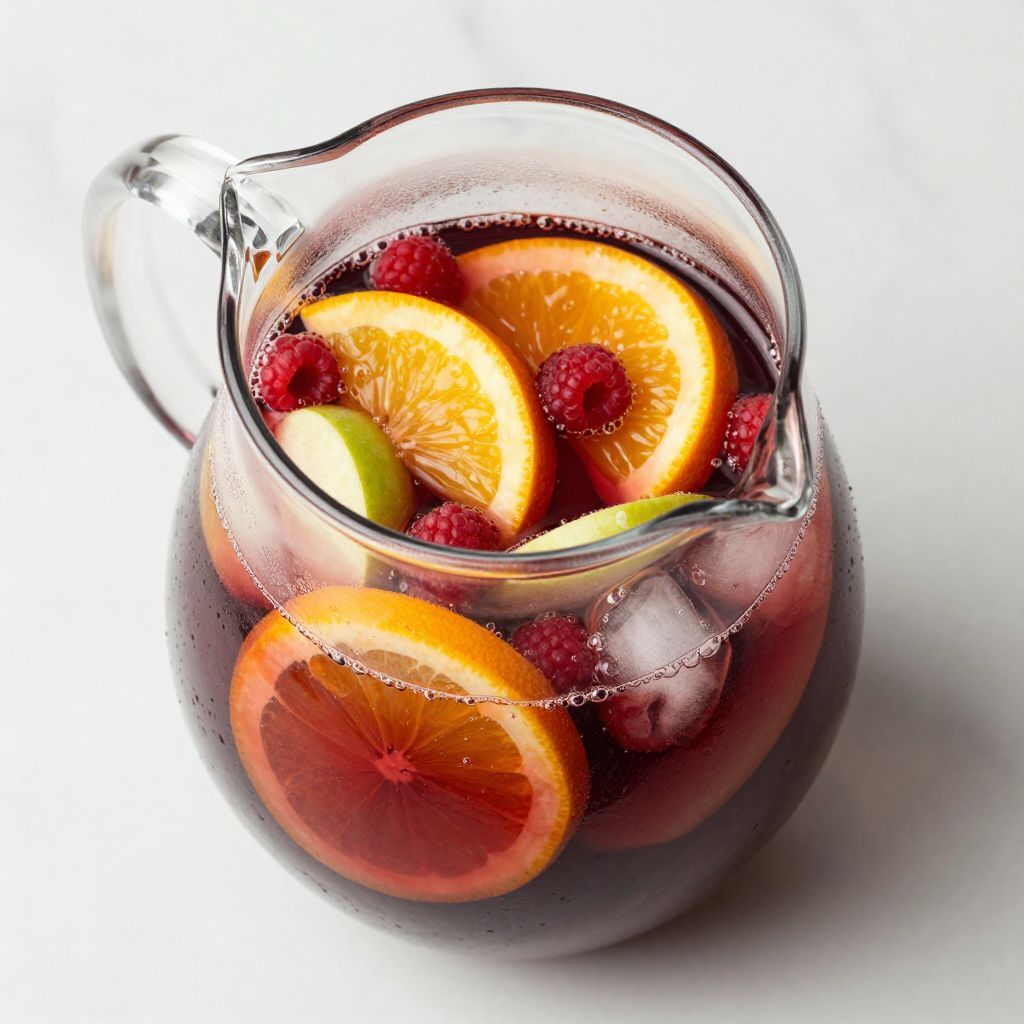
Choose a large glass pitcher or beverage dispenser that holds at least 2 quarts. A clear pitcher looks beautiful on the table and lets guests see all the fruit inside, so it serves double duty as both functional and decorative.
Step 2: Wash and Slice the Fruit
Rinse your orange, lemon, and apple under cool water, then pat dry with a clean kitchen towel. Slice the orange and lemon into thin rounds, leaving the skin on for visual appeal and natural oils, and cut the apple into thin wedges after removing the core, which prevents browning better than thin slices.
Step 3: Add Wine to the Pitcher
Pour the entire 750 ml bottle of red wine into your pitcher. The wine serves as the base that all other flavors will rest in, so making sure it’s a quality bottle you actually enjoy drinking straight is important.
Step 4: Pour In the Juices
Add 1 cup of orange juice and 1 cup of cranberry juice to the pitcher with the wine. These juices add the sweetness and fruity depth that defines this sangria, creating the signature ruby color that makes it instantly recognizable.
Step 5: Add the Brandy
Measure out 1/4 cup of brandy and add it to the pitcher, stirring gently to combine. Brandy increases the alcohol content slightly while adding notes of vanilla and oak that you can’t get from wine alone.
Step 6: Add Sugar for Sweetness
Sprinkle 2 tablespoons of granulated sugar over the liquid and stir well until the sugar dissolves completely. Tasting after adding sugar helps you adjust the sweetness to your preference, adding more sugar if you like it sweeter or skipping it entirely if you prefer a drier drink.
Step 7: Layer In the Fresh Fruit
Add the orange slices, lemon slices, apple wedges, and raspberries to the pitcher, stirring gently to distribute the fruit evenly throughout. The fruit not only looks beautiful but also slowly infuses the liquid with subtle flavors that improve with time.
Step 8: Chill Overnight
Cover the pitcher with plastic wrap or a lid and refrigerate for at least 4 hours, though overnight is ideal. As the sangria sits, the fruit releases its natural sugars and flavors, and the wine absorbs the fruit’s essence, creating a more harmonious and delicious final product.
Step 9: Add Sparkling Water and Serve
Just before serving, stir in 1 cup of sparkling water or club soda to add refreshing carbonation. Pour into ice-filled glasses, making sure each glass gets some fruit, and serve immediately while the carbonation is still active.
Pro Tip: Make your sangria the night before a party and store it in the fridge, then add the sparkling water right as guests arrive for maximum freshness and fizz.
Tips for the Best Olive Garden Sangria
- Use a wine you actually enjoy drinking, as it forms the base of your sangria and its quality directly impacts the final flavor. A $12 to $15 bottle of Pinot Noir or Merlot works perfectly without breaking the bank.
- Let the sangria sit overnight whenever possible, as this allows all the flavors to meld together and creates a more complex, refined taste than drinking it fresh. The fruit will soften slightly and absorb the wine, becoming little flavor treasures at the bottom of each glass.
- Slice your fruit thin so it distributes flavor evenly and looks elegant in the glass. Thicker fruit slices look rustic but won’t flavor the liquid as effectively.
- Add sparkling water only right before serving to maintain the fizz and refreshing quality. If you add it too early, the carbonation escapes and the drink tastes flat.
- Serve sangria in large wine glasses or goblets with plenty of ice and a piece of fruit in each glass. This presentation looks restaurant-quality and gives guests something to munch on as they drink.
- Keep a backup pitcher chilled and ready if you’re serving a crowd, as sangria goes faster than you’d expect once people taste it.
Common Mistakes to Avoid
- Using cheap wine or wine you wouldn’t drink straight will result in sangria that tastes harsh or unpleasant. Wine quality matters more than any other ingredient in this recipe.
- Skipping the overnight chilling step means you’ll miss out on the best flavors, as the fruit needs time to infuse properly. Patience truly pays off with sangria.
- Adding too much sugar creates a cloying, overly sweet drink that loses the wine’s natural character. Start with 2 tablespoons and taste before adding more.
- Cutting fruit too thick prevents proper flavor infusion and makes the sangria taste watered down. Thin slices release flavor quickly and look more elegant in the glass.
- Forgetting to remove the apple core before slicing leads to a bitter taste from the seeds. Always core apples completely before adding them to your pitcher.
Serving Suggestions
Sangria begs for company and pairs beautifully with casual entertaining or outdoor gatherings. Serve it cold in large glasses with plenty of ice and a piece of fresh fruit in each glass for visual appeal and flavor.
- Pair with Italian appetizers like bruschetta, caprese skewers, or fresh mozzarella for a Mediterranean vibe
- Serve alongside grilled chicken, fish tacos, or light pasta dishes for a refreshing complement
- Combine with charcuterie boards featuring cured meats, cheeses, and crackers for an elegant gathering
- Pour at brunch with fresh fruit, pastries, and Spanish-inspired dishes for a sophisticated morning event
- Serve at summer picnics or poolside hangouts where guests can help themselves from a large pitcher
Variations to Try
- White Sangria: Swap red wine for a crisp Pinot Grigio and use white grape juice or apple juice instead of cranberry juice, then add pineapple and peaches for a lighter, summery version. This variation feels more refreshing on extremely hot days and pairs better with lighter fish dishes.
- Tropical Sangria: Add diced pineapple, mango, and coconut rum to the recipe for a Caribbean twist that transports you to the beach. This version works beautifully at tiki-themed parties or summer vacations.
- Berry Sangria: Increase the raspberries to 1 cup and add blackberries and blueberries for a deeper berry flavor that pairs wonderfully with chocolate desserts. This variation creates a more fruity, wine-forward drink.
- Spiced Sangria: Add a cinnamon stick, a few whole cloves, and a star anise to the pitcher for warm spice notes that make sangria feel cozy and autumnal. Let these spices sit overnight for maximum flavor impact.
- Citrus-Forward Sangria: Use equal parts orange juice and lemon juice with less cranberry juice to emphasize bright, zesty flavors. Add lime slices and grapefruit segments for a more sophisticated citrus profile.
Dietary Adaptations
- Gluten-Free: All ingredients in this recipe are naturally gluten-free, though verify that your brandy and bottled juices carry a gluten-free certification if this matters for your health.
- Dairy-Free: This sangria contains no dairy ingredients, making it suitable for anyone avoiding dairy products without any modifications needed.
- Lower Alcohol: Reduce the brandy to 2 tablespoons and use half the wine, then add sparkling apple cider to make up the volume for a lighter version that’s easier to drink in quantity.
- Lower Sugar: Skip the added sugar entirely and taste the sangria before deciding if you need sweetness, as the fruit juices provide natural sugars that may be sufficient for your preferences.
- Vegan: This recipe is naturally vegan, as it contains only wine, juice, fruit, brandy, and sparkling water with no animal products of any kind.
Storage and Reheating
Refrigerator
Store leftover sangria in a covered pitcher or glass container in the refrigerator for up to 3 days. The fruit will continue absorbing flavor from the wine, making day-two and day-three sangria even tastier than the first day.
- Keep the pitcher covered to prevent the sangria from absorbing odors from other foods
- Stir before serving each time to ensure flavors are evenly distributed
- Add fresh sparkling water just before serving if the drink has gone flat
Freezer
Sangria doesn’t freeze well due to the high alcohol content and the fruit becoming mushy during thawing. Make sangria fresh for each occasion rather than attempting to freeze it.
- You can freeze individual portions of sangria in popsicle molds for a boozy frozen treat on hot summer days
- Freeze the fruit separately if you want to use it in future batches, though it won’t have the same texture
Reheating
Sangria should always be served chilled, so reheating doesn’t apply. Simply add fresh ice cubes to cold sangria before serving if it has warmed up slightly.
- Refresh the drink by adding more sparkling water if it tastes flat
- Add fresh fruit if the original fruit has disintegrated or lost its appeal
- Strain out the fruit if it becomes too soft and unappetizing after several days
Nutrition Information
| Nutrient | Amount |
|---|---|
| Calories | 180 |
| Total Fat | 0 g |
| Saturated Fat | 0 g |
| Carbohydrates | 18 g |
| Fiber | 1 g |
| Sugar | 15 g |
| Protein | 0 g |
| Sodium | 25 mg |
| Cholesterol | 0 mg |
These nutritional values are estimates based on standard ingredient databases and assume an 8-serving batch. Actual nutrition may vary depending on specific brands and the amount of sparkling water added before serving.
Frequently Asked Questions
Can I use white wine instead of red wine?
Absolutely, white sangria tastes delicious and often feels lighter and more refreshing than red. Switch to a Pinot Grigio or Sauvignon Blanc and use white grape juice or apple juice instead of cranberry juice for a naturally lighter color and flavor profile.
How far ahead can I make this sangria?
Make sangria up to 2 days in advance without adding sparkling water, then add the sparkling water right before serving for maximum fizz. The flavors actually improve after 24 hours as the fruit infuses more deeply into the wine.
What if I don’t have brandy?
You can skip the brandy entirely and increase the wine to the full amount, though you’ll lose some of the warmth and complexity the brandy provides. As a substitute, add 1/4 teaspoon of vanilla extract or a splash of rum for a different but equally delicious flavor.
Can I make this in individual glasses instead of a pitcher?
You can, though the flavors won’t meld as beautifully since the fruit won’t have as much time to infuse the liquid. Prepare individual glasses a few hours in advance if you prefer, making sure each glass gets plenty of fruit and liquid.
Does the fruit need to be fresh, or can I use frozen?
Fresh fruit works best as it looks beautiful in the pitcher and holds its shape better throughout the chilling time. Frozen fruit works in a pinch but will break down faster, making the sangria cloudier and the texture less appealing.
Can I batch this recipe and multiply the ingredients?
Absolutely, this recipe scales up beautifully for large parties or events with no issues. Simply multiply all ingredients by the number of batches you need, and prepare in a large container or multiple pitchers.
Final Thoughts
Making Olive Garden Sangria at home is one of the easiest ways to feel like a professional bartender while impressing everyone around you. You’ll spend 10 minutes on preparation and reap the rewards of endless compliments and empty glasses at your next gathering.
Stop paying restaurant prices for sangria when you can create something equally delicious, more personalized, and infinitely more budget-friendly in your own kitchen. Grab a bottle of wine tonight, slice up some fruit, and prepare to become the sangria expert your friends didn’t know they needed.
If you loved this recipe, explore more refreshing drink options on our site. Try our blackberry sangria recipe for a berry-forward variation, or mix things up with our flavored margarita recipe when you want something with a completely different flavor profile. Your home bar will thank you.
Olive Garden Sangria
Ingredients
Equipment
Method
- Choose a large glass pitcher or beverage dispenser that holds at least 2 quarts.
- Rinse the orange, lemon, and apple under cool water, pat dry, slice the orange and lemon into thin rounds, and core and slice the apple into thin wedges.
- Pour the entire 750 ml bottle of red wine into the pitcher.
- Add 1 cup of orange juice and 1 cup of cranberry juice cocktail to the wine and stir gently to combine.
- Measure out 1/4 cup of brandy or cognac and stir it into the mixture.
- Sprinkle 2 tablespoons of granulated sugar over the liquid and stir until the sugar is completely dissolved.
- Add the orange slices, lemon slices, apple wedges, and fresh raspberries to the pitcher and stir gently to distribute the fruit.
- Cover the pitcher and refrigerate for at least 4 hours, preferably overnight, to allow the flavors to meld.
- Just before serving, stir in 1 cup of sparkling water or club soda, fill glasses with ice, pour the sangria ensuring each glass gets fruit, and serve immediately.