
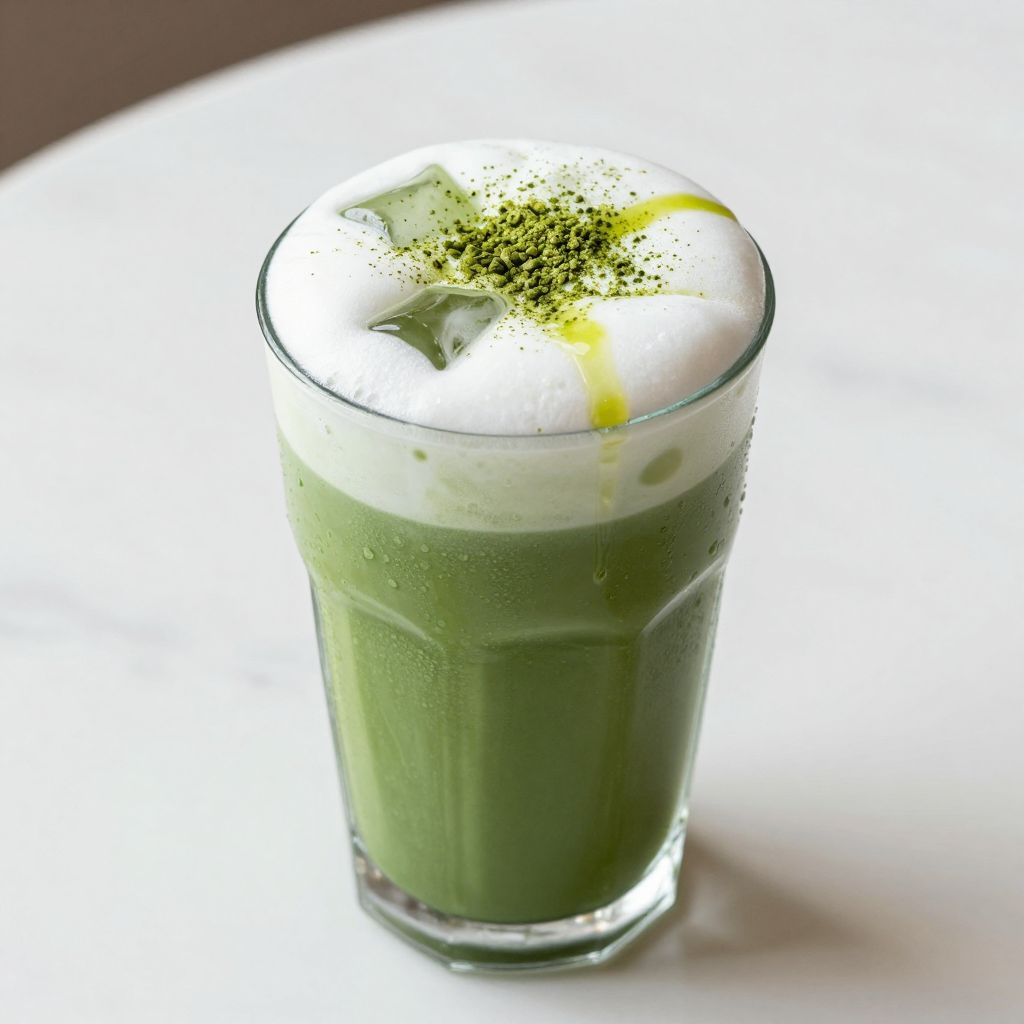
There’s something almost magical about that first sip of a matcha cold foam drink on a warm afternoon, when the creamy foam melts onto your tongue and the earthy sweetness unfolds beneath it. Matcha cold foam has become the drink that coffee lovers and tea enthusiasts actually agree on, and once you taste homemade foam, you’ll understand why the café version costs what it does.
This recipe delivers that luxurious café experience in your own kitchen with minimal fuss. The combination of silky foam, cold matcha tea, and sweetness creates a drink that’s as visually stunning as it is delicious, and you can have it ready in under ten minutes.
Why You’ll Love This Recipe
Making matcha cold foam at home gives you complete control over the sweetness, strength, and texture while costing a fraction of café prices. This drink works for busy mornings, afternoon pick-me-ups, or impressing guests who think you’ve suddenly become a barista.
- Creamy, velvety foam that sits perfectly on top of cold matcha tea
- Ready in less than ten minutes with just a few simple ingredients
- Naturally dairy-free and vegan adaptations work beautifully
- Looks fancy enough to photograph and share, but tastes even better
- Customizable sweetness and milk options for any preference
My Experience Making This Recipe
The first time I made matcha cold foam at home, I was skeptical about achieving that pillowy texture without expensive equipment. I whisked some cold milk with matcha powder and sweetener in a mason jar, and somehow it worked better than I expected, transforming into something that rivaled my favorite café drink.
What surprised me most was how the foam actually stayed on top of the cold milk for several minutes, creating distinct layers that looked Instagram-worthy without any tricks. My partner, who normally skips matcha drinks because they find them too bitter, actually asked for a second one, which tells you something about the balance of sweetness and flavor in this version.
Now I make this at least twice a week, and I’ve started experimenting with different milk types and sweeteners to see what works best. The banana-based milk foam stays the fluffiest, and the foam holds its structure better when you keep everything ice-cold before whisking.
Recipe Overview
- Recipe Name: Matcha Cold Foam
- Servings: 1 drink
- Prep Time: 5 minutes
- Cook Time: 0 minutes
- Total Time: 5 minutes
- Course: Beverage
- Cuisine: Japanese-inspired
- Calories per Serving: 85
Equipment You Will Need
- Tall drinking glass or matcha bowl
- Matcha whisk or small stainless steel whisk
- Electric milk frother or mason jar with tight-fitting lid
- Measuring spoon or small scale
- Small bowl for whisking matcha powder
- Spoon for scooping foam
- Thermometer optional but helpful
Ingredients for Matcha Cold Foam
For the Matcha Tea
- Matcha powder (ceremonial grade preferred) – 1 to 1.5 teaspoons
- Hot water (about 175 degrees Fahrenheit) – 2 ounces
- Cold milk of choice (see substitutions below) – 6 ounces
- Sweetener (agave syrup, honey, or simple syrup) – 0.5 to 1 ounce
- Ice cubes – 4 to 6 cubes
For the Cold Foam
- Cold milk (same type as above) – 3 ounces
- Sweetener (same type as above) – 0.25 ounce
Ingredient Notes and Substitutions
- Matcha Powder: Ceremonial grade matcha dissolves smoothly and tastes sweeter and less bitter than culinary grade. Culinary grade works but may need whisking longer to break up clumps, and the flavor will be grassier and more astringent.
- Hot Water Temperature: Water that’s too hot burns the matcha and turns it bitter and muddy-tasting. If your water is boiling, let it cool for about one minute before whisking the matcha powder.
- Milk for Tea: Whole milk creates the richest base, but oat milk froths beautifully and has natural sweetness that reduces the need for added sugar. Almond milk works but separates slightly, and skim milk feels thin by comparison.
- Milk for Foam: Higher fat content milk foams better, so whole milk or full-fat oat milk creates the most stable, long-lasting foam. Non-dairy options like coconut milk can work but produce less volume and density.
- Sweetener: Liquid sweeteners like agave, honey, or simple syrup integrate smoothly without grittiness. Granulated sugar takes longer to dissolve and can make the texture slightly sandy if not fully incorporated.
How to Make Matcha Cold Foam
Step 1: Measure and Prepare Your Matcha Powder
Scoop one to one and a half teaspoons of ceremonial grade matcha into a small bowl, depending on how strong you like your matcha flavor. Use a small sifter if you have one to break up any clumps in the powder, since lumps won’t dissolve smoothly in water.
Step 2: Heat Your Water to the Right Temperature
Heat about two ounces of water to approximately 175 degrees Fahrenheit, which is hot enough to brew the matcha without scorching it and turning it bitter. If you don’t have a thermometer, let boiling water cool for about one minute before using it, and the temperature will be close enough.
Step 3: Whisk the Matcha Powder
Pour the hot water into your bowl with the matcha powder and use a matcha whisk or small stainless steel whisk to whisk vigorously in a back-and-forth motion for about 30 seconds. You’re aiming for a bright green, frothy mixture with no visible powder lumps floating on top.
Step 4: Fill Your Glass with Cold Milk and Sweetener
Pour six ounces of cold milk into your tall glass and add one-half to one ounce of liquid sweetener, depending on your preference. Stir briefly to combine the sweetener throughout the milk, which ensures even distribution of flavor.
Step 5: Add Ice to Your Glass
Add four to six ice cubes to the milk mixture, filling the glass about one-quarter to one-third full with ice. The ice cools the final drink and helps create the visual separation between the matcha tea and the foam on top.
Step 6: Pour the Whisked Matcha into the Milk
Slowly pour your freshly whisked matcha into the cold milk and ice, stirring gently to combine the two layers. The cold milk will immediately cool the matcha, stopping the cooking process and locking in the bright green color.
Step 7: Prepare Your Foam Mixture
While your main drink sits, pour three ounces of cold milk and one-quarter ounce of sweetener into your milk frother pitcher or into a mason jar with a tight-fitting lid. Keep this mixture as cold as possible, since cold milk froths much better than room-temperature milk.
Step 8: Froth the Cold Milk
If using an electric milk frother, follow the manufacturer’s instructions for cold frothing, which usually takes 30 to 60 seconds depending on your machine. If using a mason jar, screw the lid on tightly and shake vigorously for about one minute, until you see the volume double and the milk becomes noticeably foamy.
Step 9: Scoop the Foam onto Your Drink
Using a spoon, scoop the foam from the top of your frother or jar and layer it generously on top of your matcha tea. The foam will settle slightly over the first minute or two, so don’t worry if it’s heaping at first.
Step 10: Taste and Adjust
Take a sip and taste the balance of matcha, sweetness, and milk richness. If you want it sweeter, add a tiny splash of syrup to the top of the foam, and if you want more matcha flavor, you can whisk in another quarter teaspoon of powder and pour it in.
Pro Tip: Keep both your milk and your frother pitcher in the refrigerator for at least 30 minutes before making foam, since cold milk froths faster and holds its structure much longer than room-temperature milk.
Tips for the Best Matcha Cold Foam
- Use ceremonial grade matcha powder instead of culinary grade, since it tastes naturally sweeter and whisks into a smoother, silkier drink without the grassy bitterness that culinary grade brings. The flavor difference is noticeable enough to justify the slightly higher cost.
- Don’t skip the ice, even though it dilutes slightly as it melts, because it keeps the drink refreshingly cold and helps the foam stay on top longer. Ice also visually separates the foam layer from the matcha tea below.
- Whisk your matcha for at least 30 seconds using a back-and-forth motion rather than circular whisking, since this creates more micro-bubbles and a finer texture. If you rush this step, you’ll end up with visible lumps that taste gritty.
- Chill your frother pitcher or mason jar in the refrigerator before making foam, and use the coldest milk you have available. Foam volume increases dramatically when you start with cold milk compared to room-temperature milk.
- Use liquid sweetener rather than granulated sugar, since it dissolves completely without creating a sandy texture in your foam or drink. Agave nectar and simple syrup are both neutral and won’t overpower the subtle matcha flavor.
- Pour your whisked matcha into the cold milk slowly and steadily rather than dumping it all at once, which helps create distinct visual layers and prevents the matcha from cooling too quickly. This also makes the drink look more visually interesting.
Common Mistakes to Avoid
- Using water that’s too hot: Boiling water burns matcha powder and creates a bitter, astringent flavor that overpowers any sweetness you add. Let your water cool for at least one minute after boiling before whisking your matcha.
- Not whisking the matcha long enough: Matcha powder is dense and clumpy by nature, and whisking for only ten or 15 seconds leaves lumps that float on top and taste grainy. Whisk for at least 30 seconds using vigorous back-and-forth motions.
- Using warm milk for the foam: Warm milk won’t froth properly and creates large, unstable bubbles that collapse within 30 seconds. Your foam needs to start with milk that’s been refrigerated for at least 30 minutes.
- Adding sweetener directly to the matcha powder: This creates a paste that’s harder to whisk smoothly into the water. Whisk the powder with water alone first, then add sweetness to the cold milk component.
- Overfrothing the milk: If you froth for more than one minute, you’ll separate the milk and air too much, creating mostly bubbles with no liquid left. Stop when the volume has roughly doubled and you see creamy foam.
Serving Suggestions
Matcha cold foam tastes best served immediately while the foam is still thick and stable, usually within the first five minutes of assembly. The drink pairs beautifully with light snacks and works equally well as a morning eye-opener or an afternoon pick-me-up when you need something refreshing.
- Serve alongside buttery pastries like croissants or almond croissants, where the richness of butter contrasts nicely with the earthy matcha
- Pair with light Japanese treats like mochi or dorayaki beans for an authentic pairing that celebrates matcha’s heritage
- Offer with fresh fruit, especially berries or melon, which add natural sweetness and brightness to balance the matcha earthiness
- Serve as the finale to a brunch alongside savory options like avocado toast or smoked salmon, since the coldness and sweetness cleanse the palate
- Enjoy on its own as a sophisticated afternoon beverage that feels more elegant than typical iced coffee
Variations to Try
- Strawberry Matcha Cold Foam: Add one-half ounce of strawberry syrup or puree to the matcha tea base before adding ice, which transforms the drink into a delicate pink and adds subtle berry sweetness. This variation feels lighter and more summery while keeping the matcha flavor prominent.
- Vanilla Matcha Cold Foam: Whisk one-quarter teaspoon of vanilla extract into the matcha powder along with the hot water, adding a creamy vanilla note that softens the grassiness. This variation tastes almost dessert-like without adding extra sweetness.
- Honey Matcha Cold Foam: Replace liquid agave with raw honey in both the tea and the foam, creating a warmer, more natural sweetness that complements matcha beautifully. Honey adds subtle floral notes that make the drink feel more luxurious.
- Matcha Latte with Foam: Increase the milk in the base to eight ounces instead of six, creating a creamier, less intense matcha drink with foam on top. This version tastes more like a traditional latte and appeals to people who find straight matcha too strong.
- Iced Matcha with Coconut Foam: Use full-fat coconut milk for both the base and the foam, creating a tropical, nutty flavor that pairs beautifully with matcha’s earthiness. The coconut also adds natural sweetness, so you can reduce added sweetener.
Dietary Adaptations
- Gluten-free: Matcha powder and all other ingredients are naturally gluten-free, so this recipe is safe for anyone with celiac disease or gluten sensitivity with no modifications needed. Simply verify that your sweetener doesn’t contain hidden gluten.
- Dairy-free: Replace the milk with oat milk, almond milk, or coconut milk, which all froth reasonably well and create lovely foam when cold. Oat milk produces the fluffiest foam and has enough natural sweetness to reduce added sugar.
- Vegan: Use plant-based milk and ensure your sweetener is not honey, selecting agave nectar or simple syrup instead. The recipe is otherwise completely vegan with no eggs or animal products involved.
- Low-carb or Keto: Use a sugar-free sweetener like erythritol or monk fruit in place of agave or honey, keeping the carb count under five grams per serving. The drink remains delicious and filling while fitting keto macros.
Storage and Reheating
Refrigerator
Matcha cold foam tastes best fresh, but you can store prepared matcha tea (without the foam) in an airtight container for up to two days in the refrigerator. The foam itself won’t survive storage and will collapse into liquid milk within 30 minutes.
- Store the cold matcha base in a glass container with a lid to prevent oxidation
- Keep all milk separate from the matcha to maintain freshness
- Make fresh foam just before serving for the best texture and appearance
Freezer
Freezing matcha cold foam isn’t recommended, as both the matcha flavor and the foam structure will degrade significantly during freezing and thawing. You can freeze matcha powder itself for up to six months in an airtight container, though it’s best used fresh.
- Store matcha powder in an opaque, airtight container away from light and heat
- Keep frozen matcha in the back of the freezer where temperature fluctuations are minimal
- Don’t freeze prepared drinks, as the texture and flavor suffer
Reheating
Matcha cold foam is designed to be served cold and doesn’t reheat well, as heating matcha after it’s been whisked changes the flavor and texture noticeably. If you want to drink leftover matcha tea, serve it cold with fresh ice rather than heating it.
- Consume cold matcha within two days for best flavor
- Never heat matcha tea in the microwave after initial preparation
- Make fresh foam immediately before serving rather than storing prepared foam
Nutrition Information
| Nutrient | Amount |
|---|---|
| Calories | 85 |
| Total Fat | 3 grams |
| Saturated Fat | 2 grams |
| Carbohydrates | 13 grams |
| Fiber | 1 gram |
| Sugar | 10 grams |
| Protein | 3 grams |
| Sodium | 110 milligrams |
| Cholesterol | 10 milligrams |
These nutritional values are based on using whole milk and agave syrup, and will vary slightly depending on your choice of milk and sweetener.
Frequently Asked Questions
Can I make matcha cold foam without a frother?
Absolutely, a mason jar with a tight-fitting lid works just as well as an electric frother if you shake it vigorously for about one minute. The foam won’t be quite as dense or long-lasting as electric frother foam, but it will still look and taste great.
Why isn’t my foam staying on top of the drink?
Your milk likely wasn’t cold enough before frothing, or you didn’t froth long enough to create stable micro-bubbles. Always use milk that’s been refrigerated for at least 30 minutes, and froth for a full minute to get maximum volume and density.
Can I make matcha cold foam with culinary grade matcha powder?
You can, but it won’t taste as good since culinary grade is more bitter and grassier than ceremonial grade. If that’s all you have, try whisking in a tiny pinch of salt to balance the bitterness, though upgrading to ceremonial grade is worth the investment.
Is matcha cold foam healthier than regular iced coffee?
Matcha contains more antioxidants and provides a gentler caffeine boost than coffee, with about 25 to 70 milligrams per serving compared to coffee’s 95 to 200 milligrams. Both are healthy options depending on your caffeine sensitivity and personal preferences.
How can I make this recipe less sweet?
Reduce the sweetener in both the tea and the foam, starting by cutting it in half and tasting before you make it again. You can also experiment with different milk types like oat milk, which has natural sweetness that reduces your need for added sugar.
What does matcha taste like if I’ve never tried it?
Matcha tastes earthy, slightly grassy, and subtly sweet with a velvety smooth finish that lingers pleasantly on your tongue. The flavor is nothing like green tea bags, since ceremonial grade matcha is finely ground whole leaves rather than steeped leaves.
Final Thoughts
Making matcha cold foam at home transforms an expensive café habit into an affordable daily luxury that takes less than ten minutes from start to finish. Once you taste homemade foam that you’ve made yourself, you’ll understand why people line up for these drinks and happily pay premium prices.
Start with the basic recipe and let yourself experiment with different milk types, sweeteners, and flavor variations until you find your perfect version. This drink deserves a spot in your regular rotation, and your mornings and afternoons will feel significantly more special when you’re sipping something this delicious.
Explore more refreshing matcha creations like our strawberry matcha recipe for a fruity twist, or discover the elegance of a matcha einspanner recipe for a creamy, indulgent version. Each variation brings something different to your matcha experience, so try them all and find your new favorite way to enjoy this incredible ingredient.
Matcha Cold Foam
Ingredients
Equipment
Method
- Scoop one to one and a half teaspoons of ceremonial grade matcha powder into a small bowl and sift to remove clumps.
- Heat two ounces of water to approximately 175°F and let it cool for one minute if it was boiling.
- Whisk the matcha and hot water vigorously in a back-and-forth motion for about 30 seconds until frothy and lump-free.
- Pour six ounces of cold milk into a tall glass and stir in half to one ounce of liquid sweetener.
- Add four to six ice cubes to the milk mixture.
- Slowly pour the whisked matcha into the milk and ice, stirring gently to combine layers.
- In a cold frother pitcher or mason jar, combine three ounces of cold milk and 0.25 ounce of liquid sweetener.
- Froth the milk for cold foam for 30 to 60 seconds with an electric frother or shake vigorously in the jar for one minute.
- Using a spoon, layer the foam on top of the matcha drink.
- Taste and adjust sweetness or matcha strength as desired.