
There’s something magical about the first sip of mango lemonade on a hot afternoon: that perfect balance of sweet tropical fruit and tangy citrus that makes you close your eyes for a second. This drink hits differently than regular lemonade because it combines the bright acidity of fresh lemon juice with the silky richness of ripe mango, creating something that feels both refreshing and indulgent at once.
What makes this recipe special is how simple it is to pull together, yet how impressive it tastes when you serve it to guests. The drink comes together in minutes, requires just a handful of ingredients, and works beautifully for summer gatherings, afternoon breaks, or whenever you need a pick-me-up that actually tastes like something you’d order at a fancy juice bar.
Why You’ll Love This Recipe
This mango lemonade delivers everything you want from a summer beverage without any fuss or complicated techniques.
- Ready to drink in under 10 minutes with minimal prep work
- Uses real fruit with no artificial flavors or sweeteners required
- Naturally sweet from mango, so you control exactly how much sugar goes in
- Works as a base for cocktails or stays completely alcohol-free
- Impresses guests while tasting like you spent hours in the kitchen
My Experience Making This Recipe
I first made this on a July afternoon when my neighbor brought over a bag of impossibly fragrant mangoes from the farmer’s market. I had some fresh lemons on hand, and I thought: why not combine them instead of making yet another batch of plain lemonade?
The first batch came out too sweet, so I adjusted the ratio and added more lemon juice for balance. That second attempt was the one that made me realize this wasn’t just a fun experiment but something I’d want to make repeatedly.
Now I make it constantly during warm months, and it’s become the drink people ask for first when they visit. The flavor is bright enough that it doesn’t feel heavy, yet substantial enough that it actually feels like a proper beverage and not just flavored water.
Recipe Overview
- Recipe Name: Mango Lemonade
- Servings: 4 servings
- Prep Time: 10 minutes
- Cook Time: 0 minutes
- Total Time: 10 minutes
- Course: Beverage
- Cuisine: Modern American
- Calories per Serving: 145
Equipment You Will Need
- Sharp knife for cutting mangoes and lemons
- Cutting board
- Blender or food processor
- Fine mesh strainer
- Large pitcher
- Wooden spoon for stirring
- Measuring cups and spoons
- Glasses for serving
Ingredients for Mango Lemonade
- 2 ripe mangoes, peeled, pitted, and chopped into chunks
- 1 cup fresh lemon juice (from about 6 to 8 lemons)
- 1/2 cup granulated sugar, or to taste
- 4 cups cold water
- Ice cubes for serving
- Optional: fresh mint leaves for garnish
Ingredient Notes and Substitutions
- Ripe mangoes provide natural sweetness and creamy texture that underpin the entire drink; frozen mango chunks work if fresh ones are unavailable, though the final result won’t have quite the same silky mouthfeel.
- Fresh lemon juice brings the essential tartness that balances the mango’s sweetness and prevents the drink from tasting cloying; bottled lemon juice lacks the brightness and complexity of fresh citrus.
- Granulated sugar dissolves instantly and blends seamlessly into the drink; honey or agave nectar can replace it for different flavor notes, though you may need slightly less since they’re sweeter than sugar.
- Cold water chills the beverage without diluting it further after blending; you can use sparkling water for a fizzy version, though this changes the mouthfeel noticeably.
- Fresh mint leaves add a cooling herbaceous note that complements both mango and lemon; basil or a small pinch of ginger powder offer interesting variations.
How to Make Mango Lemonade
Step 1: Prepare the Mangoes
Cut each mango lengthwise on either side of the large flat pit, then use your knife to score the flesh in a crosshatch pattern without cutting through the skin. Push the skin inside out so the cubes pop outward, then slice them into a bowl.
Ripe mangoes should yield slightly to pressure but not be mushy; if yours feel rock hard, let them sit at room temperature for a day or two. This step matters because truly ripe mangoes blend into a silky puree while underripe ones stay stringy and fibrous.
Step 2: Juice the Lemons
Roll each lemon firmly on your counter using the heel of your hand, pressing down as you roll to soften the fruit and release the juice. Cut the lemons in half and squeeze them over a fine mesh strainer into a bowl, pressing down to extract every drop of liquid.
Fresh lemon juice makes an enormous difference in the final taste, so don’t skip this step even if it takes a few extra minutes. You need roughly 1 cup of juice, which comes from about 6 to 8 lemons depending on how juicy they are.
Step 3: Blend the Mango
Add the chopped mango pieces to your blender and blend on high speed for about 30 seconds until completely smooth and creamy. You should end up with a bright orange puree with no visible chunks of fruit.
Blending creates that luxurious texture that makes mango lemonade feel special compared to just mixing mango juice and lemon juice together. A food processor works too, though you may need to blend longer to achieve the same silky consistency.
Step 4: Strain the Mango Puree
Pour the blended mango through your fine mesh strainer into a large pitcher, using the back of a spoon to push the puree through while leaving the pulp behind. This step removes excess fiber and creates a cleaner, more refined texture.
Some people skip this step and keep all the pulp, which works fine if you prefer a thicker drink; I find the strained version feels more like something you’d serve at a gathering. The pulp you remove isn’t wasted; save it for smoothie bowls or blend it into yogurt.
Step 5: Add the Lemon Juice
Pour the fresh lemon juice into the pitcher with the strained mango puree and stir thoroughly to combine. The mixture should smell incredibly bright and tropical at this point.
The ratio of mango to lemon matters here; too much mango and you lose the refreshing tartness that makes the drink work. Too much lemon and the drink becomes puckering and one-dimensional instead of balanced and sophisticated.
Step 6: Sweeten the Drink
Add the granulated sugar to the pitcher and stir for at least one full minute until the sugar completely dissolves. Taste the drink and adjust the sweetness by adding more sugar in small increments if needed.
The amount of sugar you need depends on how sweet your mangoes are; early-season mangoes might need the full half cup while peak-season fruit might need less. Start conservative and add more rather than making the drink overly sweet, since you can always adjust but you can’t remove sweetness once it’s in.
Step 7: Add Cold Water
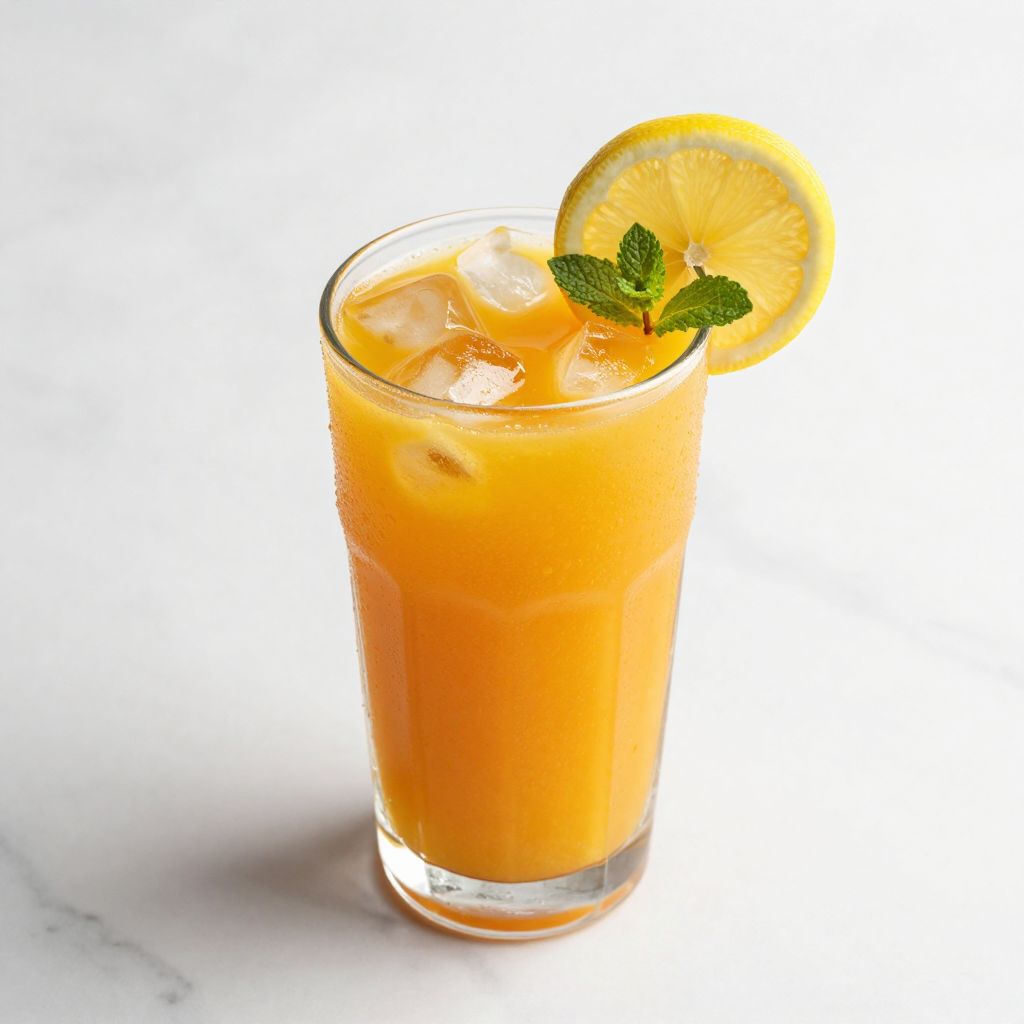
Pour in the cold water and stir everything together until well combined. The drink should be the color of a sunset, with a pale orange hue throughout.
Cold water dilutes the concentrate to the right drinking consistency; hot water would cook off the fresh brightness of the lemon and mango. If you prefer a stronger, more concentrated drink, use 3 cups of water instead of 4.
Step 8: Chill and Serve
Fill glasses with ice cubes and pour the mango lemonade over the ice. Garnish with fresh mint leaves if using, and serve immediately while the drink is at its coldest and most refreshing.
The drink tastes best served ice-cold right after making it, as the cold temperature really brings out the brightness and refreshing quality. If you need to make it ahead, store it in the refrigerator without ice and add ice just before serving.
Pro Tip: Blend the mango puree with just a tiny pinch of sea salt; this amplifies the fruit flavor and makes the tartness of the lemon pop without making the drink taste salty.
Tips for the Best Mango Lemonade
- Choose mangoes that smell fragrant at the stem end and yield slightly to gentle pressure; this indicates they’re ripe enough to provide maximum sweetness and flavor.
- Use room-temperature lemons rather than cold ones when juicing, since they yield more juice with less squeezing effort.
- Make the drink no more than a few hours before serving, as the fresh citrus flavor fades over time and the color can oxidize to a duller tone.
- Keep a pitcher of this ready during summer afternoons, and you’ll find yourself reaching for it instead of sugary sodas or drinks with artificial flavors.
- If the drink tastes too thin or weak, you can thicken it by blending in an extra half mango rather than adding more sugar.
- Serve in clear glasses over crushed ice rather than cubes; the crushed ice melts faster and keeps the drink colder longer without watering it down as much.
Common Mistakes to Avoid
- Using underripe mangoes creates a stringy, fibrous drink that stays unpleasant no matter how much you blend it; wait until they smell fragrant before using them.
- Bottled lemon juice produces a flat, dull-tasting beverage compared to fresh-squeezed; the difference is noticeable enough to warrant the extra effort of fresh citrus.
- Adding too much sugar early on makes the drink cloying and one-dimensional; it’s easier to add more sweetness than to remove it, so taste as you go.
- Forgetting to strain the mango puree leaves the drink grainy and separates over time; the straining step only takes a minute but makes a big difference in texture.
- Serving the drink at room temperature or with insufficient ice makes it taste less refreshing and allows the fresh fruit flavors to fade quickly.
Serving Suggestions
This mango lemonade works beautifully on its own, but it also pairs well with light summer foods and can be dressed up in several ways.
- Serve alongside grilled fish tacos, fresh ceviche, or other bright seafood dishes that complement the tropical fruit flavor
- Pair with salads featuring lime vinaigrette, fresh herbs, and light proteins like grilled chicken or shrimp
- Set out a pitcher at brunches with light pastries, fresh fruit, and yogurt-based dishes
- Serve over crushed ice in glasses rimmed with tajin or chili-lime seasoning for a more sophisticated presentation
- Offer as a non-alcoholic option at outdoor gatherings where you’re also serving cocktails
Variations to Try
- Strawberry Mango Lemonade: Replace one mango with 1.5 cups fresh strawberries; blend the strawberries along with the mango for a pink-hued drink with berry sweetness layered on top of the tropical mango.
- Spiced Mango Lemonade: Add a pinch of cardamom, a small piece of fresh ginger, or a light dusting of cayenne pepper to the blender; these spices brighten the fruit flavors and add complexity.
- Coconut Mango Lemonade: Replace 1 cup of the cold water with unsweetened coconut water or coconut milk; this creates a creamier, more indulgent version that still feels refreshing.
- Mango Lemonade Cocktail: Stir in 2 ounces of white rum or vodka per drink for an adult version that works perfectly at warm-weather parties.
- Frozen Mango Lemonade: Pour the finished drink into a blender with 2 cups of ice and blend until slushy for a frozen version that feels like a treat on the hottest afternoons.
Dietary Adaptations
- Gluten-free: This recipe is naturally gluten-free with no modifications needed; all ingredients are whole fruits and water.
- Dairy-free: Already dairy-free in the base recipe; serve with dairy-free ice if using frozen mango lemonade variation.
- Vegan: This recipe is completely vegan as written; use plant-based sugar if you prefer, though granulated cane sugar is already plant-based.
- Low-carb or keto: Replace sugar with a keto-friendly sweetener like monk fruit or erythritol in a 1-to-1 ratio, though the drink will taste slightly less sweet.
- Paleo: Use honey instead of granulated sugar and omit any added sweetener if you prefer to keep carbohydrates minimal.
Storage and Reheating
Refrigerator
Store the finished mango lemonade in a covered pitcher in the refrigerator for up to 3 days. The fruit flavors fade slightly over time, so the drink tastes best consumed within 24 hours of making it.
- Keep it covered to prevent the flavors from absorbing odors from other foods
- Stir well before serving since the mango puree may separate slightly
- Add fresh ice just before serving rather than storing it with ice
Freezer
You can freeze mango lemonade in ice cube trays for later use, though this works better as a base for smoothies than as a ready-to-drink beverage. Once thawed, the texture becomes watery and the fresh flavors diminish noticeably.
- Freeze in ice cube trays, then transfer cubes to freezer bags for long-term storage
- Use frozen mango lemonade cubes in smoothies or blended drinks rather than thawing and drinking straight
- Frozen cubes will last up to 3 months in the freezer
Reheating
This is a cold beverage meant to be served chilled, so reheating is not recommended. If the drink becomes warm, simply add fresh ice and serve immediately rather than trying to rechill it by other methods.
- Never heat mango lemonade on the stove, as this destroys the fresh fruit flavors
- For drinks that have warmed up, add fresh ice and serve right away
- Keep the pitcher in the coldest part of your refrigerator if you want to serve it extra cold
Nutrition Information
| Nutrient | Amount |
|---|---|
| Calories | 145 |
| Total Fat | 0.5g |
| Saturated Fat | 0.1g |
| Carbohydrates | 36g |
| Fiber | 1.5g |
| Sugar | 32g |
| Protein | 0.8g |
| Sodium | 15mg |
| Cholesterol | 0mg |
These values are estimates based on standard USDA data for the ingredients used and assume 4 servings per batch. Actual nutrition will vary based on the specific mangoes and lemons you use, as fruit varies in water and sugar content by season and variety.
Frequently Asked Questions
Can I make this with frozen mangoes?
Yes, frozen mango chunks work perfectly in this recipe and eliminate the need to deal with fresh mango pits. Thaw them completely before blending, and the final drink will taste nearly identical to the fresh version, though the texture might be slightly less creamy.
How far in advance can I prepare this?
You can make the mango lemonade up to 24 hours ahead and store it covered in the refrigerator. The fresh citrus flavor fades noticeably after that, so taste it right before serving and add a squeeze of fresh lemon juice if it seems flat.
What if my mangoes aren’t very sweet?
Add an extra tablespoon or two of sugar to compensate, or blend in a tablespoon of honey for added sweetness and depth. You can also add a tiny squeeze of additional lemon juice to brighten the flavor even if the mangoes taste mild.
Can I make this without a blender?
You can mash the mango by hand with a fork until it reaches a chunky puree, though you won’t get quite the same silky texture as blended mango. Pushing the mashed mango through a fine strainer helps create a smoother drink if you’re working without a blender.
Is this drink suitable for people with diabetes?
This recipe contains about 32 grams of sugar per serving from the fruit and added sweetener, which makes it high in sugar. People managing blood sugar can substitute a keto-friendly sweetener and reduce the amount of mango used, though they should check with their healthcare provider about the right approach for their situation.
Can I turn this into a cocktail?
Absolutely; add 2 ounces of white rum, vodka, or tequila to each serving for a refreshing tropical cocktail. The mango and lemon flavors pair particularly well with rum for a drink that tastes like a more refined version of a mai tai or daiquiri.
Final Thoughts
Making mango lemonade from scratch feels like a small luxury, yet it takes fewer than 10 minutes and uses ingredients you can find at any grocery store. Once you taste the difference between homemade and the bottled versions floating around supermarkets, you’ll understand why this became my go-to summer beverage.
Try this recipe the next time you want something refreshing that tastes both indulgent and naturally healthy. Serve it to guests and watch them ask for the recipe, and keep making it all summer long until September rolls around and you have to wait another year for mango season to arrive.
If you enjoy tropical fruit drinks, explore our mango daiquiri recipe for a more sophisticated cocktail version. You might also love our classic lemonade recipe with fresh lemon juice as a refreshing alternative when you want something without mango.
Mango Lemonade
Ingredients
Equipment
Method
- Cut each mango lengthwise on either side of the large flat pit, score the flesh in a crosshatch pattern without cutting through the skin, push the skin inside out, and slice the cubes into a bowl.
- Roll each lemon firmly on the counter, cut in half, and squeeze over a fine mesh strainer into a bowl to extract 1 cup of fresh lemon juice.
- Add the chopped mango pieces to a blender and blend on high speed for about 30 seconds until completely smooth and creamy.
- Pour the blended mango through a fine mesh strainer into a large pitcher, using the back of a spoon to push the puree through and leave the pulp behind.
- Pour the fresh lemon juice into the pitcher with the strained mango puree and stir thoroughly to combine.
- Add the granulated sugar to the pitcher and stir for at least one full minute until the sugar completely dissolves, tasting and adjusting the sweetness as needed.
- Pour in the cold water and stir until well combined, achieving a pale orange hue.
- Fill glasses with ice cubes, pour the mango lemonade over the ice, garnish with fresh mint leaves if desired, and serve immediately.