
Picture yourself on a sweltering summer afternoon, reaching into the fridge for a glass of ice-cold lemonade that tastes like pure sunshine and refreshment. Homemade lemonade concentrate is the secret weapon that makes this moment possible, transforming fresh lemons into a shelf-stable syrup that delivers bright, tangy flavor whenever you need it.
Making your own concentrate beats store-bought every single time because you control the sweetness, the tartness, and the ingredient list. This recipe takes just minutes to prepare and gives you weeks of ready-to-drink lemonade with minimal effort.
Why You’ll Love This Recipe
This concentrate is a game-changer for busy households that crave fresh lemonade without the daily squeezing and stirring.
- Saves time: mix water with concentrate and you’re done in seconds
- Budget-friendly: buy lemons in bulk when they’re cheap and preserve that flavor
- Customizable: adjust sweetness to your exact preference with simple math
- Versatile: use it in cocktails, iced tea, marinades, and desserts
- Shelf-stable: keeps for weeks in the fridge, making entertaining effortless
My Experience Making This Recipe
The first time I made a big batch of lemonade concentrate, I was hosting a garden party on a humid July evening. I squeezed eight lemons, combined them with simple syrup, and bottled the golden liquid feeling like I’d unlocked a kitchen hack that would change everything.
By the time my guests arrived, I had concentrate ready to go, which meant I spent the evening chatting instead of standing over a pitcher with a wooden spoon. One friend asked for my secret, and I realized this concentrate had just become my most requested recipe.
The flavor stayed bright and punchy all evening, never tasting watered down or stale. I now make a batch whenever lemons are on sale, knowing I’ll use every drop.
Recipe Overview
- Recipe Name: Lemonade Concentrate
- Servings: Makes about 2 cups of concentrate (serves 16 to 20 when diluted)
- Prep Time: 15 minutes
- Cook Time: 10 minutes
- Total Time: 25 minutes
- Course: Beverages
- Cuisine: American
- Calories per Serving: 35 (per 2-tablespoon serving of concentrate)
Equipment You Will Need
- Citrus juicer or manual reamer
- Fine mesh strainer
- Medium saucepan
- Wooden spoon or whisk
- Measuring cups and spoons
- Glass bottles or jars with airtight lids
- Funnel (optional but helpful)
- Kitchen towels
Ingredients for Lemonade Concentrate
- Fresh lemons: 8 to 10 medium lemons (about 2 cups juice)
- Granulated sugar: 2 cups
- Water: 1 cup
- Salt: 1/4 teaspoon
Ingredient Notes and Substitutions
- Fresh lemons are essential for bright flavor and natural acidity. Bottled lemon juice tastes flat and one-dimensional by comparison.
- Granulated sugar dissolves smoothly and creates the right texture. Honey works but adds floral notes and makes the concentrate thicker.
- Water combined with sugar creates simple syrup, which helps the concentrate mix evenly when you add it to cold water later. Skip this step and you’ll have grainy, separated concentrate.
- Salt rounds out the flavor and prevents the tartness from feeling sharp or acidic. Omit it and the concentrate tastes thin.
How to Make Lemonade Concentrate
Step 1: Select and Wash Your Lemons
Choose firm, heavy lemons that feel full of juice and have thin, bright yellow skin. Wash them under cool running water and pat them dry with a kitchen towel, which helps you get maximum juice when you squeeze them.
Step 2: Juice the Lemons
Cut each lemon in half and use a citrus juicer or reamer to extract the juice, pressing firmly to get every drop. You should end up with about 2 cups of fresh lemon juice, which might sound like a lot but uses 8 to 10 average lemons.
Step 3: Strain the Juice
Pour the lemon juice through a fine mesh strainer into a bowl or measuring cup to catch any seeds and pulp. This step gives you a smooth concentrate instead of one with bitter white pith floating around.
Step 4: Combine Sugar and Water
Pour 1 cup of water into a medium saucepan and bring it to a simmer over medium heat. Add 2 cups of granulated sugar and stir constantly until the sugar dissolves completely, which takes about 3 to 5 minutes.
Step 5: Cool the Simple Syrup
Remove the saucepan from the heat and let the simple syrup cool for about 5 minutes until it reaches room temperature. Hot syrup can damage glass bottles and will cause the concentrate to separate when you add cold lemon juice.
Step 6: Mix Lemon Juice with Simple Syrup
Pour your strained lemon juice into a clean bowl and slowly add the cooled simple syrup while stirring gently. The combination should look smooth and golden, with no separation or cloudiness.
Step 7: Add Salt
Stir in 1/4 teaspoon of salt and mix thoroughly for about 30 seconds. This ingredient brightens the lemon flavor and prevents the concentrate from tasting one-note or overly sweet.
Step 8: Pour into Storage Bottles
Use a funnel to carefully pour the concentrate into clean glass bottles or jars with airtight lids. Fill them to about an inch from the top and seal tightly, then label with the date so you remember when you made it.
Pro Tip: For the smoothest concentrate, make sure your simple syrup cools to room temperature before mixing with the cold lemon juice, which prevents any separation or graininess during storage.
Tips for the Best Lemonade Concentrate
- Use room-temperature lemons for maximum juice yield. Roll them on the counter with firm pressure before cutting to break down the cell walls and release more liquid.
- Taste your concentrate before bottling and adjust sweetness by stirring in a touch more simple syrup if it tastes too tart. You can always make it sweeter but you cannot undo excessive tartness.
- Store your concentrate in glass bottles rather than plastic, which can absorb flavors and odors over time. Glass keeps the flavor pure and unchanged.
- Make a double batch when lemons are cheap and in season, since the concentrate keeps for three weeks in the fridge. This saves you from having to make it frequently.
- Keep a notebook with your recipe and sweetness adjustments so you can replicate your favorite version next time. Small tweaks make a big difference in the final flavor.
Common Mistakes to Avoid
- Using bottled or frozen lemon juice kills the bright, fresh flavor that makes homemade concentrate special. Fresh juice is non-negotiable for a concentrate that actually tastes good.
- Skipping the straining step leaves pulp and seeds in your concentrate, which settles at the bottom and tastes bitter after a few days. Always strain before mixing.
- Mixing hot simple syrup with cold lemon juice causes separation and cloudiness that never fully blends back together. Always cool the syrup first.
- Over-concentrating by using too much lemon juice and not enough syrup creates a beverage that tastes aggressively tart and impossible to drink neat. Balance tartness and sweetness carefully.
- Storing concentrate in warm conditions or direct sunlight fades the flavor and shortens shelf life dramatically. Keep bottles in the back of the fridge where it stays consistently cool.
Serving Suggestions
Transform your concentrate into refreshing drinks by mixing 2 to 3 tablespoons of concentrate with 1 cup of cold water or sparkling water, adjusting to taste. Serve over ice and garnish with fresh lemon slices and mint for a restaurant-quality beverage in seconds.
- Sparkling lemonade: mix concentrate with cold sparkling water for a fizzy version that feels more special
- Iced tea blend: combine concentrate with cold-brewed tea and honey for a complex, layered flavor
- Cocktail mixer: use concentrate in whiskey sours, margaritas, or simple gin and lemonades for balanced flavor
- Popsicle base: freeze diluted concentrate in popsicle molds for homemade frozen treats
- Salad dressing: whisk concentrate with olive oil and herbs to create a bright vinaigrette for greens
Variations to Try
- Strawberry lemonade concentrate: add 1 cup of fresh strawberry puree to the finished concentrate for a fruity twist that deepens the color and adds natural sweetness
- Ginger lemonade concentrate: simmer 2 tablespoons of fresh ginger slices in the simple syrup before mixing with lemon juice for a warming, spicy edge
- Lavender lemonade concentrate: infuse the simple syrup with 1 tablespoon of dried culinary lavender for a floral, sophisticated flavor
- Honey lemonade concentrate: replace half the granulated sugar with honey for a rounder sweetness and thicker body
- Lime lemonade concentrate: swap half the lemon juice for fresh lime juice to create a tropical, tangier version
Dietary Adaptations
- Gluten-free: this recipe is naturally gluten-free with no modifications needed, making it safe for anyone avoiding gluten
- Dairy-free: the concentrate contains no dairy and mixes perfectly with plant-based milk or coconut water for creamy versions
- Vegan: all ingredients are vegan-friendly with no animal products at any stage of preparation
- Low-carb or keto: replace granulated sugar with an equal amount of erythritol or monk fruit sweetener to reduce carbs significantly without affecting flavor much
Storage and Reheating
Refrigerator
Store your concentrate in airtight glass bottles on the back shelf of your fridge, away from the door where temperature fluctuates. The concentrate keeps for 3 to 4 weeks, after which the flavor gradually fades and the color darkens slightly.
- Check for any cloudiness or separation before using, which signals spoilage
- Stir gently before opening to recombine any settled ingredients
- Always use clean spoons or pour directly to avoid introducing bacteria
Freezer
Freeze concentrate in ice cube trays for up to 3 months, then pop cubes into freezer bags labeled with the date. This method lets you grab exactly the amount you need without thawing an entire bottle.
- Thaw cubes at room temperature or drop them directly into warm water for instant lemonade
- Frozen cubes work beautifully in blended drinks or smoothies
Reheating
No reheating is necessary since concentrate mixes with cold water instantly. If you prefer warm lemonade on a cold day, simply mix concentrate with warm water instead.
- Warm lemonade tastes less refreshing than cold but feels soothing on chilly mornings
- Stir well to ensure the concentrate disperses evenly through warm water
Nutrition Information
| Nutrient | Amount |
|---|---|
| Calories | 35 |
| Total Fat | 0g |
| Saturated Fat | 0g |
| Carbohydrates | 9g |
| Fiber | 0g |
| Sugar | 9g |
| Protein | 0g |
| Sodium | 60mg |
| Cholesterol | 0mg |
Nutritional values are based on 2 tablespoons of concentrate per serving, before dilution with water. When mixed with water, the calories and sugar content per serving will be lower depending on your dilution ratio.
Frequently Asked Questions
Can I use Meyer lemons instead of regular lemons?
Meyer lemons work beautifully and produce a slightly sweeter, less acidic concentrate. You might need to reduce the sugar slightly and taste as you go, since Meyer lemons are naturally less tart than standard varieties.
How much concentrate do I use per glass of water?
Start with 2 to 3 tablespoons of concentrate per 1 cup of cold water, then taste and adjust to your preference. Some people like it stronger with 4 tablespoons, while others prefer 2 tablespoons for a lighter drink.
Why did my concentrate separate or turn cloudy?
Separation usually happens when hot syrup mixes with cold lemon juice, or when you use unfiltered juice with too much pulp. Always cool your syrup and strain your juice before combining them.
Can I make this concentrate without sugar?
You can, but the concentrate will separate and taste excessively tart because the sugar helps emulsify and balance the acidic lemon juice. Try honey or erythritol as alternatives if you need to avoid granulated sugar.
What if my lemons don’t yield enough juice?
Make sure you’re using medium to large lemons and rolling them firmly on the counter before cutting to break down cell walls. If you’re still short, add one more lemon or make a smaller batch rather than watering down the flavor.
Can I add food coloring to make it look more appealing?
You don’t need it because fresh lemon concentrate has a beautiful golden color naturally. If you want a vibrant pink version, add strawberry puree or a touch of grenadine for flavor and color together.
Final Thoughts
Making your own lemonade concentrate transforms the way you think about refreshment because suddenly you’re never more than a minute away from a cold glass of something delicious. Once you taste the difference between homemade and store-bought, you’ll wonder why you ever bought bottles of syrup at the grocery store.
Give this recipe a try the next time lemons are on sale, and watch how quickly your batch disappears. Your future self on a hot summer afternoon will thank you for being prepared with this simple but game-changing kitchen staple.
Explore More Refreshing Recipes
Interested in discovering more ways to enjoy fresh lemonade and other cool beverages? Check out our complete collection of lemonade recipes and variations to find your new favorite drink.
Looking for a quick refresher? Try our lemonade recipe with lemon juice for 1 glass for an instant, single-serving option that uses the same fresh lemon juice philosophy.
Have kids who want to help in the kitchen? Our easy lemonade recipe for kids makes preparation simple and fun for young hands while teaching valuable cooking skills.
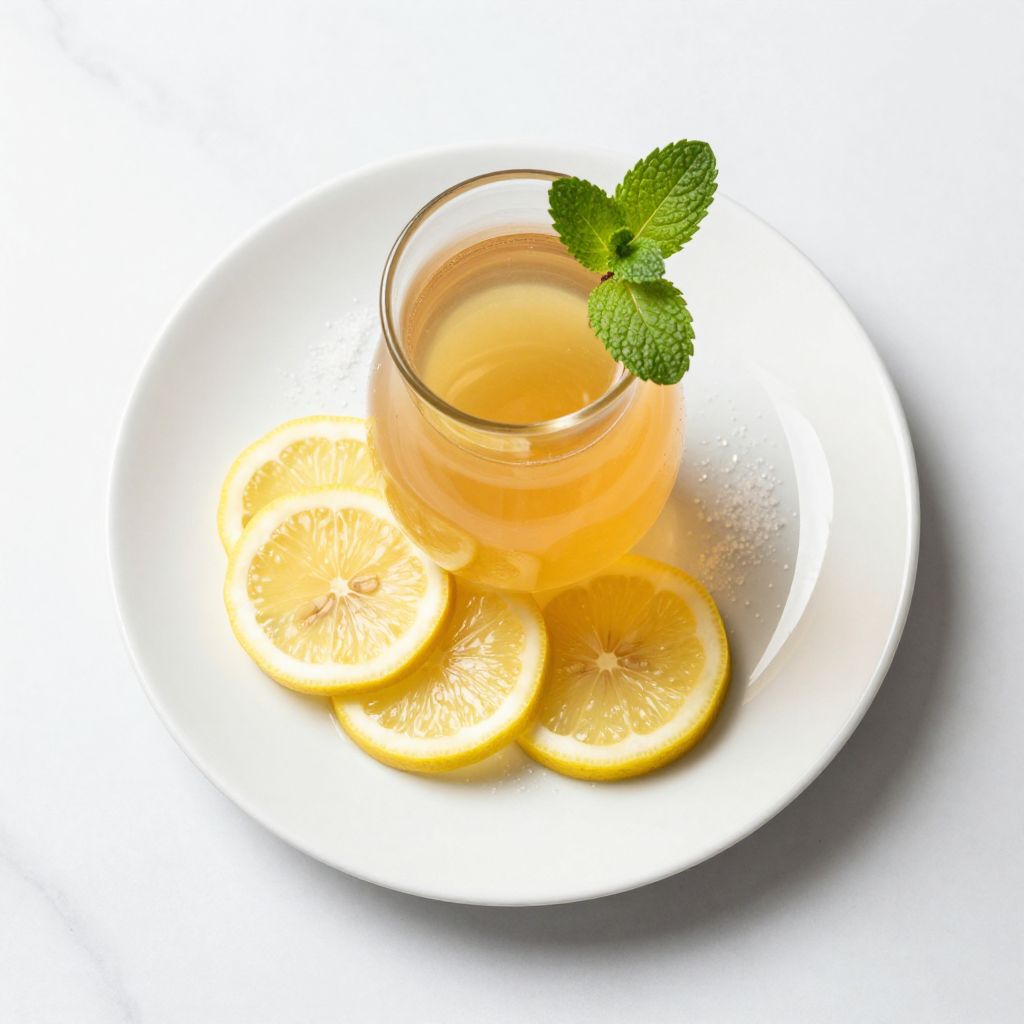
Lemonade Concentrate
Ingredients
Equipment
Method
- Choose firm, heavy lemons with thin, bright yellow skin. Wash under cool running water and pat dry with a kitchen towel.
- Cut each lemon in half and use a citrus juicer or reamer to extract juice, pressing firmly until you have about 2 cups of fresh lemon juice.
- Pour the lemon juice through a fine mesh strainer into a bowl or measuring cup to remove seeds and pulp.
- Pour 1 cup of water into a medium saucepan and bring to a simmer over medium heat. Add 2 cups of granulated sugar and stir constantly until the sugar dissolves, about 3 to 5 minutes.
- Remove the saucepan from heat and let the simple syrup cool for about 5 minutes, until it reaches room temperature.
- Pour the strained lemon juice into a clean bowl and slowly add the cooled simple syrup while stirring gently until smooth and golden.
- Stir in 1/4 teaspoon of salt and mix thoroughly for about 30 seconds.
- Use a funnel to pour the concentrate into clean glass bottles or jars with airtight lids, leaving about an inch of headspace. Seal tightly and label with the date.