
There’s something almost ritualistic about the clink of a cocktail glass and that first sip of a perfectly balanced martini, especially when it’s loaded with briny olives and their brine. The extra dirty martini takes the classic martini and pushes it into bold territory by adding extra olive juice, which transforms the drink into something savory, complex, and utterly addictive.
This cocktail deserves a spot in your regular rotation because it’s simple to master, impressive to serve, and endlessly customizable based on your gin or vodka preference. The magic happens when you balance the spirit, vermouth, and olive brine just right, creating a drink that’s crisp, salty, and dangerously smooth.
Why You’ll Love This Recipe
The extra dirty martini delivers sophisticated flavor in minutes with just a handful of quality ingredients. Here’s what makes it stand out.
- Incredibly easy to master with minimal technique required, perfect for beginners and seasoned bartenders alike
- Customizable spirit choice means you can make it your way, whether you prefer gin or vodka
- The olive brine adds savory depth that transforms a simple cocktail into something genuinely interesting
- Looks elegant and tastes expensive without requiring expensive ingredients or special equipment
- Takes less than five minutes from start to finish, making it ideal for quick entertaining
My Experience Making This Recipe
I discovered the magic of an extra dirty martini at a cocktail bar in Portland where the bartender casually mentioned that most home cooks over-complicate their martinis by under-using the olive brine. I was skeptical at first, but after watching her craft one with a generous pour of brine, I understood immediately.
The first sip surprised me with how savory and complex it tasted compared to the drier martinis I’d made at home. The olive brine doesn’t overpower the gin or vodka; instead, it rounds out the vermouth and creates this silky, almost umami-forward character that makes you want another sip right away.
Now I make extra dirty martinis regularly for dinner parties, and guests always ask how I get that perfect balance. The secret really does come down to respecting the brine and chilling everything properly before mixing.
Recipe Overview
- Recipe Name: Extra Dirty Martini
- Servings: 1 cocktail
- Prep Time: 2 minutes
- Cook Time: 0 minutes
- Total Time: 2 minutes
- Course: Cocktail / Appetizer
- Cuisine: American
- Calories per Serving: 180
Equipment You Will Need
- Cocktail mixing glass or standard drinking glass
- Bar spoon or long mixing spoon
- Cocktail strainer or slotted spoon
- Jigger or measuring shot glass
- Coupe glass or martini glass
- Muddler or bar towel (optional, for bruising olives)
- Citrus peeler or microplane for lemon twist (optional)
Ingredients for Extra Dirty Martini
- 2.5 ounces gin or vodka, your preferred brand
- 0.5 ounces dry vermouth, such as Noilly Prat or Dolin
- 1 ounce olive brine, from a jar of quality cocktail olives
- 3 to 5 large green cocktail olives, preferably Castelvetrano or similar quality
- Ice, preferably larger cubes for slower melting
- Lemon twist (optional, for garnish)
Ingredient Notes and Substitutions
- Gin vs. Vodka: Gin brings botanicals and character to the drink, while vodka creates a cleaner, more neutral base that lets the brine shine. Vodka lovers should stick with top-shelf options for a smoother result.
- Dry Vermouth: This fortified wine adds herbal notes and slight sweetness that balances the spirit and brine. If you can’t find dry vermouth, avoid substituting sweet vermouth, which will throw off the balance entirely.
- Olive Brine: The brine must come from a quality olive jar; cheap brine tastes metallic and flat. Make your own by dissolving one tablespoon salt in two cups of water if needed.
- Cocktail Olives: Castelvetrano olives are buttery and mild, making them excellent for extra dirty martinis. Blue cheese-stuffed olives work if you want richer flavor, but pitted olives tend to be mushy.
- Ice: Larger ice cubes melt slower than crushed ice, which means less dilution and a colder final drink. Always use fresh ice with no freezer odors.
How to Make Extra Dirty Martini
Step 1: Chill Your Glass
Fill your coupe or martini glass with ice and let it sit while you prepare the drink. A chilled glass keeps your cocktail cold longer and prevents it from warming up too quickly on the bar.
Step 2: Fill the Mixing Glass with Ice
Add a generous handful of fresh ice cubes to your cocktail mixing glass, filling it about halfway. The ice surface area matters because it pulls heat from the liquid as you stir.
Step 3: Measure and Pour the Spirit
Using a jigger, measure exactly 2.5 ounces of gin or vodka and pour it over the ice in the mixing glass. Consistency in measurement creates a balanced drink every time you make it.
Step 4: Add the Dry Vermouth
Pour 0.5 ounces of dry vermouth into the mixing glass with the spirit. The vermouth adds botanical complexity and subtle sweetness that prevents the drink from tasting too sharp or one-dimensional.
Step 5: Pour in the Olive Brine
Add 1 ounce of olive brine directly to the mixing glass, stirring gently to combine. The brine transforms this into an extra dirty martini by adding savory depth and that signature cloudy appearance.
Step 6: Stir the Cocktail
Using a bar spoon, stir the mixture for about 30 seconds in a smooth, continuous motion. Stirring chills the drink and dilutes it slightly with melted ice, which opens up the flavors rather than muting them.
Step 7: Empty Your Prepared Glass
Dump the ice water out of your chilled coupe or martini glass that you prepared in Step 1. The glass should be cold to the touch and ready to receive your cocktail.
Step 8: Strain the Cocktail
Using a cocktail strainer, pour the stirred mixture from the mixing glass into your prepared serving glass, leaving the ice behind. A proper strain removes any small ice shards and gives you a clean, beautiful cocktail.
Step 9: Garnish with Olives
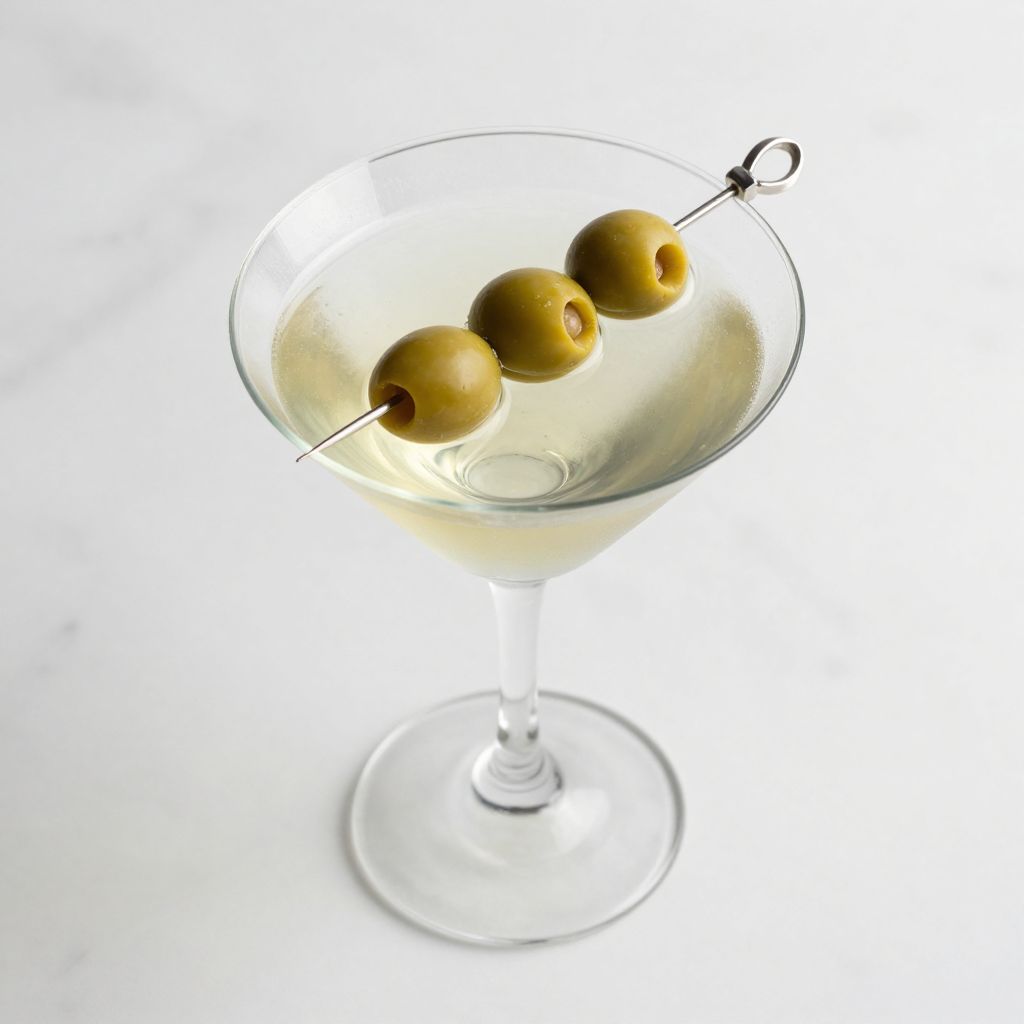
Skewer three to five olives on a cocktail pick or toothpick and rest it across the rim of your glass. The olives add visual appeal and provide a savory bite between sips that complements the drink perfectly.
Pro Tip: Chill all your ingredients before mixing, including the gin or vodka in the freezer for at least 30 minutes, and you’ll achieve a perfectly cold cocktail without over-diluting.
Tips for the Best Extra Dirty Martini
- Use quality cocktail olives because they’re the star garnish; cheap olives taste like rubber and ruin the entire drinking experience. Spend a few extra dollars on Castelvetrano or other premium varieties.
- Keep your vermouth bottle in the refrigerator after opening because it oxidizes quickly and turns flat when exposed to heat. Most home bartenders waste their vermouth by leaving it on the shelf at room temperature.
- Stir your cocktail, never shake, if you want a silky, clear drink; shaking incorporates too much air and creates unnecessary bubbles that dilute the spirit faster.
- Taste your olive brine before adding it to ensure it doesn’t have off flavors or musty notes from sitting in the jar too long. Fresh brine should smell clean and salty.
- Make only one cocktail at a time if you’re new to martini making, rather than batching multiple drinks, so you can focus on proper chilling and stirring technique.
- Add a lemon twist if you want brightness; express the oils over the surface and drop it in as a garnish for subtle citrus aroma.
Common Mistakes to Avoid
- Using too little vermouth or skipping it entirely results in a harsh, one-dimensional spirit that tastes more like a shot than a cocktail. Vermouth balances the drink.
- Forgetting to chill your glass means the drink warms up quickly and tastes dull and flat within minutes. Always prepare your glass first.
- Using cheap olive brine from a low-quality jar adds metallic or off-flavors that ruin the entire cocktail. Your brine should taste good on its own.
- Shaking instead of stirring causes excessive dilution and creates a cloudy, bubbly drink that separates as it sits. Stirring is the correct technique for spirit-forward cocktails.
- Adding too much brine at once makes the drink taste overly salty and muddy rather than savory and balanced. Start with 1 ounce and adjust to taste on your next batch.
Serving Suggestions
An extra dirty martini works beautifully as an aperitif before dinner or as a standalone cocktail during casual entertaining. Serve it immediately after making it while it’s still properly chilled, and pair it with foods that complement its savory profile.
- Serve alongside aged cheeses and cured meats for an elegant charcuterie board pairing
- Pair with salty snacks like marcona almonds or spiced nuts for complementary flavors
- Offer before a seafood-focused dinner where the brine echoes oceanic flavors
- Enjoy during cocktail hour with gourmet olives and pickled vegetables
- Serve at dinner parties as a sophisticated opening course that impresses guests
Variations to Try
- Dirty Vodka Martini: Swap gin for premium vodka and increase the brine to 1.25 ounces for a cleaner, more briny flavor profile that highlights the savory notes.
- Blue Cheese Martini: Use blue cheese-stuffed olives instead of plain green olives for a richer, funkier flavor that works beautifully with gin.
- Spicy Dirty Martini: Substitute cocktail onions pickled in hot peppers for regular olives, or add a dash of hot sauce to the brine.
- Herb-Infused Dirty Martini: Add a small splash of dry vermouth infused with fresh rosemary or thyme for herbaceous complexity.
- Lighter Dirty Martini: Reduce the spirit to 2 ounces and increase vermouth to 1 ounce if you prefer a more balanced, less spirit-forward drink.
Dietary Adaptations
- Gluten-Free: Most gin and vodka are naturally gluten-free, but verify your brands; some vermouths contain gluten, so choose certified gluten-free options.
- Dairy-Free: Extra dirty martinis contain no dairy by default, making them naturally suitable for dairy-free diets.
- Vegan: This cocktail is vegan as written since gin, vodka, vermouth, and olives contain no animal products, though some fortified wines use animal-derived fining agents.
- Low-Carb/Keto: Extra dirty martinis are keto-friendly with minimal carbohydrates; vermouth adds only trace carbs, and olives contribute negligible amounts.
Storage and Reheating
Refrigerator
Store leftover olive brine in a sealed container in the refrigerator for up to two weeks. Always use fresh brine in new cocktails rather than reusing old batches.
- Keep an opened bottle of vermouth refrigerated after opening to prevent oxidation
- Store gin and vodka at room temperature away from direct sunlight and heat
- Keep cocktail olives in their brine in a sealed jar for up to one month
Freezer
You can store gin and vodka in the freezer for a pre-chilled base, though this isn’t necessary. Freezing vermouth or brine affects their flavor profiles, so avoid freezing these ingredients.
- Chill spirits in the freezer for 30 minutes before making the cocktail for optimal coldness
- Never freeze vermouth, as it degrades the delicate botanical notes
Reheating
Cocktails should never be reheated or made in advance because they lose their chill and carbonation. Always mix to order for the best drinking experience.
- Prepare cocktails immediately before serving to ensure proper temperature and texture
- Keep all ingredients chilled ahead of time rather than trying to compensate during mixing
Nutrition Information
| Nutrient | Amount |
|---|---|
| Calories | 180 |
| Total Fat | 0g |
| Saturated Fat | 0g |
| Carbohydrates | 1g |
| Fiber | 0g |
| Sugar | 0g |
| Protein | 0g |
| Sodium | 380mg |
| Cholesterol | 0mg |
Nutritional values are approximate and calculated based on standard ingredients; values may vary depending on specific brands and variations used.
Frequently Asked Questions
Can I make an extra dirty martini without vermouth?
Technically you can, but you’ll end up with a drink that tastes harsh and unbalanced. Vermouth serves as a crucial bridge ingredient that softens the spirit and prevents the cocktail from tasting like straight gin or vodka.
How do I know if my vermouth has gone bad?
Old vermouth tastes flat, musty, or overly oxidized, which ruins any cocktail it goes into. Discard any vermouth that smells off or has been sitting open at room temperature for more than a few months.
What’s the difference between extra dirty and just regular dirty?
A regular dirty martini uses a splash of brine, while an extra dirty martini adds significantly more, creating a cloudier appearance and much stronger savory flavor. The line between them is subjective, but “extra” signals a generous pour of brine.
Should I muddle the olives in my martini?
No, muddling bruises the olives and releases bitter compounds from the pit and skin. Keep your olives intact for better texture and cleaner flavor throughout your drink.
Why does my homemade martini taste different from bar martinis?
Bar martinis taste better because bartenders chill their ingredients thoroughly and use proper technique with temperature control. Home bartenders often skip the chilling step or use warm spirits, which compromises the final result.
Can I prepare the cocktail in advance for a party?
Martinis do not hold up well when made in advance because they dilute and warm up quickly. For parties, pre-chill all ingredients and mix individual cocktails to order instead.
What’s the best glass for serving an extra dirty martini?
A traditional coupe glass or martini glass works best, though any chilled cocktail glass will work. The key is keeping the drink cold, so choose a glass that feels heavy and holds temperature well.
Final Thoughts
The extra dirty martini might seem like a simple cocktail, but mastering it teaches you fundamental bartending principles that apply to countless other drinks. Once you nail the balance of spirit, vermouth, and brine on this one, you’ll have the confidence to experiment with variations and make cocktails that impress yourself and your guests.
Grab a quality bottle of gin or vodka, find some excellent cocktail olives, and give this recipe a try tonight. You’ll quickly understand why the extra dirty martini remains a timeless classic that deserves a permanent place in your home bar rotation.
Extra Dirty Martini
Ingredients
Equipment
Method
- Fill your coupe or martini glass with ice and let it sit while you prepare the drink. A chilled glass keeps your cocktail cold longer and prevents it from warming up too quickly on the bar.
- Add a generous handful of fresh ice cubes to your cocktail mixing glass, filling it about halfway. The ice surface area matters because it pulls heat from the liquid as you stir.
- Using a jigger, measure exactly 2.5 ounces of gin or vodka and pour it over the ice in the mixing glass. Consistency in measurement creates a balanced drink every time you make it.
- Pour 0.5 ounces of dry vermouth into the mixing glass with the spirit. The vermouth adds botanical complexity and subtle sweetness that prevents the drink from tasting too sharp or one-dimensional.
- Add 1 ounce of olive brine directly to the mixing glass, stirring gently to combine. The brine transforms this into an extra dirty martini by adding savory depth and that signature cloudy appearance.
- Using a bar spoon, stir the mixture for about 30 seconds in a smooth, continuous motion. Stirring chills the drink and dilutes it slightly with melted ice, which opens up the flavors rather than muting them.
- Dump the ice water out of your chilled coupe or martini glass that you prepared in Step 1. The glass should be cold to the touch and ready to receive your cocktail.
- Using a cocktail strainer, pour the stirred mixture from the mixing glass into your prepared serving glass, leaving the ice behind. A proper strain removes any small ice shards and gives you a clean, beautiful cocktail.
- Skewer three to five olives on a cocktail pick or toothpick and rest it across the rim of your glass. The olives add visual appeal and provide a savory bite between sips that complements the drink perfectly.