
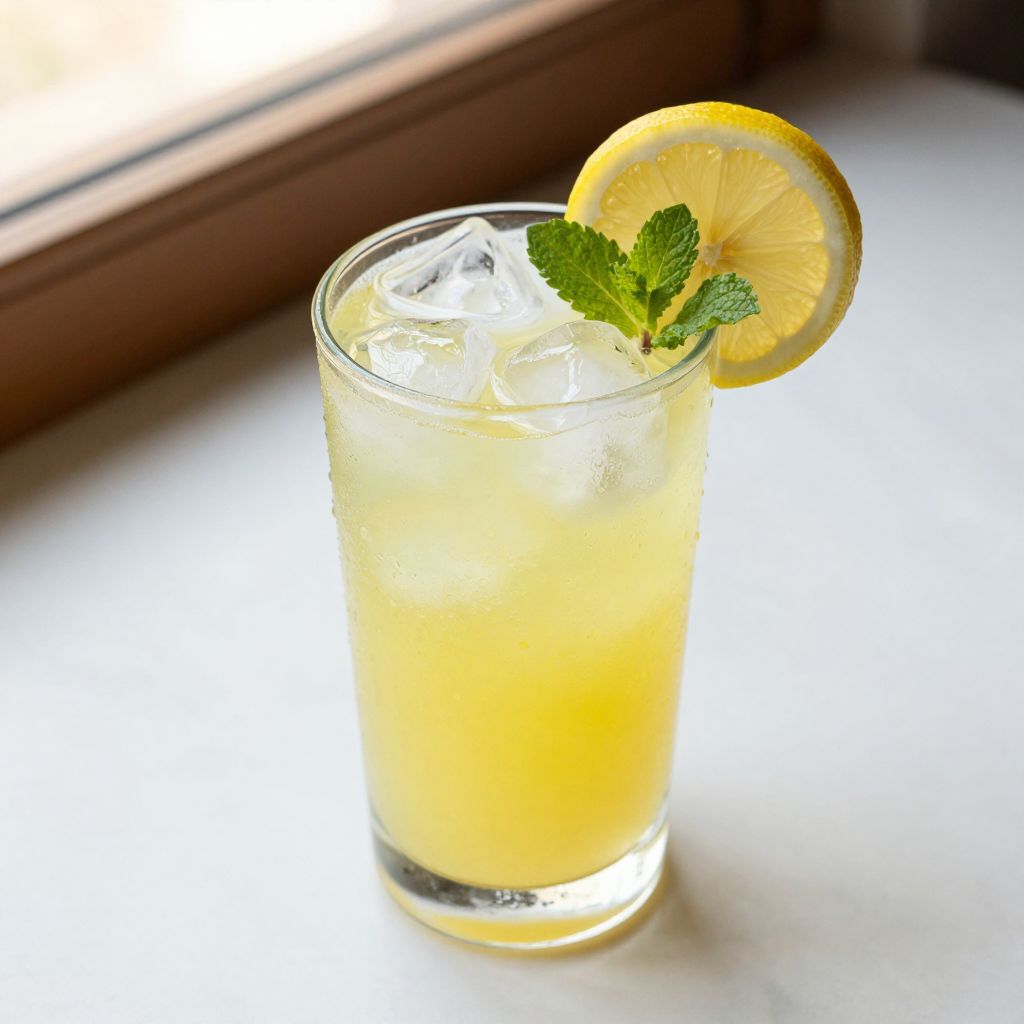
There’s something magical about sipping a cold glass of Egyptian lemonade on a sweltering Cairo afternoon, the condensation beading down the glass while fresh mint leaves brush against your lips. This drink isn’t your typical American lemonade; it’s a sophisticated blend of tart lemon juice, floral notes, and bright mint that feels both refreshing and deeply comforting at the same time. Egyptian lemonade comes together in minutes and tastes like you’ve spent hours perfecting it, making it perfect for hot days, dinner parties, or whenever you want to impress someone with a drink that actually has personality.
Why You’ll Love This Recipe
This recipe delivers restaurant-quality flavor with zero fuss, and it’s so versatile you’ll find yourself making it constantly.
- Fresh mint and lemon create a bright, aromatic combination that feels elegant yet approachable
- Ready to serve in under 10 minutes from start to finish
- Naturally sweetened and completely customizable to your taste preferences
- Impresses guests without requiring any special skills or exotic ingredients
- Works beautifully as a non-alcoholic base for cocktails or a standalone refreshment
My Experience Making This Recipe
I first discovered this drink at a small cafe in Alexandria during a particularly scorching summer, and I couldn’t stop thinking about it for weeks afterward. The owner was kind enough to share the basic technique, and I’ve been tweaking and perfecting it ever since to match my own taste.
What struck me immediately was how the mint completely transforms the drink from simple lemonade into something with real complexity. When you muddle the leaves gently, they release oils that add depth without any bitterness that you’d get from over-processing them.
My friends have started requesting this by name now, which is the highest compliment a homemade drink can receive. There’s something satisfying about serving something that tastes like it came from a fancy juice bar but actually took you 5 minutes to make.
Recipe Overview
- Recipe Name: Egyptian Lemonade
- Servings: 4
- Prep Time: 10 minutes
- Cook Time: 0 minutes
- Total Time: 10 minutes
- Course: Beverage
- Cuisine: Egyptian
- Calories per Serving: 45
Equipment You Will Need
- Cutting board
- Sharp knife
- Citrus juicer or hand squeezer
- Large pitcher
- Wooden spoon or muddler
- Measuring cups and spoons
- Glasses for serving
- Strainer or fine-mesh sieve
Ingredients for Egyptian Lemonade
- Fresh lemon juice: 1 cup (from about 6 to 8 medium lemons)
- Fresh mint leaves: 1 cup (loosely packed)
- Sugar: 1/2 cup (adjust based on lemon tartness and sweetness preference)
- Cold water: 4 cups
- Ice: 1 to 2 cups
- Sea salt: 1/8 teaspoon (enhances flavors without making it salty)
Ingredient Notes and Substitutions
- Fresh lemon juice: Freshly squeezed lemons deliver bright acidity and floral undertones that bottled juice can’t match. If you must use bottled juice, use half the amount since it’s more concentrated and often tastes metallic.
- Fresh mint leaves: Egyptian mint or spearmint works best for their delicate sweetness and aroma. Peppermint will work but tastes sharper and more medicinal, so use half the amount.
- Sugar: White granulated sugar dissolves easily and keeps the drink clear and bright. Honey adds floral complexity but makes the drink slightly thicker and less refreshing.
- Cold water: Filtered water tastes cleaner than tap water and won’t compete with the delicate mint flavor. Room temperature water is fine; you’ll add ice anyway.
- Sea salt: A pinch amplifies lemon and mint flavors without tasting salty. Regular table salt works but sea salt feels more refined.
How to Make Egyptian Lemonade
Step 1: Prepare Your Mint Leaves
Rinse the fresh mint leaves under cool running water and pat them completely dry with paper towels. Wet leaves will dilute your lemonade and won’t release their oils as effectively during muddling.
Step 2: Juice Your Lemons
Cut lemons in half and squeeze them using a citrus juicer or hand squeezer, pressing firmly to extract every drop of juice. You’re looking for about 1 cup of fresh lemon juice, which typically comes from 6 to 8 medium lemons depending on their size and juiciness.
Step 3: Dissolve the Sugar
Pour the 1/2 cup of sugar into your large pitcher and add about 1/2 cup of the cold water. Stir vigorously with a wooden spoon until the sugar completely dissolves, which takes about 1 to 2 minutes of mixing.
Step 4: Muddle the Mint Gently
Add the cup of fresh mint leaves to the pitcher with the sugar water and use a muddler or the back of your wooden spoon to gently press the leaves against the bottom and sides. You’re looking for subtle bruising that releases the mint’s aromatic oils, not aggressive pounding that tears the leaves and creates bitterness.
Step 5: Add Lemon Juice and Sea Salt
Pour the 1 cup of fresh lemon juice into the pitcher and add the 1/8 teaspoon of sea salt. Stir everything together thoroughly, making sure the flavors meld and the salt dissolves completely.
Step 6: Add Remaining Water
Pour the remaining 3.5 cups of cold water into the pitcher and stir well to combine all ingredients. Taste the lemonade and adjust sweetness by adding more sugar if the lemons were particularly tart, or more water if you prefer it less sweet.
Step 7: Strain and Chill
Pour the lemonade through a fine-mesh strainer into a clean pitcher or directly into glasses, leaving the mint leaves behind. This step removes any small leaf particles and gives you a smooth, elegant drink.
Step 8: Serve Over Ice
Fill glasses with ice cubes and pour the chilled lemonade over the top, leaving about half an inch of space at the rim. Garnish each glass with a fresh sprig of mint and a thin lemon slice for a restaurant-quality presentation.
Pro Tip: Don’t let the muddled mint sit in the liquid for more than 15 minutes before straining, or it will become too bitter and overpower the delicate lemon flavor.
Tips for the Best Egyptian Lemonade
- Use the juiciest lemons you can find at the market; heavy lemons typically contain more juice than light ones. Give them a gentle roll under your palm before cutting to break down the internal membranes and release more juice.
- Keep everything ice cold before serving, including your pitcher and glasses if you have time. Chilled glassware keeps the drink colder longer and makes it taste more refreshing.
- Make a simple syrup by dissolving sugar in hot water if you prefer a drink that’s perfectly balanced without any grittiness. This works beautifully if you’re making large batches for parties.
- Add the mint as close to serving time as possible to keep its flavor bright and fresh. Mint oxidizes over time and loses its delicate aroma.
- Taste as you go and adjust sweetness gradually, since it’s easier to add more sugar than to remove it. Everyone’s lemon tartness tolerance differs, so trust your own palate.
Common Mistakes to Avoid
- Over-muddling the mint creates bruised leaves that release bitter compounds and turn the drink unpleasantly herbaceous. Gentle pressure is all you need to wake up the leaves.
- Using warm water instead of cold water dilutes the refreshing quality of the drink and makes it taste flat. Always start with cold or room temperature water that you’ll chill with ice.
- Letting bottled lemon juice sit out or using old juice results in flat, metallic-tasting lemonade. Fresh lemon juice oxidizes quickly, so use it immediately after squeezing.
- Forgetting the pinch of sea salt makes the drink taste one-dimensional and less sophisticated. Salt doesn’t make things salty; it amplifies other flavors.
- Adding too much mint by volume creates an overpowering herbaceous drink that tastes more like a tea than a refreshing lemonade. One cup loosely packed is the sweet spot.
Serving Suggestions
Serve Egyptian lemonade ice cold in tall glasses with plenty of ice and fresh mint garnish, ideally within an hour of making it while all the flavors are at their brightest. This drink pairs beautifully with light Mediterranean meals and works wonderfully as a palate cleanser between courses.
- Alongside grilled fish or seafood dishes for a bright, acidic complement
- At afternoon tea or brunch gatherings as a non-alcoholic option that feels special
- With spiced or heavily seasoned foods to cool the palate and refresh the mouth
- As a base for mocktails by adding a splash of rose water or orange blossom water
- At poolside or garden parties during summer months when you want something light and elegant
Variations to Try
- Rose Water Egyptian Lemonade: Add 1 to 2 teaspoons of rose water after straining the mint for a floral, Middle Eastern twist that feels sophisticated and slightly exotic. This variation pairs beautifully with Middle Eastern desserts.
- Ginger Mint Lemonade: Add 2 tablespoons of fresh grated ginger to the pitcher along with the mint for a warming, spicy kick that adds complexity. This version works well both hot and cold.
- Hibiscus Egyptian Lemonade: Steep 2 tablespoons of dried hibiscus flowers in the water for 5 minutes before adding the lemon juice for a gorgeous pink color and tart, fruity flavor. This makes the drink more visually striking.
- Honey Sweetened Version: Replace sugar with 1/3 cup of honey for a smoother, more complex sweetness that feels less sharp than granulated sugar. Stir honey into warm water first to dissolve it completely.
- Sparkling Egyptian Lemonade: Replace 2 cups of still water with 2 cups of sparkling water or club soda added at the very end for a light, bubbly version. Pour the sparkling water in just before serving to maintain the fizz.
Dietary Adaptations
- Gluten-Free: This recipe is naturally gluten-free since it contains only lemons, mint, sugar, water, and salt. No adaptations needed.
- Dairy-Free: Egyptian lemonade contains no dairy products, so it’s completely dairy-free as written. All ingredients are plant-based.
- Vegan: This recipe is vegan as long as you use white granulated sugar or confirm your sugar hasn’t been filtered through bone char. Most commercial sugars are fine for vegan diets.
- Low-Carb/Keto: Replace the 1/2 cup of sugar with 1/4 cup of erythritol or monk fruit sweetener to reduce carb content dramatically. Note that erythritol sometimes leaves a slight cooling sensation on the palate.
Storage and Reheating
Refrigerator
Store unstrained lemonade in a covered pitcher for up to 3 days, though the mint flavor fades after about 24 hours. Strain out the mint leaves before refrigerating if you want to extend the drink’s shelf life.
- Keep the pitcher covered to prevent the drink from absorbing odors from the fridge
- Stir before serving since the ingredients may separate slightly
- Ice melts over time, so add fresh ice cubes before serving
Freezer
Freeze lemonade in ice cube trays for up to 3 months to use in future drinks or smoothies. Frozen lemonade cubes melt slower than plain ice and flavor the drink as they thaw.
- Pour strained lemonade into ice cube trays and freeze until solid
- Pop out frozen cubes and store in freezer bags labeled with the date
- Use frozen cubes to chill other beverages or blend into frozen drinks
Reheating
Egyptian lemonade is best served cold and doesn’t need reheating. If you want to serve it hot for some reason, warm it gently over low heat without boiling, which destroys the delicate lemon and mint flavors.
- Heat on the stovetop over low heat until warm, stirring occasionally
- Never microwave, as this can create hot spots and ruin the flavor
- Serve hot lemonade immediately without ice for a soothing winter beverage
Nutrition Information
| Nutrient | Amount |
|---|---|
| Calories | 45 |
| Total Fat | 0g |
| Saturated Fat | 0g |
| Carbohydrates | 12g |
| Fiber | 0g |
| Sugar | 11g |
| Protein | 0g |
| Sodium | 45mg |
| Cholesterol | 0mg |
These values are approximate and based on standard ingredients. Nutritional content may vary based on the specific lemons you use and how much you adjust the sweetness to your preferences.
Frequently Asked Questions
Can I Make Egyptian Lemonade Without Fresh Mint?
You can, but the drink loses its signature floral, aromatic quality that makes it special. Dried mint is a distant second choice if fresh mint isn’t available, but use only half the amount since dried herbs are more concentrated.
How Far in Advance Can I Make This Drink?
Make the lemonade base up to 3 days ahead and store it in the fridge without the mint leaves. Add fresh mint only about 1 hour before serving so it stays bright and aromatic.
What’s the Best Type of Lemon to Use?
Persian lemons are ideal because they’re juicy and have balanced tartness, but any fresh lemon works as long as it feels heavy for its size. Avoid thin-skinned lemons that feel light, as they contain less juice.
Can I Use This as a Cocktail Mixer?
Absolutely, this makes an excellent base for gin, vodka, or rum cocktails. Add spirits to individual glasses rather than to the whole pitcher so everyone can choose their strength.
Why Does My Lemonade Taste Bitter?
This typically happens from over-muddling the mint leaves or letting them steep too long in the liquid. Always muddle gently and strain out the mint within 15 minutes of mixing.
Should I Use Tap Water or Filtered Water?
Filtered water tastes noticeably cleaner and won’t compete with the delicate lemon and mint flavors. Tap water works fine, but filtered water produces a noticeably better final result.
Final Thoughts
Egyptian lemonade is one of those recipes that tastes complicated but actually comes together faster than brewing a cup of tea. Once you master the basic technique, you’ll find yourself experimenting with different variations and serving it to anyone who mentions being thirsty.
Make a pitcher this week and discover why this drink has been refreshing people across the Mediterranean and Middle East for generations. You’ll quickly understand why it deserves a permanent spot in your summer beverage rotation.
If you’re looking to expand your refreshing drink repertoire, check out our easy lemonade recipe for kids for a family-friendly option. You might also enjoy our lemonade recipe with lemon juice for 1 glass when you want to make a single serving without wasting ingredients.
Egyptian Lemonade
Ingredients
Equipment
Method
- Rinse 1 cup of fresh mint leaves under cool running water and pat them completely dry with paper towels.
- Cut 6 to 8 medium lemons in half and juice them using a citrus juicer or hand squeezer to yield 1 cup of fresh lemon juice.
- Pour 1/2 cup granulated sugar into a large pitcher, add 1/2 cup cold water, and stir vigorously for 1 to 2 minutes until the sugar completely dissolves.
- Add the prepared mint leaves to the sugar water and gently muddle with a wooden spoon or muddler for about 30 seconds to release aromatic oils.
- Pour in the 1 cup of fresh lemon juice and add 1/8 teaspoon sea salt, then stir thoroughly for 30 seconds to combine.
- Add the remaining 3.5 cups cold water to the pitcher and stir gently for 15 seconds, then taste and adjust sweetness or dilution as desired.
- Strain the lemonade through a fine-mesh sieve into a clean pitcher or glasses to remove the mint leaves and any pulp.
- Fill serving glasses with 1 to 2 cups of ice each, pour the strained lemonade over the ice, and garnish with fresh mint sprigs and lemon slices before serving.