
Picture yourself on a misty Costa Rican morning, wrapping your hands around a warm cup of Costa Rican tea while the rainforest comes alive around you.
This isn’t just any tea. Costa Rican tea blends local herbs and spices into something deeply comforting, with roots in traditional Central American wellness practices that go back generations. The magic lies in the balance of warming spices, fresh herbs, and a touch of natural sweetness that feels like a gentle hug from the inside.
Whether you’re seeking a caffeine-free wind-down ritual or a morning pick-me-up with real depth, this recipe delivers both warmth and authenticity in a single cup. Ready to bring a taste of Costa Rica into your kitchen?
Why You’ll Love This Recipe
This recipe gives you a genuinely different tea experience that moves far beyond standard grocery store bags. You’ll taste real herbs and spices working together, creating layers of flavor that unfold with each sip.
- Naturally caffeine-free, so you can enjoy it any time of day without guilt
- Uses simple, affordable ingredients you can find at most markets or specialty shops
- Ready in under 20 minutes from start to finish
- Pairs beautifully with pastries, light meals, or quiet moments alone
- Easily scaled up to make a big batch for guests or meal prep
My Experience Making This Recipe
The first time I made this, I was skeptical about throwing cinnamon, ginger, and cloves into hot water together. I thought it would taste like Christmas in a cup, which honestly doesn’t sound relaxing.
Then I took that first sip and understood why Costa Ricans reach for this blend when they want to slow down. The spices don’t shout at you; they whisper, building warmth that settles into your bones.
I’ve made it dozens of times since, sometimes adding a touch of honey, sometimes keeping it pure. Every version feels like a small act of self-care that tastes authentic and feels completely doable at home.
Recipe Overview
- Recipe Name: Costa Rican Tea
- Servings: 4 cups
- Prep Time: 5 minutes
- Cook Time: 15 minutes
- Total Time: 20 minutes
- Course: Beverage
- Cuisine: Costa Rican
- Calories per Serving: 25
Equipment You Will Need
- Large pot or kettle
- Wooden spoon for stirring
- Fine mesh strainer or cheesecloth
- Measuring spoons
- Mugs for serving
- Knife for slicing ginger and cinnamon
Ingredients for Costa Rican Tea
- 4 cups water
- 1 cinnamon stick, about 3 inches long
- 3 whole cloves
- 2 slices fresh ginger (about 1 inch thick each)
- 1 star anise pod
- 2 tablespoons dried lemongrass or 1 tablespoon lemongrass powder
- 1 teaspoon dried chamomile flowers
- 1 teaspoon dried mint leaves
- 1 bay leaf
- Honey or sugar to taste (optional)
Ingredient Notes and Substitutions
- Cinnamon stick: Provides warming spice and natural sweetness without adding sugar. Substitute ground cinnamon at half the amount, though fresh sticks offer better flavor.
- Fresh ginger: Delivers bright heat and aids digestion, a key reason Costa Ricans use it in their teas. Dried ginger works if fresh isn’t available, using just 1 teaspoon instead.
- Cloves: Bring depth and slight bitterness that balances the sweetness of cinnamon. You can skip them if you have a sensitivity to strong spices, but the tea loses complexity.
- Lemongrass: Adds citrusy brightness and a signature Costa Rican flavor note. If you can’t find it, add the zest of half a lemon during brewing instead.
- Chamomile: Provides calming properties and floral notes that round out the blend. Omit entirely for a spicier, more energizing tea.
How to Make Costa Rican Tea
Step 1: Measure and Prepare Your Spices
Gather your cinnamon stick, cloves, ginger slices, and star anise on your work surface before you start heating water. This prevents you from scrambling mid-brew and ensures you don’t accidentally skip an ingredient.
Step 2: Heat the Water to a Rolling Boil
Pour 4 cups of cold water into your pot and place it over high heat. You want the water fully boiling, not just steaming, so the spices release their oils and flavors properly.
Step 3: Add the Hard Spices First
Once the water reaches a rolling boil, add the cinnamon stick, cloves, and star anise directly into the hot water. These dense spices need the longest time to infuse, so they go in first.
Step 4: Add the Ginger and Bay Leaf
After about 2 minutes, drop in the ginger slices and bay leaf. The ginger needs a few minutes to soften and release its sharp, warming bite into the water.
Step 5: Reduce Heat and Simmer
Lower the heat to medium-low and let the mixture simmer gently for 5 to 7 minutes. You’re looking for small, quiet bubbles, not an aggressive boil that reduces your water too quickly.
Step 6: Add Lighter Herbs and Flowers
Stir in the lemongrass, chamomile, and mint leaves now. These delicate botanicals release flavor quickly and can become bitter if simmered too long, so they join the party in the final minutes.
Step 7: Simmer and Infuse
Continue simmering for another 5 to 7 minutes, keeping the heat low and steady. The tea should smell deeply aromatic, with cinnamon and ginger the dominant scents.
Step 8: Strain and Serve
Remove from heat and carefully pour the tea through a fine mesh strainer into mugs or a serving pitcher. Discard all solids and add honey or sugar if you prefer a touch of sweetness, though the tea stands beautifully on its own.
Pro Tip: Don’t skip steeping the spices for the full time; rushing this step leaves you with weak, one-dimensional tea instead of the layered warmth that makes Costa Rican tea special.
Tips for the Best Costa Rican Tea
- Use fresh ginger whenever possible; the flavor difference between fresh and dried is huge and worth the small extra effort of slicing it.
- Toast your spices lightly in a dry pan before adding water to deepen their flavor and bring out hidden warmth.
- Don’t let the tea sit too long after straining; serve it fresh while the aromatics are still alive and bright.
- Store your dried herbs in airtight containers away from heat and light so they stay potent for months of future batches.
- Make a big batch in the morning and reheat gently throughout the day for a comforting ritual that repeats.
- Experiment with the ratio of spices based on your preference; some people love more clove intensity while others prefer gentler cinnamon notes.
Common Mistakes to Avoid
- Using boiling water that’s too hot for delicate herbs like chamomile, which can turn bitter and astringent when shocked by extreme heat.
- Overstuffing the pot with spices hoping for stronger flavor; more isn’t better here, and excess spices can make the tea unpleasantly intense.
- Forgetting to strain properly, leaving small bits of spice or herb that create an unpleasant grainy texture as you drink.
- Adding honey or sugar before anyone tastes the tea; let people experience the natural flavor first and decide if sweetness is needed.
- Making a huge batch and letting it sit for hours; Costa Rican tea loses its fresh, bright quality if it sits too long after brewing.
Serving Suggestions
Pour this tea into your favorite mug and pair it with foods that echo its warm spice profile. The beauty of Costa Rican tea is its flexibility; it works equally well as a solo meditation or alongside a light snack.
- Serve with fresh pastries, biscuits, or shortbread cookies for a simple afternoon break
- Pair with tropical fruit like sliced mango or papaya to contrast the spices with bright sweetness
- Enjoy it after meals to aid digestion, a traditional Costa Rican practice
- Create a tea moment with cheese and crackers for a light evening gathering
- Serve chilled over ice in summer months as a refreshing spiced iced tea
Variations to Try
- Spiced and Smoky: Add a small piece of smoked cinnamon bark or a pinch of cardamom for depth and intrigue that shifts the tea’s personality.
- Citrus Burst: Squeeze fresh lime or lemon juice into each cup just before serving for brightness that cuts through the warmth and adds tartness.
- Creamy Costa Rican: Stir in a splash of coconut milk or regular milk after straining to create a creamier, more dessert-like version.
- Honey and Vanilla: Add a vanilla bean to the pot during brewing and finish with local honey for a richer, more indulgent take.
- Herbal Boost: Include additional dried herbs like lemon balm, hibiscus, or rose petals for more floral complexity and visual interest.
Dietary Adaptations
- Gluten-Free: This recipe is naturally gluten-free; all ingredients are whole spices and dried herbs with no processing that introduces gluten.
- Dairy-Free: The base recipe contains no dairy, though if you choose the creamy variation, use coconut milk, almond milk, or oat milk instead of regular milk.
- Vegan and Vegetarian: Costa Rican tea is entirely plant-based by nature, making it perfectly suitable for anyone following vegan or vegetarian diets.
- Low-Carb and Keto: This tea contains virtually no carbohydrates or sugar unless you add sweetener; skip the honey and enjoy it plain for a keto-friendly beverage.
Storage and Reheating
Refrigerator
Store leftover strained tea in an airtight glass container in the refrigerator for up to 3 days. The flavor remains fresh and bright when kept cold.
- Pour into an ice cube tray and freeze for tea cubes you can thaw and reheat later
- Keep the brewed tea separate from added honey or milk, which can separate over time
Freezer
You can freeze Costa Rican tea for up to 2 months in a freezer-safe container, though the delicate fresh herb notes fade slightly over time. Thaw overnight in the refrigerator before reheating.
- Freeze in ice cube trays for individual portions you can reheat quickly in a mug
Reheating
Gently reheat cold tea over low heat on the stovetop or in the microwave for 1 to 2 minutes until steaming. Never boil reheated tea, as this damages the delicate flavor profile you worked to build.
- Reheat gently in a saucepan over low heat for the best flavor preservation
- Microwave in 30-second intervals, stirring between, to avoid overheating
Nutrition Information
| Nutrient | Amount |
|---|---|
| Calories | 25 |
| Total Fat | 0g |
| Saturated Fat | 0g |
| Carbohydrates | 6g |
| Fiber | 0g |
| Sugar | 0g |
| Protein | 0g |
| Sodium | 15mg |
| Cholesterol | 0mg |
These values assume no added honey or sweetener; nutritional content changes if you add optional ingredients.
Frequently Asked Questions
Can I Use Powdered Spices Instead of Whole Spices?
You can, though the flavor becomes dusty and less refined; whole spices infuse cleaner flavors. If you must use powder, cut all amounts in half and strain extra carefully.
How Long Does This Tea Stay Fresh After Brewing?
Fresh Costa Rican tea tastes best consumed within an hour of brewing, though you can refrigerate it for up to 3 days. After that window, the herbal brightness fades noticeably.
Is This Tea Suitable for Children?
Yes, this tea is gentle and caffeine-free, making it safe for children when served warm and not scalding hot. Many Costa Rican families serve it to kids as a soothing afternoon drink.
What If My Tea Tastes Too Bitter?
Bitterness usually comes from over-steeping or water that’s too hot for delicate herbs; reduce brewing time by 2 minutes next time. You can also reduce the clove amount, as cloves can turn unpleasantly sharp when steeped too long.
Can I Make This Tea Cold Brew Style?
Cold steeping takes much longer, about 8 to 12 hours in the refrigerator, but it produces a smoother, less astringent result. This method works beautifully if you plan ahead and want a subtler flavor profile.
Where Do I Find Lemongrass if My Store Doesn’t Carry It?
Asian markets and specialty spice shops almost always stock dried lemongrass, or you can order it online from multiple vendors. Substitute lemon zest in equal measure if you absolutely cannot find it.
Final Thoughts
This Costa Rican tea recipe proves that simple ingredients, when chosen thoughtfully and treated with respect, create something genuinely special. You’re not just heating water; you’re bringing a piece of Central American tradition into your kitchen with warmth and intention.
Give this recipe a try, adjust the spice ratios to match your taste, and make it your own ritual. There’s real magic in a cup of tea that tastes like home, even if that home is a misty rainforest thousands of miles away.
If you enjoyed this warming blend, explore more herbal tea recipes that bring comfort and wellness to your daily routine. Try our clove tea recipe for a deeper spice experience, or discover the earthy notes in our dandelion tea recipe for variety in your tea collection.
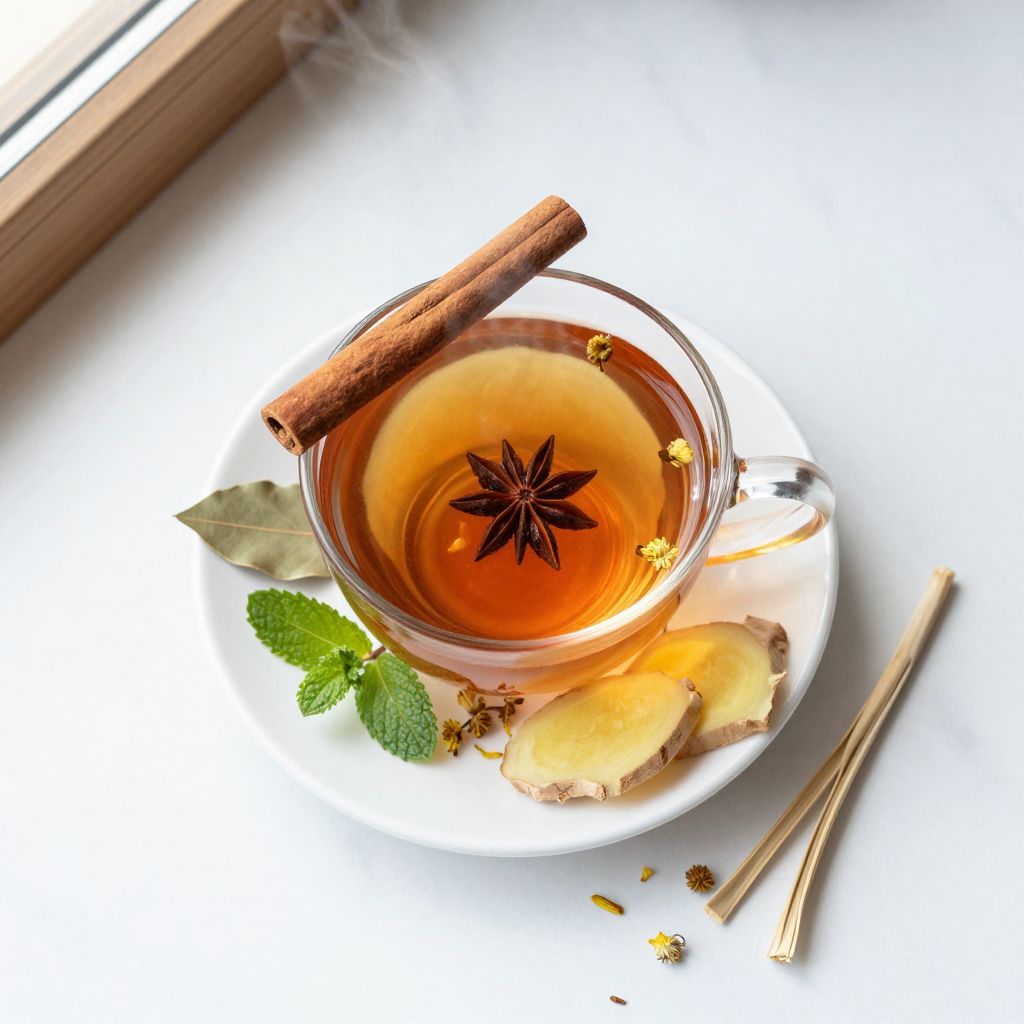
Costa Rican Tea
Ingredients
Equipment
Method
- Gather and measure all spices and herbs before heating water.
- Pour 4 cups of cold water into a large pot and bring to a rolling boil over high heat.
- Add cinnamon stick, whole cloves, and star anise to the boiling water.
- After 2 minutes, add fresh ginger slices and bay leaf to the pot.
- Reduce heat to medium-low and simmer gently for 5 to 7 minutes.
- Stir in lemongrass, chamomile, and mint leaves.
- Continue to simmer on low heat for another 5 to 7 minutes.
- Remove from heat and strain the tea through a fine mesh strainer into mugs.
- Add honey or sugar to taste and serve warm immediately.