
There’s something magical about squeezing fresh calamansi fruits into a glass and watching that bright, golden juice catch the light. Calamansi juice is a Filipino staple that tastes like bottled sunshine with a tart, citrusy kick that wakes up your taste buds instantly.
This recipe is special because it captures the essence of Southeast Asian refreshment in just minutes, using one of the most underrated citrus fruits around. The beauty of calamansi juice lies in its simplicity and versatility: it’s equally at home as a standalone drink, a marinade for grilled meats, or a zesty cocktail mixer.
Whether you’re craving a thirst-quenching afternoon beverage or a tangy addition to your cooking arsenal, this recipe delivers bright, authentic flavor with virtually zero effort. Let’s get juicing.
Why You’ll Love This Recipe
Calamansi juice rewards you with refreshing citrus flavor in minutes flat, and the ingredient list is so short you probably have most of it already.
- Ready to drink in under 5 minutes with minimal prep
- Uses just 3 to 4 simple ingredients for maximum impact
- Works as a beverage, marinade, cocktail base, or cooking ingredient
- Naturally low in calories and packed with vitamin C
- Stores beautifully in the fridge for up to two weeks
My Experience Making This Recipe
The first time I made calamansi juice was in a cramped Manila kitchen during a sweltering afternoon, and I’ll never forget how the juice’s sharp aroma cut right through the heat. My Filipino friend showed me the proper hand-squeezing technique, and within minutes I had a glass of the most refreshing drink I’d tasted in months.
What struck me most was how this simple juice became the backbone of everything that week: mixed into water for afternoon refreshment, drizzled over grilled fish, stirred into cocktails at dinner. The tartness and subtle sweetness balanced everything perfectly.
Every time I make it now, that same golden juice transports me back to that kitchen, and my friends always ask for seconds. There’s real power in something this uncomplicated.
Recipe Overview
- Recipe Name: Calamansi Juice
- Servings: 4
- Prep Time: 5 minutes
- Cook Time: 0 minutes
- Total Time: 5 minutes
- Course: Beverage
- Cuisine: Filipino
- Calories per Serving: 25
Equipment You Will Need
- Cutting board
- Sharp knife
- Citrus juicer or manual hand juicer
- Large mixing bowl or pitcher
- Wooden spoon for stirring
- Measuring cups and spoons
- Fine mesh strainer (optional, for pulp removal)
- Serving glasses
Ingredients for Calamansi Juice
- Fresh calamansi fruits: 1 pound (about 20 to 24 fruits)
- Water: 4 cups
- Sugar: 3 to 4 tablespoons, adjusted to taste
- Salt: 1/4 teaspoon
Ingredient Notes and Substitutions
- Fresh calamansi fruits: These small Filipino citrus fruits provide the signature tart flavor that makes this juice special. If calamansi is unavailable, use equal parts fresh lime and lemon juice for a similar tartness and complexity.
- Water: Cold filtered water dilutes the juice to a refreshing drinkable consistency without muting the bright citrus notes. You can substitute with sparkling water or club soda if you prefer a fizzy version.
- Sugar: A modest amount balances the tartness and brings out the juice’s natural sweetness. You can use honey, agave syrup, or skip it entirely if you prefer a less sweet drink.
- Salt: A tiny pinch enhances all the flavors without making the juice taste salty, amplifying the citrus notes beautifully. Omit it if you’re watching sodium intake, though it won’t dramatically change the result.
How to Make Calamansi Juice
Step 1: Wash and Inspect Your Calamansi
Rinse all your calamansi fruits under cool running water and pat them dry with a clean kitchen towel. Inspect each one for soft spots or mold, discarding any that show signs of decay.
Step 2: Roll and Soften the Fruits
Roll each calamansi firmly on the counter, applying gentle pressure with the palm of your hand for about 5 to 10 seconds. This breaks down the internal cell walls and releases more juice, making squeezing much easier and increasing your yield.
Step 3: Cut and Prepare for Juicing
Cut each calamansi in half crosswise using a sharp knife on a clean cutting board. If some fruits are particularly large, you can cut them into quarters for easier handling.
Step 4: Extract the Juice
Working over a large bowl or pitcher, squeeze each calamansi half firmly using a citrus juicer or your hand, making sure to extract every drop. Hand-squeezing gives you the most control and often yields more juice than you’d expect from these small fruits.
Step 5: Strain and Remove Pulp (Optional)
Pour the juice through a fine mesh strainer into a clean pitcher if you prefer a smooth juice without pulp. Some people love the pulp for extra texture and fiber, so this step is entirely up to your preference.
Step 6: Measure and Combine with Water
Measure your extracted calamansi juice and pour it into a large pitcher or mixing bowl. Add the 4 cups of cold water and stir well to combine, distributing the juice evenly throughout.
Step 7: Add Sugar and Salt
Sprinkle in 3 tablespoons of sugar and the salt, stirring constantly until both are completely dissolved. Taste as you go and add the remaining tablespoon of sugar if you prefer a sweeter drink.
Step 8: Chill and Serve
Pour the juice into serving glasses filled with ice cubes and serve immediately. The juice tastes best fresh, but you can refrigerate it for up to two weeks in a sealed container.
Pro Tip: Roll your calamansi on the counter before juicing, you’ll extract significantly more liquid and make the process faster and less tiring.
Tips for the Best Calamansi Juice
- Choose heavy calamansi fruits that feel dense for their size, they contain more juice than lighter ones that feel hollow or dried out.
- Room temperature fruits yield more juice than cold ones straight from the fridge, so leave them at room temperature for an hour before squeezing if possible.
- Taste your water before adding sugar, some bottled water has a slight mineral taste that affects the final flavor balance.
- Stir the pitcher before each pour, the natural settling can create uneven sweetness and pulp distribution throughout the batch.
- Add ice right before serving rather than mixing it into the pitcher, as melting ice dilutes the juice and weakens the flavor.
- For a restaurant-quality presentation, rim your glasses with a light sprinkle of salt mixed with dried calamansi zest before pouring.
Common Mistakes to Avoid
- Using unripe calamansi with thick skin and minimal juice inside, they taste excessively bitter and yield almost nothing when squeezed. Always choose fruits that feel slightly soft and heavy with juice.
- Skipping the salt entirely, even a tiny pinch makes a huge difference in bringing out the citrus brightness that people notice immediately.
- Adding too much sugar upfront, oversweetening masks the delicate tartness that makes calamansi special. Add sugar gradually and taste as you go.
- Making the juice hours in advance and leaving it at room temperature, the juice oxidizes and loses its bright flavor and vitamin content quickly.
- Using bottled calamansi juice from concentrate instead of fresh fruits, the flavor is flat and one-dimensional compared to fresh-squeezed juice.
Serving Suggestions
Calamansi juice shines on its own as a refreshing beverage, but it also works beautifully in many other contexts. Here are some fantastic ways to enjoy it beyond the simple glass.
- Serve ice-cold as an afternoon refreshment on hot days, paired with salty snacks like lumpia or crispy spring rolls
- Mix into sparkling water or club soda for a fizzy version at parties and gatherings
- Combine with rum, vodka, or gin for a bright citrus cocktail base
- Drizzle over grilled fish, shrimp, or chicken as a finishing sauce that adds fresh acidity
- Stir into rice or grain bowls as a bright counterpoint to rich proteins and creamy vegetables
Variations to Try
- Spiced Calamansi Juice: Add a pinch of cayenne pepper, black pepper, or a splash of hot sauce for a spicy kick that tingles on the tongue. This version pairs beautifully with grilled seafood and adds complexity to cocktails.
- Ginger Calamansi Juice: Brew fresh ginger in hot water first, cool completely, then mix with your calamansi juice for warmth and digestive benefits. The ginger adds an earthy note that complements the tartness perfectly.
- Honey Sweetened Version: Replace regular sugar with honey for a rounder, more complex sweetness that feels less sharp. Honey also adds a subtle floral note that elevates the juice’s sophistication.
- Mint Calamansi Juice: Muddle fresh mint leaves in the pitcher before adding juice and water, creating an herbal refreshment that feels almost spa-like. This version is incredible over shaved ice on summer afternoons.
- Calamansi Concentrate: Make the juice with half the water and freeze it in ice cube trays, then thaw and dilute with fresh water whenever you want juice. This extends the juice’s shelf life and gives you quick access to fresh flavor.
Dietary Adaptations
- Gluten-Free: Calamansi juice is naturally gluten-free as-is, no modifications needed. All ingredients are pure citrus, water, and natural sweeteners.
- Dairy-Free: This recipe contains no dairy products whatsoever, making it perfectly suitable for anyone avoiding milk or dairy ingredients.
- Vegan: Use agave syrup or coconut sugar instead of regular sugar if desired, both dissolve beautifully and create an equally refreshing drink.
- Low-Carb or Keto: Omit sugar entirely or use a keto-friendly sweetener like stevia or monk fruit, the tartness of calamansi stands on its own without added sweetness.
- Low-Sodium: Skip the salt completely, the juice still tastes delicious though slightly less bright and complex.
Storage and Reheating
Refrigerator
Store your calamansi juice in an airtight glass container on the coldest shelf of your refrigerator, away from the door where temperatures fluctuate.
- Fresh juice keeps for up to 2 weeks when stored properly
- The flavor gradually mellows as it sits, so drink it within the first week for peak brightness
- Stir well before each use, natural separation is normal
Freezer
Freezing calamansi juice works beautifully if you want to preserve it for longer periods.
- Pour juice into ice cube trays and freeze for individual portions
- Transfer frozen cubes to freezer bags for up to 3 months storage
- Thaw at room temperature and give it a good stir before drinking
Reheating
Calamansi juice is best served cold and never needs reheating, keeping its bright flavor intact.
- Simply thaw frozen juice naturally at room temperature or in the refrigerator overnight
- Add fresh ice and serve immediately after thawing
Nutrition Information
| Nutrient | Amount |
|---|---|
| Calories | 25 |
| Total Fat | 0.2 g |
| Saturated Fat | 0 g |
| Carbohydrates | 8 g |
| Fiber | 0.5 g |
| Sugar | 6 g |
| Protein | 0.3 g |
| Sodium | 65 mg |
| Cholesterol | 0 mg |
Nutrition values are approximate and based on standard USDA data for calamansi fruit juice with added sugar and salt. Individual variations occur based on the specific fruits used and exact liquid proportions.
Frequently Asked Questions
Can I use bottled calamansi juice instead of fresh?
Bottled juice works in a pinch, but fresh-squeezed tastes noticeably brighter and more complex. Bottled versions often contain additives and lose volatile flavor compounds during processing, leaving them flat by comparison.
How long does fresh calamansi juice last?
Fresh juice stays delicious in the refrigerator for up to two weeks in an airtight container. The flavor mellows after the first week, so drink it sooner rather than later for the best taste.
Can I make this juice without sugar?
Absolutely, many people enjoy calamansi juice completely unsweetened to highlight the natural tartness. The tartness shines through beautifully on its own, though a pinch of salt still enhances the flavor.
What if my calamansi fruits are very small and difficult to juice?
Very small fruits can be tedious to juice individually, so try rolling them on the counter first to soften them, then use a manual citrus juicer with a deep cup. You can also use your hand to squeeze firmly over a bowl, letting the juice drip through your fingers.
Can I add other fruits to this juice?
Absolutely, calamansi pairs beautifully with mango puree, pineapple juice, or passion fruit for tropical variations. Add about one part additional fruit juice to three parts calamansi juice to maintain the signature tartness.
Is calamansi juice safe for children?
Yes, unsweetened or lightly sweetened calamansi juice is safe for children and provides excellent vitamin C. Start with diluted versions for very young children to let their palates adjust to the tartness.
Can I use calamansi juice as a face mask or skin treatment?
Calamansi contains citric acid which can help brighten skin, but always dilute it with water before applying to skin. Never apply undiluted juice directly to your face, as the acidity can cause irritation or sensitivity, especially in direct sunlight.
Final Thoughts
Calamansi juice deserves a permanent spot in your beverage rotation, whether you’re quenching thirst on a hot afternoon or elevating your cooking with its bright tartness. This recipe proves that simplicity and excellence aren’t mutually exclusive, you just need quality ingredients and a couple minutes of your time.
Give this recipe a try and taste for yourself why calamansi has been a Filipino staple for generations, I’m confident it will become one of your go-to recipes too. The joy of fresh citrus juice in a glass never gets old.
Explore More Refreshing Beverages
If you loved making calamansi juice, you’ll want to explore more bright and refreshing drink recipes that celebrate fresh citrus and tropical flavors.
Try making agua fresca for another authentic Latin American refreshment that’s equally easy and delicious. For something with a bit more sophistication, shake up a limoncello martini and experience how citrus shines in cocktail form. Both recipes share that same bright, thirst-quenching quality that makes calamansi juice so special.
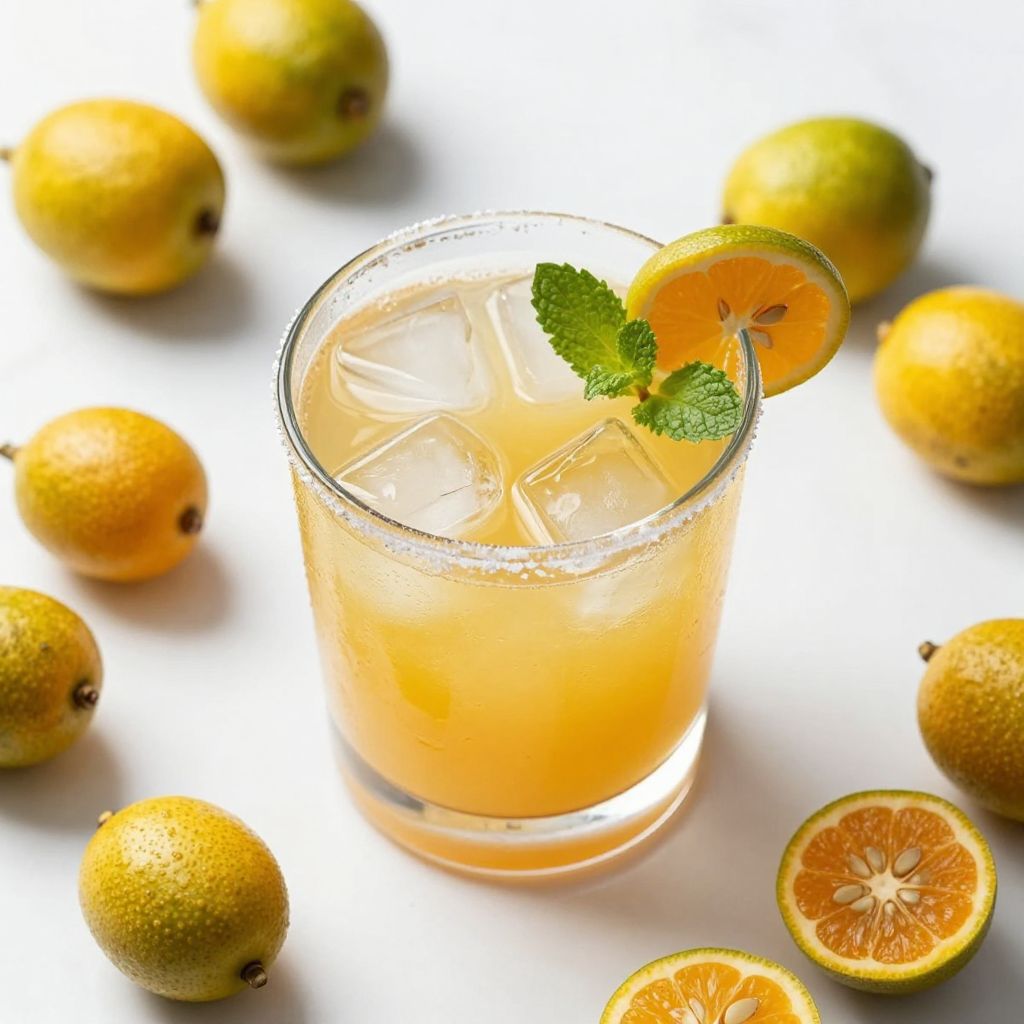
Calamansi Juice
Ingredients
Equipment
Method
- Rinse all calamansi fruits under cool running water and pat dry, discarding any with soft spots.
- Roll each calamansi on the counter with gentle pressure for 5 to 10 seconds to release juices.
- Cut each calamansi in half crosswise on a cutting board using a sharp knife.
- Squeeze each calamansi half firmly over a pitcher or large bowl using a citrus juicer or by hand to extract all juice.
- Optional: strain the juice through a fine mesh strainer into a clean pitcher to remove pulp.
- Add 4 cups of cold water to the pitcher and stir well to combine.
- Add 3 tablespoons of sugar and 1/4 teaspoon of salt, stirring until fully dissolved; taste and add up to 1 more tablespoon sugar if desired.
- Chill the juice in the refrigerator or serve immediately over ice.