
Imagine the sweet aroma of sugarcane wafting through the air as you prepare to make your own authentic cachaça. This Brazilian spirit, often compared to rum, offers a unique flavor profile that is both smooth and complex. Making cachaça at home is an experience that evokes tradition and craftsmanship, delivering a product that speaks to the heart of Brazilian culture. With just a few ingredients and some patience, you can create a delightful spirit that elevates cocktails like the classic Caipirinha or stands proudly on its own. Let’s get started on your cachaça journey!
Why You’ll Love This Recipe
This cachaça recipe is a fun and rewarding process that brings a taste of Brazil to your home. You’ll appreciate these standout features:
- Authentic flavor that captures the essence of Brazil.
- Simple ingredients that are easy to find.
- A fun project that connects you with traditional distilling methods.
- Versatile spirit perfect for cocktails or sipping straight.
My Experience Making This Recipe
When I first attempted to make cachaça, I was excited and a bit nervous. The process felt like stepping into a time-honored tradition as I crushed fresh sugarcane and watched the fermentation work its magic.
As the weeks passed, my anticipation grew. Finally tasting the finished product was a revelation, with notes of sweet sugarcane and hints of earthiness that made every sip feel like a celebration.
Recipe Overview
- Recipe Name: Cachaça
- Servings: Varies
- Prep Time: 30 minutes
- Fermentation Time: 1-2 weeks
- Distillation Time: 1-2 hours
- Total Time: 1-2 weeks
- Course: Beverage
- Cuisine: Brazilian
- Calories per Serving: Varies
Equipment You Will Need
- Large fermentation vessel
- Hydrometer
- Pot still or distillation apparatus
- Long spoon for stirring
- Cheesecloth or fine mesh strainer
- Bottles for storage
Ingredients for Cachaça
- Fresh sugarcane juice – 2 liters
- Yeast – 1 packet (preferably champagne yeast)
- Water – as needed (for dilution)
Ingredient Notes and Substitutions
- Fresh sugarcane juice: It’s the main ingredient, providing sweetness and flavor. You can substitute with high-quality sugarcane syrup, though the flavor will slightly differ.
- Yeast: This is essential for fermentation, converting sugars to alcohol. You can use other types of yeast, but champagne yeast works best for a clean finish.
How to Make Cachaça
Step 1: Prepare the Sugarcane Juice
Start by extracting juice from fresh sugarcane. This juice is crucial as it carries the distinct flavor of cachaça.
Step 2: Measure the Juice
Once you have your juice, measure out 2 liters. This will ensure you’re working with the right amount for fermentation.
Step 3: Add Yeast
Sprinkle the yeast over the sugarcane juice and stir gently. This activates fermentation, allowing the yeast to consume the sugars.
Step 4: Ferment the Mixture
Transfer the mixture to a fermentation vessel and cover it loosely. Allow it to sit at room temperature for 1-2 weeks, stirring daily to introduce oxygen.
Step 5: Check Fermentation
After a week, use a hydrometer to check the specific gravity. Fermentation is complete when the gravity stabilizes at around 1.010.
Step 6: Distill the Fermented Juice
Transfer the fermented juice to your distillation apparatus. This step concentrates the alcohol and flavors in the cachaça.
Step 7: Collect the Distillate
As you distill, collect the distillate in separate containers. Aim to keep only the heart, which has the best flavor.
Step 8: Bottle and Age (Optional)
Finally, bottle your cachaça. For a smoother flavor, consider aging it in wooden barrels for a few months.
Pro Tip: Always taste your cachaça after distillation to adjust flavors before bottling.
Tips for the Best Cachaça
- Use fresh sugarcane juice for the best flavor; bottled juices often lack depth.
- Monitor the fermentation temperature; too hot or too cold can affect yeast activity.
- Experiment with aging techniques; different woods impart unique flavors.
- Keep your equipment clean to avoid unwanted flavors in your final product.
- Be patient; the fermentation and aging processes are crucial for flavor development.
Common Mistakes to Avoid
- Using old or stale sugarcane juice; it can lead to off-flavors.
- Skipping the hydrometer check; this can result in an inconsistent alcohol content.
- Distilling too quickly; slow distillation captures the best flavors.
- Not letting the cachaça rest; this can result in harsh flavors.
Serving Suggestions
Cachaça can be enjoyed in various ways, whether neat, on the rocks, or in cocktails. Here are some ideas:
- Serve it neat to appreciate the complex flavors.
- Mix it into a classic Caipirinha with lime and sugar.
- Use it in cocktails like the Batida for a tropical twist.
- Add it to your favorite fruit juices for refreshing summer drinks.
Variations to Try
- Add fruits like pineapple or passion fruit during fermentation for unique flavors.
- Experiment with different yeast strains for varied taste profiles.
- Try aging your cachaça in different types of barrels, like oak or cedar.
- Infuse with herbs or spices like mint or cinnamon for creative cocktails.
Dietary Adaptations
- Gluten-free: This recipe is naturally gluten-free.
- Dairy-free: Cachaça contains no dairy products.
- Vegan: All ingredients used are plant-based.
- Low-carb/keto: Cachaça is low in carbs, but moderation is key.
Storage and Reheating
Refrigerator
Cachaça can be stored at room temperature or in the fridge. Here are some tips:
- Seal in a clean bottle to prevent contamination.
- Consume within a year for the best flavor.
Freezer
You can freeze cachaça without it losing flavor. Just make sure it’s in a suitable bottle.
- Freezing also makes it chilled and refreshing for cocktails.
Reheating
Reheating is not necessary for cachaça, as it is usually enjoyed cold or at room temperature.
- Simply pour and enjoy; no need for heating.
Nutrition Information
| Nutrient | Amount |
|---|---|
| Calories | 70 |
| Total Fat | 0g |
| Saturated Fat | 0g |
| Carbohydrates | 0g |
| Fiber | 0g |
| Sugar | 0g |
| Protein | 0g |
| Sodium | 0mg |
| Cholesterol | 0mg |
This information is approximate and can vary based on ingredients used.
Frequently Asked Questions
Can I use store-bought sugarcane juice?
Store-bought sugarcane juice works in a pinch, but fresh is always best for flavor.
How long does fermentation take?
Fermentation usually takes about 1-2 weeks, but can vary based on temperature and yeast activity.
Can I make this ahead of time?
Yes, you can prepare cachaça weeks in advance; just ensure proper storage.
What if my cachaça tastes harsh?
This can happen if you distill too quickly; try aging it longer to mellow the flavors.
Is cachaça gluten-free?
Yes, cachaça is naturally gluten-free, making it a safe choice for those with gluten sensitivities.
Final Thoughts
Making cachaça is not just about the drink; it’s about the experience, the tradition, and the joy of crafting something unique. I encourage you to give this recipe a try and savor the delightful results.
For more delicious cocktail recipes, explore our Mama Mama recipe or check out the refreshing Caipiroska recipe. Happy distilling!
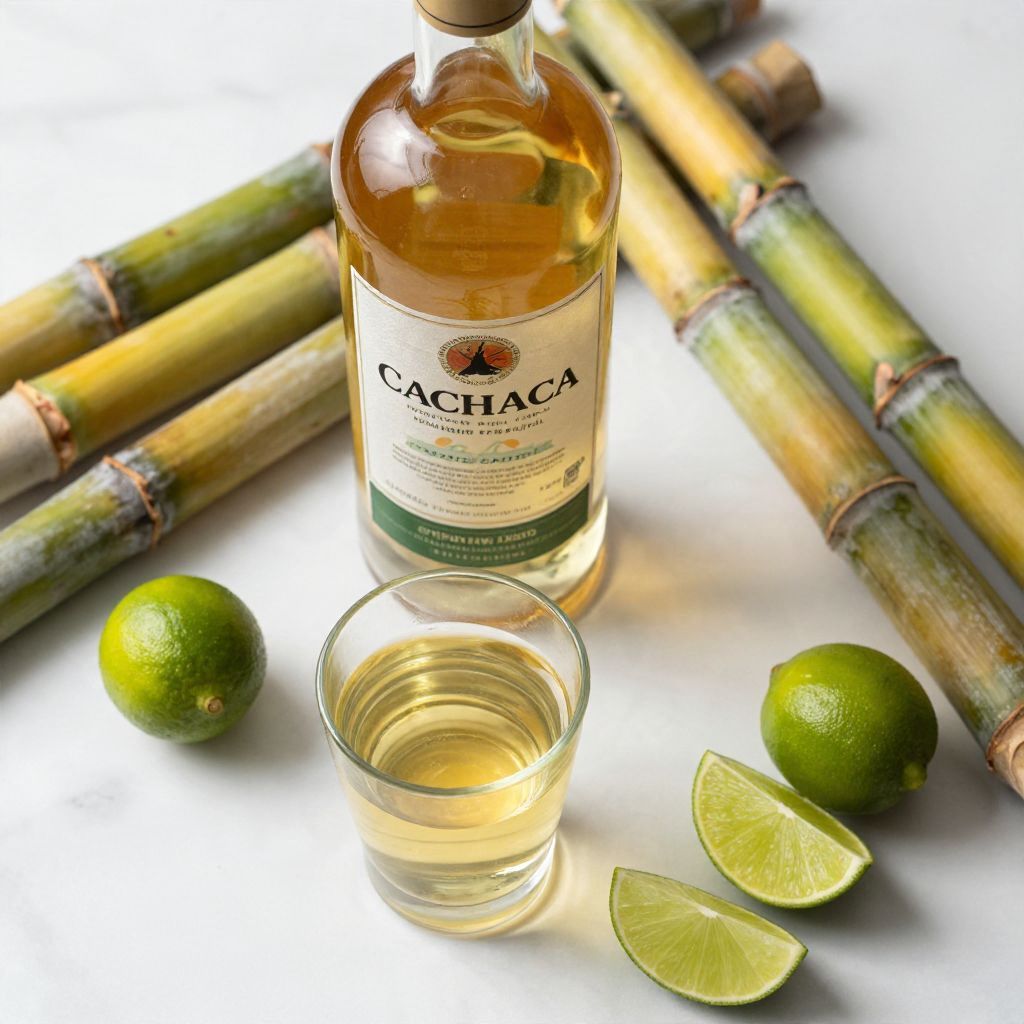
Cachaça
Ingredients
Equipment
Method
- Extract juice from fresh sugarcane.
- Measure out 2 liters of sugarcane juice for fermentation.
- Sprinkle the yeast over the sugarcane juice and stir gently.
- Transfer the mixture to a fermentation vessel and cover loosely.
- Allow it to sit at room temperature for 1-2 weeks, stirring daily.
- Use a hydrometer to check for specific gravity, fermentation is complete at around 1.010.
- Transfer the fermented juice to the distillation apparatus.
- Collect the distillate, aiming to keep only the heart.
- Bottle the cachaça and consider aging it in wooden barrels for a few months.