
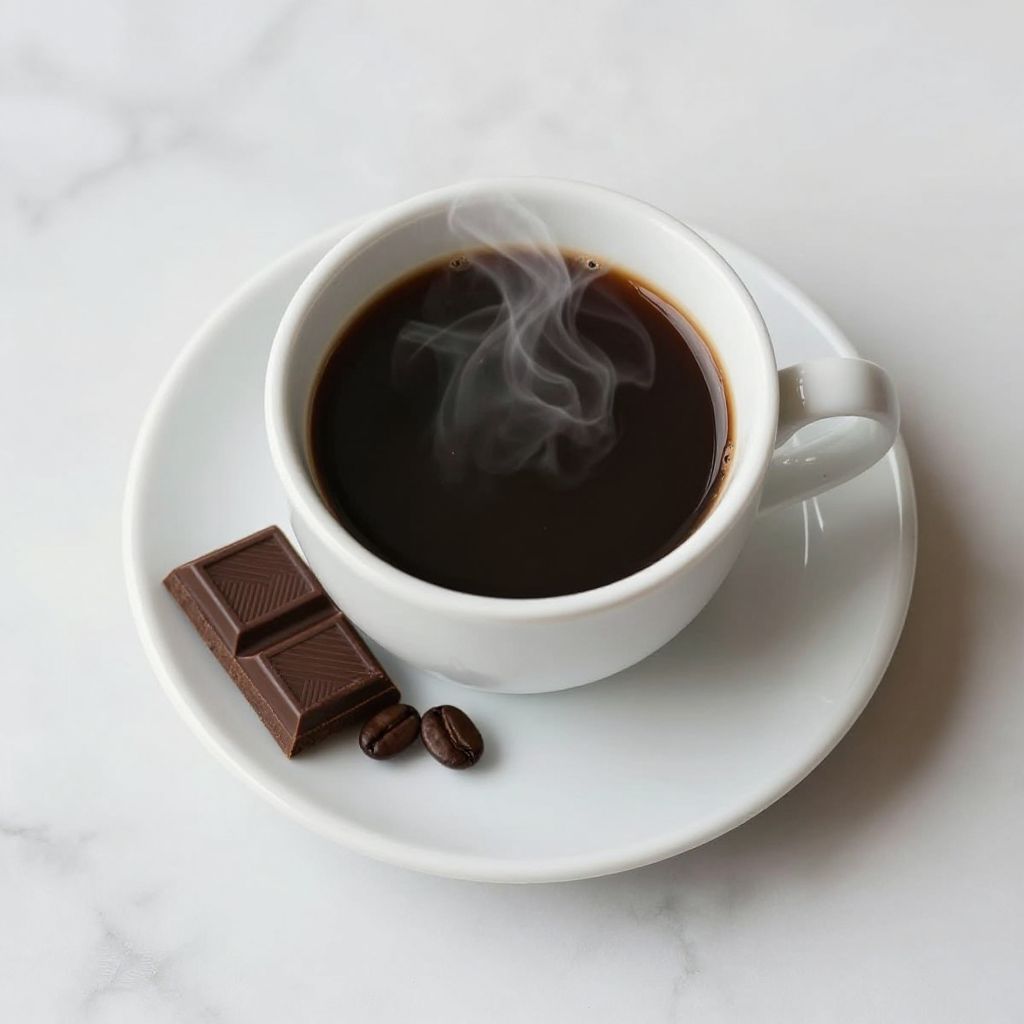
That first sip of hot black coffee in the morning is pure ritual: the aroma hits you before the cup touches your lips, steam rises, and suddenly the world feels a little more manageable.
Black coffee is the ultimate minimalist beverage, and there’s real skill in making it shine without milk, sugar, or fancy syrups to hide behind. The quality of your beans, the grind, the water temperature, and the brewing method all matter when you’re working with just coffee and water.
This guide walks you through making genuinely excellent black coffee at home, whether you prefer a classic drip brew, a rich pour-over, or a smooth French press cup. You’ll learn why the small details transform a mundane morning drink into something worth savoring.
Why You’ll Love This Recipe
Black coffee rewards attention and delivers immediate, satisfying results with just two ingredients and basic equipment.
- Naturally low in calories and caffeine-forward for real energy
- No prep work or waiting required once you master the technique
- Highlights the true flavor of quality beans without masking agents
- Endlessly customizable by bean origin, roast level, and brewing method
- Budget-friendly compared to café visits and specialty drinks
My Experience Making This Recipe
I spent years making mediocre black coffee at home before realizing my mistakes were basic: stale beans, water that was too hot, and a grind that wasn’t dialed in. Once I fixed those three things, mornings changed.
The first time I brewed fresh-roasted beans at the right temperature using a proper grind, I actually tasted the coffee instead of just drinking caffeine. There were subtle fruit notes, a clean finish, and zero bitterness.
Now I taste the difference immediately when something is off: too-hot water burns the grounds and tastes acrid, while under-extracted coffee tastes weak and sour. My kitchen ritual went from rushed and forgettable to something I genuinely look forward to.
Recipe Overview
- Recipe Name: Black Coffee
- Servings: 1 cup
- Prep Time: 2 minutes
- Brew Time: 4 minutes
- Total Time: 6 minutes
- Course: Beverage
- Cuisine: Global
- Calories per Serving: 2
Equipment You Will Need
- Coffee grinder (burr grinder preferred)
- Brew vessel (pour-over cone, French press, drip machine, or Aeropress)
- Kettle with temperature control or standard kettle
- Measuring scale or standard measuring spoon
- Mug or cup
- Filters (if using pour-over or drip machine)
- Stirring spoon
Ingredients for Black Coffee
- Freshly roasted coffee beans: 15 to 20 grams (about 2.5 to 3 tablespoons whole beans)
- Filtered water: 200 to 240 milliliters (8 to 10 ounces), heated to 195 to 205 degrees Fahrenheit
Ingredient Notes and Substitutions
- Freshly roasted coffee beans are the foundation of great black coffee because they contain the oils and aromatics that deliver flavor. Pre-ground coffee loses these qualities fast, so if you must substitute, use beans ground within hours of brewing, not days.
- Filtered water matters because chlorine and mineral content affect taste. If you only have tap water, let it run cold for a few seconds before heating it, or use bottled water in a pinch.
- Water temperature is non-negotiable at 195 to 205 degrees Fahrenheit. Water that’s too hot (boiling at 212 degrees) over-extracts and tastes bitter, while cooler water under-extracts and tastes sour.
How to Make Black Coffee
Step 1: Start With Fresh, Whole Beans
Buy whole coffee beans roasted within the past two to three weeks and store them in an airtight container away from light and heat. Stale beans produce flat, lifeless coffee because the volatile compounds that carry flavor have already escaped.
Step 2: Heat Your Water
Pour filtered water into your kettle and heat it to 195 to 205 degrees Fahrenheit. This temperature range extracts coffee solubles efficiently without burning them, which happens at boiling temperature and tastes harsh and unpleasant.
Step 3: Grind Your Beans
Grind your beans just before brewing to a medium consistency, similar to sea salt in texture. The grind size directly affects extraction time: too fine and your coffee tastes bitter, too coarse and it tastes weak and sour.
Step 4: Rinse Your Filter (If Using a Pour-Over or Drip Machine)
Place a filter in your brewing vessel and pour a small amount of hot water through it, then discard the water. This removes paper fibers and preheats your equipment so the brewing temperature stays stable.
Step 5: Add Ground Coffee to Your Brewer
Transfer your freshly ground coffee into the filter-lined brewer using a 1:15 coffee-to-water ratio by weight (so 15 grams of coffee to 225 milliliters of water). This ratio is the gold standard for balanced, flavorful black coffee.
Step 6: Begin Blooming (Pour-Over Method)
If you’re using a pour-over, pour just enough hot water to wet the grounds and wait 30 to 45 seconds. Blooming releases carbon dioxide trapped in the beans, which improves extraction and prevents channeling (water flowing through gaps instead of the coffee grounds).
Step 7: Pour Your Water Slowly and Deliberately
Pour the remaining hot water in a slow, steady circular motion over the coffee grounds, keeping the water level consistent. Pouring too fast causes under-extraction, while pouring too slowly causes over-extraction and bitterness.
Step 8: Let Gravity Do the Work
Allow the water to drip through the grounds completely without rushing or pressing down on them. The entire brew should take four to five minutes from start to finish, giving you time to extract all the good flavors without pulling out the harsh compounds.
Pro Tip: Invest in a burr grinder and a kettle with temperature control or a thermometer. These two tools have more impact on your final cup than anything else, and they transform black coffee from hit-or-miss to reliably delicious.
Tips for the Best Black Coffee
- Use a burr grinder instead of a blade grinder because blade grinders create inconsistent particle sizes, leading to uneven extraction and muddy flavor. Burr grinders crush beans to a uniform size, which brews evenly and tastes clean.
- Buy whole beans in smaller quantities more often instead of stockpiling large bags. Coffee peaks in flavor between one and four weeks after roasting, then gradually stales.
- Keep your brewing equipment scrupulously clean by rinsing it with hot water immediately after use. Coffee oils build up and turn rancid, which contaminates future brews and tastes unpleasant.
- Experiment with different origins and roast levels to find your preference. A light roast from Ethiopia tastes completely different from a dark roast from Brazil.
- Use a gooseneck kettle for pour-overs if you have one, as the thin spout gives you better control over pouring speed and direction, resulting in more even extraction.
Common Mistakes to Avoid
- Using pre-ground coffee or beans ground days in advance loses aromatics and produces flat, stale-tasting coffee. Grind immediately before brewing for maximum flavor impact.
- Brewing with boiling water (212 degrees Fahrenheit) burns the grounds and creates a bitter, harsh taste that’s impossible to fix. Aim for 195 to 205 degrees instead.
- Skipping the bloom phase in pour-over brewing traps carbon dioxide in the grounds, which blocks water from reaching all the coffee particles and results in uneven, weak extraction.
- Over-packing the coffee grounds into the filter restricts water flow and causes over-extraction, producing an astringent, unpleasantly strong cup. Use the proper 1:15 ratio and don’t tamp down.
- Letting brewed coffee sit on a hot plate or warmer causes continued extraction and evaporation, which concentrates the coffee and makes it taste increasingly bitter over time.
Serving Suggestions
Black coffee shines on its own, but the moment and context matter just as much as the cup itself. Enjoy it fresh and hot, ideally within a few minutes of brewing while all the aromatics are still present.
- Pair with a simple pastry or biscuit for a classic breakfast combination
- Serve after a meal as a palate cleanser and gentle digestive aid
- Drink during focused work or reading time when you can actually taste it instead of just consuming it
- Enjoy alongside a piece of dark chocolate to highlight complementary bitter and slightly sweet notes
- Offer to guests as a sign of hospitality and a chance to showcase quality beans you’ve chosen
Variations to Try
- Cold Brew: Steep coarse-ground coffee in cold water for 12 to 24 hours, then strain and dilute with water or ice. Cold brew tastes smooth and less acidic, making it ideal for hot weather.
- Iced Black Coffee: Brew your coffee normally using the standard method, then pour it over ice. The flavors remain bright and clean, unlike cold brew’s softer profile.
- Double-Shot Americano: Pull two espresso shots into a cup of hot water for a quick, balanced black coffee. This method delivers intensity and crema (the golden layer on top) that drip coffee lacks.
- Turkish Coffee: Grind coffee to a fine powder, add cold water and sugar (if desired) to a special small pot called a cezve, heat until foaming, and divide the foam among cups before serving. The result tastes rich and intense with a unique texture.
- Cowboy Coffee: Add ground coffee directly to hot water in a pot, let it settle, and carefully pour the liquid into your cup without disturbing the grounds. This rustic method is simple and effective when equipment is limited.
Dietary Adaptations
- Gluten-Free: Pure black coffee contains no gluten, but check your brewing vessel and equipment for any cross-contamination if you have celiac disease.
- Dairy-Free: Black coffee is naturally dairy-free, so no adaptation needed.
- Vegan: Black coffee contains no animal products, making it perfectly vegan by default.
- Low-Carb and Keto: Black coffee has essentially zero carbohydrates and fits any low-carb diet without modification.
Storage and Reheating
Refrigerator
Store cooled black coffee in an airtight container for up to five days. The flavor deteriorates gradually, so drink it within two to three days for the best taste.
- Use stored coffee for iced beverages or blended drinks rather than reheating
- Never store coffee in an open container, as it absorbs odors and flavors from the fridge
Freezer
Black coffee can be frozen in ice cube trays for up to three months, making convenient portions for iced coffee drinks. Thaw cubes at room temperature before using or add them directly to water or milk for quick cold coffee.
Reheating
If you must reheat leftover brewed coffee, do it gently in a saucepan over low heat or in the microwave in short intervals. Never let it boil, as this damages the flavor further and tastes stale and bitter.
Nutrition Information
| Nutrient | Amount |
|---|---|
| Calories | 2 |
| Total Fat | 0 g |
| Saturated Fat | 0 g |
| Carbohydrates | 0 g |
| Fiber | 0 g |
| Sugar | 0 g |
| Protein | 0.3 g |
| Sodium | 5 mg |
| Cholesterol | 0 mg |
These values are approximate and based on brewing one 8-ounce cup using the standard method without additives. Actual nutrition varies slightly based on bean origin, roast level, and brewing method.
Frequently Asked Questions
How much caffeine is in a cup of black coffee?
A standard 8-ounce cup of brewed black coffee contains 95 to 200 milligrams of caffeine, depending on bean origin, roast level, and brewing method. Darker roasts often have slightly less caffeine than lighter roasts because heat reduces caffeine content slightly during roasting.
What’s the difference between a pour-over and a French press?
Pour-overs use a paper or metal filter that traps oils and fine particles, producing a cleaner, brighter cup with more acidity. French press steeps grounds in water without filtering, so more oils and sediment end up in your cup, creating a heavier, fuller-bodied taste.
Can I make black coffee without a grinder?
You can use a mortar and pestle or even a rolling pin and cutting board in a pinch, but these methods create inconsistent particle sizes that lead to uneven extraction. A proper burr grinder is worth the investment because it transforms your daily coffee experience.
Why does my black coffee taste bitter?
Bitterness usually comes from over-extraction caused by water that’s too hot, grounds that are too fine, steeping time that’s too long, or reheated old coffee. Dial back the water temperature, use a slightly coarser grind, or shorten your brew time.
How long do coffee beans stay fresh after roasting?
Beans peak in flavor between one and four weeks after roasting and remain acceptable for two to three months if stored properly. After three months, they taste noticeably stale no matter the storage method.
Is tap water okay for brewing black coffee?
Tap water works in a pinch, but filtered water produces noticeably better coffee because chlorine and excess minerals interfere with flavor. If chlorine is a concern, let your tap water run cold for a few seconds before heating, or invest in an inexpensive pitcher filter.
Final Thoughts
Black coffee is a simple drink with profound depth once you start paying attention to the details. The ritual of grinding fresh beans, heating water to the right temperature, and brewing deliberately transforms a morning routine into a moment of genuine pleasure.
Start with fresh beans and proper technique, taste the difference, then experiment with origins and roast levels to discover what speaks to you. Your daily cup deserves that attention, and the rewards are immediate and satisfying.
For those interested in exploring more specialty coffee drinks, you might enjoy trying an espresso recipe for a more intense caffeine boost, or discovering how to make a smooth black sesame latte recipe for when you want to branch out into flavored beverages.
Black Coffee
Ingredients
Equipment
Method
- Use freshly roasted whole coffee beans stored in an airtight container away from light and heat.
- Heat 200 to 240 milliliters of filtered water in a kettle to 195 to 205 degrees Fahrenheit.
- Grind 15 to 20 grams of coffee beans to a medium consistency, similar to sea salt.
- If using a pour-over or drip machine, place a filter in the brewer and rinse it with hot water to remove paper fibers and preheat the equipment, then discard the rinse water.
- Add the ground coffee to the brewer using a 1:15 coffee-to-water ratio by weight.
- If using a pour-over, pour just enough hot water to wet the grounds and let them bloom for 30 to 45 seconds.
- Pour the remaining hot water slowly and in a steady circular motion over the coffee grounds.
- Allow the coffee to brew and drip through the grounds completely, which should take about 4 minutes in total.