
The warm, almond-forward scent of amaretto fills your kitchen as you crack open a bottle, transporting you straight to an Italian kitchen where tradition meets modern creativity.
Homemade amaretto tastes miles better than store-bought versions, with a rich almond flavor that feels luxurious yet approachable. Making your own amaretto takes just a few minutes of hands-on time and rewards you with a silky liqueur perfect for sipping, baking, or mixing into cocktails.
The magic happens when you steep apricot kernels or almonds in high-proof alcohol, then sweeten and bottle the result. You’ll get a spirit that keeps for months and costs a fraction of what you’d pay at the liquor store.
Why You’ll Love This Recipe
This amaretto recipe delivers professional-quality results with minimal effort and pantry staples.
- Tastes like premium Italian amaretto but costs far less
- Ready to use in about two weeks of passive infusion time
- Perfect for cocktails, desserts, and gift-giving
- Makes roughly 750ml of finished liqueur from basic ingredients
- No special equipment or advanced skills required
My Experience Making This Recipe
The first time I made homemade amaretto, I was skeptical about how simple the process truly was. After two weeks of waiting, I filtered the first batch and tasted it straight, and I was blown away by how closely it matched bottles costing thirty dollars.
My friends now expect a bottle of my homemade amaretto during holiday season, and I’ve made at least a dozen batches since that first success. The best part comes when someone uses it in a cocktail or drizzles it over vanilla ice cream, their eyes lighting up when they realize it’s homemade.
I’ve experimented with different ratios and even tried splitting one batch into two variations using different sweeteners. The vanilla bean version became everyone’s favorite, though the classic rendition remains the most versatile for cooking and mixing.
Recipe Overview
- Recipe Name: Homemade Amaretto Liqueur
- Servings: Makes approximately 750ml
- Prep Time: 15 minutes
- Infusion Time: 14 days
- Total Time: 2 weeks and 15 minutes
- Course: Liqueur
- Cuisine: Italian
- Calories per Serving: 107 calories per 1.5 oz serving
Equipment You Will Need
- 1 clean glass jar with tight-fitting lid (750ml or larger)
- Fine mesh strainer or cheesecloth
- Funnel
- Glass bottles for storage (750ml)
- Measuring cups and spoons
- Wooden spoon for stirring
- Labels for dating your batch
Ingredients for Homemade Amaretto Liqueur
- 2 cups high-proof vodka or brandy (at least 80 proof)
- 1 cup raw almonds or 3/4 cup apricot kernels
- 1 teaspoon vanilla extract
- 1/2 teaspoon almond extract
- 3/4 cup white sugar
- 1/2 cup water
- 1 cinnamon stick (optional but recommended)
Ingredient Notes and Substitutions
- Almonds or Apricot Kernels: These provide the core almond flavor that defines amaretto. Apricot kernels deliver a more authentic Italian taste, while almonds offer a slightly milder profile. You can substitute blanched or raw almonds, though raw nuts retain more flavor; if using apricot kernels, source them from reputable suppliers to ensure food-grade quality.
- Vodka or Brandy: High-proof alcohol serves as the base that extracts and preserves flavors. Vodka creates a cleaner spirit, while brandy adds subtle oak notes; you can substitute rum for a different character, though the flavor will shift toward caramel and spice.
- Vanilla Extract: This adds depth and smoothness to the final liqueur. If you lack vanilla extract, substitute with 1/4 inch of a split vanilla bean pod steeped with the almonds, though the flavor will be less concentrated.
- Almond Extract: This intensifies the almond character and prevents the liqueur from tasting flat. There’s no perfect substitute, but omitting it will still yield a pleasant amaretto, just with less pronounced almond intensity.
- Sugar and Water: These form a simple syrup that sweetens and mellows the spirit. You can substitute honey or agave nectar for sugar, which will alter the flavor and create a slightly thicker texture.
How to Make Homemade Amaretto Liqueur
Step 1: Toast and Crack the Almonds
Spread your almonds on a baking sheet and toast them in a 350-degree Fahrenheit oven for 8 to 10 minutes until fragrant and lightly golden. Toasting releases the oils and intensifies the almond flavor, making your final liqueur taste richer and more complex.
Once cooled, crack the almonds into smaller pieces using a kitchen mallet or the bottom of a heavy pan. You want pieces roughly the size of a pea, which increases surface area for better flavor extraction.
Step 2: Prepare Your Glass Jar
Sterilize your glass jar by rinsing it with hot water and drying it completely with a clean cloth. Any residual moisture or bacteria will compromise your infusion, so cleanliness matters more than you might think.
Step 3: Combine Almonds and Alcohol
Pour the vodka into your prepared jar, then add the cracked almonds and cinnamon stick if using. The alcohol immediately begins extracting flavor from the nuts, so you’ll notice the liquid turning slightly cloudy within hours.
Step 4: Seal and Label Your Jar
Screw the lid on tightly and write the date on a label placed on the jar. This prevents oxidation and helps you track exactly how long your infusion has been steeping.
Step 5: Infuse for Two Weeks
Store your jar in a cool, dark place like a cabinet or pantry, away from direct sunlight and heat sources. Shake the jar gently every two or three days to keep the almonds suspended and promote even extraction.
After exactly two weeks, your infusion should smell intensely nutty and look slightly darker than the original vodka. The timeline matters because over-infusing creates bitter or astringent notes that overpower the delicate almond flavor.
Step 6: Prepare Your Simple Syrup
Combine the sugar and water in a small saucepan and heat over medium heat, stirring occasionally until the sugar dissolves completely. Once the mixture reaches a bare simmer, remove it from heat and let it cool to room temperature before proceeding.
Cool syrup prevents heat from damaging the delicate flavors already developed in your infusion. If you add hot syrup to your strained liqueur, you’ll lose some of the aromatic compounds you’ve worked two weeks to extract.
Step 7: Strain Your Infusion
Pour your almond-infused vodka through a fine mesh strainer lined with cheesecloth into a clean bowl or pitcher. Press gently on the almonds with the back of a spoon to extract any remaining liquid, but don’t squeeze so hard that you force out the bitter oils from crushed nut solids.
Discard the spent almonds and cinnamon stick once all liquid has drained. Your strained infusion should look clear and golden, not cloudy.
Step 8: Add Extracts and Syrup
Stir the vanilla extract and almond extract into your cooled simple syrup, then pour this mixture into your strained almond infusion. Stir thoroughly to combine and distribute the flavors evenly throughout the liquid.
Step 9: Bottle and Mature
Using a funnel, pour your finished amaretto into clean glass bottles and seal tightly. Store in a cool, dark place for at least one more week before drinking, though it improves with an additional two to four weeks of maturation.
The flavors continue to mellow and integrate, creating a smoother, more refined spirit than what you get immediately after combining ingredients. Properly stored amaretto keeps for up to two years in a sealed bottle.
Pro Tip: Always use high-proof alcohol because the lower alcohol content in typical spirits cannot properly extract flavor or preserve your infusion long-term. Anything below 80 proof risks spoilage, so this isn’t the place to economize.
Tips for the Best Homemade Amaretto Liqueur
- Toast your almonds right before use rather than days in advance, as their oils oxidize quickly once cracked. Fresh-toasted nuts deliver maximum flavor to your infusion.
- Invest in a quality bottle of vodka if you’ll be sipping this straight, but save the premium stuff for cocktails. For this application, mid-range vodka works perfectly since the almond flavor dominates the final product.
- Shake your jar every few days during infusion, but avoid shaking so vigorously that you splash liquid onto the lid. Gentle motion keeps flavors mixing without introducing oxygen or creating a mess.
- Taste your infusion at day 10 and day 12 if you want to dial in your personal preference. Some people love deeper almond flavor and will infuse for three weeks, while others prefer the lighter version at two weeks.
- Use cheesecloth over your strainer to catch fine almond particles that can make your liqueur cloudy. One layer of good cheesecloth prevents most sediment from passing through.
- Store finished amaretto in clear glass bottles away from light, which fades color and can degrade flavor over time. A cool closet or kitchen cabinet works better than a sunny windowsill.
Common Mistakes to Avoid
- Using blanched almonds that have already been processed removes natural oils and the deep flavor they provide. Stick with raw or roasted almonds for maximum almond character.
- Infusing for more than three weeks creates an unpleasantly bitter or wooden flavor that dominates the sweetness. The extraction window is fairly narrow, so timing matters significantly.
- Failing to cool your simple syrup before mixing it with the infusion causes volatile aromatic compounds to escape as steam. This mistake results in a flatter, less fragrant final product.
- Squeezing the almonds hard during straining forces bitter tannins from the nut solids into your liqueur. A gentle press extracts liquid without degrading your batch.
- Storing finished amaretto in clear bottles on a sunny shelf causes discoloration and flavor degradation within weeks. Dark glass or opaque storage containers preserve your liqueur far better.
Serving Suggestions
Your homemade amaretto shines in multiple applications beyond simple sipping, from cocktails to desserts and beyond. The buttery almond notes complement both sweet and savory preparations.
- Serve chilled as an after-dinner digestif, perhaps alongside biscotti for dunking
- Mix into classic cocktails like the Amaretto Sour or use it in the AMF Cocktail for a nutty twist
- Drizzle over vanilla ice cream or panna cotta for instant elegance
- Stir into coffee or hot chocolate for a warming evening drink
- Use in baking for almond cake, brownies, or chocolate truffles
Variations to Try
- Vanilla Bean Amaretto: Replace the vanilla extract with one split vanilla bean pod steeped alongside the almonds for two weeks. This creates a more sophisticated, authentic Italian profile with tiny black specks and deeper vanilla notes.
- Bourbon Barrel Amaretto: Substitute quality bourbon for half the vodka to add subtle oak, vanilla, and caramel undertones. The result tastes like it matured in oak even though it rested in a glass jar, perfect for sipping neat.
- Spiced Amaretto: Add one star anise, three cloves, and a small piece of fresh ginger to your almonds during infusion. This variation works beautifully in fall cocktails and pairs wonderfully with pumpkin or apple desserts.
- Honey Sweetened Amaretto: Replace sugar and water with an equal amount of honey to create a richer, slightly darker liqueur with more body. The honey creates a smoother texture but requires thorough stirring to incorporate fully.
- Double Almond Amaretto: Use both raw almonds and apricot kernels in equal amounts for a more complex, traditional Italian flavor. This blend tastes more authentic and slightly more sophisticated than either ingredient alone.
Dietary Adaptations
- Gluten-Free: This recipe is naturally gluten-free, making it safe for anyone avoiding gluten.
- Dairy-Free: Amaretto contains no dairy products whatsoever, so it works perfectly for dairy-free diets.
- Vegan: Use white sugar or substitute with agave nectar to keep this recipe completely plant-based.
- Low-Carb/Keto: Substitute monk fruit sweetener or erythritol for sugar using a one-to-one ratio. The alcohol content means moderate portions fit easily into low-carb plans.
Storage and Reheating
Refrigerator
Opened amaretto keeps well in the refrigerator for up to two years if stored in a sealed glass bottle. The cold environment slows oxidation and helps preserve both flavor and color.
- Store in the coldest part of your refrigerator, away from the door where temperature fluctuates
- Keep the bottle tightly sealed between uses to prevent oxidation
- Separate bottles from foods with strong odors, as amaretto can absorb surrounding flavors
Freezer
Amaretto won’t freeze solid due to its high alcohol content, making it convenient for long-term storage in the freezer. This method works well if you want to preserve batches for a year or longer.
- Store in sealed glass bottles in the freezer for up to three years
- Leave some headspace since liquids expand slightly when frozen
- Keep bottles upright to prevent seal degradation over time
Reheating
Amaretto requires no reheating since you consume it cold or at room temperature, but you can warm it slightly for hot cocktails. Never boil amaretto, as high heat destroys the delicate almond flavor.
- Warm in a small saucepan over low heat until it reaches about 100 degrees Fahrenheit
- Use for hot coffee, hot chocolate, or steaming cocktails
- Remove from heat immediately once warmed to prevent flavor degradation
Nutrition Information
| Nutrient | Amount |
|---|---|
| Calories | 107 |
| Total Fat | 0g |
| Saturated Fat | 0g |
| Carbohydrates | 11g |
| Fiber | 0g |
| Sugar | 11g |
| Protein | 0g |
| Sodium | 0mg |
| Cholesterol | 0mg |
Nutrition information represents a standard 1.5 ounce serving of finished amaretto liqueur. Individual batches may vary slightly based on ingredient ratios and extraction efficiency, so these values serve as a reasonable estimate rather than a precise measurement.
Frequently Asked Questions
Can I use store-bought almond extract instead of making amaretto from scratch?
Almond extract creates a similar flavor in a fraction of the time, but homemade amaretto tastes noticeably richer and smoother with subtle complexity that extract cannot replicate. The two-week infusion develops layers of flavor that concentrated extracts simply cannot match.
How long before I can drink my finished amaretto?
You can technically drink it immediately after bottling, but waiting at least one additional week allows flavors to marry and mellow. Most people find the amaretto reaches peak flavor after two to four weeks of total maturation.
What if my amaretto looks cloudy after straining?
Cloudiness means fine almond particles passed through your cheesecloth, which is harmless but affects clarity. Strain through additional layers of cheesecloth or use a fine coffee filter to remove particles without altering flavor.
Can I make this recipe with fewer almonds for a lighter flavor?
Yes, reducing almonds to one cup creates a more delicate, less intense amaretto that some people prefer. Adjust based on your taste preference, knowing that less infusion time also produces a lighter result without reducing ingredients.
Why does my homemade amaretto taste different from store-bought versions?
Store-bought amaretto often contains additional chemicals, coloring agents, and preservation methods that create a consistent product year after year. Homemade versions taste fresher and more authentically almond-forward because they contain only real ingredients without additives or processing.
Can I reuse the almonds for a second batch?
The almonds lose most of their extractable compounds during the first infusion, so a second batch would taste significantly weaker. It’s better to start fresh with new almonds for each batch to ensure strong, consistent flavor.
Final Thoughts
Making your own amaretto proves that impressive homemade liqueurs require minimal time, effort, or special skills. Two weeks of patience rewards you with a bottle that tastes professional and costs a fraction of comparable store-bought versions.
Start a batch this week and watch your friends’ reactions when you mention it’s homemade. Once you experience how simple and rewarding this process becomes, you’ll probably make amaretto a regular addition to your kitchen calendar and gift-giving traditions.
Explore More Amaretto Cocktail Recipes
Now that you’ve mastered homemade amaretto, discover exciting ways to use it in cocktails and mixed drinks. Explore these delicious recipes to unlock the full potential of your creation.
Learn how to craft the perfect Amaretto Stone Sour to showcase your new liqueur in a refreshing, citrus-forward cocktail. Or try the AMF Cocktail for a bold, energizing drink that puts your amaretto to impressive use in a party-ready mixed drink.
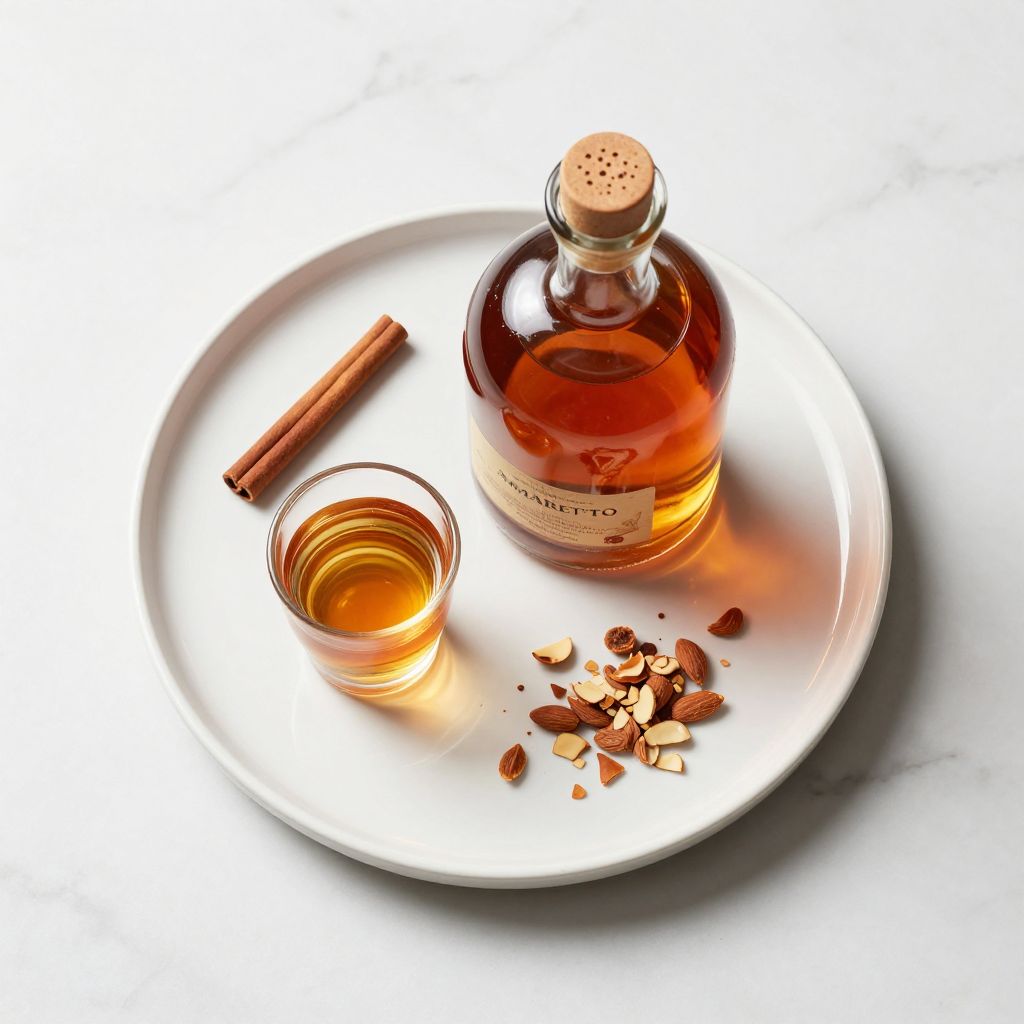
Homemade Amaretto Liqueur
Ingredients
Equipment
Method
- Preheat oven to 350°F (175°C). Spread 1 cup raw almonds on a baking sheet and toast for 8 to 10 minutes until fragrant and lightly golden, then let cool and crack almonds into small pieces about the size of a pea.
- Sterilize a 750ml glass jar by rinsing with hot water and drying completely with a clean cloth.
- Add the toasted almond pieces and 1 cinnamon stick to the jar, then pour in 2 cups high-proof vodka or brandy (at least 80 proof).
- Seal the jar tightly and label with the date, then store in a cool, dark place for 14 days, gently shaking every 2 to 3 days to promote even infusion.
- In a small saucepan, combine 3/4 cup white sugar and 1/2 cup water, heat over medium heat stirring until sugar dissolves and mixture reaches a bare simmer, then remove from heat and cool to room temperature.
- After 14 days, strain the infused alcohol through a fine mesh strainer lined with cheesecloth into a clean pitcher; gently press almonds to extract liquid without forcing bitter oils and discard solids.
- Stir 1 teaspoon vanilla extract and 1/2 teaspoon almond extract into the cooled simple syrup, then pour the syrup mixture into the strained infusion and stir to combine.
- Using a funnel, pour the finished amaretto into clean glass bottles, seal tightly, and let mature in a cool, dark place for at least 7 days before serving.