
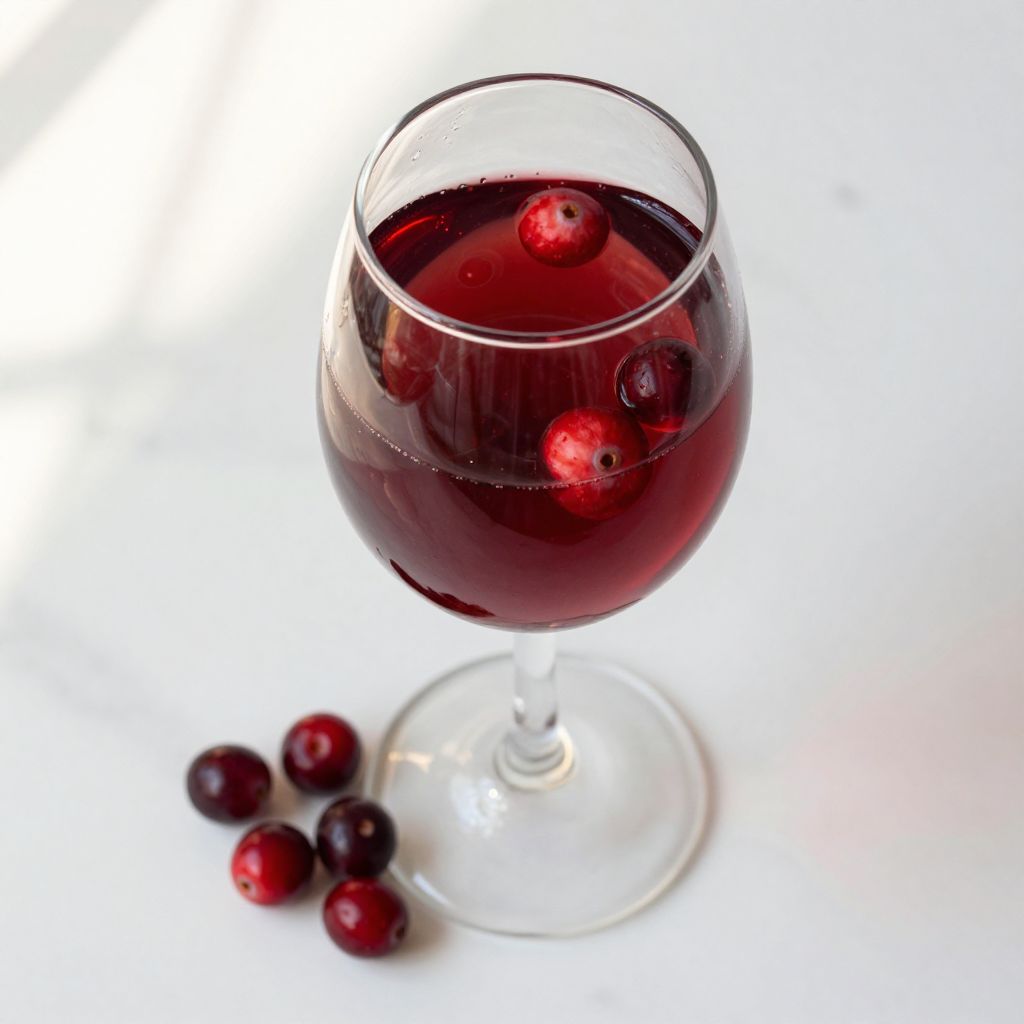
Picture yourself on a crisp autumn evening, holding a glass of deep ruby liquid that tastes like you’ve captured the essence of fall itself. Cranberry wine is one of those magical homemade beverages that feels fancy enough for holiday gatherings yet simple enough for a weekend project in your kitchen.
This recipe transforms tart cranberries into a smooth, sophisticated wine that rivals store-bought varieties in flavor and beats them soundly on price. The beauty of making cranberry wine at home lies in its balance of tartness and sweetness, the gorgeous color that deepens as it ages, and the quiet satisfaction of sharing something you’ve crafted yourself.
Whether you’re a seasoned wine maker or picking up a carboy for the first time, this guide walks you through every step with confidence. Get ready to impress yourself and everyone lucky enough to taste what you’re about to make.
Why You’ll Love This Recipe
Cranberry wine offers a refreshing departure from traditional grape wines and costs far less than quality fruit wines at specialty shops. The process is forgiving, the results are consistently excellent, and the flavor profile works with nearly any meal or occasion.
- Deep, beautiful color that darkens beautifully as it ages and ferments
- Balanced tartness and subtle sweetness without cloying aftertaste
- Lower cost per bottle compared to purchasing quality fruit wines
- Perfect for holiday gifting or building your personal collection
- Natural fermentation creates complexity that improves over months
My Experience Making This Recipe
The first time I made cranberry wine, I was skeptical that something so simple could taste so polished. Within two weeks, the aroma filling my kitchen shifted from sharp and acidic to warm and inviting, which convinced me the magic was real.
I bottled my first batch in November and cracked open a bottle in March at a dinner party. My guests genuinely believed I’d purchased it from a winery, and the compliments kept coming long after dessert ended.
What surprised me most was how the flavor evolved over those months. The initial harsh notes softened, and the cranberry character deepened into something almost winey and sophisticated. Now I make at least two batches annually and keep bottles aging in my pantry specifically for moments that deserve something special.
Recipe Overview
- Recipe Name: Homemade Cranberry Wine
- Servings: Makes approximately 1 gallon or five 750ml bottles
- Prep Time: 30 minutes
- Fermentation Time: 4 to 6 months
- Total Time: 4 to 6 months from start to bottling
- Course: Beverage
- Cuisine: American
- Calories per Serving (5 oz glass): 120 calories
Equipment You Will Need
- 1-gallon glass carboy or demijohn
- Airlock and rubber bung to fit your carboy
- Large stainless steel pot (non-reactive)
- Hydrometer to measure specific gravity
- Thermometer (ideally 0 to 200 degrees Fahrenheit)
- Long wooden spoon for stirring
- Cheesecloth or fine mesh strainer
- Siphon tube or auto-siphon for racking
- Clean glass bottles for storage
- Bottle caps or corks with appropriate closures
- Sanitizer (such as potassium metabisulfite solution)
- Kitchen scale for accurate measurements
Ingredients for Cranberry Wine
- 3 pounds fresh or frozen cranberries (do not use canned or juice-based products)
- 2.5 pounds granulated white sugar (divided into three portions)
- 1 gallon filtered water (chlorine-free, as chlorine inhibits fermentation)
- 1 teaspoon acid blend (citric acid, tartaric acid, and malic acid combined)
- 1 teaspoon wine tannins (optional, but adds depth and complexity)
- 1/2 teaspoon yeast nutrient (supports healthy fermentation)
- 1 packet wine yeast (Lalvin EC-1118 or Nottingham ale yeast works beautifully)
- 1/2 teaspoon potassium metabisulfite (preservative, added at bottling)
Ingredient Notes and Substitutions
- Cranberries: Fresh or frozen berries work equally well since freezing breaks down cell walls, releasing more juice and color. Avoid canned cranberries packed in sugar, as they’ve already fermented and contain added chemicals that interfere with your fermentation.
- Sugar: Granulated white sugar ferments cleanly without off-flavors, though you can substitute half with honey for slightly deeper notes. Brown sugar adds molasses undertones that muddy cranberry’s bright character, so skip it entirely.
- Water: Chlorinated tap water kills yeast, so filter it or let it sit uncovered overnight to allow chlorine to evaporate. Distilled water works but lacks minerals that support fermentation, so filtered tap water is ideal.
- Acid Blend: This balances pH and preserves the wine’s bright tartness from the cranberries. Fresh lemon juice works in a pinch, though results vary based on juice acidity.
- Wine Yeast: Lalvin EC-1118 is forgiving and tolerant of high alcohol, while Nottingham produces cleaner fruit character. Never use bread yeast, which produces off-flavors unsuitable for wine.
How to Make Cranberry Wine
Step 1: Sanitize Your Equipment
Rinse your carboy, airlock, bung, spoon, and any tools with hot water, then soak them in sanitizer solution for at least 15 minutes. Sanitization prevents wild bacteria and mold from colonizing your wine before the yeast can establish dominance.
Step 2: Prepare the Cranberries
Rinse your cranberries under cool water and remove any stems or shriveled berries that could introduce off-flavors. If using frozen berries, thaw them completely and crush them gently with a wooden spoon to break the skins and release maximum juice.
Step 3: Heat the Fruit and Water
Pour your filtered water into the large stainless steel pot and heat it to 160 degrees Fahrenheit, then add the crushed cranberries. Hold this temperature for 30 minutes to extract color, flavor, and natural pectins without boiling, which would damage the delicate fruit compounds.
Step 4: Cool and Strain the Liquid
Remove the pot from heat and allow it to cool to room temperature, which takes about two hours. Pour the mixture through cheesecloth or fine mesh, pressing gently on the fruit to extract all liquid, then measure the juice and top up with additional filtered water if needed to reach 1 gallon.
Step 5: Create Your Starter Solution
Pour the cranberry liquid into your sanitized carboy, then dissolve 1.25 pounds of sugar into it by stirring gently for several minutes. Add the acid blend, wine tannins, and yeast nutrient, then stir well to ensure even distribution of these flavor and fermentation-supporting components.
Step 6: Pitch the Yeast
Let your must cool to between 65 and 75 degrees Fahrenheit, then sprinkle the wine yeast directly onto the surface and let it sit for five minutes to hydrate. Gently stir it in with your wooden spoon, using an upward motion to incorporate oxygen that gives the yeast energy to ferment vigorously.
Step 7: Cover and Begin Primary Fermentation
Fit the rubber bung into your carboy and insert the airlock half-filled with either water or sanitizer solution. Place the carboy in a cool, dark location between 65 and 70 degrees Fahrenheit, where it will remain undisturbed for the next 7 to 10 days.
You’ll notice active bubbling within 24 hours, which signals that yeast is converting sugar into alcohol and carbon dioxide. This is exactly what you want and a sign that fermentation is proceeding healthily.
Step 8: Add Sugar and Monitor Progress
After 7 to 10 days, when bubbling slows noticeably, dissolve another 0.75 pounds of sugar in a small amount of warm water, then add it through the airlock opening. This feeding provides additional fuel for fermentation and develops complexity in the final flavor.
Again after another 7 to 10 days, repeat this process with the final 0.5 pounds of sugar. Your hydrometer readings should show steadily decreasing gravity, indicating that more sugar converts to alcohol with each addition.
Step 9: Rack the Wine Off Sediment
After about four weeks of total fermentation time, when bubbling has nearly stopped and the wine appears noticeably clearer, siphon the liquid into a clean, sanitized carboy. Leave the sediment and dead yeast cells (called the lees) behind in the original carboy, as this improves the final clarity and flavor.
Insert a fresh airlock into the new carboy and allow secondary fermentation to continue for another 8 to 12 weeks in that cool, dark location.
Step 10: Fine and Clarify
If your wine still appears hazy after secondary fermentation, you can add a fining agent like isinglass or bentonite according to package directions. These natural substances bind to suspended particles and cause them to settle, resulting in brilliant clarity within a week.
Step 11: Bottle Your Cranberry Wine
When the wine is clear and gravity has stabilized (two consecutive hydrometer readings within 0.002 points), it’s ready to bottle. Siphon the wine into clean, sanitized bottles, leaving about one inch of headspace, then cap or cork securely.
Add 1/4 teaspoon of potassium metabisulfite dissolved in a small amount of water to each gallon of finished wine to prevent oxidation and spoilage during storage. This preservative is optional but highly recommended for wines you plan to age.
Step 12: Age and Enjoy
Store your bottled cranberry wine upright in a cool, dark place for at least two months before opening, though six months to a year yields noticeably better complexity and smoothness. The wine will improve steadily over time, developing warmer tones and softer edges that make it increasingly sophisticated to sip.
Pro Tip: Invest in a good hydrometer and use it consistently throughout fermentation to track progress and know exactly when your wine is finished fermenting, preventing stuck fermentations or over-fermentation that leaves the wine too dry.
Tips for the Best Cranberry Wine
- Keep your fermentation temperature stable between 65 and 70 degrees Fahrenheit, as temperature swings stress yeast and produce unpleasant flavors. A basement, closet, or wine fridge maintains consistency far better than kitchen counters.
- Use filtered water rather than distilled water, which lacks minerals needed for fermentation, or chlorinated tap water, which inhibits yeast activity. The mineral content in filtered water creates a more balanced final product.
- Never leave your airlock dry, as this allows air into the carboy and causes oxidation that produces brown color and vinegar notes. Check your airlock weekly and top it off with water if needed.
- Taste your wine at each racking step to monitor flavor development and catch any problems early. Early detection of off-flavors like vinegar or sulfur allows corrective action.
- Patience truly rewards wine making, so resist opening bottles before the recommended aging period. A wine that tastes rough at three months transforms into something remarkable by month eight.
- Label your bottles with the date and any notes about fermentation or additions made. This creates a record that helps you adjust and improve future batches.
Common Mistakes to Avoid
- Using bread yeast instead of wine yeast produces off-flavors like banana or bubblegum that ruin the delicate cranberry character. Wine yeast has been cultivated specifically to ferment cleanly without aromatic by-products.
- Adding all the sugar at once creates such high osmotic pressure that yeast cannot work efficiently, resulting in stuck fermentation where yeast dies before consuming all available sugar. Splitting sugar additions over time prevents this problem.
- Fermenting at temperatures above 75 degrees Fahrenheit causes yeast to produce unpleasant fusel alcohols and esters that taste hot and harsh. Keeping fermentation cool preserves delicate fruit flavors.
- Failing to sanitize equipment allows wild bacteria to outnumber cultured yeast, resulting in vinegar or off-flavors that overpower the cranberry goodness. One minute of sanitizer contact prevents weeks of disappointment.
- Bottling before fermentation is truly complete traps carbon dioxide inside, creating bottle bombs that explode and waste your wine. Using a hydrometer to confirm gravity stability prevents this dangerous mistake.
Serving Suggestions
Cranberry wine shines served chilled at about 50 degrees Fahrenheit, which highlights its bright acidity and natural fruit character. The tartness makes it remarkably versatile with both savory and sweet applications.
- Serve with aged cheddar and crackers for a sophisticated cheese course that showcases the wine’s complexity
- Pair with roasted turkey or duck for holiday meals, where the tartness cuts through rich fats beautifully
- Enjoy with spiced desserts like pumpkin pie or gingerbread, where the wine’s acidity balances sweetness
- Mix into holiday cocktails as a creative substitute for cranberry juice with actual wine depth and character
- Serve as an aperitif before dinner to stimulate appetite with its bright, tart profile
Variations to Try
- Orange Cranberry Wine: Add the zest and juice of three oranges to the primary fermentation for citrus brightness that complements cranberry’s natural tartness. The result tastes more complex and slightly less harsh than straight cranberry.
- Spiced Cranberry Wine: Add one cinnamon stick, four whole cloves, and two star anise pods during the heating step to infuse warming spice notes. Remove the spices before bottling to prevent over-extraction and bitterness.
- Cranberry Ginger Wine: Include one-quarter teaspoon of powdered ginger or one tablespoon of fresh ginger slices to create a spicy, warming variation perfect for winter sipping. Ginger adds heat and complexity that makes the wine feel more sophisticated.
- Dry Cranberry Wine: Reduce sugar additions by 25 percent to create a wine that finishes completely dry with no residual sweetness. This style emphasizes the natural fruit character and pairs better with savory dishes.
- Cranberry Port Style: Add one-quarter pound of raisins along with the cranberries for deeper, more complex flavors reminiscent of fortified wines. The raisins contribute subtle vanilla and caramel notes that round out the final product.
Dietary Adaptations
- Vegan and Vegetarian: This recipe is naturally vegan if you use plant-based fining agents like pea protein instead of isinglass. Simply specify vegan fining when you order supplies from your homebrew retailer.
- Gluten-Free: Cranberry wine made with this recipe contains no gluten, as none of the ingredients contain grain products. Always verify that your specific yeast strain and fining agents are certified gluten-free if you have celiac disease.
- Sulfite-Free: Skip the potassium metabisulfite at bottling if you’re sensitive, though your wine oxidizes faster and may develop off-flavors within a year. Store sulfite-free wine in the coolest conditions and consume within six months for best quality.
- Lower Alcohol: Reduce sugar by 30 percent to produce wine with approximately 10 percent alcohol instead of 12 to 13 percent. Lower alcohol wine tastes crisper and less warming but won’t age as long.
Storage and Reheating
Refrigerator
Store sealed bottles of cranberry wine upright in the coldest part of your refrigerator where they keep for up to two weeks after opening. Cold temperatures slow oxidation, preserving the wine’s flavor and preventing browning.
- Keep bottles away from the door where temperature fluctuates with frequent opening and closing
- Cover or cap opened bottles tightly to minimize air contact
- Consume within two weeks of opening for optimal flavor and color
Freezer
Freezing is not recommended for finished wine, as the alcohol and water separate during thawing, compromising flavor and mouthfeel. However, you can freeze cranberry wine in ice cube trays for use in cooking and cocktails.
- Pour finished wine into silicone ice cube trays and freeze solid
- Transfer frozen cubes to freezer bags for long-term storage up to one year
- Use cubes in cooking sauces, glazes, and cocktails without thawing
Long-Term Cellar Storage
Store unopened bottles on their sides in a cool, dark place between 45 and 65 degrees Fahrenheit where they improve for two to five years. Wine stored this way develops increasingly complex flavors as tannins soften and fruit character deepens.
- Keep bottles away from sunlight and fluorescent light, which cause premature aging
- Maintain stable temperature rather than allowing fluctuations that cause expansion and contraction
- Avoid vibration and movement, which disturbs sediment and accelerates oxidation
- Stack bottles horizontally so the cork stays wet and maintains an airtight seal
Nutrition Information
| Nutrient | Amount |
|---|---|
| Calories | 120 |
| Total Fat | 0g |
| Saturated Fat | 0g |
| Carbohydrates | 4g |
| Fiber | 0g |
| Sugar | 2g |
| Protein | 0g |
| Sodium | 5mg |
| Cholesterol | 0mg |
Nutrition values are approximate and based on a five-ounce serving of finished cranberry wine with residual sugar typical of this recipe. Actual nutrition varies based on fermentation completion and individual variations in sugar additions.
Frequently Asked Questions
Can I use juice or dried cranberries instead of fresh or frozen?
No, neither works well for wine making as juice lacks the natural compounds that create good fermentation and flavor development. Dried cranberries have already lost water content, which throws off your liquid calculations.
What does the wine taste like when it’s finished fermenting?
Finished cranberry wine tastes tart but smooth, with subtle sweetness and a slightly dry finish that improves with aging. Early batches taste harsher, but six months in the bottle transforms them into something genuinely sophisticated.
Is it safe to drink wine that I’ve made at home?
Yes, as long as you sanitize properly and let fermentation complete fully, home wine is as safe as commercial wine. The fermentation process creates an environment where harmful bacteria cannot survive due to alcohol content and acidity.
Why is my wine hazy or cloudy even after fermentation stopped?
Haze comes from suspended yeast, proteins, or tannins that settle very slowly on their own, which is why racking into fresh carboys helps. Using fining agents like isinglass or bentonite speeds clarification from weeks to days.
Can I add more sugar or other fruits to my batch if I want it sweeter or more complex?
Adding sugar once fermentation has fully completed risks restarting fermentation in the bottle, creating bottle bombs or spoilage. If you want sweeter wine, reduce fermentation time or use less yeast nutrient, which allows more residual sugar to remain.
How much alcohol does this cranberry wine have?
This recipe produces approximately 12 to 13 percent alcohol by volume, depending on fermentation completion and individual yeast performance. You can reduce alcohol content by about 1 percent for every 0.25 pounds of sugar you omit from the recipe.
What should I do if fermentation seems to have stopped before the gravity reaches expected levels?
A stuck fermentation usually signals temperature problems, nutrient depletion, or pH imbalance that stressed the yeast. Warm the carboy gradually to 70 degrees, add more yeast nutrient, and gently stir to reintroduce oxygen, which often restarts sluggish fermentation.
Final Thoughts
Making cranberry wine transforms you from a passive consumer into an actual winemaker, and that shift in perspective matters more than you might expect. The confidence you build from watching yeast work its magic and bottling something genuinely delicious carries into other areas of cooking and entertaining.
Start your batch this week and mark your calendar for four months from now when you’ll open the first bottle with genuine pride. Your future self will thank you for the effort, and everyone who tastes what you’ve created will assume you’ve been making wine for years.
Explore More Homemade Beverages
Now that you’ve mastered cranberry wine, your home beverage repertoire opens up to countless creative possibilities.
Mix your finished cranberry wine into a refreshing cranberry paloma cocktail for entertaining with flair, or craft your own cranberry juice recipe as a non-alcoholic foundation for other projects.
Homemade Cranberry Wine
Ingredients
Equipment
Method
- Sanitize all equipment by soaking in sanitizer solution for at least 15 minutes.
- Rinse the cranberries under cool water and discard any stems or shriveled berries.
- If using frozen cranberries, thaw completely and crush with a wooden spoon to release juice.
- Heat 1 gallon of filtered water to 160°F in a large pot, add crushed cranberries, and maintain temperature for 30 minutes.
- Remove from heat and cool mixture to room temperature (about 2 hours).
- Strain the mixture through cheesecloth into the carboy, pressing fruit gently to extract liquid, and top up with water to 1 gallon if needed.
- Dissolve 1.25 pounds of sugar in the cranberry juice in the carboy, then add acid blend, wine tannins, and yeast nutrient, stirring gently to mix.
- Cool must to 65–75°F, then sprinkle wine yeast on the surface, let hydrate for 5 minutes, and stir gently to incorporate.
- Seal carboy with a rubber bung and airlock, ferment in a cool dark place at 65–70°F for 7–10 days until bubbling slows.
- Dissolve 0.75 pounds of sugar in warm water and add to fermenter after 7–10 days; repeat with final 0.5 pounds of sugar after another 7–10 days.
- After about 4 weeks, rack wine off sediment into a sanitized secondary carboy, reattach airlock, and continue secondary fermentation for 8–12 weeks.
- If wine remains hazy after secondary fermentation, add fining agent (isinglass or bentonite) according to package instructions and wait for clarity.
- When gravity readings stabilize (two readings within 0.002), siphon wine into sanitized bottles, leaving 1 inch headspace, and add 1/4 teaspoon potassium metabisulfite per gallon.
- Store bottles upright in a cool, dark place for at least 2 months before opening, aging up to 1 year for best flavor.