
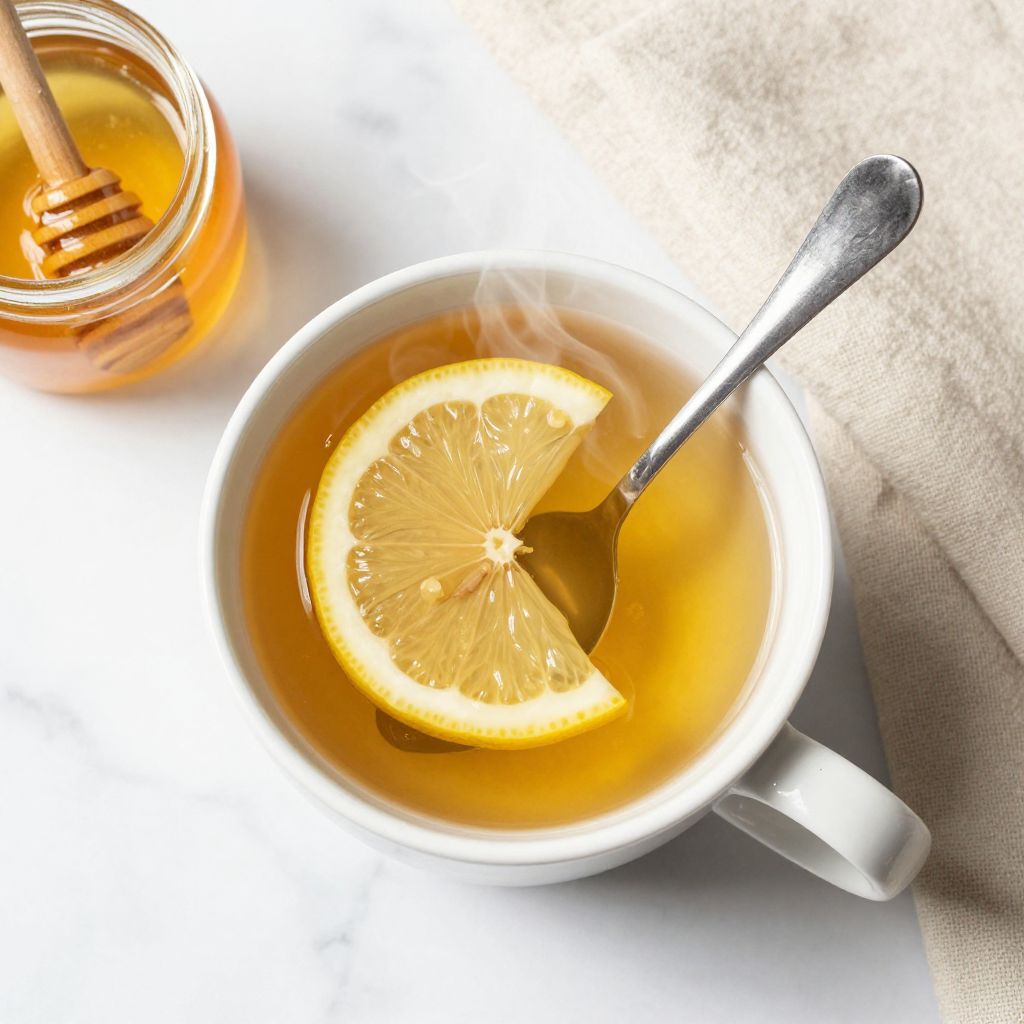
There’s something magical about wrapping your hands around a warm mug of honey lemon tea on a gray afternoon, when the steam rises up and hits your face with citrus brightness and floral sweetness. This simple drink has been my go-to remedy for everything from sore throats to just needing a moment of calm, and it tastes so good you won’t feel like you’re doing yourself a favor.
Honey lemon tea is special because it requires just three ingredients, takes five minutes to make, and actually tastes like you put real effort into it. The tartness of fresh lemon balances perfectly with the smooth sweetness of honey, while hot water brings out all the subtle flavors without any fuss. Whether you’re fighting off a cold, need a natural energy lift, or simply want something soothing, this recipe delivers every single time.
Why You’ll Love This Recipe
This tea hits different because it’s ridiculously simple yet tastes like a fancy cafe drink, takes almost no time to prepare, and genuinely makes you feel better.
- Only three ingredients: lemon, honey, and water.
- Ready in under five minutes from kettle to sip.
- Works as a natural throat soother, immune booster, and pure comfort drink.
- Infinitely customizable with herbs, spices, or other flavors.
- No special equipment or fancy technique required.
My Experience Making This Recipe
I started making this tea regularly after my roommate swore by it during cold season, and within a week I was brewing it almost daily. The first time I made it, I was skeptical that something so basic could taste this good, but one sip proved me wrong instantly.
What surprised me most was how the flavor changes based on the honey you use and how fresh your lemon is. I’ve tried it with wildflower honey one day and raw local honey the next, and each version tasted noticeably different in the best way possible.
My friends now request this whenever they visit feeling under the weather, and I’ve converted several skeptics who thought honey lemon tea sounded too boring to bother with. There’s real power in simplicity.
Recipe Overview
- Recipe Name: Honey Lemon Tea
- Servings: 1
- Prep Time: 2 minutes
- Cook Time: 3 minutes
- Total Time: 5 minutes
- Course: Beverage
- Cuisine: International
- Calories per Serving: 64
Equipment You Will Need
- Kettle or pot
- Mug
- Cutting board
- Sharp knife
- Spoon for stirring
- Lemon juicer or citrus press (optional but helpful)
- Strainer (optional for removing pulp)
Ingredients for Honey Lemon Tea
- Water: 8 ounces (one cup)
- Fresh lemon: half a medium lemon
- Honey: 1 to 2 tablespoons
Ingredient Notes and Substitutions
- Water: Hot water is the foundation that carries all the flavors and warmth you need. If you prefer cooler tea, use warm water instead, though you’ll lose some of the soothing effect and the honey will take longer to dissolve.
- Fresh lemon: Fresh lemon juice provides bright acidity and vitamin C that bottled juice simply cannot match. If you only have bottled lemon juice, use one tablespoon, but know that the flavor will be flatter and less vibrant.
- Honey: Honey adds natural sweetness and contributes antimicrobial properties that support immune health. Agave nectar works as a substitute if you’re vegan, though it won’t have honey’s same throat-soothing qualities.
How to Make Honey Lemon Tea
Step 1: Fill Your Kettle with Fresh Water
Start by filling your kettle with eight ounces of fresh, cold water. Using fresh water matters because it tastes cleaner and boils faster than water that’s been sitting in the kettle.
Step 2: Bring the Water to a Boil
Turn on your kettle and let it heat until the water reaches a rolling boil, which typically takes three to five minutes. Boiling water is essential for killing any bacteria and extracting the maximum flavor from the lemon.
Step 3: Prepare Your Mug
While the water heats, place your mug on a stable surface where it won’t tip over. A mug that holds at least ten ounces gives you room for the water, lemon, and honey without spillage.
Step 4: Cut and Juice Your Lemon
Cut your half lemon in half again, so you have two quarters from one half. Squeeze the juice directly into the mug using your hands, a citrus press, or a lemon juicer, depending on which method you prefer and which gives you the most juice.
Step 5: Add the Honey to Your Mug
Measure out one to two tablespoons of honey and add it to the mug with the lemon juice. Start with one tablespoon if you prefer a lighter sweetness, or use the full two tablespoons if you like a richer, more honey-forward flavor.
Step 6: Pour the Hot Water into the Mug
Carefully pour the boiling water into your mug over the lemon juice and honey. The hot water will immediately begin dissolving the honey and warming the lemon juice, releasing all the aromatic compounds.
Step 7: Stir Well to Combine
Stir the tea with a spoon for about thirty seconds, making sure the honey fully dissolves and all the ingredients blend together smoothly. Stirring prevents pockets of unmixed honey from settling at the bottom of your mug.
Step 8: Taste and Adjust
Take a small sip and taste the balance of lemon tartness and honey sweetness. If you want it sweeter, add a little more honey; if you want more lemon punch, squeeze in another small piece of lemon or add a splash of bottled lemon juice.
Step 9: Sip and Enjoy
Let the tea cool for about one minute if you’re sensitive to very hot drinks, then settle in and enjoy your warm, comforting cup. The flavors continue to develop as the tea cools slightly, so the best sips often come a minute or two after pouring.
Pro Tip: Use raw honey instead of pasteurized honey whenever possible, as raw honey retains more of its natural enzymes and antimicrobial properties that make this tea so soothing for your throat.
Tips for the Best Honey Lemon Tea
- Choose the juiciest lemon you can find by selecting one that feels heavy for its size and has thin, smooth skin. Heavy lemons contain more juice and will give you a more flavorful cup.
- Add a pinch of cayenne pepper if you want to boost circulation and add a subtle warming kick without making the drink spicy. Just a tenth of a teaspoon makes a noticeable difference.
- Warm your mug by filling it with a tiny bit of hot water before you start, then dumping that out before adding your final ingredients. A warm mug keeps your tea hot longer and feels nicer in your hands.
- If you’re making this for a sore throat, add one or two slices of fresh ginger to the mug before pouring the water. Ginger’s natural compounds complement honey and lemon perfectly while offering additional throat relief.
- Don’t use boiling water that’s been sitting in your kettle for more than a minute, as it loses heat and oxygen rapidly. Pour immediately after the kettle clicks off for the best extraction of flavors.
- Squeeze your lemon juice fresh right before making the tea, not hours in advance, to preserve the bright citrus flavor and vitamin C content.
Common Mistakes to Avoid
- Using bottled lemon juice instead of fresh lemon: bottled juice tastes sour and artificial rather than bright and natural, completely changing the character of the drink.
- Adding honey to water that’s cooled below 140 degrees Fahrenheit: cooler water dissolves honey slowly, leaving you with gritty texture and unmixed sweetness at the bottom.
- Squeezing lemon juice too far in advance: lemon juice oxidizes and loses both flavor and nutritional value within an hour or two of being squeezed.
- Using too much honey and turning the drink into sweet lemon water instead of balanced tea: more honey isn’t always better, and it masks the delicate lemon flavor.
- Forgetting to stir thoroughly: unstirred honey settles at the bottom, and you’ll drink bitter lemon first and sticky sweet liquid last instead of a balanced blend.
Serving Suggestions
This tea works beautifully on its own, but you can pair it with foods and experiences that complement its bright, soothing nature. Serve it during quiet mornings, alongside light pastries, or as an afternoon refresh.
- With toast spread with almond butter and jam for a simple breakfast pairing.
- Alongside a good book or during a meditation session for comfort reading.
- After a heavy meal to aid digestion and refresh your palate.
- With honey cakes or lemon cookies for a cohesive flavor story.
- As a throat soother taken before bed when you’re fighting a cold or dry throat.
Variations to Try
- Honey Lemon Ginger Tea: Add three or four slices of fresh ginger to the mug before pouring hot water for a warming, anti-inflammatory kick that pairs beautifully with the lemon and honey.
- Honey Lemon Turmeric Tea: Stir in one-quarter teaspoon of ground turmeric along with the honey for a golden, slightly earthy flavor that supports immunity and reduces inflammation.
- Honey Lemon Mint Tea: Add five or six fresh mint leaves to the mug for a cooling, refreshing variation that tastes excellent either hot or chilled over ice.
- Honey Lemon Apple Cider Vinegar Tea: Add one tablespoon of raw apple cider vinegar for extra tang and potential digestive support, though reduce the lemon juice slightly to balance the acidity.
- Honey Lemon Cinnamon Tea: Sprinkle one-quarter teaspoon of ground cinnamon into the finished tea for warmth, subtle sweetness, and blood sugar support.
Dietary Adaptations
- Gluten-Free: This recipe is naturally gluten-free as written, containing only lemon, honey, and water with no grains or gluten-containing ingredients.
- Dairy-Free: This recipe contains no dairy products, making it suitable for anyone avoiding milk, cream, or cheese.
- Vegan: Replace honey with maple syrup or agave nectar at a one-to-one ratio to keep the drink fully plant-based, though you’ll lose some of honey’s throat-soothing benefits.
- Low-Carb/Keto: Reduce honey to just half a tablespoon or use a zero-calorie sweetener like stevia, though the flavor will be less rounded without honey’s depth.
Storage and Reheating
Refrigerator
You can store leftover honey lemon tea in the refrigerator for up to two days in an airtight container. The flavor remains fresh, though it loses some of its aromatic qualities once chilled.
- Pour into a glass jar with a tight-fitting lid.
- Keep away from strong-smelling foods like garlic or onions.
- Drink chilled as a refreshing lemonade-like beverage.
Freezer
Freezing honey lemon tea isn’t recommended because the texture changes when thawed and the flavors become muted. You’re better off making fresh tea each time you want it.
- If you must freeze, leave one-quarter inch of headspace in your container for expansion.
- Use within one month for best quality.
- Thaw in the refrigerator overnight before reheating.
Reheating
If you’ve made tea ahead and it’s cooled, simply reheat it gently on the stovetop or in the microwave until steaming. Avoid boiling it again, as this can reduce the fresh lemon flavor.
- Microwave method: heat for sixty to ninety seconds in a microwave-safe mug until steaming.
- Stovetop method: pour into a small pot and heat over medium heat for two to three minutes, stirring occasionally.
- Add a fresh squeeze of lemon juice after reheating to restore brightness.
Nutrition Information
| Nutrient | Amount |
|---|---|
| Calories | 64 |
| Total Fat | 0 grams |
| Saturated Fat | 0 grams |
| Carbohydrates | 17 grams |
| Fiber | 0 grams |
| Sugar | 16 grams |
| Protein | 0 grams |
| Sodium | 2 milligrams |
| Cholesterol | 0 milligrams |
These values are approximate and based on standard ingredient measurements, primarily from the honey’s natural sugars. Individual nutritional content may vary based on the specific brands and varieties of honey and lemon you use.
Frequently Asked Questions
Can I make honey lemon tea with cold water?
You can technically make it with cold or warm water, but you’ll sacrifice the comforting warmth and won’t dissolve the honey as quickly or completely. Hot water is really what makes this drink shine.
How much lemon juice should I use?
Start with juice from half a lemon for a standard eight-ounce mug, which gives you bright tartness without overwhelming the honey. Adjust based on your preference, using more lemon if you like it zippy or less if you prefer subtle citrus.
Is raw honey better than regular honey?
Raw honey retains more natural enzymes, minerals, and antimicrobial properties that support immune function and throat soothing. Regular pasteurized honey tastes fine but loses these beneficial compounds during processing.
Can I add milk or cream to this tea?
You can absolutely add a splash of milk or cream if you enjoy a creamier texture, though it will mellow the bright lemon flavor slightly. Almond milk or oat milk work nicely if you prefer plant-based options.
How long can I leave the lemon slice in the mug?
You can leave lemon slices in your tea indefinitely, but after about five minutes they begin releasing bitter oils that can make the drink less pleasant. I recommend removing them after five to ten minutes of steeping for the best flavor balance.
Does heating honey destroy its health benefits?
Heating honey above 140 degrees Fahrenheit begins breaking down some enzymes, but adding it to hot water is still beneficial for your immune system and throat health. The key is not boiling the honey itself for extended periods.
Can I drink this tea every day?
Yes, honey lemon tea is safe to drink daily and many people do so for its soothing and immune-supporting properties. Just be mindful of your overall honey intake if you’re watching sugar consumption or managing blood sugar levels.
Final Thoughts
Honey lemon tea proves that the most satisfying drinks don’t require complicated recipes or exotic ingredients. This five-minute tea has become my default move when I need comfort, warmth, or a natural immune boost.
Make a batch today, wrap your hands around a steaming mug, and experience why this simple drink has stood the test of time across cultures and generations. Your throat will thank you, and your taste buds will wonder why you didn’t make this sooner.
Explore more warming beverage options on our site, including our anti-inflammatory tea recipe for additional immune support, and try our Starbucks honey citrus mint tea recipe if you’re looking for a more complex variation.
Honey Lemon Tea
Ingredients
Equipment
Method
- Fill your kettle with 8 ounces of fresh, cold water.
- Bring the water to a rolling boil, about 3 to 5 minutes.
- Place a mug on a stable surface and warm it if desired by filling with hot water, then discarding the water.
- Cut the 1/2 medium lemon into quarters and squeeze the juice into the mug using your hands or a juicer.
- Add 1 to 2 tablespoons of honey to the mug, starting with 1 tablespoon for mild sweetness.
- Pour the boiling water into the mug over the lemon juice and honey.
- Stir well for about 30 seconds until the honey is fully dissolved.
- Taste the tea and adjust sweetness or lemon flavor as needed.
- Let the tea cool for about 1 minute, then sip and enjoy.