
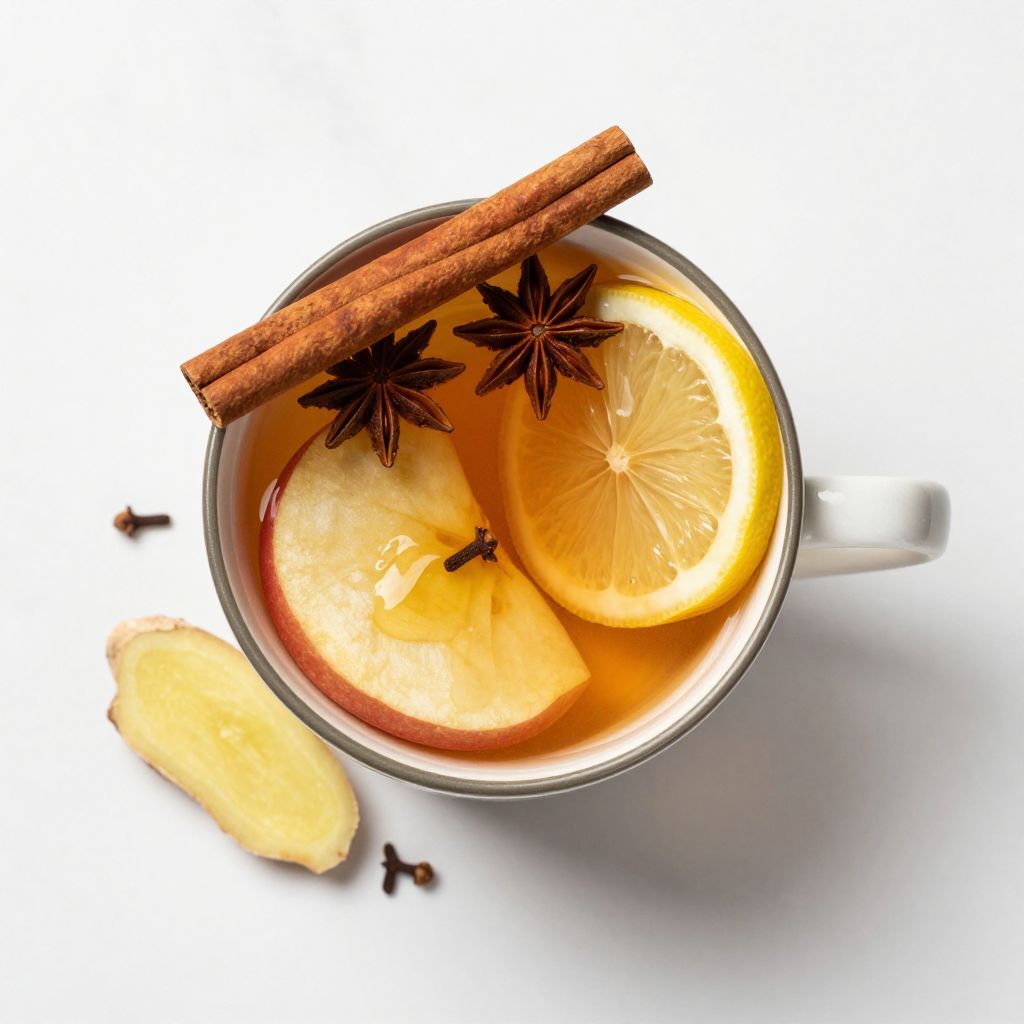
There’s something magical about watching steam rise from a mug of apple tea, carrying the scent of cinnamon and clove into your kitchen on a crisp autumn morning. Apple tea is the kind of simple, warming drink that feels like a hug from the inside out, and it’s so easy to make that you’ll wonder why you haven’t been brewing it all along.
This recipe delivers the perfect balance of tart apple, warm spices, and natural sweetness without any fuss. Whether you’re looking for a caffeine-free alternative to coffee, a cozy drink to share with friends, or a way to use up those apples sitting in your fruit bowl, apple tea checks every box.
The best part? You probably have most of the ingredients in your pantry right now.
Why You’ll Love This Recipe
Apple tea is refreshingly simple yet deeply satisfying, offering comfort in every sip with minimal effort required.
- Naturally caffeine-free, so you can enjoy it any time of day without the jitters
- Takes just 20 minutes from start to finish, making it perfect for busy weekdays
- Completely customizable with spices and sweeteners to match your mood
- Works beautifully hot or iced, adapting to any season
- Budget-friendly and uses ingredients you likely already have on hand
My Experience Making This Recipe
I first made apple tea on a whim when my kids came home from school asking for something warm and different. I grabbed a few apples from the counter, threw in some cinnamon sticks I’d been saving, and simmered everything together while we talked about their day.
The kitchen filled with the most incredible aroma, and within minutes, everyone was gathered around asking for a mug. What struck me most was how the flavors deepened as it steeped, becoming more complex and inviting with each minute.
Since then, I’ve made this dozens of times, experimenting with different apple varieties and spice combinations. My family now requests it by name, and I’ve shared the recipe with half the neighborhood.
Recipe Overview
- Recipe Name: Apple Tea
- Servings: 4
- Prep Time: 5 minutes
- Cook Time: 15 minutes
- Total Time: 20 minutes
- Course: Beverage
- Cuisine: American
- Calories per Serving: 85
Equipment You Will Need
- Large pot or saucepan
- Cutting board
- Sharp knife
- Wooden spoon or whisk
- Fine mesh strainer or cheesecloth
- Measuring cups and spoons
- Mugs for serving
Ingredients for Apple Tea
- 4 medium apples (Granny Smith, Honeycrisp, or Gala work best), cored and sliced
- 6 cups water
- 2 cinnamon sticks
- 4 whole cloves
- 2 star anise pods
- 1 ginger slice (about 1 inch), optional but recommended
- 2 tablespoons honey or maple syrup, or more to taste
- 2 lemon slices, optional for brightness
- Pinch of sea salt
Ingredient Notes and Substitutions
- Apples: Choose a mix of sweet and tart varieties for complex flavor. Granny Smith apples provide tartness that balances sweetness beautifully, while Honeycrisp adds natural sugar. You can substitute with any firm apple variety you prefer.
- Cinnamon sticks: These infuse the tea with warm, rounded spice better than ground cinnamon. If you only have ground cinnamon, use 1/2 teaspoon and strain carefully, though the texture won’t be quite as refined.
- Cloves: Whole cloves deliver a more nuanced flavor that opens up during steeping. Replacing them with 1/4 teaspoon ground cloves works in a pinch, but reduces the aromatic quality.
- Star anise: This adds subtle licorice notes that complement apple and cinnamon. Omit it if you dislike anise flavor, or substitute with an extra cinnamon stick for similar warmth.
- Honey: Choose raw honey for maximum flavor and health benefits. Maple syrup, agave, or brown sugar all work as alternatives if you prefer different flavor profiles.
- Ginger: Fresh ginger adds peppery heat and aids digestion, making the tea feel more grounding. Dried ginger can replace fresh at half the amount.
How to Make Apple Tea
Wash your apples thoroughly under cold running water to remove any dirt or residue. Core each apple and slice them into 1/4-inch thick rounds, keeping the skin on for color, flavor, and nutrients.
Pour 6 cups of cold, filtered water into your large pot or saucepan. Using filtered water prevents any tap water flavors from interfering with the delicate apple taste you’re building.
Add the cinnamon sticks and whole cloves directly to the cold water. Starting with cold water allows the spices to release their flavors gradually as the temperature rises, creating a more balanced infusion.
Place the pot over medium-high heat and bring the water to a rolling boil. Watch for steam to rise and listen for the characteristic bubbling sound, which signals the water is ready for the next step.
Once boiling, carefully add your sliced apples and star anise pods to the pot. The apples will immediately begin releasing their natural sugars and flavor compounds into the water.
If using fresh ginger, lemon slices, and a pinch of sea salt, add them now. These ingredients enhance the overall complexity and prevent the tea from tasting one-dimensional.
Reduce the heat to medium-low and maintain a gentle simmer for 12 to 15 minutes. Avoid boiling aggressively, which breaks down the apple slices into mush and can make the tea taste bitter or overly acidic.
Stir in your honey or maple syrup during the last minute of simmering so it dissolves completely. Adding sweetener at the end prevents crystallization and allows you to taste and adjust sweetness to your preference.
Pour the tea through a fine mesh strainer into mugs, catching the apple slices and whole spices. Serve immediately while steaming hot for the best flavor and aromatic experience.
Pro Tip: Save the strained apple slices and serve them in the bottom of each mug; they’re delicious to eat once softened and sweet from steeping, adding a pleasant texture to the drink.
Tips for the Best Apple Tea
- Use a mix of apple varieties rather than just one type. Combining sweet, tart, and crisp apples creates a more interesting and balanced flavor profile than using a single variety.
- Don’t skip the cinnamon sticks and whole spices. Whole spices release their essential oils gradually and taste fresher than pre-ground versions that may have lost potency sitting in your spice cabinet.
- Adjust your water-to-apple ratio based on how strong you like your tea. Use 5 cups water for a concentrated, bold flavor or 8 cups for a lighter, more delicate taste.
- Taste the tea after 10 minutes of simmering before the full 15 minutes. This lets you control the intensity of apple flavor and avoid over-steeping, which can make the drink taste too sweet or muddled.
- Add honey after straining for easier sweetness control and to avoid any crystallization that heat-shocked honey might cause. You can also let guests sweeten their own cups to taste.
- Squeeze fresh lemon juice into your mug just before drinking to brighten the flavors and add a lift of acidity that prevents the drink from feeling flat or one-note.
Common Mistakes to Avoid
- Boiling too vigorously causes the apples to break apart into chunks and release too many tannins, making the tea taste bitter and cloudy rather than clear and smooth.
- Using pre-ground spices instead of whole spices results in a dusty, less aromatic tea that lacks the depth and complexity of freshly steeped whole spices.
- Leaving the tea steeping too long turns it from pleasantly tart to overly sweet and muddy in flavor, with a texture that becomes grainy rather than silky.
- Adding honey before the tea cools slightly can cause it to crystallize or lose some of its delicate floral notes when exposed to extreme heat.
- Forgetting to strain properly allows small particles and spice debris to end up in your mug, creating an unpleasant grainy texture when you take a sip.
Serving Suggestions
Apple tea shines on its own, but pairing it thoughtfully with foods and treats elevates the entire experience. Serve it alongside light pastries, cookies, or simple breakfast items for a cozy morning ritual, or offer it after dinner as a warming digestive drink.
- Pair with buttery shortbread cookies or almond biscotti for a light, elegant afternoon tea
- Serve alongside fresh scones with clotted cream and jam for a full tea service experience
- Offer with cinnamon rolls or apple cinnamon muffins to echo the spice notes in the drink
- Combine with sharp cheddar cheese and crackers for a savory-sweet contrast that works beautifully
- Enjoy with a slice of apple pie, apple cake, or spiced dessert for a complete sensory experience
Variations to Try
- Spiced Apple Tea: Add 1/4 teaspoon nutmeg and a small piece of cardamom pod for deeper warmth. This version tastes like a liquid version of apple pie, making it perfect for special occasions or cool evenings.
- Vanilla Apple Tea: Add a split vanilla bean or 1/2 teaspoon vanilla extract after straining. The vanilla softens the apple’s tartness and adds creamy, floral notes that feel luxurious and comforting.
- Spiced Apple Cider Tea: Replace 2 cups of water with apple cider and reduce honey to 1 tablespoon. This creates a richer, more complex beverage that tastes closer to mulled cider with added sophistication.
- Cold Brew Apple Tea: Skip simmering and place apples and spices in cold water overnight in the refrigerator. Strain in the morning and serve over ice for a refreshing, naturally sweet iced tea without any bitterness from heat.
- Herbal Apple Tea: Add 2 to 3 dried chamomile flowers or a small handful of dried hibiscus petals during steeping. Chamomile adds calm and gentle floral notes, while hibiscus brings tartness and beautiful ruby color.
Dietary Adaptations
- Gluten-free: This recipe is naturally gluten-free as written, since apples, water, and spices contain no gluten. The trade-off: none, it’s naturally compliant.
- Dairy-free: Apple tea contains no dairy ingredients, so it’s already dairy-free and perfect for anyone with lactose intolerance or dairy allergies. No changes needed.
- Vegan: Use maple syrup or agave instead of honey for full vegan compliance. The sweetness and flavor are slightly different, but both work beautifully and taste delicious.
- Low-carb/Keto: Use stevia or monk fruit sweetener instead of honey to keep carbs minimal while maintaining sweetness. The trade-off: these sweeteners can leave a slight aftertaste that some find less pleasant than honey.
- Sugar-free: Omit sweetener entirely or use a sugar-free alternative like erythritol. The natural sweetness of the apples still comes through, though the tea will taste slightly more tart without added sugar.
Storage and Reheating
Refrigerator
Store strained apple tea in an airtight glass container in the refrigerator for up to 3 days. The flavors remain bright and the tea stays fresh without any off-flavors developing.
- Keep whole apples and spices separate from the brewed liquid for best storage
- Label your container with the date so you remember when you made it
- Serve chilled over ice or gently reheat in a saucepan before drinking
Freezer
Pour cooled apple tea into ice cube trays and freeze for long-term storage up to 3 months. This lets you make single servings on demand by thawing a few cubes and reheating them in a mug.
- Transfer frozen cubes to a freezer bag once solid to save space
- Thaw overnight in the refrigerator for best flavor preservation
- Frozen cubes work beautifully in smoothies or mixed into hot water for quick tea
Reheating
Reheat refrigerated or thawed apple tea gently over medium heat, stirring occasionally until steaming. Avoid boiling, which can cause flavors to become harsh or muted.
- Heat in a saucepan on the stovetop rather than the microwave for more even warming
- Add a splash of fresh water if the tea tastes too concentrated after storage
- Taste and adjust sweetness with additional honey if needed before serving
Nutrition Information
| Nutrient | Amount |
|---|---|
| Calories | 85 |
| Total Fat | 0g |
| Saturated Fat | 0g |
| Carbohydrates | 22g |
| Fiber | 2g |
| Sugar | 18g |
| Protein | 0g |
| Sodium | 12mg |
| Cholesterol | 0mg |
Nutritional values are approximate and based on using 4 medium apples, 6 cups water, and 2 tablespoons honey divided among 4 servings. Actual values vary depending on apple variety, size, and exact amount of sweetener used.
Frequently Asked Questions
Can I make apple tea without honey?
Absolutely. Apples naturally contain enough sugar to make the tea pleasantly sweet on its own, so you can skip honey entirely if you prefer a lighter drink. Some people even enjoy the tart, refreshing quality of unsweetened apple tea.
Can I make a big batch ahead of time?
Yes, you can make apple tea 2 to 3 days ahead and store it in the refrigerator in an airtight container. Reheat gently on the stovetop or microwave individual servings as needed throughout the week.
What’s the best way to store leftover steeped apples?
Remove the apples from the liquid and store them separately in a sealed container for up to 2 days. You can eat them as a snack, chop them for oatmeal, or blend them into smoothies.
Does apple tea have caffeine?
No, apple tea is completely caffeine-free since it contains no tea leaves, only apples and spices. This makes it perfect for evening drinking without disrupting sleep.
Can I use apple juice instead of fresh apples?
You can make a quick version by heating 6 cups of apple juice with spices for 10 minutes, but the flavor won’t be as fresh or complex. Fresh apples deliver a brighter, more nuanced taste that apple juice simply can’t replicate.
How do I prevent the tea from becoming too sweet?
Add honey gradually at the end, tasting as you go, rather than adding a full amount at the start. You can always add more sweetness, but removing it is impossible.
Can I use dried apples instead of fresh ones?
Yes, use 1 cup of dried apples and increase the simmering time to 20 minutes for full flavor extraction. Dried apples create a more concentrated, intensely flavored tea that some prefer.
Final Thoughts
Making apple tea has become one of my favorite ways to slow down and create a moment of peace in a busy day. There’s something deeply satisfying about transforming simple ingredients into something that feels special and intentional.
I hope you give this recipe a try and find your own reasons to love it. Whether it becomes your new morning ritual, a treat to share with friends, or simply a comforting drink on a chilly afternoon, apple tea has a way of making moments feel warmer.
If you love this recipe, you’ll want to explore more creative ways to enjoy apples in your kitchen. Check out our apple cider martini recipe for a sophisticated evening drink, or discover our apple wine recipe for a longer-fermenting project that’s worth the wait. Each one celebrates apples in its own special way, giving you endless options for enjoying this wonderful fruit.
Apple Tea
Ingredients
Equipment
Method
- Place 6 cups of cold, filtered water into a large pot or saucepan.
- Add the cinnamon sticks and whole cloves to the cold water.
- Heat the pot over medium-high heat and bring to a rolling boil.
- Carefully add the sliced apples and star anise pods to the boiling water.
- If using, add the ginger slice, lemon slices, and a pinch of sea salt.
- Reduce heat to medium-low and maintain a gentle simmer for 12 to 15 minutes.
- Stir in the honey or maple syrup during the last minute of simmering.
- Remove the pot from heat and strain the tea through a fine mesh strainer into mugs.
- Serve immediately while hot and garnish with strained apple slices if desired.