
There’s something magical about that first sip of shikanji on a scorching summer day, when the citrus hits your tongue and the spices wake up every taste bud in sight. This Indian lemonade is far more than just lemon juice and sugar; it’s a tangy, spiced refreshment that feels both simple and sophisticated at the same time.
Shikanji deserves a spot in your regular rotation because it takes just minutes to make, requires ingredients you probably already have, and tastes infinitely better than anything you’d buy in a bottle. The black salt and cumin create a savory depth that sets this apart from standard lemonade, while fresh ginger and mint add a cooling brightness that’s absolutely addictive.
Why You’ll Love This Recipe
This recipe delivers bold, refreshing flavor with virtually no fuss involved. You’ll impress guests without spending an hour in the kitchen, and the drink works equally well at casual weeknight dinners or fancy garden parties.
- Ready in under 10 minutes from start to glass
- Uses simple pantry staples and fresh herbs you can find anywhere
- The savory-spicy profile beats plain lemonade by a landslide
- Scales up easily for crowds or down for a single serving
- Naturally refreshing without artificial flavors or excessive sugar
My Experience Making This Recipe
I first tasted shikanji at an Indian restaurant years ago and couldn’t believe how much complexity lived in such a straightforward drink. The moment I made it at home, I realized I’d been missing out on one of summer’s best-kept secrets.
The first time I served it to friends, people actually asked for the recipe instead of just drinking it politely. That’s when I knew I’d found something special worth perfecting and sharing with everyone.
What strikes me every time I make it is how the flavors shift with temperature and how the drink tastes better when you let it sit for a few minutes after mixing. The spices need that time to really meld with the citrus, creating something smoother than if you rushed it.
Recipe Overview
- Recipe Name: Shikanji (Indian Spiced Lemonade)
- Servings: 4 servings
- Prep Time: 10 minutes
- Cook Time: 0 minutes
- Total Time: 10 minutes
- Course: Beverage
- Cuisine: Indian
- Calories per Serving: 85 calories
Equipment You Will Need
- Large pitcher or jug
- Juicer or citrus reamer
- Spoon for stirring
- Measuring cups and spoons
- Fine mesh strainer (optional, for seedless juice)
- Drinking glasses
Ingredients for Shikanji
- Fresh lemon juice: 1 cup (about 6 to 8 fresh lemons)
- Sugar: 1/4 cup
- Water: 3 cups (cold or room temperature)
- Black salt (kala namak): 1/2 teaspoon
- Ground cumin: 1/4 teaspoon
- Fresh ginger: 1 tablespoon, minced or grated
- Fresh mint leaves: 8 to 10 leaves, roughly torn
- Ice cubes: as needed for serving
Ingredient Notes and Substitutions
- Fresh lemon juice: Freshly squeezed juice tastes bright and punchy, while bottled juice tastes flat and metallic. If you must use bottled, add an extra pinch of black salt to compensate.
- Black salt (kala namak): This mineral salt brings a savory, slightly sulfurous note that elevates shikanji above ordinary lemonade. Regular table salt works in a pinch, but use only 1/4 teaspoon since it’s stronger and lacks the nuance.
- Ground cumin: Roasted cumin adds warmth and earthiness that brightens with the citrus. If you can find toasted cumin seeds, grind them yourself for even more flavor; otherwise, store-bought ground cumin is fine.
- Fresh ginger: Raw ginger provides a sharp, peppery kick that complements the tartness beautifully. Ginger powder tastes musty and thin in comparison; skip it and use fresh or omit it entirely.
- Fresh mint: Mint cools the palate and adds herbaceous freshness that ties everything together. Basil or cilantro work as interesting substitutes if you’re out of mint, though they shift the flavor profile noticeably.
How to Make Shikanji
Step 1: Juice Your Lemons
Cut each lemon in half and juice them using a citrus reamer or juicer, pressing firmly to extract every drop of liquid. Fresh lemon juice is non-negotiable here; it’s the backbone of the entire drink, and using fresh fruit makes an enormous difference in taste and brightness.
Step 2: Strain the Juice
Pour the lemon juice through a fine mesh strainer into your pitcher to catch seeds and pulp. This step isn’t absolutely necessary, but it creates a smoother, more refined drinking experience that feels more intentional.
Step 3: Add the Sugar
Pour the 1/4 cup sugar directly into the pitcher with the lemon juice. Sugar balances the acidity of the lemon, so don’t skip it even if you prefer drinks on the tart side; you can always adjust sweetness later when tasting.
Step 4: Prepare the Spices
Measure out the black salt and ground cumin and add both to the pitcher. These two spices work together to create the signature savory depth that makes shikanji different from every other lemonade you’ve ever had.
Step 5: Add Fresh Ginger
Peel and mince the fresh ginger finely, then add it directly to the pitcher with the other ingredients. Ginger should be minced small so the flavor infuses evenly throughout the drink without leaving chunks floating around.
Step 6: Tear and Add Mint
Roughly tear the mint leaves with your hands and add them to the pitcher. Tearing releases the mint’s essential oils and creates more surface area for flavor extraction compared to leaving leaves whole.
Step 7: Pour in Cold Water
Add 3 cups of cold or room-temperature water to the pitcher and stir everything together thoroughly. Cold water makes the drink refreshing immediately, while room-temperature water lets the flavors develop more quickly if you’re patient enough to wait.
Step 8: Stir and Rest
Stir the shikanji for about 30 seconds, then let it sit for 3 to 5 minutes before serving. Resting allows the spices, ginger, and mint to fully infuse into the liquid, creating a more harmonious, integrated flavor rather than a drink where spices taste separate from the citrus.
Step 9: Taste and Adjust
Take a small sip and adjust the flavors to your preference. Add more sugar if it’s too tart, more lemon juice if it tastes too sweet, or more black salt if it needs more savory depth and complexity.
Step 10: Serve Over Ice
Strain out the mint and ginger solids if desired, pour the shikanji into glasses filled with ice, and serve immediately. The drink stays cold and refreshing for about 30 minutes, so serve soon after making for the best experience.
Pro Tip: Make a batch of shikanji syrup by doubling the concentrations of lemon juice, sugar, and spices, then storing it in the fridge for up to a week; simply dilute with water and ice when you want a quick glass.
Tips for the Best Shikanji
- Use room-temperature or warm water if you’re adding the ingredients ahead of time, since cold water slows the infusion of spices and herbs. Switch to cold water or ice when you’re ready to serve and drink immediately.
- Toast your cumin seeds in a dry pan for 30 seconds before grinding them if you want an extra layer of warmth and depth. This small step elevates the entire drink and makes it taste more intentional.
- Don’t peel the ginger before mincing if the skin is thin and fresh; the peel adds subtle earthiness and saves you prep time. Older ginger with thick, papery skin should be peeled.
- Taste as you go and write down your adjustments so you can replicate the perfect ratio next time. Everyone’s preference for tartness and sweetness differs, so making notes takes the guesswork out of future batches.
- Chill your pitcher and glasses in the freezer for 10 minutes before serving if you’re expecting guests. Cold glassware keeps the drink colder longer and makes the experience feel more special.
- Make a large batch in advance by multiplying the recipe by 4, then store it in the fridge for up to 3 days. The flavors actually deepen slightly over time, making make-ahead batches taste even better than freshly made drinks.
Common Mistakes to Avoid
- Using bottled lemon juice instead of fresh will make your shikanji taste like a chemical experiment rather than a vibrant beverage. Fresh lemons are inexpensive and essential to the drink’s success.
- Forgetting the black salt or using regular salt turns shikanji into plain lemonade with spices floating in it. Black salt creates the signature savory note that makes this drink unique and memorable.
- Adding too much sugar upfront before tasting means you’ll end up with a drink that’s cloyingly sweet and tastes nothing like shikanji. Always taste first and adjust sweetness gradually, since you can always add more but can’t take it out.
- Not letting the drink rest after mixing prevents the flavors from melding, leaving you with something that tastes disjointed. Five minutes of resting time makes a massive difference in how cohesive and refined the final drink tastes.
- Using wilted mint or old ginger creates a muted, stale flavor instead of the bright, punchy taste shikanji should have. Buy fresh herbs and ginger as close to making time as possible.
Serving Suggestions
Shikanji pairs beautifully with spiced Indian food, from samosas to biryani, cooling your palate between bites and complementing the complex flavors. It also works wonderfully as a standalone drink at summer picnics, brunch parties, or casual gatherings where you want something special without fuss.
- Serve alongside Indian appetizers like pakora or spring rolls for a traditional pairing
- Offer as a refreshing palate cleanser between courses at a multicourse meal
- Pour over crushed ice with a sprig of fresh mint for an elegant presentation at dinner parties
- Pack in a thermos for picnics or outdoor activities where you need hydration with flavor
- Serve at brunch with Indian snacks like dhokla or idli for a complete experience
Variations to Try
- Spicy Shikanji: Add 1/4 teaspoon of cayenne pepper or a pinch of chili powder for heat that builds as you drink. This version pairs especially well with rich Indian meals where the spice cuts through fatty flavors.
- Shikanji with Pomegranate: Stir in 1/2 cup of fresh pomegranate juice or pomegranate molasses for tartness and a beautiful deep color. The pomegranate adds complexity and makes the drink feel more elegant and special.
- Herbal Shikanji: Replace mint with basil, cilantro, or a combination for entirely different herbaceous notes. Basil creates an almost Italian twist, while cilantro pushes the drink toward a more savory, kitchen-herb territory.
- Shikanji Lassi Fusion: Blend 1 cup of cooled shikanji with 1 cup of plain yogurt and a pinch of cardamom for a creamy, tangy drink. This variation becomes more of a snack than a pure beverage, but it’s delicious served in smaller glasses.
- Honeyed Shikanji: Replace regular sugar with 3 tablespoons of honey stirred in after the drink cools slightly. Honey adds floral complexity and a silkier texture compared to the cleaner sweetness of granulated sugar.
Dietary Adaptations
- Gluten-Free: Shikanji is naturally gluten-free; no adaptations needed since the recipe contains no grains or gluten-containing ingredients.
- Dairy-Free: The base recipe contains no dairy, making it completely suitable for anyone avoiding milk or dairy products without modification.
- Vegan: Use regular granulated sugar or substitute with agave nectar or maple syrup for a fully plant-based beverage with no animal products.
- Low-Carb or Keto: Replace the 1/4 cup sugar with 2 to 3 tablespoons of stevia or erythritol to keep carbohydrates minimal. The drink will taste thinner without real sugar, but the spices and citrus will still shine through.
- Lower Sodium: Reduce black salt to 1/4 teaspoon and taste before adding more, or skip it entirely if you’re on a strict sodium restriction. Regular salt contains less sodium than black salt, so use 1/8 teaspoon if you need the savory element but want less sodium overall.
Storage and Reheating
Refrigerator
Store shikanji in a glass pitcher or airtight container in the refrigerator for up to 3 days, though the mint and ginger flavors fade slightly after the first day. The citrus taste remains bright for the full duration, making older batches slightly less herbaceous but still delicious.
- Strain out mint and ginger solids before storing to prevent over-infusion and bitterness
- Cover the pitcher tightly to prevent the drink from absorbing other flavors from the fridge
- Give it a quick stir before pouring to redistribute any settled spices
Freezer
Shikanji freezes well if you want to make large batches and save them for later, though the texture becomes icy rather than smooth when thawed. Leave 1 inch of headspace in your container to prevent the liquid from expanding and cracking the glass.
- Freeze in ice cube trays for single servings that you can pop into water or other beverages
- Thaw frozen shikanji in the refrigerator overnight for the best texture, or let it come to room temperature for 2 to 3 hours
Reheating
Shikanji is meant to be served cold and doesn’t need reheating, but you can warm it slightly if you prefer a room-temperature beverage on cooler days. Pour chilled shikanji into a saucepan and warm gently over low heat for 2 to 3 minutes, stirring occasionally; don’t let it get hot or the mint flavor will turn bitter and unpleasant.
- Taste after warming since heat can change how the spices come across on your palate
- Add fresh mint after reheating if the original mint was cooked out and the flavor suffered
Nutrition Information
| Nutrient | Amount |
|---|---|
| Calories | 85 |
| Total Fat | 0g |
| Saturated Fat | 0g |
| Carbohydrates | 22g |
| Fiber | 0g |
| Sugar | 20g |
| Protein | 0g |
| Sodium | 180mg |
| Cholesterol | 0mg |
These values are estimates based on standard ingredient calculations and may vary depending on specific brands and exact quantities used. The nutrition information does not account for variations or substitutions you might make.
Frequently Asked Questions
Can I make shikanji without black salt?
You can substitute regular salt, but the drink won’t taste the same since black salt brings a unique savory depth that regular salt can’t replicate. If you absolutely must omit it, use only 1/4 teaspoon of regular salt and add extra cumin to compensate for the lost complexity.
How far in advance can I make shikanji?
You can prepare the syrup by mixing all ingredients except water up to 3 days ahead, then simply add cold water and ice when ready to serve. The fully prepared shikanji keeps for 3 days in the refrigerator, though the mint and ginger flavors fade gradually.
What if my shikanji tastes too tart?
Add sugar gradually, 1 teaspoon at a time, tasting after each addition until you reach your preferred sweetness level. Remember that sugar dissolves slowly in cold liquid, so let it sit for a minute between additions before tasting again.
Can I use lime juice instead of lemon juice?
Lime juice works beautifully and creates a slightly different flavor profile that’s more tropical and aromatic than traditional lemon shikanji. Use the same amount of fresh lime juice and reduce the sugar to 3 tablespoons since limes are often sweeter than lemons.
Is shikanji the same as nimbu pani?
Nimbu pani is the general Hindi term for lemonade, while shikanji specifically refers to the spiced Indian version with black salt and cumin. All shikanji is nimbu pani, but not all nimbu pani is shikanji, as some versions skip the savory spices.
Can I add sparkling water to make shikanji fizzy?
Sparkling water works well and creates a refreshing, bubbly drink that feels lighter and more celebratory than still versions. Add sparkling water just before serving and stir gently to preserve the carbonation.
Final Thoughts
Shikanji deserves a permanent spot in your summer drink rotation because it tastes special without requiring any special skills or hard-to-find ingredients. Once you make it once, you’ll find yourself reaching for it again and again whenever the weather heats up or when you want something more interesting than plain water.
Try this recipe this week and taste what happens when simple ingredients combine with intentional flavor building; I’m confident you’ll fall in love with it the same way I did. Your friends will ask for the recipe, your family will request it at dinners, and you’ll finally understand why this humble Indian lemonade has been beloved for generations.
If you enjoy refreshing beverages, explore other international drink recipes like homemade kanji, which offers another fascinating Indian fermented drink option. You might also discover agua fresca recipes, which deliver similar cooling, fruit-forward refreshment from a different culinary tradition.
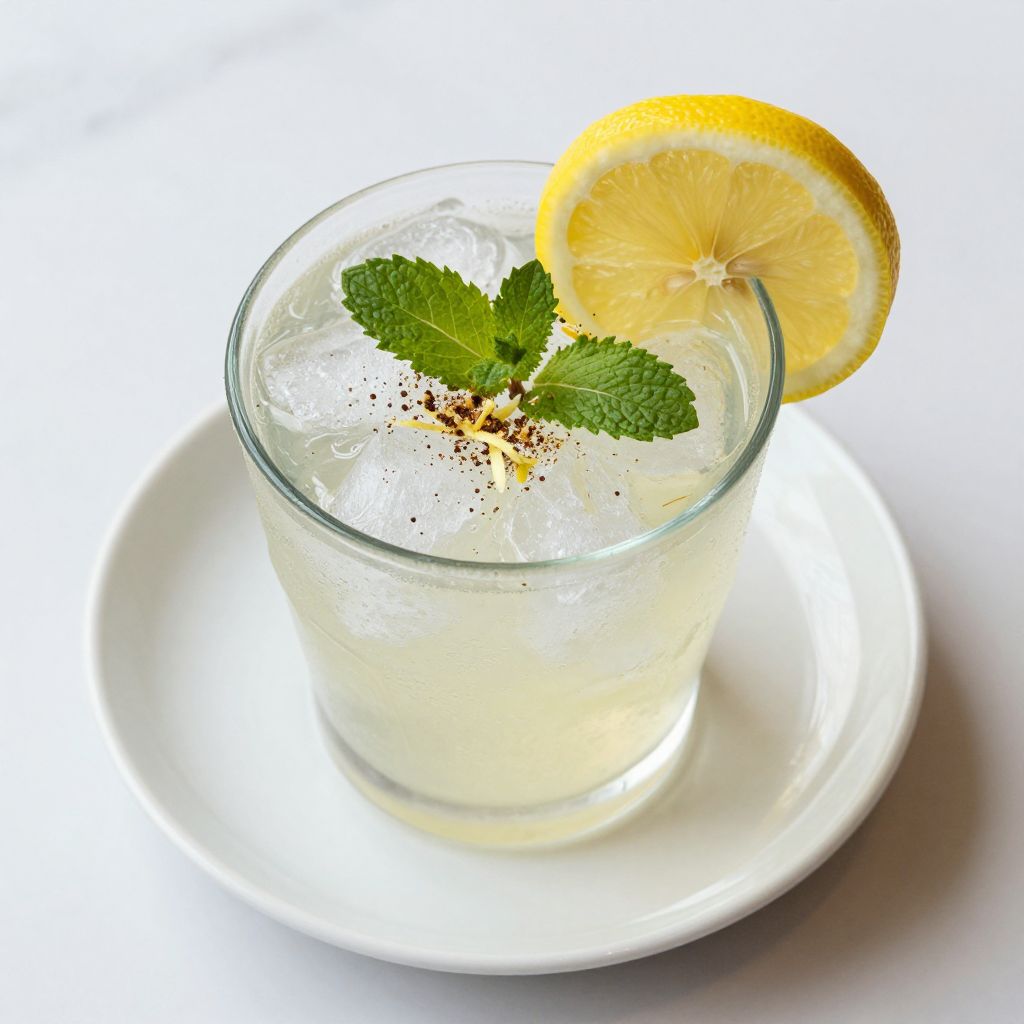
Shikanji (Indian Spiced Lemonade)
Ingredients
Equipment
Method
- Juice Your Lemons: Cut 6 to 8 lemons in half and juice them using a juicer or citrus reamer to yield 1 cup of fresh lemon juice.
- Strain the Juice: Pour the lemon juice through a fine mesh strainer into a large pitcher to remove seeds and pulp for a smoother drink.
- Add the Sugar: Add 1/4 cup sugar to the pitcher and stir until it begins to dissolve into the lemon juice.
- Prepare the Spices: Measure and add 1/2 teaspoon black salt and 1/4 teaspoon ground cumin to the pitcher.
- Add Fresh Ginger: Peel if necessary and mince 1 tablespoon fresh ginger, then add it to the pitcher.
- Tear and Add Mint: Roughly tear 8 to 10 fresh mint leaves and add them to the pitcher to release essential oils.
- Pour in Water: Add 3 cups cold or room-temperature water and stir thoroughly to combine all ingredients.
- Stir and Rest: Stir the mixture for 30 seconds, then let it rest for 3 to 5 minutes to allow spices and mint to infuse.
- Taste and Adjust: Taste the shikanji and adjust sweetness, tartness, or saltiness by adding more sugar, lemon juice, or black salt as needed.
- Serve Over Ice: Strain out mint and ginger solids if desired, fill glasses with ice cubes, pour the shikanji over ice, and serve immediately.