
There’s something magical about steeping dried raspberry leaves and watching the water transform into a deep ruby brew, releasing an earthy sweetness that feels both comforting and restorative.
Raspberry leaf tea is a gentle herbal infusion that has been cherished for generations, prized for its subtle flavor and potential wellness benefits. This recipe teaches you how to make it fresh at home, whether you’re using loose dried leaves or creating your own blend. It’s naturally caffeine-free, infinitely customizable, and takes just minutes to prepare.
Why You’ll Love This Recipe
This tea offers simplicity wrapped in sophistication, and it’s something you can confidently serve to anyone at your table. Here’s what makes it special:
- Naturally caffeine-free and gentle on the stomach, making it perfect for any time of day
- Takes less than 10 minutes from start to sip, yet feels like a deliberate act of self-care
- Works beautifully on its own or blended with other herbs for endless flavor possibilities
- Budget-friendly when you buy dried leaves in bulk from quality suppliers
- Packed with antioxidants and a delicate floral-fruity taste that’s never overwhelming
My Experience Making This Recipe
I first discovered raspberry leaf tea during a crisp autumn morning when a friend handed me a steaming cup with the simple instruction to “just try it.” I was skeptical of anything that sounded medicinal, but the moment I tasted it, I understood the appeal. The flavor is subtle and refined, nothing like the overpowering herbal teas that sometimes taste like you’re drinking a health supplement.
Over the past few years, I’ve made this tea dozens of times, and it’s become a staple in my kitchen. I keep jars of dried leaves in my pantry and pull them out whenever I want something warming but not heavy. My family has started requesting it by name, which tells you everything about how approachable this recipe really is.
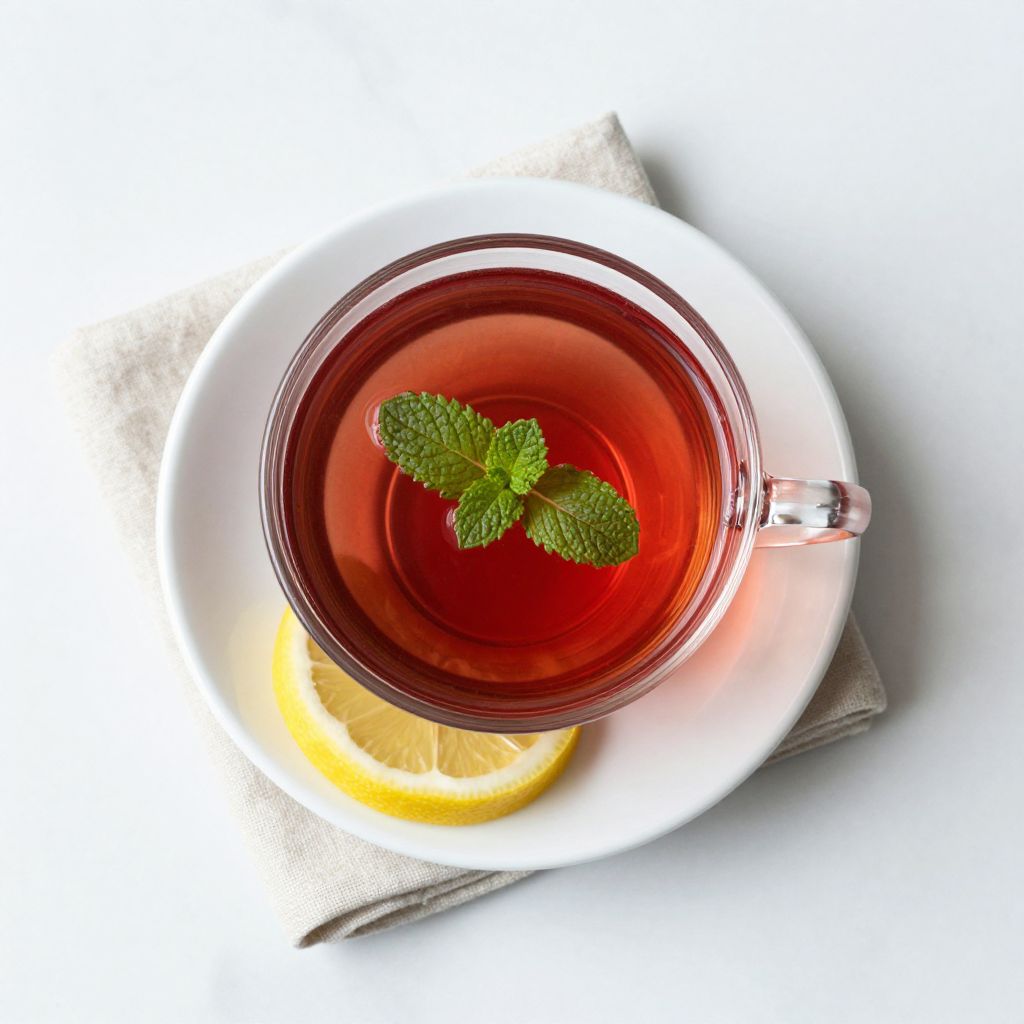
The beauty of this tea is that it invites you to experiment without any real risk of failure. You can adjust the strength, add honey or lemon, blend it with mint or chamomile, and each version feels fresh and intentional.
Recipe Overview
- Recipe Name: Homemade Raspberry Leaf Tea
- Servings: 1 cup per serving
- Prep Time: 2 minutes
- Cook Time: 5 to 7 minutes
- Total Time: 7 to 9 minutes
- Course: Beverage
- Cuisine: Herbal
- Calories per Serving: 2 to 5 calories
Equipment You Will Need
- Kettle or small pot for boiling water
- Measuring spoon
- Tea infuser, strainer, or fine-mesh sieve
- Teacup or mug
- Wooden spoon or small whisk
- Thermometer (optional but helpful)
Ingredients for Raspberry Leaf Tea
- Dried raspberry leaves: 1 to 2 teaspoons per 8-ounce cup of water
- Filtered or spring water: 8 ounces (approximately 240 milliliters)
- Honey: 1 teaspoon (optional)
- Fresh lemon juice: 1/2 teaspoon (optional)
- Fresh mint leaves: a small pinch (optional)
Ingredient Notes and Substitutions
- Dried raspberry leaves: These form the foundation of the tea and provide the earthy, slightly tart flavor along with beneficial antioxidants. If you cannot find them, you can substitute with dried strawberry leaves or a blend of dried berries, though the flavor profile will shift slightly.
- Filtered water: Clean water prevents mineral buildup and allows the tea’s delicate flavors to shine through clearly. Tap water works in a pinch, but filtered water produces noticeably better results.
- Honey: This natural sweetener rounds out the tea’s subtle tartness and adds smoothness without overpowering the leaves. Maple syrup or agave nectar serve as effective alternatives with different flavor notes.
- Lemon juice: Citrus brightens the tea and enhances the absorption of certain compounds, while adding a fresh element to the flavor. Lime juice or a splash of apple cider vinegar can replace it for similar effect.
- Mint leaves: Fresh mint adds a cooling, herbaceous dimension that complements raspberry beautifully. Dried mint works too, using about half the amount of fresh.
How to Make Raspberry Leaf Tea
Step 1: Fill Your Kettle with Fresh Water
Measure 8 ounces of filtered water into your kettle and bring it to a boil over medium-high heat. Using the correct amount of water ensures you’re not making the tea too strong or too weak, and filtered water removes impurities that can mask the tea’s subtle flavors.
Step 2: Gather Your Dried Raspberry Leaves
While the water heats, measure out 1 to 2 teaspoons of dried raspberry leaves into a tea infuser, strainer, or directly into your cup. Start with 1 teaspoon if you prefer a lighter, more delicate cup, and use 2 teaspoons if you want a fuller-bodied flavor.
Step 3: Wait for the Water to Reach the Right Temperature
Let the water come to a rolling boil, then remove it from the heat and let it cool for about 30 seconds to 1 minute. The ideal temperature for steeping raspberry leaves is between 200 and 210 degrees Fahrenheit, which preserves the delicate compounds and prevents over-extraction that can make the tea taste bitter.
Step 4: Pour the Hot Water Over the Leaves
Carefully pour the hot water over your prepared leaves in the infuser or directly into your cup. The water will immediately begin to change color as the leaves release their beneficial compounds and flavor.
Step 5: Steep for 5 to 7 Minutes
Let the tea steep undisturbed for 5 to 7 minutes, depending on how strong you prefer it. A shorter steep yields a lighter, more delicate cup, while the full 7 minutes creates a deeper, earthier flavor with more pronounced benefits.
Step 6: Strain the Leaves Completely
Remove the infuser or carefully pour the tea through a fine-mesh strainer into your serving cup, making sure no leaves remain in your drink. Leaving leaves in contact with the hot water any longer will continue to extract compounds and could create an astringent taste.
Step 7: Add Optional Sweetener or Citrus
If desired, stir in 1 teaspoon of honey or your preferred sweetener while the tea is still hot, so it dissolves easily. A squeeze of fresh lemon juice at this stage brightens the flavor and adds a refreshing note that plays beautifully with the tea’s natural tartness.
Step 8: Add Fresh Herbs if Using
Drop a few fresh mint leaves or other complementary herbs into your cup for added complexity and aroma. Allow the herbs to steep for 30 seconds to 1 minute so their essential oils infuse into the liquid without overwhelming the base tea.
Step 9: Taste and Adjust
Take a careful sip and adjust the flavor to your preference by adding more honey, lemon, or hot water if needed. This final tasting step ensures you’re happy with the balance before settling in to enjoy your tea.
Pro Tip: Store your dried raspberry leaves in an airtight glass jar away from direct sunlight and heat, and they’ll stay fresh and flavorful for up to one year, ready for whenever you crave this gentle brew.
Tips for the Best Raspberry Leaf Tea
- Use high-quality dried leaves from a reputable supplier, as the freshness and potency of your leaves directly impact the final cup. Look for leaves that are still somewhat green rather than completely brown, which indicates they were dried and stored properly.
- Measure your leaves consistently so you develop a sense of your preferred strength and can replicate it every time. Using a small kitchen scale is even more precise than a measuring spoon if you’re serious about consistency.
- Don’t rush the steeping process, as the tea needs time to fully release its flavors and beneficial compounds. The difference between a 5-minute and 7-minute steep is noticeable, so adjust based on your taste preference.
- Pair this tea with breakfast or afternoon moments when you want something warm and grounding without caffeine. It’s especially lovely paired with light pastries, scones, or fresh fruit.
- Make a larger batch by steeping multiple servings in a teapot, then pour individual cups as needed. Raspberry leaf tea keeps well in the refrigerator for up to 2 days and can be reheated gently or enjoyed chilled.
- Experiment with blending raspberry leaf tea with other complementary herbs like hibiscus, chamomile, or rose petals to create your signature blend. Each addition shifts the flavor profile and opens new possibilities.
Common Mistakes to Avoid
- Using boiling water that’s too hot can scald the delicate leaves and create an unpleasant astringent or bitter flavor. Always let boiled water cool for 30 seconds before pouring to protect the tea’s nuanced taste.
- Steeping for too long turns the tea unpleasantly strong and can introduce a vegetal bitterness that overpowers the subtle fruit notes. Set a timer for 7 minutes maximum and remove the leaves promptly.
- Using stale or improperly stored leaves results in a weak, flavorless cup that tastes more like hot water than tea. Check your supply regularly and replace dried leaves that have lost their color or aroma.
- Adding sweetener immediately before steeping can interfere with the tea’s extraction and mask some of the delicate flavors. Wait until the tea is fully steeped and in your cup before adjusting sweetness.
- Forgetting to cover your cup while steeping allows heat and aroma to escape, resulting in a cooler cup and less extraction. Use a small saucer or lid to trap heat and keep all the beneficial compounds in your tea.
Serving Suggestions
Raspberry leaf tea shines when presented thoughtfully, whether you’re serving yourself a quiet morning cup or offering guests a special afternoon beverage. The earthy sweetness pairs wonderfully with light foods and creates a moment of calm in any day.
- Serve with fresh scones, shortbread cookies, or delicate finger sandwiches for an elegant afternoon tea service
- Pair with breakfast pastries, croissants, or toast with jam for a refined start to your morning
- Offer as an after-dinner beverage, since it’s caffeine-free and aids digestion without being heavy
- Enjoy chilled over ice with a slice of lemon during warmer months for a naturally refreshing herbal iced tea
- Present in a beautiful teacup as a small gift or hospitality gesture that shows thoughtful care
Variations to Try
- Raspberry and Rose Blend: Combine equal parts dried raspberry leaves and dried rose petals for a more floral, romantic flavor that feels extra special. The rose adds a subtle sweetness and elegant aroma that elevates the tea’s sophistication.
- Minty Raspberry Tea: Add 1/2 teaspoon of dried peppermint or spearmint to your leaves before steeping for a cool, refreshing twist. The mint brightens the earthiness and creates a tea that feels both comforting and invigorating.
- Honey-Lemon Citrus Blend: Combine dried raspberry leaves with dried lemon peel and a touch of honey before steeping for a naturally sweet, citrus-forward cup. This version tastes almost like a gentle lemonade and pairs beautifully with light summer meals.
- Berry Blend Tea: Mix raspberry leaves with dried strawberry leaves, blueberry leaves, and blackberry leaves in equal parts for a complex, multi-berry flavor experience. Each leaf contributes different notes, creating a tea that’s greater than the sum of its parts.
- Spiced Raspberry Tea: Steep your raspberry leaves with a small cinnamon stick, one or two whole cloves, and a thin slice of fresh ginger for warmth and spice. This variation becomes especially welcome during cooler months and pairs beautifully with cinnamon rolls or spiced baked goods.
Dietary Adaptations
- Gluten-Free: Raspberry leaf tea is naturally gluten-free as long as you use pure dried leaves with no additives or fillers. Just verify that your source hasn’t packaged the tea in a facility that processes gluten products.
- Dairy-Free: This tea contains no dairy in its base form, making it perfect for anyone avoiding milk or milk products. Feel free to add plant-based milk like almond, oat, or coconut if you prefer a creamier cup.
- Vegan and Vegetarian: Raspberry leaf tea is completely plant-based and suits any plant-forward diet without compromise. All sweeteners and additions like honey can be replaced with maple syrup or agave for a fully vegan version.
- Low-Carb and Keto: This tea is virtually zero carbohydrates in its pure form, making it ideal for anyone following a low-carb or keto lifestyle. Avoid adding honey, but feel free to use stevia or monk fruit sweetener if you need sweetness without carbohydrates.
Storage and Reheating
Refrigerator
Brewed raspberry leaf tea keeps in the refrigerator for up to 2 days in a sealed glass container. Longer storage begins to degrade the flavor and reduce the potency of beneficial compounds.
- Store in a glass jar with a tight-fitting lid to prevent absorption of odors from other foods
- Keep away from strong-smelling items like onions or garlic that can transfer flavors to the delicate tea
- Drink chilled directly from the refrigerator or rewarm gently before serving
Freezer
Brewed raspberry leaf tea can be frozen in ice cube trays for up to 3 months, making it convenient for quick cups whenever you want one. This method works beautifully for creating chilled tea drinks later.
- Pour cooled tea into silicone ice cube trays and freeze until solid, then transfer cubes to a freezer bag for space savings
- Thaw cubes in the refrigerator or warm gently in a mug of hot water for immediate tea
- Use frozen cubes to create iced tea without dilution from regular ice cubes
Reheating
Gently rewarm refrigerated tea in a small saucepan over low heat or in a microwave until it reaches your preferred temperature. Avoid boiling or overheating, which can damage the delicate flavor compounds you’ve worked to extract.
- Warm slowly over low heat, stirring occasionally, for 2 to 3 minutes until steaming but not boiling
- Alternatively, microwave a single mug for 60 to 90 seconds at 50 percent power to prevent overheating
- Taste after reheating and adjust with fresh lemon or honey if the flavor has flattened slightly
Nutrition Information
| Nutrient | Amount |
|---|---|
| Calories | 2 to 5 |
| Total Fat | 0 grams |
| Saturated Fat | 0 grams |
| Carbohydrates | 0 to 1 gram |
| Fiber | 0 grams |
| Sugar | 0 grams |
| Protein | 0 grams |
| Sodium | 0 to 2 milligrams |
| Cholesterol | 0 milligrams |
This nutrition information reflects plain brewed raspberry leaf tea with no added sweeteners or milk. Adding honey, lemon, or other ingredients will increase the carbohydrate and calorie content accordingly.
Frequently Asked Questions
Can I use fresh raspberry leaves instead of dried?
Fresh raspberry leaves work, but they require double the amount (about 4 teaspoons per cup) and may produce a less concentrated flavor since they contain more water. Dried leaves are more potent and give you better control over the tea’s strength.
How do I know if my dried leaves are still good?
Fresh dried raspberry leaves should retain some color and smell pleasantly herbal when you open the jar. If they’ve turned completely brown, lost their aroma, or smell musty, it’s time to replace them with a fresh supply.
Can I make raspberry leaf tea with teabags?
Yes, you can purchase pre-packaged teabags from quality suppliers, though loose leaves give you more control over strength. Just follow the steeping instructions on the package, as different brands may have different recommendations.
Is it safe to drink raspberry leaf tea every day?
Raspberry leaf tea is generally considered safe for daily consumption and has been used traditionally for centuries. If you have specific health concerns or take medications, consult with a healthcare provider before making it a daily habit.
Can I blend raspberry leaf tea with other herbal teas?
Absolutely, and this is where experimentation becomes fun and rewarding. Pair it with chamomile for extra relaxation, hibiscus for tartness, or lavender for floral notes, adjusting the ratio until you find your perfect blend.
Where should I buy dried raspberry leaves?
Look for them at specialty tea shops, health food stores, online retailers, or bulk herb suppliers that specialize in dried botanicals. Buy from sources that clearly indicate the leaves are food-grade and haven’t been treated with pesticides.
How much caffeine is in raspberry leaf tea?
Raspberry leaf tea is naturally caffeine-free, making it an ideal choice for any time of day or evening consumption. This quality makes it especially suitable for people sensitive to caffeine or those avoiding it for other reasons.
Final Thoughts
Making raspberry leaf tea at home transforms a simple ingredient into a moment of intentional self-care that costs just pennies per cup. The ritual of brewing, the aroma that fills your space, and the gentle flavor that unfolds with each sip make this tea something special worth returning to again and again.
Don’t overthink this recipe or worry about getting it perfectly right on your first try, as tea brewing is wonderfully forgiving and adaptable to your taste. Pour yourself a cup, sit for a few quiet minutes, and discover why this humble herbal infusion has been cherished for so many generations.
Explore More Herbal Tea Recipes
If you’ve enjoyed discovering raspberry leaf tea, you’ll want to explore other warming herbal beverages that offer similar comfort and wellness benefits. Each herbal tea brings its own unique flavor profile and traditional uses to your kitchen.
Try brewing clove tea recipe for a warming, spiced alternative that brings cozy warmth to cooler months. For an earthy, slightly bitter option with digestive benefits, consider making a dandelion tea recipe that pairs beautifully with morning routines or afternoon moments of reflection.
Homemade Raspberry Leaf Tea
Ingredients
Equipment
Method
- Measure 8 ounces (240 milliliters) of filtered water into a kettle and bring to a rolling boil over medium-high heat.
- While the water heats, measure 1 to 2 teaspoons of dried raspberry leaves into a tea infuser, strainer, or directly into your cup.
- Once boiling, remove the water from heat and let it cool for about 30 to 60 seconds until it reaches 200 to 210°F (93 to 99°C).
- Pour the hot water over the prepared leaves in the infuser or directly into the cup.
- Let the tea steep undisturbed for 5 to 7 minutes, depending on your preferred strength.
- Remove the infuser or strain the tea through a fine-mesh sieve into a serving cup, ensuring all leaves are removed.
- If desired, stir in 1 teaspoon of honey or your preferred sweetener while the tea is still hot.
- Add a small pinch of fresh mint leaves or other fresh herbs and let steep for an additional 30 to 60 seconds.
- Taste the tea and adjust sweetness or citrus by adding more honey or lemon juice, or dilute with hot water if needed.