
Picture yourself on a Sunday morning, citrus fragrance filling your kitchen as you slice into a bright pink grapefruit and watch the juice pour into your glass. Fresh grapefruit juice is the kind of drink that tastes like sunshine in a glass, tart and slightly sweet, with a natural complexity that bottled versions simply cannot match.
Making it at home takes just minutes and requires no special equipment beyond what most kitchens already have. The result is pure, vibrant juice packed with vitamin C and that incredible fresh-from-the-fruit flavor that makes mornings feel a little more special.
Why You’ll Love This Recipe
Fresh grapefruit juice outshines store-bought versions in every way that matters: taste, nutrition, and simplicity. You control exactly what goes into your glass, and the flavor is incomparably brighter and more complex.
- Ready in under 5 minutes with zero complicated steps
- Packed with vitamin C, potassium, and natural antioxidants
- Works with any type of grapefruit: pink, red, white, or ruby
- Costs less than a single bottle of premium juice from the store
- Tastes amazing on its own or mixed into cocktails and smoothies
My Experience Making This Recipe
I started making fresh grapefruit juice years ago when a friend brought me a bag of grapefruits from her backyard tree. I was shocked by how much better it tasted than anything I could buy, and I became slightly obsessed with the ritual of juicing them every morning.
The sensory part is what hooked me: the aromatic oils releasing as you cut into the fruit, the satisfying press of the juicer, and that first sip of cold, fresh juice with real citrus pulp clinging to the rim of the glass. My partner now requests it regularly, and I have genuinely replaced most of my store-bought juice with this simple version.
What surprises most people is the tartness balanced with natural sweetness. If you have only had sweetened, processed versions, the real juice feels almost impossibly fresh and clean.
Recipe Overview
- Recipe Name: Fresh Grapefruit Juice
- Servings: 2 to 3 servings
- Prep Time: 5 minutes
- Cook Time: 0 minutes
- Total Time: 5 minutes
- Course: Beverage
- Cuisine: American
- Calories per Serving: 52 calories
Equipment You Will Need
- Citrus juicer (manual hand juicer or electric citrus press)
- Sharp knife for cutting
- Cutting board
- Measuring cups or glasses
- Fine mesh strainer (optional, for pulp-free juice)
- Spoon for stirring (optional)
Ingredients for Fresh Grapefruit Juice
- 3 large pink or ruby grapefruits (about 4 to 5 inches in diameter)
- Pinch of sea salt (optional, enhances flavor)
- Ice cubes for serving
Ingredient Notes and Substitutions
- Pink and ruby grapefruits produce sweeter, more visually appealing juice than white varieties, while white grapefruits offer a sharper, more bitter profile. If you prefer milder tartness, choose pink; for bold, complex flavor, go with red or white.
- Sea salt is optional but worth trying: just a tiny pinch balances the tartness and brings out the fruit’s natural sweetness. Regular table salt works fine, though it may add a slightly metallic note.
- Fresh juice is best used within 24 hours, as the vitamin C content degrades quickly and flavors fade. For longer storage, freeze juice in ice cube trays and thaw as needed.
How to Make Fresh Grapefruit Juice
Step 1: Choose Your Grapefruits
Pick grapefruits that feel heavy for their size, indicating they are full of juice. Avoid any with soft spots or wrinkled skin, as these signal the fruit is past its prime and will yield dry, less flavorful juice.
Step 2: Wash the Fruit
Rinse each grapefruit under cool running water and rub gently with your fingers to remove any dirt or waxy coating. You want a clean surface before cutting to prevent any debris from falling into your juice.
Step 3: Cut the Grapefruits in Half
Place a grapefruit on your cutting board and use a sharp knife to slice it horizontally into two halves. A clean, vertical cut prevents juice from squirting everywhere and makes the next step easier.
Step 4: Prepare Your Juicer
Set up your citrus juicer over a bowl or measuring cup large enough to catch all the juice. A manual hand juicer is perfect for grapefruits and lets you control exactly how much pressure you apply.
Step 5: Extract the Juice From Each Half
Place one grapefruit half into your juicer, cut-side down, and apply steady downward pressure until the pulp is completely squeezed. Do not be timid here; grapefruit halves can take firm pressure without breaking apart, and you want to extract every drop of juice.
Step 6: Repeat With Remaining Halves
Juice each remaining grapefruit half, adding all the juice to your collection bowl. You should end up with about 1.5 to 2 cups of fresh juice from 3 medium grapefruits.
Step 7: Strain for Pulp-Free Juice (Optional)
If you prefer juice without pulp, pour it through a fine mesh strainer into a clean pitcher or glasses. For pulpy, more textured juice that retains all the fiber, skip this step entirely.
Step 8: Taste and Season
Pour a small amount into a glass and taste it before serving. Add a tiny pinch of sea salt if desired, which enhances the natural sweetness and balances the tartness beautifully.
Step 9: Serve Immediately
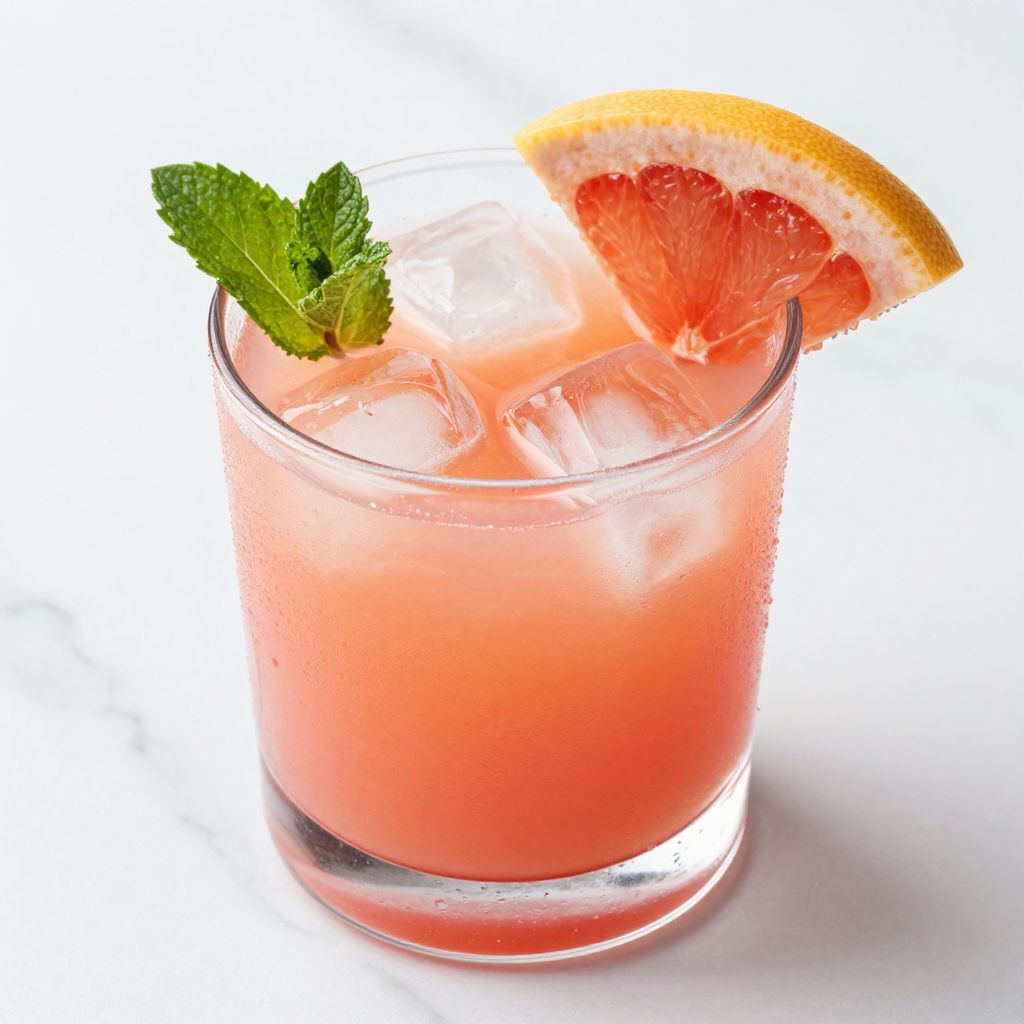
Fill glasses with ice cubes and pour the fresh juice over top. Fresh juice is best consumed right away while the flavor is brightest and the vitamin C content is at its peak.
Pro Tip: Roll grapefruits firmly on the counter using the palm of your hand for 30 seconds before cutting. This breaks down the internal cells and makes juicing significantly easier while maximizing your juice yield.
Tips for the Best Fresh Grapefruit Juice
- Use room-temperature grapefruits if possible, as they yield more juice than cold fruit. Cold grapefruits have tighter cell walls that resist squeezing.
- Save the spent grapefruit halves and use them as edible serving bowls for sorbet or ice cream, or scoop out the remaining flesh for a light breakfast.
- Make juice just before serving to preserve maximum vitamin C and prevent oxidation from dulling the bright flavor. If you must make it ahead, store it in an airtight container in the refrigerator for up to 8 hours.
- Experiment with combining juices: half grapefruit and half orange creates a smoother, less tart blend that appeals to those who find pure grapefruit too bold.
- For thicker, more substantial juice, use a blender instead of a juicer and blend the grapefruit halves with a splash of water, then strain through cheesecloth. This yields juice with more fiber and a creamier texture.
- Chill your glasses and serving pitcher before pouring to keep the juice refreshingly cold without diluting it with excess ice.
Common Mistakes to Avoid
- Using old or soft grapefruits produces watery, flavorless juice that tastes nothing like the real thing. Always select firm fruit that feels heavy and full of juice.
- Cutting the grapefruit vertically instead of horizontally can cause juice to spill across your cutting board and waste precious liquid. Horizontal cuts create a flat surface perfect for your juicer.
- Adding sugar right away masks the natural complexity of the fruit. Taste first and add sweetener only if necessary; you may find none is needed.
- Storing juice too long before drinking diminishes both the flavor brightness and nutritional value. Fresh juice tastes best consumed within hours of making it.
- Using a blender without straining results in overly pulpy juice that can be grainy and unpleasant to drink. Stick with a citrus juicer for smoother consistency, or blend and strain through fine mesh.
Serving Suggestions
Serve fresh grapefruit juice on its own as a breakfast beverage, or pair it with light foods that complement its bright acidity. The tartness cuts through rich foods beautifully and awakens the palate.
- Pour over vanilla ice cream for a refreshing granita-style dessert
- Mix with sparkling water and a splash of honey for a naturally sweet spritzer
- Combine with vodka and lime juice for a grapefruit cocktail
- Blend into smoothies with yogurt and frozen berries for added nutrition
- Use as a marinade for fish or chicken, where the acid tenderizes the meat while adding bright citrus flavor
Variations to Try
- Grapefruit and Orange Blend: Mix half grapefruit juice with half fresh orange juice for a mellower, sweeter flavor that appeals to those who find pure grapefruit too tart.
- Spiced Grapefruit Juice: Add a pinch of cayenne pepper and a tiny drizzle of honey to create a warming drink with a subtle heat that plays against the tartness.
- Grapefruit Ginger Juice: Muddle a small piece of fresh ginger in the bottom of your glass before pouring grapefruit juice over top for a spicy, invigorating twist.
- Sparkling Grapefruit: Combine fresh grapefruit juice with chilled sparkling water in a 2:1 ratio for a light, refreshing beverage that feels special without any added sugar.
- Grapefruit Mint Cooler: Steep fresh mint leaves in cold grapefruit juice for 2 hours, then strain and serve over ice for a garden-fresh beverage perfect for warm afternoons.
Dietary Adaptations
- Gluten-free: Fresh grapefruit juice is naturally gluten-free with no adaptations needed.
- Dairy-free: This recipe contains zero dairy, making it ideal for anyone avoiding milk or dairy products.
- Vegan: Fresh grapefruit juice is entirely plant-based and suitable for all vegan diets without any modifications.
- Low-carb or Keto: While grapefruit juice contains natural sugars, a small 4-ounce serving fits within many low-carb diets. Be mindful of portion sizes if following strict carb limits.
Storage and Reheating
Refrigerator
Fresh grapefruit juice keeps in an airtight container for up to 24 hours, though flavor and nutrition begin degrading after about 8 hours. Pour into glass bottles or jars with tight-fitting lids to minimize air exposure.
- Store at the back of your refrigerator where temperatures stay most consistent
- Keep juice away from strong-smelling foods, as citrus can absorb odors
- Shake or stir before serving, as natural separation may occur
Freezer
Freeze fresh grapefruit juice in ice cube trays for convenient single servings that last up to 3 months. Transfer frozen cubes to freezer bags once solid to save space.
- Thaw cubes in the refrigerator for several hours before serving
- Use frozen juice cubes to chill other beverages without diluting them with regular ice
- Frozen juice cubes work beautifully in smoothies and blended drinks
Reheating
Fresh grapefruit juice is best served cold and should never be heated, as heat destroys the delicate flavor compounds and vitamin C content. Simply chill in the refrigerator or serve over ice.
- Remove from refrigerator 30 minutes before serving for a less-cold, more flavorful experience
- Never microwave or heat grapefruit juice
Nutrition Information
| Nutrient | Amount |
|---|---|
| Calories | 52 |
| Total Fat | 0.2 g |
| Saturated Fat | 0 g |
| Carbohydrates | 13 g |
| Fiber | 0.2 g |
| Sugar | 9.7 g |
| Protein | 0.7 g |
| Sodium | 2 mg |
| Cholesterol | 0 mg |
Nutrition values are approximate and based on a serving size of one 8-ounce cup of fresh grapefruit juice. Actual values vary depending on fruit variety, ripeness, and juicing method.
Frequently Asked Questions
Can I use a regular blender instead of a citrus juicer?
Yes, you can blend grapefruit halves with a little water and then strain the mixture through fine mesh or cheesecloth to remove pulp. The resulting juice will be slightly thicker and contain more fiber, but the flavor will be just as fresh and delicious.
How long does fresh grapefruit juice last in the refrigerator?
Fresh juice keeps best for up to 24 hours, though flavor and vitamin C content begin declining after about 8 hours. If you need longer storage, freeze juice in ice cube trays for up to 3 months.
Can I make grapefruit juice ahead of time for a party?
You can prepare juice up to 8 hours in advance, but it will taste noticeably fresher if made just before serving. If making ahead is necessary, store in an airtight glass container and plan to serve chilled over plenty of ice.
Why does my grapefruit juice taste bitter?
Bitterness comes from the white pith between the skin and flesh, or from using white grapefruit varieties, which are naturally more bitter than pink or red types. Avoid pressing so hard that you rupture the pith, and consider adding a small pinch of salt or honey to balance the taste.
Is it better to strain grapefruit juice or keep the pulp?
This is purely personal preference. Juice with pulp contains more fiber and a more substantial texture, while strained juice is smoother and more refreshing. Try both ways to discover which you prefer.
Can I mix grapefruit juice with other citrus juices?
Absolutely. Grapefruit pairs beautifully with orange, lemon, or lime juice, creating complex flavor blends that are less tart than pure grapefruit but more interesting than single-fruit juices. Experiment with different ratios to find your favorite combination.
Final Thoughts
Making fresh grapefruit juice at home transforms a simple fruit into something special, a reminder of how much better real food tastes than processed alternatives. You will never go back to bottled juice once you experience the brightness and complexity of the freshly squeezed version.
Grab some grapefruits this week and give this recipe a try. Serve it at breakfast, mix it into cocktails, or simply enjoy a glass on its own and notice how a few minutes of effort creates something incomparably better than anything you can buy in a store.
Fresh Grapefruit Juice
Ingredients
Equipment
Method
- Pick grapefruits that feel heavy for their size, indicating they are full of juice. Avoid any with soft spots or wrinkled skin.
- Rinse each grapefruit under cool running water and rub gently with your fingers to remove any dirt or waxy coating.
- Place a grapefruit on your cutting board and use a sharp knife to slice it horizontally into two halves.
- Set up your citrus juicer over a bowl or measuring cup large enough to catch all the juice.
- Place one grapefruit half into your juicer, cut-side down, and apply steady downward pressure until the pulp is completely squeezed.
- Juice each remaining grapefruit half, adding all the juice to your collection bowl. You should end up with about 1.5 to 2 cups of fresh juice.
- If you prefer juice without pulp, pour it through a fine mesh strainer into a clean pitcher or glasses. For pulpy juice, skip this step.
- Pour a small amount into a glass and taste it before serving. Add a tiny pinch of sea salt if desired.
- Fill glasses with ice cubes and pour the fresh juice over top. Serve immediately while the flavor is brightest.