
There’s nothing quite like that first sip of espresso on a quiet morning, when the rich aroma hits you before the cup even touches your lips. This concentrated shot of coffee has become a morning ritual for millions, yet many people think you need an expensive machine and a barista’s license to make it at home.
The truth? You can pull a genuinely delicious espresso with basic equipment and a solid understanding of a few key techniques. This guide walks you through everything, from choosing your beans to dialing in the perfect extraction, so you can skip the coffee shop line and enjoy cafe-quality shots whenever you want.
Why You’ll Love This Recipe
Making espresso at home gives you total control over your coffee experience. You’ll save money, enjoy fresher shots, and develop a genuine skill that impresses friends and family.
- Rich, bold, and concentrated in just 25 to 30 seconds of brew time
- Works as a standalone shot or the base for lattes, cappuccinos, and other milk drinks
- Surprisingly affordable once you have basic equipment
- Customizable to your exact taste preferences
- More satisfying than you’d expect from a home setup
My Experience Making This Recipe
I invested in a basic espresso machine about three years ago, and honestly, the learning curve humbled me. My first shots tasted bitter and thin, which sent me down a research rabbit hole about grind size, tamping pressure, and water temperature.
After about two weeks of daily experimentation, something clicked. I dialed in my grinder, found the right tamp pressure, and pulled a shot that actually tasted clean and sweet instead of burnt.
Now my morning routine centers around that ritual of grinding, tamping, and pulling a shot. Friends who visit always ask me to make them a drink, and watching them taste good espresso for the first time at home feels genuinely rewarding.
Recipe Overview
- Recipe Name: Espresso
- Servings: 1 shot (or 2 as a double)
- Prep Time: 5 minutes
- Brew Time: 25 to 30 seconds
- Total Time: 10 minutes (including warming the machine)
- Course: Beverage
- Cuisine: Italian
- Calories per Serving: 3 to 5 calories (plain espresso)
Equipment You Will Need
- Espresso machine (manual lever, pump-driven, or semi-automatic)
- Burr grinder (essential for consistent grind size)
- Tamper (metal or wood, roughly 58mm diameter)
- Kitchen scale (highly recommended for accuracy)
- Espresso cups or shot glasses
- Milk pitcher (if making milk-based drinks)
- Cleaning brush and backflush tool for the group head
- Descaling solution for regular maintenance
Ingredients for Espresso
- Espresso-roast coffee beans: 18 to 20 grams per single shot (use fresh beans roasted within the last 2 to 3 weeks)
- Filtered water: Filtered or distilled water produces better shots than tap water, which can contain minerals that affect extraction
Ingredient Notes and Substitutions
- Espresso-roast beans are medium to dark roasted and create bold, concentrated shots with balanced acidity. If unavailable, use any quality coffee bean roasted within the last month, though lighter roasts will taste more acidic and highlight floral or fruity notes.
- Filtered water ensures minerals don’t build up in your machine and won’t interfere with extraction. Tap water works in a pinch, but distilled or filtered water delivers cleaner, brighter shots.
How to Make Espresso
Step 1: Preheat Your Machine
Turn on your espresso machine and let it run for 10 to 15 minutes so the group head and basket reach brewing temperature. Run a blank shot (water only) through the group head to flush out old grounds and clear the line.
Step 2: Grind Your Beans
Grind 18 to 20 grams of fresh espresso beans to a fine consistency, similar to powdered sugar or sand. A burr grinder gives you consistency; blade grinders produce uneven particle sizes that compromise extraction.
Step 3: Dose and Distribute
Pour your ground coffee into the portafilter basket and give it a gentle shake to level the grounds. This simple step prevents high spots and low spots that lead to uneven water flow.
Step 4: Tamp with Pressure
Place the portafilter on a level surface and press down with a tamper using about 30 pounds of pressure, keeping the tamper perfectly level. Proper tamping creates a compact puck that forces water to flow evenly through the grounds, extracting the good flavors instead of rushing through weak spots.
Step 5: Purge the Group Head
Lock the portafilter into the group head and immediately run water for 1 to 2 seconds, then stop. This purge removes old coffee residue and ensures your shot isn’t contaminated with stale grounds.
Step 6: Position Your Cup
Place your espresso cup under the spout and prepare to watch the extraction. Position the cup so the stream flows directly into it.
Step 7: Pull the Shot
Engage the pump and watch the espresso flow from the portafilter into your cup. You should see a dark, syrupy stream that transitions from darker to slightly lighter as it flows.
Stop the extraction when you’ve pulled about 1 to 1.5 ounces of liquid (a single shot) or 2 ounces (a double). The total time should be 25 to 30 seconds from the moment water starts flowing; anything faster suggests the grind is too coarse, and anything slower suggests it’s too fine.
Step 8: Purge Again and Clean
Remove the portafilter and immediately purge the group head for 1 to 2 seconds to clear any remaining grounds. Tap out the spent puck into a knock box and rinse the basket and portafilter under hot water, then backflush the group head if your machine allows it.
Pro Tip: Invest in a simple kitchen scale to weigh your ground coffee and your finished shot; dialing in espresso is nearly impossible without measuring, and a scale removes all guesswork from the process.
Tips for the Best Espresso
- Grind just before brewing. Pre-ground coffee loses aromatics quickly and produces flat, stale shots within minutes of grinding.
- Use fresh beans roasted no more than 3 weeks ago. Older beans are degassed and won’t pull shots with crema or body.
- Keep your machine clean by backflushing daily and descaling every 2 to 4 weeks. Mineral buildup and coffee residue directly sabotage your extraction.
- Tamp with consistent pressure every time. Uneven tamping creates weak spots where water channels through, bypassing flavorful compounds.
- Watch your extraction time religiously. Shots that pull too fast taste sour and thin; shots that pull too slow taste bitter and burnt.
- Let your machine stabilize for at least 10 minutes between shots if you’re pulling back-to-back espressos, or pull a blank shot between drinks to maintain group head temperature.
Common Mistakes to Avoid
- Using a blade grinder instead of a burr grinder creates uneven particle sizes, which leads to some grounds over-extracting and others under-extracting, resulting in a muddled, harsh flavor.
- Tamping with inconsistent pressure or at an angle causes water to find weak spots in the puck and channel through, pulling sour, thin shots that taste nothing like real espresso.
- Pulling shots with a cold group head (not preheating long enough) cools the water before it reaches the grounds, under-extracting and producing sour, weak shots.
- Letting ground coffee sit in the basket for more than a few minutes allows CO2 to escape and flavors to oxidize, so grind and pull your shot within 30 seconds of grinding.
- Ignoring machine maintenance lets mineral deposits and old coffee oils build up, which muffles flavor and can damage your equipment over time.
Serving Suggestions
Espresso shines on its own as a concentrated shot, but it’s also the foundation for countless milk-based drinks. Pour it straight into a cup and enjoy it within 10 seconds, or use it as the base for other beverages.
- Double shot over ice with a splash of cold milk (Americano-style)
- Mixed with steamed milk and microfoam (Cappuccino)
- Combined with hot water to extend the shot without adding milk (Americano)
- Topped with whipped cream and a sprinkle of cocoa powder (Espresso con Panna)
- Layered with sweetened condensed milk (Vietnamese-style, served hot or over ice)
Variations to Try
- Lungo (long pull): Pull your shot for 40 to 50 seconds instead of 25 to 30 to extract more water and create a larger, slightly less concentrated drink with less intensity and more body.
- Ristretto (short pull): Stop your extraction at 15 to 20 seconds for a smaller, more concentrated shot that tastes bold and syrupy with intense flavor.
- Flavored shot: Add a small pump of vanilla, hazelnut, or caramel syrup to your cup before pulling the shot for a subtle sweetness without diluting the coffee.
- Single vs. double: Pull a single shot (18 to 20 grams) for a smaller, more delicate cup, or pull a double (36 to 40 grams) for more volume and deeper intensity.
- Different roast levels: Experiment with light, medium, or dark roasted beans to discover which flavor profile you prefer; light roasts taste brighter and more acidic, while dark roasts taste heavier and more chocolatey.
Dietary Adaptations
- Gluten-free: Plain espresso contains zero gluten naturally, but avoid flavored syrups that may contain gluten and always confirm your beans were processed on gluten-free equipment.
- Dairy-free: Espresso is completely dairy-free by itself; use plant-based milk like oat, almond, or coconut milk if making milk-based espresso drinks.
- Vegan: Espresso is vegan, but pair it with plant-based milk or skip milk entirely for a fully vegan drink.
- Low-carb or keto: Plain espresso contains virtually no carbohydrates (3 to 5 calories per shot) and fits perfectly into keto diets; avoid sugar-based syrups and use unsweetened milk alternatives.
Storage and Reheating
Refrigerator
Espresso doesn’t store well once pulled because the crema dissipates and the shot goes flat within minutes. Store whole espresso beans in an airtight container away from heat and light for up to 3 weeks.
- Keep beans sealed in a cool, dark pantry or cupboard, not the refrigerator
- Avoid freezing beans, which introduces condensation when thawed
- Use beans within 2 to 3 weeks of the roast date for best results
Freezer
Freezing espresso beans is not recommended because moisture forms on the beans when thawed, which damages flavor and clogs your grinder. It’s better to buy smaller quantities of fresh beans and use them quickly.
Reheating
You cannot reheat pulled espresso and expect it to taste good. The crema collapses, the oils separate, and the shot becomes bitter and thin.
- Always pull fresh shots immediately before drinking
- If you have leftover espresso, use it in cold drinks or blend it into recipes
- Never microwave or heat espresso once it’s been pulled
Nutrition Information
| Nutrient | Amount |
|---|---|
| Calories | 3 to 5 |
| Total Fat | 0.3 grams |
| Saturated Fat | 0.2 grams |
| Carbohydrates | 0.1 grams |
| Fiber | 0 grams |
| Sugar | 0 grams |
| Protein | 0.2 grams |
| Sodium | 2 milligrams |
| Cholesterol | 0 milligrams |
These values reflect plain espresso without milk or sweeteners. Adding milk, cream, or syrup will increase calories, fat, and sugar content depending on what you add.
Frequently Asked Questions
What grind size should I use for espresso?
Use a fine grind, similar to powdered sugar or fine sand. Start with this baseline, then adjust finer if your shot pulls too fast or coarser if it pulls too slow.
Can I make espresso without an espresso machine?
A Moka pot or AeroPress can simulate espresso by forcing hot water through finely ground coffee, though they don’t create true espresso because they don’t reach the 9 bars of pressure that espresso machines use. The result tastes strong and concentrated but lacks the crema and body of real espresso.
How long do espresso beans stay fresh after roasting?
Espresso beans are best between 2 and 3 weeks after the roast date. They degas over time and lose aromatics, so beans older than 4 weeks will produce flat, weak shots.
Why does my espresso taste bitter and burnt?
Bitter flavor usually means over-extraction, which happens when the grind is too fine, you tamp too hard, the water is too hot, or you let the shot pull too long. Try using a slightly coarser grind or stopping your extraction a few seconds earlier.
Do I need a special espresso grinder?
You need a burr grinder (either flat or conical burrs work), but it doesn’t have to be labeled as “espresso” grinder. Any quality burr grinder that can produce a fine, consistent grind will work for espresso.
What is crema and why does my espresso not have it?
Crema is the golden foam layer that sits on top of espresso, created by emulsified oils and CO2 forced through the grounds under pressure. Missing or thin crema usually means your beans are too old, your grind is too coarse, or your machine isn’t reaching proper temperature or pressure.
Final Thoughts
Making espresso at home transforms your morning routine from a quick caffeine grab into a small moment of craftsmanship and control. Yes, there’s a learning curve, but once you dial in your technique, you’ll pull shots that rival your favorite coffee shop.
Start with fresh beans, invest in a burr grinder, and give yourself grace as you experiment with grind size and tamping pressure. Within a few weeks, you’ll develop an intuition for the process and start enjoying consistently delicious shots that make waking up worth it.
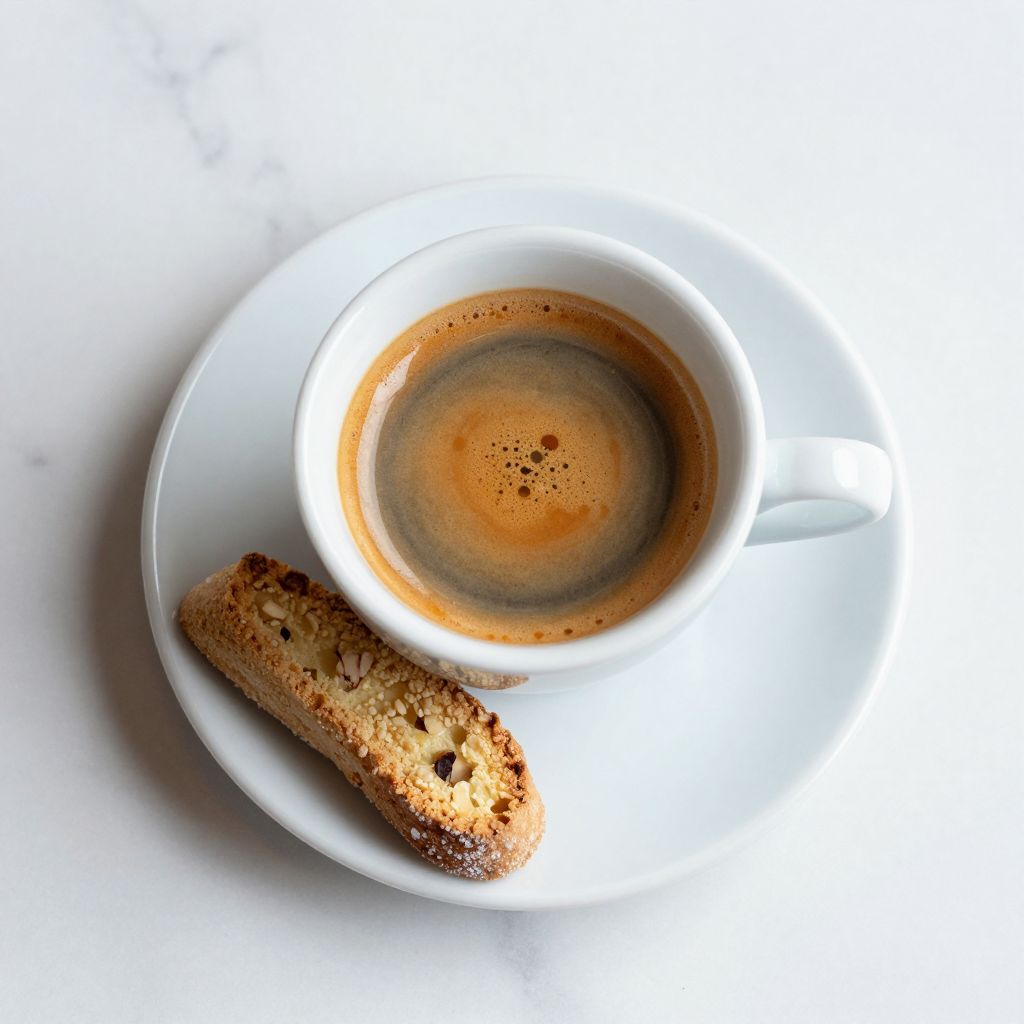
Espresso
Ingredients
Equipment
Method
- Turn on your espresso machine and let it run for 10 to 15 minutes so the group head and basket reach brewing temperature. Run a blank shot (water only) through the group head to flush out old grounds and clear the line.
- Grind 18 to 20 grams of fresh espresso beans to a fine consistency, similar to powdered sugar or sand using a burr grinder.
- Pour your ground coffee into the portafilter basket and give it a gentle shake to level the grounds.
- Place the portafilter on a level surface and press down with a tamper using about 30 pounds of pressure, keeping the tamper perfectly level.
- Lock the portafilter into the group head and immediately run water for 1 to 2 seconds, then stop to purge the group head.
- Place your espresso cup under the spout and position it so the stream flows directly into it.
- Engage the pump and watch the espresso flow. Stop the extraction when you've pulled about 1 to 1.5 ounces of liquid. The total time should be 25 to 30 seconds from the moment water starts flowing.
- Remove the portafilter and immediately purge the group head for 1 to 2 seconds to clear any remaining grounds. Tap out the spent puck into a knock box and rinse the basket and portafilter under hot water.