
Picture yourself on a warm afternoon, that first sip of something cold and unexpectedly sophisticated hitting your palate with bright acidity and deep coffee notes. Espresso tonic is the drink that bridges the gap between your afternoon coffee craving and a refreshing beverage that actually feels like a treat.
This Italian-inspired sipper combines the intensity of espresso with the botanical complexity of tonic water, creating something far more interesting than iced coffee. It takes about five minutes to make, requires zero special equipment beyond what you likely already have, and tastes like you ordered it from a trendy cafe.
Why You’ll Love This Recipe
This drink delivers bold flavor without the heaviness of traditional coffee drinks. It’s the perfect afternoon pick-me-up that won’t leave you jittery, and it’s elegant enough to serve to guests.
- Requires just three ingredients and five minutes of your time
- Naturally gluten-free, vegan, and pairs with any dietary preference
- The bittersweet balance keeps you coming back for more sips
- Customizable with different espresso roasts and premium tonic brands
- Stunning enough to photograph and actually impress people
My Experience Making This Recipe
I first encountered espresso tonic at a specialty coffee bar in Portland, and I was skeptical. Coffee plus tonic water sounded like an accident waiting to happen.
That first sip changed everything. The carbonation lifted the espresso’s brightness while the quinine added a subtle bittersweetness that made the coffee taste more complex, not less.
Now I make it at home constantly, and it’s become my go-to when I want something cold and caffeinated but not another vanilla latte. The drink is foolproof, and honestly, it’s hard to mess up when you start with good espresso and quality tonic.
Recipe Overview
- Recipe Name: Espresso Tonic
- Servings: 1
- Prep Time: 2 minutes
- Cook Time: 3 minutes
- Total Time: 5 minutes
- Course: Beverage
- Cuisine: Italian-inspired
- Calories per Serving: 90
Equipment You Will Need
- Espresso machine or moka pot
- Tall glass (10 to 12 ounces)
- Ice cubes or crushed ice
- Jigger or shot glass for measuring
- Long spoon or bar spoon for stirring
- Optional: citrus peeler or zester
Ingredients for Espresso Tonic
- 2 ounces freshly brewed espresso, cooled slightly
- 4 to 5 ounces premium tonic water, chilled
- Ice cubes, as needed
- Optional: lemon or lime twist for garnish
- Optional: a pinch of sea salt to enhance brightness
Ingredient Notes and Substitutions
- Freshly brewed espresso: The backbone of the drink, espresso provides concentrated coffee flavor and body. A double shot is standard, but you can use a single shot if you prefer less intensity or a triple if you want maximum coffee punch.
- Premium tonic water: Quality matters here because cheap tonic tastes thin and overly sweet. Brands like Fever-Tree, Q, or Schweppes premium lines add complexity that complements espresso beautifully. For a lower-sugar option, use diet tonic water without sacrificing flavor.
- Ice cubes: Crushed ice works wonderfully and chills the drink faster, though regular cubes look cleaner and melt more slowly. Freeze espresso into coffee ice cubes ahead of time to prevent dilution as the drink sits.
How to Make Espresso Tonic
Step 1: Brew Your Espresso
Pull a fresh double shot of espresso into a small cup or shot glass using your espresso machine. If you don’t have an espresso machine, use a moka pot on medium-high heat and brew strong coffee as a substitute, though true espresso delivers better results.
Step 2: Fill Your Glass with Ice
Pour ice cubes into your tall glass until it’s about three-quarters full. More ice means the final drink stays colder longer and dilutes less as you sip it over a few minutes.
Step 3: Let the Espresso Cool Slightly
Wait about 30 seconds to one minute for the espresso to cool just slightly from brewing temperature. You want it cool enough that pouring it over ice won’t create excessive steam or cause the drink to become too hot to enjoy immediately.
Step 4: Pour the Espresso Over Ice
Slowly pour the espresso over the ice, filling the glass about one-third of the way. The hot espresso will chill quickly against the ice, creating small pockets of warmth and cold that blend beautifully.
Step 5: Add the Tonic Water
Pour the chilled tonic water slowly into the glass, filling it the rest of the way. Pouring gently preserves the carbonation and prevents too much fizz from escaping immediately.
Step 6: Stir Gently to Combine
Use a long bar spoon to stir the drink gently, blending the espresso and tonic water together. Avoid over-stirring, which will cause more carbonation to release and make the drink go flat faster.
Step 7: Taste and Adjust
Take a sip and see if the balance of coffee to tonic suits your preference. If it tastes too strong, add a splash more tonic; if it’s too watery, you can add a tiny bit more espresso (though you’d need to brew more).
Step 8: Garnish and Serve
Add a lemon or lime twist if you like, or a light sprinkle of sea salt to heighten the flavors. Serve immediately and enjoy the crisp, refreshing drink while it’s still perfectly chilled and carbonated.
Pro Tip: Freeze espresso in ice cube trays ahead of time so your drink never gets diluted as the ice melts, and you maintain full coffee flavor from first sip to last.
Tips for the Best Espresso Tonic
- Use freshly brewed espresso within five minutes of brewing for the best flavor and crema. Stale espresso tastes flat and loses its aromatic brightness.
- Chill your tonic water in the fridge for at least an hour before making the drink. Warm tonic water loses carbonation quickly and dilutes the espresso faster.
- Invest in a quality tonic brand with real quinine rather than artificial sweeteners. Brands made with botanicals taste more sophisticated and pair better with coffee’s complexity.
- Experiment with different espresso roasts: light roasts bring fruity, bright notes while dark roasts add earthy depth and pair differently with tonic’s bitterness.
- Make the drink right before serving to maximize carbonation and prevent the flavors from flattening out over time.
Common Mistakes to Avoid
- Pouring hot espresso into warm tonic water or using room-temperature tonic causes the drink to warm up and lose its refreshing quality fast. Always chill your tonic beforehand.
- Skipping the quality tonic and grabbing whatever’s cheapest leads to an unpleasant artificial taste that clashes with espresso rather than complements it.
- Using stale espresso or instant coffee as a shortcut creates a flat, one-dimensional drink that misses the whole point of this recipe.
- Over-stirring the drink causes carbonation to release too quickly, leaving you with a flat beverage instead of the crisp, fizzy sipper you want.
- Letting the drink sit for more than a few minutes before drinking causes separation and flavor loss as carbonation escapes.
Serving Suggestions
Espresso tonic works beautifully on its own, but pairing it with light snacks makes it even better. Serve it as an afternoon pick-me-up or at the end of a meal when you want something refreshing without dessert.
- Alongside biscotti for dunking and a slightly sweet contrast to the drink’s bitterness
- With a simple butter cookie or almond tuile to complement the coffee’s nuttiness
- After a light lunch on a warm day as a sophisticated alternative to iced tea
- At brunch with pastries and fruit for a modern, upscale cafe experience at home
- As a palate cleanser between courses at a dinner party
Variations to Try
- Citrus Espresso Tonic: Add a squeeze of fresh lemon or lime juice to brighten the flavors and add subtle tartness that plays well with the quinine.
- Herbal Tonic Version: Use botanical or lavender-infused tonic water instead of standard tonic for a more floral, aromatic twist on the classic.
- Vanilla Espresso Tonic: Add a small splash of vanilla syrup or a drop of vanilla extract for subtle sweetness without making it feel dessert-like.
- Cold Brew Espresso Tonic: Substitute cold brew concentrate for espresso if you prefer less acidity and a smoother, rounder coffee flavor.
- Single vs. Double Shot: Use just one shot of espresso for a lighter, more tonic-forward drink, or triple shots for an intense coffee experience with just a hint of fizz.
Dietary Adaptations
- Gluten-Free: All three base ingredients are naturally gluten-free, so this recipe works perfectly for anyone avoiding gluten with no modifications needed.
- Dairy-Free: This recipe contains zero dairy, making it ideal for anyone with lactose intolerance or following a vegan diet.
- Sugar-Free: Choose diet or sugar-free tonic water to eliminate added sugars while maintaining the quinine bitterness and carbonation.
- Low-Calorie: At roughly 90 calories per serving with standard tonic, switching to diet tonic cuts that down to about 5 calories with no flavor sacrifice.
Storage and Reheating
Refrigerator
Espresso tonic is best consumed immediately, but leftover espresso can be stored in the fridge for up to three days. Always keep tonic water chilled.
- Store unused espresso in a sealed container away from strong-smelling foods
- Keep tonic water sealed and refrigerated to preserve carbonation
Freezer
Freeze espresso in ice cube trays for up to one month to prevent dilution in future drinks. This is the best storage hack for making espresso tonics regularly.
- Pour cooled espresso into ice cube trays and freeze for 24 hours
- Pop out cubes and store in a freezer bag with a date label
Reheating
You don’t reheat espresso tonic since it’s meant to be served cold. If you want to serve leftover espresso warm, heat it gently on the stovetop or in the microwave without boiling.
- Microwave leftover espresso for 20 to 30 seconds just until warm, not hot
- Never boil espresso, which destroys the flavor and creates a bitter taste
Nutrition Information
| Nutrient | Amount |
|---|---|
| Calories | 90 |
| Total Fat | 0 g |
| Saturated Fat | 0 g |
| Carbohydrates | 12 g |
| Fiber | 0 g |
| Sugar | 10 g |
| Protein | 0.5 g |
| Sodium | 50 mg |
| Cholesterol | 0 mg |
These values are approximate and based on standard tonic water with added sugars. Using diet tonic water reduces carbohydrates to near zero and sugar to zero while keeping all other values essentially the same.
Frequently Asked Questions
Can I use instant espresso powder instead of brewed espresso?
Instant espresso powder works in a pinch, but the flavor won’t be quite as rich or aromatic as freshly brewed espresso. Mix the powder with a splash of hot water first, let it cool slightly, then pour it over ice and add tonic.
Does espresso tonic have a lot of caffeine?
Yes, a double shot of espresso contains roughly 150 to 200 milligrams of caffeine, similar to a strong cup of brewed coffee. The tonic water adds no caffeine, so this is definitely an afternoon drink rather than a bedtime one.
What’s the difference between tonic water and club soda?
Tonic water contains quinine (a bitter compound) and added sugars, while club soda is just carbonated water with minerals. Tonic is essential for espresso tonic because the quinine adds flavor that complements coffee; club soda tastes flat and plain by comparison.
Can I make espresso tonic ahead of time for a party?
You can brew espresso and chill it ahead, and you can set out glasses with ice, but assemble each drink just before serving. Mixing espresso and tonic more than five minutes ahead causes the drink to lose carbonation and separation to occur.
What should I do if my espresso tonic tastes too bitter?
Add a splash more tonic water to dilute the bitterness slightly, or try a lighter espresso roast next time. You can also add a tiny squeeze of lemon juice to cut through the bitterness with brightness.
Is espresso tonic popular in Italy, or is it a modern invention?
Espresso tonic emerged in Italy within the last couple of decades but gained significant popularity in specialty coffee culture worldwide. It’s become a staple on craft coffee menus and represents modern innovation building on traditional espresso culture.
Final Thoughts
Espresso tonic is proof that the simplest recipes often taste the best. Three ingredients, five minutes, and suddenly you’re sipping something that feels far more complicated than it actually is.
Try making this drink this week, and I bet it becomes your new afternoon go-to. It’s refreshing, sophisticated, and so easy that you’ll find yourself wanting one every warm day.
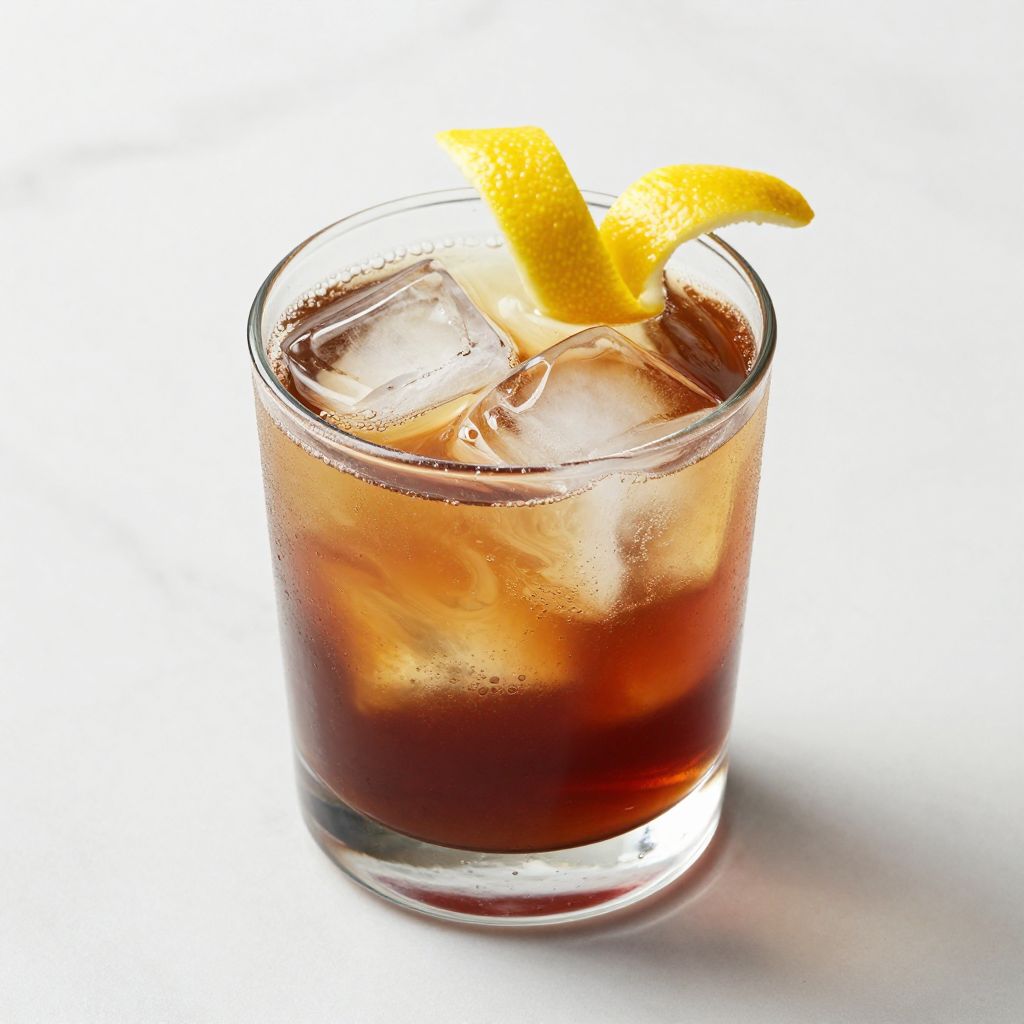
Espresso Tonic
Ingredients
Equipment
Method
- Pull a fresh double shot of espresso into a small cup or shot glass using your espresso machine. If you don't have an espresso machine, use a moka pot on medium-high heat and brew strong coffee as a substitute.
- Pour ice cubes into your tall glass until it's about three-quarters full.
- Wait about 30 seconds to one minute for the espresso to cool just slightly from brewing temperature.
- Slowly pour the espresso over the ice, filling the glass about one-third of the way.
- Pour the chilled tonic water slowly into the glass, filling it the rest of the way. Pour gently to preserve the carbonation.
- Use a long bar spoon to stir the drink gently, blending the espresso and tonic water together. Avoid over-stirring.
- Take a sip and see if the balance of coffee to tonic suits your preference. If it tastes too strong, add a splash more tonic.
- Add a lemon or lime twist if you like, or a light sprinkle of sea salt to heighten the flavors. Serve immediately and enjoy while perfectly chilled and carbonated.