
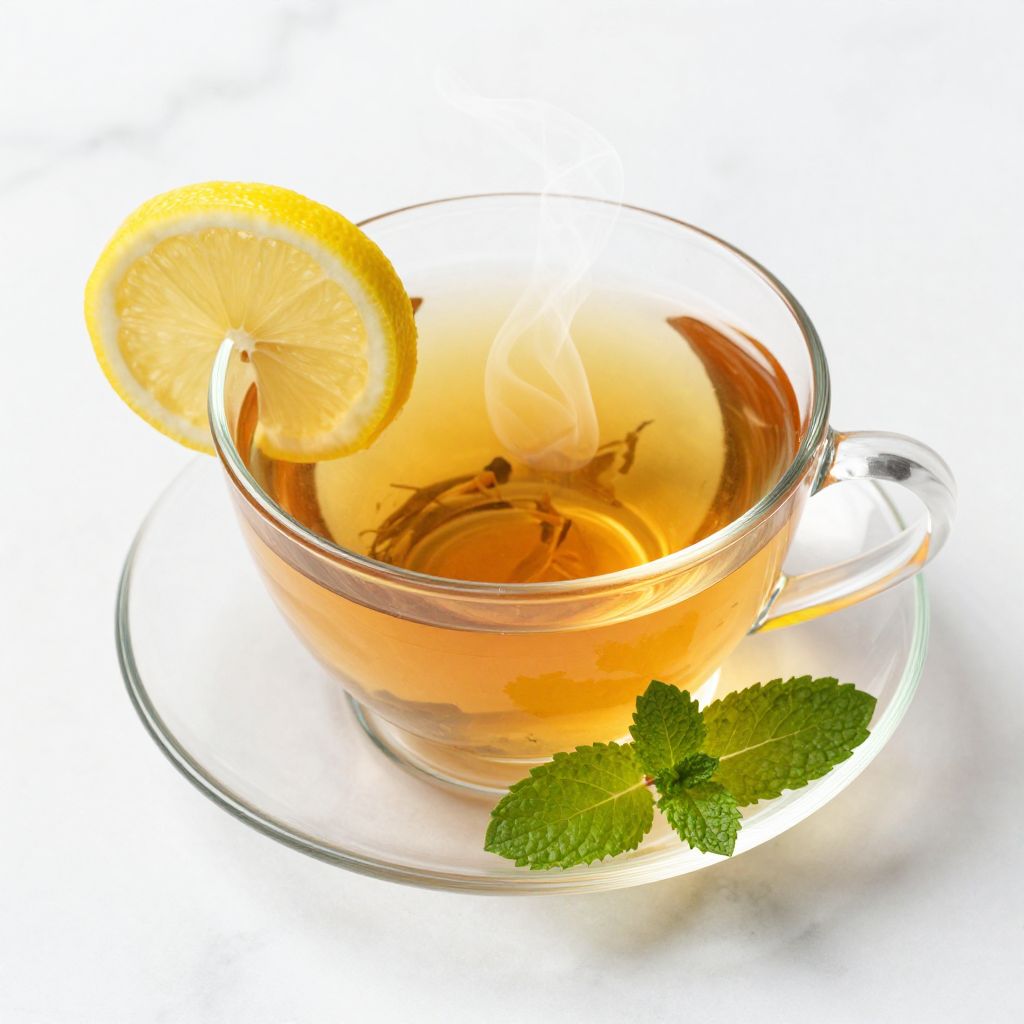
There’s something magical about steeping a mug of golden dandelion tea on a quiet morning, watching the leaves unfurl and release their earthy, slightly bitter warmth.
Dandelion tea is a forgotten treasure that deserves a comeback in your kitchen. This simple brew transforms humble dandelion roots or leaves into a caffeine-free drink packed with natural wellness benefits, deep flavor, and a sense of connection to traditional herbalism.
Why You’ll Love This Recipe
Dandelion tea is a zero-fuss beverage that takes minutes to make and costs nearly nothing if you forage your own dandelions. The flavor is naturally complex, with a roasted, slightly bitter finish that feels almost like a gentle coffee alternative without any jitteriness.
- Caffeine-free and naturally detoxifying for any time of day
- Works with fresh leaves, dried leaves, or roasted roots depending on the season
- Requires just a kettle and a mug; no special equipment needed
- Tastes better when you know exactly where it came from
- Pairs beautifully with honey, lemon, or a splash of milk
My Experience Making This Recipe
I first made dandelion tea out of curiosity after discovering a patch of wild dandelions in my yard. I harvested the leaves on a spring morning, dried them for a few days, and steeped them in boiling water.
That first cup surprised me completely. I expected something medicinal and harsh, but instead found a smooth, slightly nutty flavor with a pleasant bitter edge that actually made me crave the next sip.
Now I make it regularly, and friends who try it often ask for the “secret.” When I tell them it’s just dandelions, they’re always skeptical until they taste it themselves.
Recipe Overview
- Recipe Name: Dandelion Tea
- Servings: 1 cup
- Prep Time: 5 minutes
- Cook Time: 5 to 10 minutes
- Total Time: 10 to 15 minutes
- Course: Beverage
- Cuisine: Herbal/Traditional
- Calories per Serving: 5
Equipment You Will Need
- Kettle or pot
- Mug or teacup
- Tea infuser, strainer, or cheesecloth
- Measuring spoon
- Small cutting board (optional, for fresh leaves)
Ingredients for Dandelion Tea
- Dried dandelion leaves or roots: 1 to 2 teaspoons per cup
- Fresh dandelion leaves: 1 small handful (about 1 ounce) if using fresh
- Water: 8 ounces (1 cup), freshly boiled
- Honey (optional): 1 teaspoon for sweetness
- Lemon juice (optional): a squeeze for brightness
- Milk or cream (optional): a splash for richness
Ingredient Notes and Substitutions
- Dried dandelion leaves: These deliver consistent flavor and are easy to store all year. If you cannot find them dried, you can dry your own fresh leaves by spreading them on a clean cloth in a warm, dark place for 3 to 5 days.
- Roasted dandelion roots: Roasted roots offer a deeper, almost coffee-like flavor and are gentler on the stomach. You can substitute roots one-to-one with leaves, though roots typically brew longer for fuller flavor.
- Fresh dandelion leaves: Spring leaves are tender and less bitter, while summer leaves grow stronger and more robust in flavor. Use roughly three times more fresh leaves by volume than dried leaves.
- Honey: Maple syrup, agave nectar, or stevia work equally well as sweeteners without changing the tea’s character.
- Lemon juice: Apple cider vinegar adds a tangy note if you prefer extra brightness.
How to Make Dandelion Tea
Step 1: Gather Your Dandelions
If you’re foraging fresh dandelions, choose young leaves from an area free of pesticides and foot traffic. Pick them early in the morning after the dew has dried but before the sun gets hot, as this is when the leaves contain the most flavor compounds.
Step 2: Clean the Fresh Leaves
Rinse fresh dandelion leaves under cool running water and pat them dry with a clean cloth or paper towel. Remove any yellowed or damaged parts, and trim the base where soil might cling.
Step 3: Prepare Dried Leaves or Roots
If you’re using store-bought dried dandelion leaves or roots, measure out 1 to 2 teaspoons depending on how strong you like your tea. There’s no need to chop or prepare dried material further, though some people prefer to crush dried roots slightly to increase surface area for better extraction.
Step 4: Boil Fresh Water
Fill your kettle with fresh, filtered water and heat it until it reaches a rolling boil. Using fresh water ensures better flavor and removes any stale mineral deposits that might affect the taste.
Step 5: Add Leaves or Roots to Your Infuser
Place your dried dandelion leaves, roots, or fresh leaves into a tea infuser, strainer, or small cheesecloth sachet. If using a mug without an infuser, you can also steep the leaves directly in the mug and carefully pour the tea into another cup to strain, or wait until the leaves settle to the bottom.
Step 6: Pour Boiling Water Over the Leaves
Carefully pour the hot water over your dandelion leaves or roots, fully submerging them. The water should immediately begin to take on a pale golden or amber color.
Step 7: Steep for the Right Amount of Time
Let the tea steep for 5 to 7 minutes if using dried leaves, or 8 to 10 minutes if using dried roots or fresh leaves. Longer steeping brings out deeper, more robust flavors, while shorter steeping keeps the tea lighter and more delicate.
Step 8: Strain and Serve
Remove the infuser or strain the tea into your mug, leaving the leaves behind. Serve immediately while still hot, and add honey, lemon juice, or a splash of milk if you prefer.
Pro Tip: If you plan to make dandelion tea regularly, roast your own dried roots in a 350-degree oven for 15 to 20 minutes until they turn deep brown; this brings out a richer, almost coffee-like flavor that many prefer over plain dried roots.
Tips for the Best Dandelion Tea
- Use fresh, filtered water for brewing to avoid off-flavors from tap minerals or chlorine.
- Don’t let the water cool below a gentle simmer before pouring; hot water is essential for proper extraction.
- Taste your tea at the 5-minute mark if using dried leaves, then decide if you want it stronger; this prevents over-steeping and bitterness you didn’t ask for.
- Store dried dandelion leaves in an airtight container away from sunlight to preserve their flavor and potency for several months.
- Blend dandelion tea with other herbal teas like chamomile, ginger, or mint if you want to experiment with new flavor combinations.
- Save the spent leaves or roots; many people compost them or add them to soup broths for extra nutrition.
Common Mistakes to Avoid
- Using water that’s too cool: Dandelion leaves and roots need truly hot water to release their full flavor profile; lukewarm water produces weak, uninspiring tea.
- Steeping too long without tasting: Over-steeping creates harsh bitterness that overshadows the subtle nutty undertones you’re after.
- Picking dandelions from treated lawns or roadsides: Pesticides and vehicle exhaust can contaminate wild dandelions, so always forage from clean areas.
- Confusing dandelions with other plants: If you’re new to foraging, bring a field guide or consult an experienced forager to avoid picking the wrong plant.
- Storing dried dandelions in humid conditions: Moisture causes mold and flavor loss, so keep your dried leaves in a cool, dry place in sealed containers.
Serving Suggestions
Dandelion tea works beautifully as a solo beverage, especially in the afternoon when you want warmth without caffeine. Pair it with something sweet or savory depending on your mood and the season.
- With honey and a piece of buttered toast for a simple breakfast ritual
- Alongside a sharp cheese and crackers for an afternoon snack that feels refined
- With a squeeze of fresh lemon juice and a touch of ginger for a warming, slightly spicy version
- Chilled with a splash of apple juice for a refreshing cold-brew style drink in warmer months
- Mixed with a splash of cream and a teaspoon of honey for a creamy, comforting cup
Variations to Try
- Roasted Dandelion Root Tea: Substitute roasted roots for leaves to achieve a deeper, almost coffee-like flavor that some find more satisfying as a morning drink.
- Dandelion and Ginger Blend: Add a thin slice of fresh ginger or a pinch of dried ginger to your mug before steeping for warmth and digestive support.
- Honey and Cinnamon Version: Steep a small cinnamon stick with the dandelion leaves and add honey after brewing for a naturally sweet, spiced tea.
- Iced Dandelion Tea: Brew double-strength tea, let it cool completely, then serve over ice with a splash of apple cider vinegar and a touch of maple syrup.
- Dandelion and Lemon Balm Blend: Mix dried dandelion leaves with fresh or dried lemon balm from your garden for a brighter, more citrusy infusion.
Dietary Adaptations
- Gluten-free: Dandelion tea is naturally gluten-free as long as you use pure dried leaves or roots without any added grains or binding agents.
- Dairy-free: Skip the milk and enjoy your tea plain, or add a splash of coconut milk, almond milk, or oat milk for creaminess.
- Vegan: This tea is completely vegan; simply use maple syrup or agave nectar instead of honey if you prefer plant-based sweeteners.
- Low-carb and keto: Dandelion tea contains virtually no carbohydrates, making it perfect for low-carb eating; avoid adding sugary syrups or honey if you’re strict about carb intake.
Storage and Reheating
Refrigerator
Brewed dandelion tea keeps in the refrigerator for up to 3 days in a sealed glass container. The flavor may become slightly stronger or more bitter over time, so most people prefer to drink it fresh.
- Store in a glass jar with a tight-fitting lid
- Keep away from strong-smelling foods that might affect the delicate flavor
- Reheat gently on the stove or in the microwave before serving
Freezer
You can freeze brewed dandelion tea in ice cube trays for up to 2 months, then pop out cubes to add to warm water for a quick cup later. This method works especially well if you want to avoid making fresh tea on busy days.
- Pour cooled tea into ice cube trays and freeze until solid
- Transfer frozen cubes to a freezer bag labeled with the date
- Thaw cubes in a mug with hot water to serve
Reheating
Gently warm chilled dandelion tea on the stove over medium heat, or microwave it in a mug for 60 to 90 seconds until steaming. Avoid boiling reheated tea, as this can make it taste harsh.
- Pour into a small saucepan and heat slowly without reaching a rolling boil
- Stir occasionally to ensure even warming
- Add fresh honey or lemon after reheating to brighten the flavor
Nutrition Information
| Nutrient | Amount |
|---|---|
| Calories | 5 |
| Total Fat | 0g |
| Saturated Fat | 0g |
| Carbohydrates | 1g |
| Fiber | 0g |
| Sugar | 0g |
| Protein | 0g |
| Sodium | 2mg |
| Cholesterol | 0mg |
These values are for plain dandelion tea without added sweeteners or milk; adding honey, sugar, or cream will increase the calorie and carbohydrate content.
Frequently Asked Questions
Can I use fresh dandelion leaves straight from my yard?
Yes, absolutely, as long as your yard has never been treated with pesticides, herbicides, or chemical fertilizers. Young, tender leaves in spring make the best fresh tea, while summer leaves are stronger and more bitter.
What’s the difference between using dried leaves versus dried roots?
Dried leaves brew quickly and deliver a lighter, more herbal flavor, while dried roots require longer steeping and offer a deeper, coffee-like taste that some people find more satisfying. Try both and see which you prefer.
How long does dried dandelion tea keep?
Properly stored dried dandelion leaves and roots last 6 to 12 months in a cool, dark, airtight container. Over time, the flavor fades, so use older supplies first and refresh your supply yearly.
Is dandelion tea safe for everyone?
Dandelion tea is safe for most people, but pregnant women, people on blood thinners, or anyone with a ragweed allergy should consult a doctor before drinking it regularly. Always start with a small amount to see how your body responds.
Can I mix dandelion tea with other herbs?
Absolutely; dandelion tea blends beautifully with chamomile, peppermint, ginger, lemon balm, or hibiscus. Experiment with small amounts of each herb until you find combinations you love.
What should dandelion tea taste like?
Good dandelion tea should taste earthy and slightly bitter with subtle nutty undertones, almost reminiscent of a gentle coffee. It should not taste harsh, musty, or unpleasantly medicinal; if yours does, your leaves may be too old or your water too hot.
Final Thoughts
Making dandelion tea connects you to a simple tradition that people have relied on for centuries. Whether you forage your own dandelions or buy dried leaves, each cup delivers warmth, nutrition, and a quiet moment to yourself.
Start with a small batch today, taste what real dandelion tea offers, and discover why so many people are bringing this humble plant back to their daily routine. Your body and your taste buds will thank you.
Dandelion Tea
Ingredients
Equipment
Method
- If using fresh dandelions, rinse the leaves under cool running water and pat them dry with a clean cloth. Remove any yellowed or damaged parts.
- If using dried dandelion leaves or roots, measure out 1 to 2 teaspoons depending on desired strength.
- Fill your kettle with fresh, filtered water and heat it until it reaches a rolling boil.
- Place your dried dandelion leaves, roots, or fresh leaves into a tea infuser, strainer, or small cheesecloth sachet.
- Carefully pour the boiling water over your dandelion leaves or roots, fully submerging them.
- Let the tea steep for 5 to 7 minutes if using dried leaves, or 8 to 10 minutes if using dried roots or fresh leaves.
- Remove the infuser or strain the tea into your mug, leaving the leaves behind.
- Serve immediately while still hot. Add honey, lemon juice, or a splash of milk if desired.