
The moment the spices hit the hot water, your kitchen fills with warmth that feels like a hug from the inside out. Kadha is that ancient Ayurvedic wellness drink that your grandmother probably made without thinking twice, a simple blend of herbs and spices designed to boost immunity and soothe whatever ails you.
This recipe is special because it requires just a handful of pantry staples and about 15 minutes of your time, yet delivers the kind of comfort that modern wellness trends spend millions trying to bottle. The beauty of kadha lies in its adaptability and its genuinely warming, slightly bitter-sweet flavor profile that feels both medicinal and deeply satisfying.
Whether you’re fighting off a cold, supporting your immune system, or simply craving something warm and grounding, this kadha will become your go-to ritual.
Why You’ll Love This Recipe
Kadha ticks all the boxes for a drink that actually makes you feel better. It’s quick, affordable, and tastes nothing like a chore to drink.
- Uses common kitchen spices you probably already own
- Takes just 15 minutes from start to finish
- Naturally caffeine-free and works any time of day
- Adjustable to your taste preferences and spice tolerance
- Supports immunity and digestion with time-tested herbs
My Experience Making This Recipe
I first made this kadha on a rainy Tuesday when I felt that familiar scratchy throat coming on. I grabbed turmeric, ginger, black pepper, and a few other basics from my pantry and simply followed my intuition, letting the spices simmer until the kitchen smelled like a Ayurvedic clinic.
The first sip caught me off guard because it wasn’t sweet or fancy, just honest and warming. My partner came down within minutes, drawn by the aroma, and we ended up sitting with steaming cups for an hour, talking without any agenda.
That’s when I realized kadha isn’t really about the health benefits alone, though those matter. It’s about creating a moment of pause and intention in your day, something that tastes good enough to look forward to.
Recipe Overview
- Recipe Name: Kadha
- Servings: 2 cups (2 servings)
- Prep Time: 5 minutes
- Cook Time: 10 minutes
- Total Time: 15 minutes
- Course: Beverage
- Cuisine: Indian, Ayurvedic
- Calories per Serving: 35
Equipment You Will Need
- Small stainless steel saucepan (2 to 3 quart capacity)
- Fine-mesh strainer or cheesecloth
- Wooden spoon for stirring
- Measuring spoons
- Two mugs or glasses
- Microplane or box grater (for fresh ginger)
Ingredients for Kadha
- Water: 2.5 cups
- Fresh ginger: 1 inch piece, peeled and sliced thin
- Turmeric powder: 1/2 teaspoon
- Black pepper: 1/4 teaspoon, coarsely crushed
- Cloves: 3 whole
- Cinnamon stick: 1 small piece (about 1 inch)
- Tulsi leaves (holy basil): 5 to 6 fresh leaves, or 1/4 teaspoon dried
- Raw honey: 1 to 2 teaspoons per cup (optional, add after cooking)
- Sea salt: a tiny pinch
Ingredient Notes and Substitutions
- Fresh ginger: Provides warming, anti-inflammatory compounds that soothe the throat and aid digestion. If fresh is unavailable, use 1/4 teaspoon dried ginger powder, though the flavor will be more muted.
- Turmeric powder: The star ingredient, loaded with curcumin for immune support and natural anti-inflammatory action. Ground turmeric works perfectly; fresh turmeric root is stronger but harder to find.
- Black pepper: Essential because it activates turmeric’s benefits and adds a subtle bite. White pepper works in a pinch but delivers less complexity.
- Tulsi leaves: Aromatic and calming, this basil variety is traditional in Ayurvedic medicine. Regular fresh basil or dried oregano can substitute, though the flavor profile shifts noticeably.
- Honey: Soothes the throat and adds natural sweetness, but always add it after the kadha cools slightly so you preserve its healing enzymes. Jaggery or coconut sugar work as alternatives.
How to Make Kadha
Step 1: Measure and Prepare the Ingredients
Gather your spices and lay them out on the counter before you start. Peel and slice your fresh ginger into thin pieces, which increases the surface area for flavor extraction and ensures even infusion into the water.
Step 2: Bring Water to a Boil
Pour 2.5 cups of water into your saucepan and set it over medium-high heat. Let it reach a rolling boil, which usually takes about 3 to 4 minutes depending on your stovetop.
Step 3: Add the Ginger and Whole Spices
Once the water boils, add the sliced ginger, cloves, cinnamon stick, and crushed black pepper all at once. Stir briefly to distribute the ingredients evenly throughout the water.
Step 4: Reduce Heat and Simmer
Lower the heat to medium or medium-low so the kadha simmers gently rather than boils aggressively. Gentle simmering allows the spices to infuse their flavors and medicinal compounds without burning away the delicate notes.
Step 5: Add Turmeric and Salt
After about 2 minutes of simmering, add the turmeric powder and a tiny pinch of sea salt, stirring well to dissolve the turmeric completely. The salt enhances all the other flavors and balances the earthy turmeric taste.
Step 6: Simmer for 5 More Minutes
Let the kadha continue simmering for 5 more minutes so all the spices can fully infuse and meld together. You’ll notice the water turning a rich golden color and your kitchen becoming filled with a deeply aromatic scent.
Step 7: Add Tulsi Leaves
Add the fresh or dried tulsi leaves and give the mixture a gentle stir. Let it simmer for just 1 to 2 more minutes, since tulsi is delicate and loses its aromatic qualities with prolonged heat.
Step 8: Strain the Kadha
Pour the kadha through a fine-mesh strainer into a large cup or bowl, catching all the solids and leaving only the infused liquid. You can press gently on the ginger and spices with the back of your spoon to extract the last drops of flavor.
Step 9: Add Honey and Serve
Let the kadha cool for about 2 minutes, then add 1 to 2 teaspoons of raw honey per cup if desired, stirring until dissolved. Pour into mugs and serve warm, taking small sips to let the warmth settle into your chest.
Pro Tip: Never add honey to actively boiling liquid because heat destroys its enzymes and beneficial properties, so always wait for the kadha to cool slightly before sweetening.
Tips for the Best Kadha
- Use fresh ginger whenever possible because it delivers a brighter, more vibrant warmth than dried powder alone.
- Toast your whole spices gently in a dry pan for 30 seconds before adding them to the water if you want deeper, more concentrated flavor.
- Don’t skip the black pepper because it’s what makes turmeric bioavailable to your body and multiplies its benefits.
- Drink your kadha warm for maximum comfort and digestive benefits, though it tastes fine at room temperature or even chilled on hot days.
- Make a batch in the morning and store it in the fridge to reheat throughout the day for quick immunity support without the wait.
- Adjust spice ratios based on your tolerance, but start with the recipe as written and scale up or down from there.
Common Mistakes to Avoid
- Boiling too aggressively: A rolling boil can cause delicate compounds to break down and your kadha will taste harsh rather than balanced and warming.
- Skipping the straining step: Leaving bits of ginger and spice in your cup looks unappealing and affects the drinking experience, so always strain carefully.
- Adding honey to hot liquid: This destroys the enzymes in raw honey and turns it into regular sweetener, defeating much of its value in a wellness drink.
- Using old turmeric: Turmeric loses potency quickly, so check that your container isn’t more than six months old for maximum color and flavor.
- Rushing the simmering time: Cutting the simmering short means the spices won’t fully release their compounds, leaving you with weak, one-dimensional flavor.
Serving Suggestions
Kadha is perfect as a standalone warm drink, but it also pairs beautifully with simple accompaniments that let the spices shine. Serve it in the morning, afternoon, or evening depending on your needs.
- Sip it plain on a quiet morning before breakfast to set a calm, grounded tone for your day
- Pair with warm toast and almond butter for a light, satisfying snack that complements the spice warmth
- Enjoy after meals to aid digestion and settle the stomach naturally
- Serve to guests as a thoughtful, homemade alternative to coffee or regular tea
- Drink before bed with a touch of honey for its calming, sleep-supporting properties
Variations to Try
- Golden Milk Style Kadha: Blend the cooled kadha with a splash of milk and a teaspoon of ghee, which adds creaminess and makes the turmeric even more bioavailable.
- Licorice Root Addition: Add 1/4 teaspoon of dried licorice root during simmering for natural sweetness and throat-soothing benefits that work beautifully with the base spices.
- Ashwagandha Boost: Stir in 1/2 teaspoon of ashwagandha powder after straining to increase stress-relief and adaptogenic support for tired, overworked bodies.
- Citrus Twist: Squeeze fresh lemon or lime juice into the finished kadha just before drinking for brightness and added vitamin C that enhances immune function.
- Spiced Apple Cider Kadha: Replace water with unsweetened apple cider for deeper warmth and a naturally tangy-sweet base that plays well with the traditional spices.
Dietary Adaptations
- Gluten-Free: Kadha is naturally gluten-free as written, so no changes needed unless you’re adding accompaniments like crackers or bread.
- Dairy-Free: The base recipe contains no dairy, though if you’re adding milk as a variation, use coconut, almond, or oat milk instead.
- Vegan: Skip the honey or use agave nectar or maple syrup as a plant-based sweetener that doesn’t compromise the warming properties.
- Low-Carb/Keto: This recipe is already very low in carbohydrates, containing only trace amounts from the spices and roughly 1 gram of carbs per serving.
Storage and Reheating
Refrigerator
Store cooled kadha in an airtight glass container for up to 3 days in the refrigerator. The flavor actually deepens slightly as it sits, making day-two kadha especially rewarding.
- Keep it sealed to prevent absorption of fridge odors
- Label with the date so you don’t forget how long it’s been stored
Freezer
Kadha freezes well in ice cube trays for up to 3 months, which is perfect if you want to make a big batch and use it gradually. Pop a cube or two into hot water for an instant warm drink anytime.
- Transfer frozen cubes to a freezer bag after they’re solid to save space
- Thaw at room temperature or reheat directly in hot water
Reheating
Gently reheat stored kadha over low-to-medium heat or in the microwave in 30-second intervals, stirring between rounds. Avoid boiling because it can concentrate the flavors too intensely and potentially degrade heat-sensitive compounds.
- Pour into a small saucepan and warm gently over low heat, stirring occasionally
- Microwave in a mug for 60 to 90 seconds until steaming
- Add fresh honey after reheating, never before, to preserve its benefits
Nutrition Information
| Nutrient | Amount |
|---|---|
| Calories | 35 |
| Total Fat | 1g |
| Saturated Fat | 0g |
| Carbohydrates | 7g |
| Fiber | 0g |
| Sugar | 5g |
| Protein | 1g |
| Sodium | 50mg |
| Cholesterol | 0mg |
These values assume one serving includes 1 teaspoon of honey and are based on standard USDA ingredient databases. Actual nutrition will vary slightly depending on your specific brands and exact measurements.
Frequently Asked Questions
Can I make kadha without turmeric?
Turmeric is really the backbone of traditional kadha, so leaving it out changes the drink fundamentally. You could make a warming spice tea instead, but you’d be missing the anti-inflammatory star ingredient that makes kadha special.
How long does it take to feel the benefits of kadha?
Some people notice a soothed throat and warmth immediately after drinking, while the immune-boosting effects build over days of regular consumption. Think of it as a daily ritual that supports your wellness rather than a quick fix.
Is kadha safe to drink every day?
Yes, kadha is generally safe for daily consumption by most people, though pregnant women should check with their doctor before adding it to their routine. The spices are gentle and have been used in Ayurvedic medicine for centuries without issue.
Why does my kadha taste bitter?
Bitterness comes from turmeric and the spices simmering too long or too hot, which over-extracts compounds. Try reducing your simmer time slightly, lowering the heat, or decreasing the turmeric amount if you find it overwhelming.
Can I add milk to my kadha?
Absolutely, and some versions specifically call for it. Add a splash of warm milk (dairy or non-dairy) after straining for a creamier drink, or blend the cooled kadha with milk for a richer beverage that feels more like a latte.
What if I can’t find tulsi leaves?
The kadha works fine without tulsi, though you lose its calming aromatics. Fresh basil or oregano can substitute, or you can simply skip it and let the other spices take center stage without guilt.
Final Thoughts
Making kadha is one of those simple rituals that feels small until you realize how much it shifts your day. It requires no special equipment, no exotic ingredients, and absolutely no stress, yet delivers the kind of comfort that expensive wellness products spend years trying to replicate.
Try this recipe tomorrow morning or whenever you need a warm hug in a mug, and notice how something so simple can feel so intentional. You’ll likely find yourself reaching for kadha again and again, making it a cornerstone of your everyday wellness routine.
Explore More Wellness Recipes
Once you’ve mastered kadha, discover other nourishing drinks that support your health and warmth from the inside out.
Try making golden milk recipe for a creamy, deeply turmeric-forward drink that shares kadha’s wellness benefits but in a different form. You might also explore chai tea concentrate recipe to expand your spiced beverage repertoire with a richer, more robust flavor profile that works hot or cold.
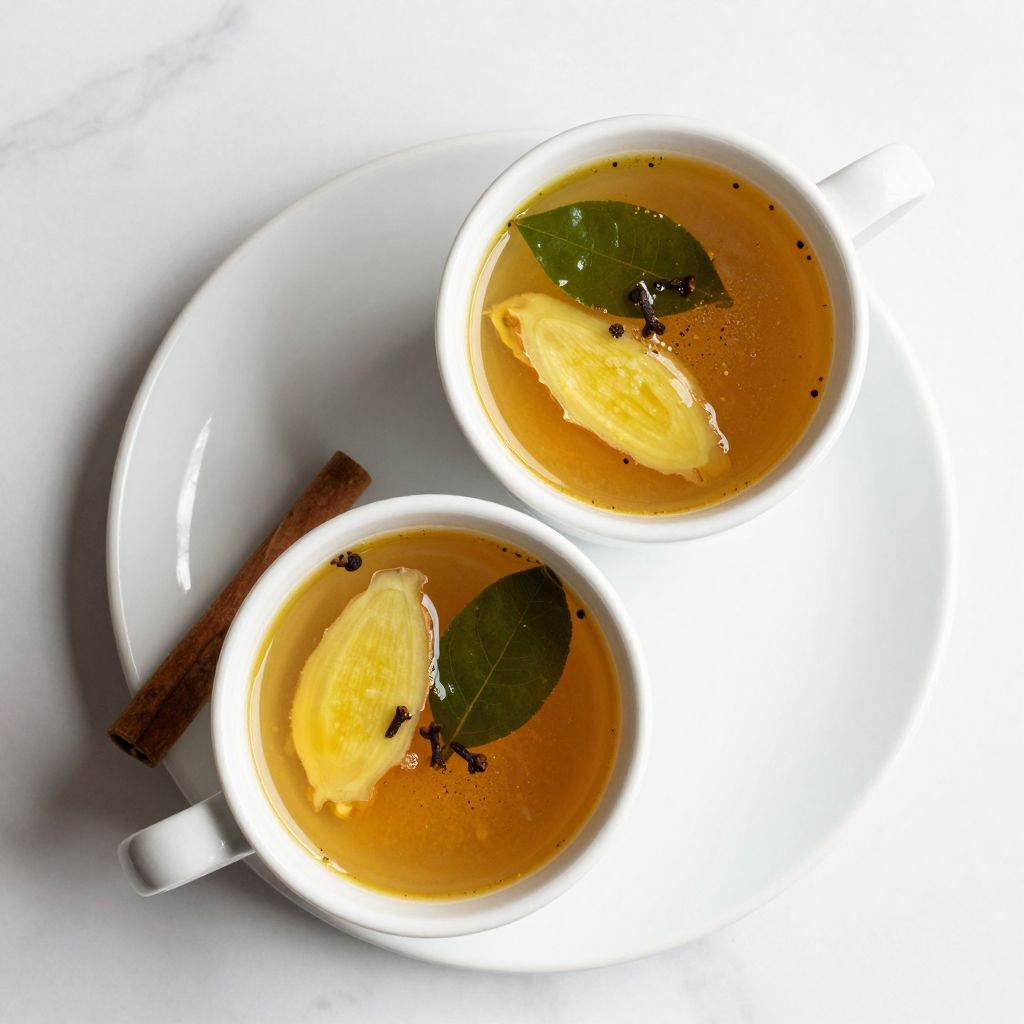
Kadha
Ingredients
Equipment
Method
- Gather and measure all ingredients, peel and thinly slice the ginger.
- Pour 2.5 cups water into the saucepan and bring to a rolling boil over medium-high heat (about 3–4 minutes).
- Add sliced ginger, cloves, cinnamon stick, and crushed black pepper, then stir to combine.
- Reduce heat to medium-low and simmer gently for 2 minutes.
- Stir in turmeric powder and a pinch of sea salt until fully dissolved.
- Continue simmering for 5 more minutes until the liquid turns a rich golden color.
- Add fresh or dried tulsi leaves and simmer for an additional 1–2 minutes.
- Strain the kadha through a fine-mesh strainer into mugs, pressing the solids to extract any remaining liquid.
- Let the kadha cool for about 2 minutes, then stir in 1–2 teaspoons of raw honey per cup if desired and serve warm.