
There’s something deeply satisfying about pouring a cold brew martini on a late afternoon when the sun hits just right and you want something that tastes like sophistication mixed with your favorite coffee shop. This cocktail bridges two worlds that shouldn’t work together but somehow do: the crisp, botanical elegance of a martini and the rich, smooth complexity of cold brew coffee.
The cold brew martini has become a favorite for anyone who loves coffee and cocktails in equal measure. It’s smooth, not bitter, and offers that perfect balance of caffeine kick and boozy comfort without feeling heavy or overdone.
Why You’ll Love This Recipe
This drink works because cold brew is naturally sweeter and less acidic than hot coffee, which means it plays beautifully with gin’s botanicals instead of fighting against them. You get a sophisticated cocktail that’s genuinely easy to make at home, requires no special equipment, and tastes like you spent way more effort than you actually did.
- Smooth and balanced: cold brew’s natural sweetness prevents bitterness that hot coffee can bring
- Quick to make: five minutes from fridge to glass, no shaking or straining required
- Highly customizable: swap gin styles, adjust coffee strength, play with sweeteners and garnishes
- Perfect any time: afternoon pick-me-up, evening drink, or dessert cocktail depending on your mood
- Visually striking: the deep coffee color with a clear spirit creates an elegant presentation
My Experience Making This Recipe
I first made this drink on a whim when leftover cold brew was sitting in my fridge and I had a craving for something more interesting than my usual gin and tonic. I remember being surprised by how naturally the flavors worked together, with the coffee rounding out the gin’s sharper edges instead of clashing with them.
The reaction from friends was immediate and enthusiastic, which made sense once I thought about it: people love coffee, people love cocktails, and combining them feels indulgent without being pretentious. I’ve made variations with different gins and coffee roasts, and honestly, the basic formula is so forgiving that almost any quality cold brew and decent gin will work.
What really sold me was the simplicity of it all: no muddling, no heating, no waiting for things to cool down. Just pour, stir, drink, and feel like you’ve made something genuinely special with minimal fuss.
Recipe Overview
- Recipe Name: Cold Brew Martini
- Servings: 1
- Prep Time: 5 minutes
- Cook Time: 0 minutes
- Total Time: 5 minutes
- Course: Cocktail
- Cuisine: Modern American
- Calories per Serving: 160
Equipment You Will Need
- Mixing glass or cocktail shaker
- Bar spoon or long cocktail spoon
- Jigger for measuring
- Coupe glass or martini glass
- Strainer (if using a mixing glass)
Ingredients for Cold Brew Martini
- 2 ounces gin (London dry style preferred)
- 1.5 ounces cold brew coffee (chilled, unsweetened or lightly sweetened)
- 0.5 ounce dry vermouth
- 1 teaspoon simple syrup (optional, adjust to taste)
- 2 to 3 dashes chocolate or coffee bitters (optional but recommended)
- Ice cubes
- Lemon twist or coffee bean for garnish
Ingredient Notes and Substitutions
- Gin: London dry gin provides botanical complexity without overpowering the coffee. If you prefer a lighter hand, try a contemporary-style gin with fewer botanicals, though you’ll lose some of that herbal depth that makes this drink work.
- Cold brew coffee: Unsweetened is best so you control the sweetness level yourself. Store-bought or homemade works equally well; if your cold brew is already sweetened, skip the simple syrup entirely.
- Dry vermouth: This adds aromatics and helps balance the coffee’s richness. You can substitute with a very dry white wine or skip it entirely if you prefer a stronger coffee-forward drink, though the result will be less balanced.
- Simple syrup: Use this only if your cold brew is unsweetened and you prefer a slightly sweeter cocktail. Rich simple syrup or honey syrup will create a rounder mouthfeel if you want that.
- Bitters: Chocolate or coffee bitters add depth and slight bitterness that enhances the coffee notes. Aromatic bitters work too, though they’ll shift the flavor profile slightly.
How to Make Cold Brew Martini
Step 1: Chill Your Glass
Place your coupe or martini glass in the freezer for at least 5 minutes while you prepare the drink. A cold glass keeps the cocktail cold longer and prevents the ice from melting too quickly once you pour it in, which would dilute the drink.
Step 2: Add Ice to Your Mixing Glass
Fill a mixing glass with ice cubes or add ice to a cocktail shaker. You want enough ice that the glass or shaker feels very cold when you hold it, which tells you it’s ready to chill your drink properly.
Step 3: Measure the Gin
Pour 2 ounces of gin into the mixing glass using your jigger to measure accurately. Gin is the base spirit here, so getting the amount right ensures the drink has enough body and botanical character.
Step 4: Add the Cold Brew Coffee
Measure 1.5 ounces of cold brew coffee and add it to the mixing glass with the gin. The coffee should be cold so it doesn’t melt the ice too quickly and doesn’t warm up the other ingredients.
Step 5: Pour in the Dry Vermouth
Add 0.5 ounce of dry vermouth to the mixing glass. The vermouth contributes herbal and floral notes that bridge the gin and coffee together, creating a more complex and balanced drink.
Step 6: Add Simple Syrup and Bitters
Stir in 1 teaspoon of simple syrup if using it and add 2 to 3 dashes of chocolate or coffee bitters. Taste as you go: the bitters add complexity and the simple syrup balances any harshness from unsweetened cold brew.
Step 7: Stir to Combine and Chill
Using a bar spoon, stir the mixture for about 30 seconds, making sure the ice gets a chance to chill everything while slightly diluting the drink. This is called the dilution point: you want just a tiny bit of melted ice to round out the flavors, not enough to water it down.
Step 8: Strain Into Your Chilled Glass
Using a strainer, pour the cocktail from the mixing glass into your pre-chilled coupe or martini glass, leaving the ice behind. A smooth pour without ice chunks gives you a clean, elegant presentation.
Step 9: Garnish and Serve
Express the oils from a lemon twist over the drink by twisting it over the surface and dropping it in, or add a few coffee beans as a garnish. The lemon adds brightness, while coffee beans reinforce the coffee flavor and look beautiful.
Pro Tip: Keep your cold brew in the fridge and use it straight from there; warm or room-temperature cold brew will melt your ice too fast and ruin the balance of the drink.
Tips for the Best Cold Brew Martini
- Use quality cold brew: whether homemade or store-bought, the cold brew is the star here, so choose one you actually enjoy drinking on its own. A smooth, balanced cold brew makes a dramatically better cocktail than harsh or overly acidic coffee.
- Go easy on sweetening: start with no simple syrup and add it only if you taste bitterness. Many people sweeten too much out of habit, which masks the interesting interplay between gin and coffee.
- Don’t skip the vermouth: some people make this as just gin and cold brew, which tastes flat and one-dimensional. The vermouth adds aromatics and body that make the drink feel complete.
- Stir, don’t shake: shaking aerates the drink and creates unwanted foam because of the coffee. Stirring keeps it smooth and silky while properly chilling it.
- Chill everything: cold glasses, cold ingredients, and cold ice all matter more than you’d think. A warm glass will heat up your cocktail immediately, and you’ll lose that crisp sensation you’re after.
- Make it fresh: prepare this drink just before serving rather than making it in advance. The flavors stay vibrant, the temperature stays perfect, and the balance holds strong.
Common Mistakes to Avoid
- Using hot coffee or room-temperature cold brew: warm ingredients melt the ice too quickly and create a diluted, unbalanced drink. Cold brew should always go straight from the fridge.
- Over-sweetening: too much simple syrup or using already-sweetened cold brew turns this into a dessert cocktail instead of a balanced sipper. Start low and adjust up if needed.
- Shaking the drink: shaking introduces unnecessary aeration and foam, especially with coffee, which creates a cloudy appearance and dilutes the flavors. Stirring achieves proper chilling with a cleaner result.
- Skipping the vermouth: vermouth isn’t optional here; it balances the coffee and gin and prevents the drink from tasting one-dimensional. Leaving it out saves nothing and costs you flavor.
- Forgetting to chill the glass: pouring a cold cocktail into a room-temperature glass lets it warm up fast. Five minutes in the freezer makes a noticeable difference in how long the drink stays cold and delicious.
Serving Suggestions
This drink works beautifully on its own as an afternoon or evening cocktail, but it also pairs wonderfully with light desserts, chocolate, or even a simple cheese plate if you’re feeling fancy. The coffee flavor makes it work in contexts where a regular martini might feel too strong or botanical.
- Dark chocolate or chocolate cake: the bitterness in both complements the coffee notes and creates a dessert-cocktail experience
- Biscotti or almond cookies: their mild sweetness and texture play nicely against the smooth, cold drink
- Aged cheeses like Gruyere or Parmigiano: the umami and slight saltiness contrast interestingly with the coffee and botanicals
- Tiramisu or espresso panna cotta: these naturally coffee-forward desserts enhance the drink’s flavor without competing
- Nuts or an aperitivo board: simple accompaniments let the cocktail shine without overwhelming it
Variations to Try
- Espresso martini style: substitute 1 ounce of fresh espresso for the cold brew and add 0.5 ounce of coffee liqueur. You’ll get a richer, more intense coffee flavor and a creamier mouthfeel, though this version is sweeter.
- Flavored gin swap: try a barrel-aged gin or a gin infused with coffee or chocolate botanicals. This deepens the coffee connection and adds woody or sweet undertones depending on the gin.
- Honey or maple syrup: replace simple syrup with honey or maple, which adds richness and a slightly different sweetness profile. This creates a warmer, rounder drink that feels almost dessert-like.
- Cream or oat milk float: add a float of heavy cream or oat milk on top of the finished drink for a luxurious texture. This turns it into more of a creamy coffee cocktail and adds richness.
- Spiced variation: add a tiny dash of cinnamon or cardamom bitters alongside the chocolate bitters. This adds warmth and spice that makes the drink feel more autumnal or wintery.
Dietary Adaptations
- Gluten-free: all standard ingredients in this recipe are naturally gluten-free, though always verify your vermouth and gin labels since some brands may contain gluten. The drink itself requires no adaptation.
- Dairy-free: this recipe contains no dairy, so it’s naturally dairy-free as written. If you choose to add a cream float, use coconut cream, oat milk, or cashew cream instead.
- Vegan: gin, vermouth, and cold brew are typically vegan, but some gins use animal products in filtration. Check your specific brand, and choose vegan simple syrup if making your own.
- Low-carb or keto: this drink is already quite low in carbs, with the main source being the simple syrup. Omit the syrup entirely or use a keto sweetener like erythritol for a true zero-carb version.
Storage and Reheating
Refrigerator
Cold brew keeps in an airtight container in the fridge for up to two weeks, so you can make a batch and use it throughout the week for multiple cocktails. Gin, vermouth, and other spirits store indefinitely in a cool, dark cabinet.
- Cold brew: keep in a sealed glass jar or bottle
- Simple syrup: lasts up to one month in the fridge
- Mixed cocktail: do not store a finished cocktail; make fresh each time for best taste and texture
Freezer
Cold brew can be frozen in ice cube trays for convenient portioning, though it’s not necessary since cold brew keeps well in the fridge. Spirits should never be frozen as it can affect their flavor and quality.
- Cold brew ice cubes: use within three months, and thaw before using in cocktails to maintain proper ratios
- Finished cocktails: do not freeze mixed drinks
Reheating
This is a cold cocktail meant to be served ice-cold, so reheating never applies. Simply prepare fresh when ready to drink.
- Always make to order for the best texture and temperature
- Chill your glass right before serving for maximum cold retention
Nutrition Information
| Nutrient | Amount |
|---|---|
| Calories | 160 |
| Total Fat | 0 g |
| Saturated Fat | 0 g |
| Carbohydrates | 3 g |
| Fiber | 0 g |
| Sugar | 2 g |
| Protein | 0 g |
| Sodium | 15 mg |
| Cholesterol | 0 mg |
These values are estimates based on standard ingredient databases and assume unsweetened cold brew and no added simple syrup. Your actual nutrition may vary slightly based on specific brands and whether you add sweetener.
Frequently Asked Questions
Can I make this drink without vermouth?
Technically yes, but you’ll lose the aromatic complexity that makes this drink work. The vermouth balances the coffee and gin, and without it, the drink tastes one-dimensional and the coffee dominates in a less pleasant way.
What’s the difference between this and an espresso martini?
An espresso martini uses hot espresso, vodka, and coffee liqueur, resulting in a creamier, sweeter, and more intense drink. This cold brew version is smoother, less sweet, and uses gin for its botanical character instead of the coffee liqueur.
Can I make this in advance for a party?
No, you should make each drink fresh right before serving. Mixing in advance dilutes the drink as ice melts, and the flavors lose their vibrancy after a few minutes.
What kind of cold brew should I use?
Any good-quality, unsweetened cold brew works well, whether homemade or store-bought. Avoid overly sweetened versions and anything with cream or milk already added.
Is this drink strong or will I barely taste the alcohol?
At 2 ounces of gin plus 0.5 ounce of vermouth, this has a solid alcohol presence without being overwhelming. The coffee balances the alcohol so it doesn’t taste hot or harsh, making it dangerously easy to enjoy.
What if my cold brew is too bitter?
Add a slightly higher amount of simple syrup or use honey syrup instead, which rounds out bitter notes. Consider using a different brand of cold brew next time, as bitterness usually indicates the brew steeped too long or used low-quality beans.
Final Thoughts
The cold brew martini proves that the best cocktails come from simple ideas executed well. You don’t need dozens of ingredients or complicated techniques; you just need quality components and proper technique to bring them together.
This drink deserves a spot in your regular cocktail rotation, whether you make it for yourself on a lazy afternoon or impress guests with something that tastes far more complicated than it actually is. Grab some cold brew, dust off that gin bottle, and give this one a try.
Explore More Cocktail Recipes
If you loved this cold brew martini, check out more coffee-forward cocktails and martini variations to expand your home bar skills.
Try making an espresso martini recipe with cold brew for a creamier, more dessert-like version, or cool off with a refreshing coffee punch recipe that’s perfect for entertaining a crowd.
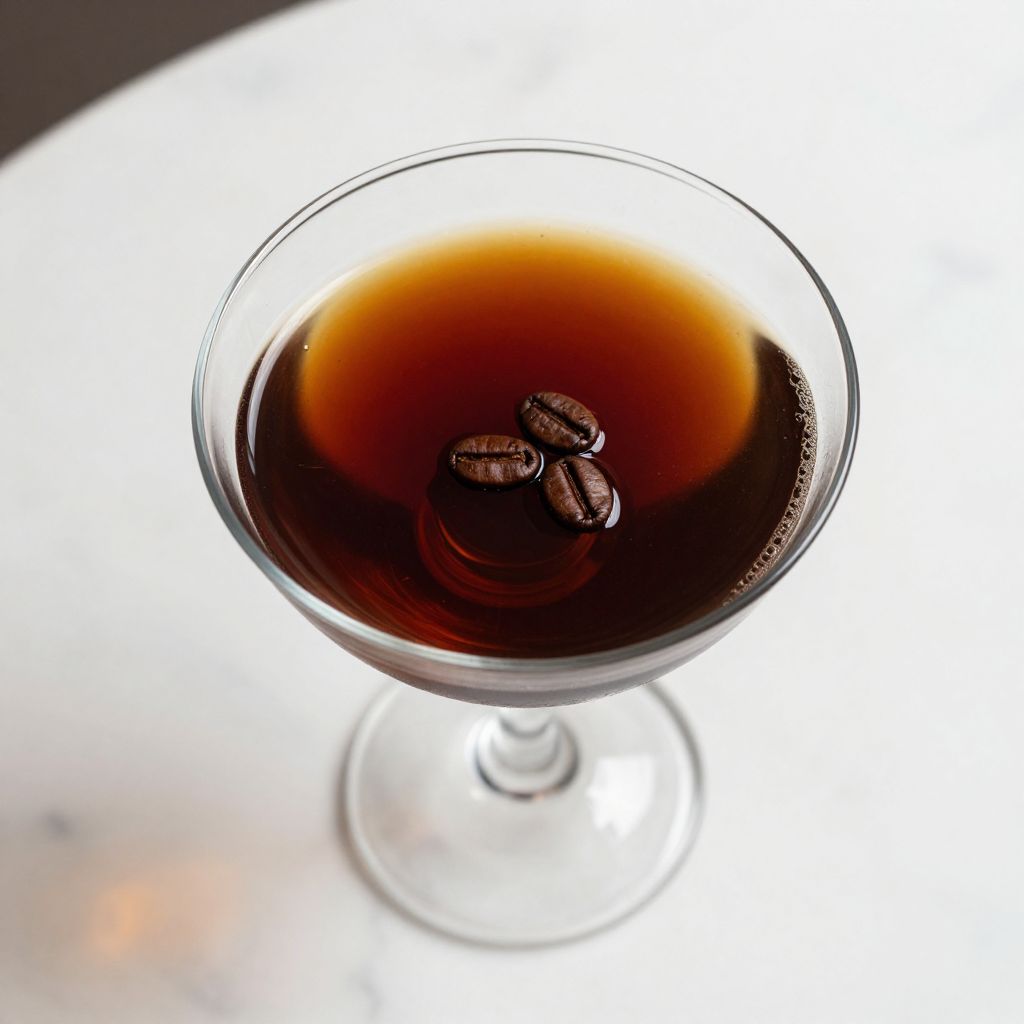
Cold Brew Martini
Ingredients
Equipment
Method
- Chill your coupe or martini glass in the freezer for at least 5 minutes.
- Fill a mixing glass or cocktail shaker with ice cubes until very cold.
- Measure and pour 2 ounces gin into the mixing glass using a jigger.
- Add 1.5 ounces cold brew coffee to the mixing glass.
- Pour in 0.5 ounce dry vermouth.
- Stir in 1 teaspoon simple syrup and add 2 to 3 dashes chocolate or coffee bitters.
- Stir the mixture with a bar spoon for about 30 seconds until well chilled and slightly diluted.
- Strain the cocktail into the chilled glass, leaving the ice behind.
- Garnish with a lemon twist or a few coffee beans and serve immediately.