
Picture yourself standing in a farmer’s market in late summer, surrounded by baskets of ruby-red tomatoes at peak ripeness, and you’ll understand why homemade tomato juice tastes like nothing else. Fresh tomato juice is a revelation compared to store-bought versions, packed with bright acidity and genuine tomato flavor that makes a stunning addition to your breakfast table or cocktail hour.
This recipe transforms simple tomatoes into liquid gold with minimal fuss, requiring just a few ingredients and basic equipment. You’ll appreciate the vibrant color, the clean taste, and how easy it is to customize the seasoning to your exact preferences.
Why You’ll Love This Recipe
Homemade tomato juice offers a pure, unadulterated taste of tomatoes without added sugars, preservatives, or mystery ingredients.
- Bursting with fresh tomato flavor that brings brightness to any meal
- Completely customizable: adjust salt, spice, and seasoning to suit your taste
- Transforms ripe summer tomatoes into a shelf-stable drink you can enjoy year-round
- Perfect base for Bloody Marys, gazpacho, or drinking straight from a chilled glass
- Contains no added sugars or artificial ingredients, just pure tomato goodness
My Experience Making This Recipe
I first made this juice on a sweltering August afternoon when my garden produced more tomatoes than I could reasonably eat fresh. I chopped them up, ran them through my food mill, and tasted something that made me immediately question why I’d ever bought canned juice again.
The kitchen filled with the most incredible aroma of concentrated tomato essence, and my kids actually asked for seconds when I served it chilled over ice. What struck me most was how the flavor shifted based on the tomato variety I used: San Marzanos gave me a deeper, more complex juice, while Cherokee Purples brought sweetness and earthiness.
Now I make several batches each summer and freeze them in quart jars, giving myself fresh tomato juice straight into January. The effort takes barely two hours from start to finish, and the payoff is absolutely worth it.
Recipe Overview
- Recipe Name: Fresh Tomato Juice
- Servings: About 2 quarts (8 servings per quart)
- Prep Time: 15 minutes
- Cook Time: 30 minutes
- Total Time: 45 minutes
- Course: Beverage
- Cuisine: American
- Calories per Serving: 35
Equipment You Will Need
- Large stainless steel pot (at least 8 quarts)
- Food mill or fine mesh strainer
- Wooden spoon for stirring
- Sharp chef’s knife and cutting board
- Colander for draining tomatoes
- Glass jars with lids for storage
- Measuring spoons and cups
- Cheesecloth (optional but helpful for extra-smooth juice)
Ingredients for Fresh Tomato Juice
- 6 pounds ripe tomatoes (about 18 medium tomatoes, any variety)
- 1 teaspoon kosher salt (adjust to taste)
- 1/2 teaspoon black pepper (freshly ground)
- 2 tablespoons fresh lemon juice
- 1 tablespoon fresh basil (chopped, optional)
- 1/4 teaspoon garlic powder (optional)
- Pinch of cayenne pepper (optional, for subtle heat)
Ingredient Notes and Substitutions
- Ripe tomatoes: Use the ripest tomatoes you can find, as they contain more juice and flavor. If ripe tomatoes aren’t available, extend the cooking time by 10 minutes to concentrate flavors.
- Kosher salt: Kosher salt dissolves evenly and won’t make the juice bitter the way some table salts can. Sea salt works equally well as a substitute.
- Lemon juice: Lemon brightens the juice and adds natural acidity, but fresh lime juice gives a completely different but equally delicious character.
- Fresh basil: Basil adds an herbal note that feels summery and restaurant-quality. Omit entirely if you prefer pure tomato flavor, or substitute fresh oregano for an Italian bent.
- Garlic powder: This adds savory depth without overpowering the tomato flavor. Skip it if you want a cleaner taste, or use fresh minced garlic (about 2 cloves) if you prefer stronger garlic punch.
How to Make Fresh Tomato Juice
Step 1: Prep Your Tomatoes
Rinse your tomatoes under cool running water and pat them dry with a clean towel. Remove the stem end from each tomato by cutting a small circle around the core, then discard any bruised or damaged sections.
Step 2: Chop the Tomatoes
Cut each tomato into quarters, working over a large bowl to catch any juices that run out. Aim for roughly equal-sized pieces so they cook evenly, though perfect uniformity isn’t critical here.
Step 3: Add Tomatoes to the Pot
Transfer the chopped tomatoes and any collected juices into your large pot. Add them gradually so the pot doesn’t overflow, stirring occasionally as the tomatoes begin to release more liquid.
Step 4: Heat the Tomatoes
Turn the heat to medium-high and bring the tomatoes to a gentle simmer, stirring occasionally to prevent sticking on the bottom. This process takes about 10 minutes and allows the tomatoes to soften and break down, releasing maximum juice and flavor.
Step 5: Cook Until Very Soft
Simmer the tomatoes for another 15 to 20 minutes, stirring every few minutes, until they’re completely broken down and appear almost mushy. You’ll notice the mixture becoming darker and more concentrated as the water content reduces slightly.
Step 6: Strain Through the Food Mill
Working in batches, pour the cooked tomato mixture through a food mill fitted with the finest disk, catching the juice in a large bowl below. A food mill does the heavy lifting by separating the juice and pulp in one step, which is much faster than pushing tomatoes through a regular strainer.
If you don’t have a food mill, pour the mixture through a fine mesh strainer lined with cheesecloth, pressing gently on the solids with the back of a wooden spoon. Save the juice and discard the seeds and skins left behind.
Step 7: Season to Taste
Pour the strained juice into a clean pot and add the kosher salt, black pepper, and lemon juice. Stir well and taste the juice, adjusting the seasonings as needed by adding more salt for depth, more lemon for brightness, or a tiny pinch of cayenne for subtle heat.
Step 8: Optional Second Straining
For silky-smooth juice, pour the seasoned liquid through a fine mesh strainer one more time, which removes any remaining fine particles. This step gives you juice with an almost velvety mouthfeel, though it’s entirely optional if you prefer a thicker consistency with more body.
Step 9: Cool and Store
Let the juice cool to room temperature, then transfer it to clean glass jars with tight-fitting lids. Store in the refrigerator immediately if drinking within one week, or freeze for longer storage.
Pro Tip: Don’t discard those tomato solids left in the strainer; they make incredible tomato paste when you simmer them down on low heat for another hour or so, stirring frequently until thick.
Tips for the Best Fresh Tomato Juice
- Use a mix of tomato varieties: Blending sauce tomatoes like San Marzanos with sweeter slicing tomatoes creates complexity and balance in the final juice.
- Don’t skip the cooking step: Heating the tomatoes concentrates flavors and makes them much easier to process, resulting in juice that tastes more intense and delicious than raw blended tomato.
- Taste as you go: Tomato flavor varies dramatically by season and variety, so adjust your seasonings at the end rather than adding them all upfront.
- Chill thoroughly before serving: Cold juice tastes more refreshing and the flavors shine brighter, so refrigerate for at least a few hours before drinking.
- Keep fresh herbs separate: Add fresh basil or other herbs to individual servings rather than mixing them into the whole batch, since they’ll discolor the juice if stored together.
- Use a food mill if possible: A food mill is genuinely faster and easier than straining, and it gives superior texture with minimal effort.
Common Mistakes to Avoid
- Using under-ripe tomatoes: Green or barely-pink tomatoes make juice that tastes thin and acidic without that deep, satisfying tomato character you’re after.
- Overcooking the tomatoes: Cooking for much longer than 30 minutes can make the juice taste slightly cooked or flat rather than fresh and bright.
- Skipping the salt entirely: Even a small amount of salt makes tomato flavor pop dramatically and isn’t detectable as saltiness.
- Not straining thoroughly enough: Leaving seeds and skins in creates a grainy texture that most people find unpleasant when drinking straight juice.
- Storing in non-airtight containers: Improper sealing allows the juice to oxidize quickly, turning brown and developing stale flavors within days.
Serving Suggestions
Fresh tomato juice shines in countless ways, from a simple chilled glass over ice to the star ingredient in cocktails and soups. Here are some serving ideas to get you started.
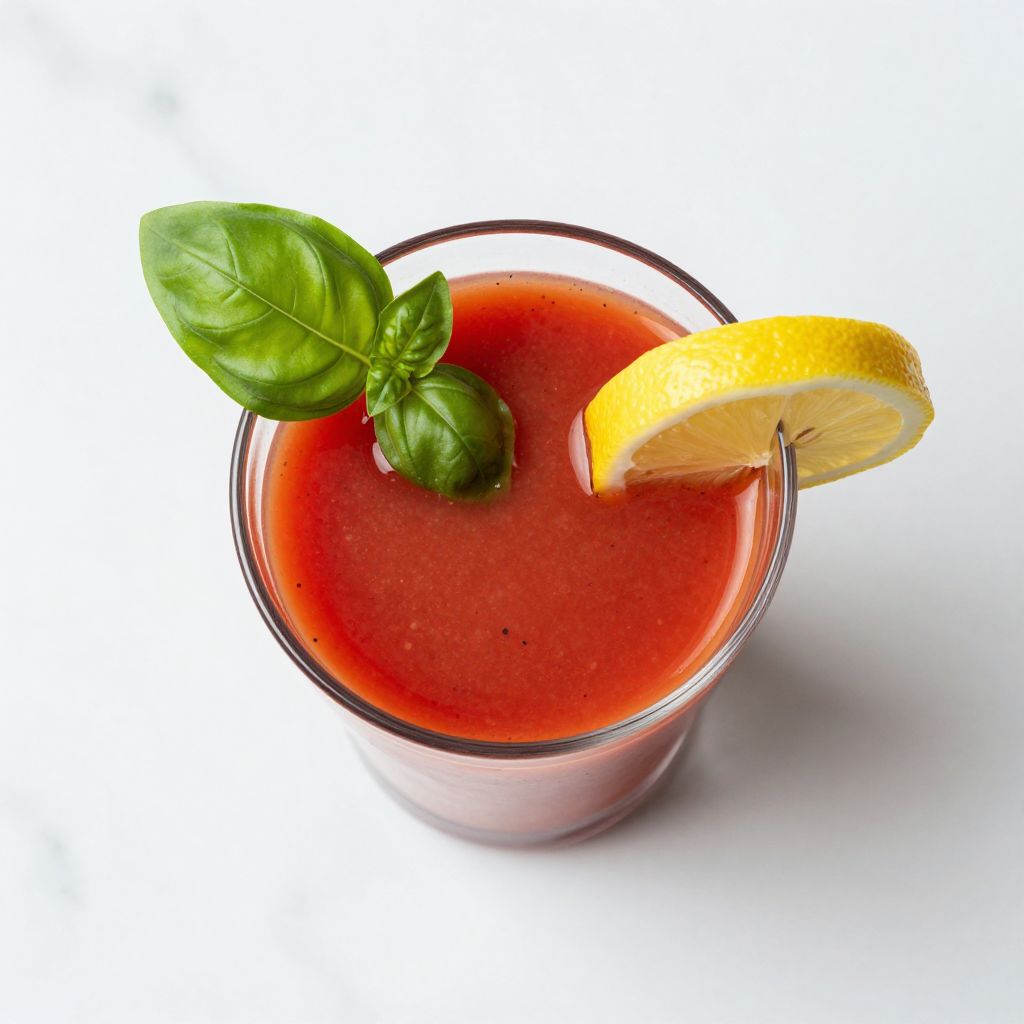
- Serve ice-cold as a refreshing non-alcoholic beverage with a squeeze of fresh lemon and a basil leaf
- Use as the base for classic Bloody Marys, adding vodka, Worcestershire sauce, hot sauce, and fresh horseradish
- Pour into gazpacho recipes for a deeply flavorful, summery soup
- Mix with vegetable broth and serve warm as a comforting tomato soup alternative
- Combine with sparkling water and a splash of balsamic vinegar for an elegant aperitif
Variations to Try
- Spicy Tomato Juice: Add diced jalapenos or Thai chilies during the cooking step, then strain as normal for juice with a pleasant kick that builds on the palate.
- Herbed Version: Steep fresh tarragon, thyme, or oregano in the hot juice for 10 minutes, then strain out the herbs for subtle flavor complexity without visible particles.
- Garlic-Forward Juice: Roast whole garlic cloves alongside the tomatoes before processing to add deep, sweet garlic notes that work beautifully in savory drinks.
- Carrot Tomato Blend: Add two or three fresh carrots (chopped) to the pot with the tomatoes, which brings natural sweetness and a silkier texture to the final juice.
- Celery Infused Version: Cook chopped celery with the tomatoes for an extra savory dimension that makes incredible base for Bloody Marys.
Dietary Adaptations
- Gluten-Free: This recipe is naturally gluten-free with no modifications needed, making it perfect for anyone avoiding gluten.
- Dairy-Free: The juice contains zero dairy products and works as is for dairy-free diets without any substitutions.
- Vegan and Vegetarian: Fresh tomato juice is completely plant-based and suitable for both vegan and vegetarian eating styles straight from the recipe.
- Low-Carb and Keto: Tomato juice contains about 8 grams of carbs per cup, making it moderate for strict keto but acceptable for flexible low-carb approaches.
Storage and Reheating
Refrigerator
Store your fresh tomato juice in airtight glass jars on the coldest shelf of your refrigerator, where it keeps for up to one week. The juice may separate slightly, which is normal; simply shake the jar before serving.
- Keep the jar tightly sealed to prevent oxidation
- Store away from strong-smelling foods, as tomato juice absorbs odors easily
- Check for any signs of fermentation or off smells before drinking
Freezer
Tomato juice freezes beautifully for up to three months in glass jars, leaving about an inch of headspace to account for expansion. Thaw overnight in the refrigerator before using.
- Leave adequate headspace to prevent the jar from cracking during freezing
- Label jars with the date so you use oldest batches first
- Quart-sized jars thaw faster than larger containers
Reheating
If using the juice in a hot application like soup or a warm drink, simply pour the thawed juice into a pot and heat gently over medium heat until steaming. Never boil the juice after thawing, as high heat can degrade the fresh flavor.
- Heat slowly to preserve fresh tomato flavor
- Taste and re-season if needed, as flavors can change slightly after freezing
- Use frozen juice directly in cooked dishes without thawing
Nutrition Information
| Nutrient | Amount |
|---|---|
| Calories | 35 |
| Total Fat | 0.3g |
| Saturated Fat | 0g |
| Carbohydrates | 8g |
| Fiber | 1.5g |
| Sugar | 5g |
| Protein | 1.5g |
| Sodium | 280mg |
| Cholesterol | 0mg |
These values are approximate and based on standard medium tomatoes and the seasonings listed in the recipe. Nutrition will vary slightly depending on tomato variety and the specific amount of salt and seasonings you use.
Frequently Asked Questions
Can I make tomato juice without a food mill?
Absolutely, a fine mesh strainer lined with cheesecloth works well, though it takes more time and physical effort. Push the cooked tomato mixture through gently using the back of a wooden spoon, working in batches for best results.
How long will fresh tomato juice keep in the refrigerator?
Properly stored in airtight glass jars on the coldest shelf, fresh tomato juice keeps for up to one week before flavor starts to decline. For longer storage, freezing is your best option.
Can I skip the cooking step and just blend raw tomatoes?
You can, but the juice will taste thinner and less flavorful than cooked tomato juice, with a grainier texture. Cooking concentrates the tomato flavor and makes processing much easier.
What’s the best way to serve fresh tomato juice to guests?
Chill the juice thoroughly, serve in tall glasses over ice, and garnish with fresh basil leaves and a lemon wedge for an impressive presentation. Offering vodka and Bloody Mary fixings on the side lets guests customize their own cocktails.
Can I use canned tomatoes instead of fresh ones?
While you can, the result won’t have the same bright, summery taste as juice made from fresh ripe tomatoes. Canned tomatoes work better for long-cooked sauces where that concentrated, cooked flavor is actually desirable.
What’s the difference between tomato juice and tomato puree?
Tomato juice is thin and drinkable, strained to remove all solids, while puree is thick and concentrated from cooking down the juice. You can make puree by simmering your finished juice over low heat for several hours until it reduces and thickens significantly.
Final Thoughts
Making your own tomato juice transforms the simple act of drinking juice into something genuinely special, capturing the essence of summer in a glass. Once you taste the difference between homemade and store-bought, you’ll understand why making it from scratch is absolutely worth your time.
Head to your farmer’s market at peak tomato season, grab whatever looks best, and make a batch that you can freeze and enjoy for months. Your future self will thank you every time you pour a glass of bright, fresh, homemade tomato juice.
Fresh Tomato Juice
Ingredients
Equipment
Method
- Rinse your tomatoes under cool running water and pat them dry with a clean towel. Remove the stem end from each tomato by cutting a small circle around the core, then discard any bruised or damaged sections.
- Cut each tomato into quarters, working over a large bowl to catch any juices that run out. Aim for roughly equal-sized pieces so they cook evenly.
- Transfer the chopped tomatoes and any collected juices into your large pot. Add them gradually so the pot doesn't overflow, stirring occasionally as the tomatoes begin to release more liquid.
- Turn the heat to medium-high and bring the tomatoes to a gentle simmer, stirring occasionally to prevent sticking on the bottom. This process takes about 10 minutes and allows the tomatoes to soften and break down.
- Simmer the tomatoes for another 15 to 20 minutes, stirring every few minutes, until they're completely broken down and appear almost mushy. The mixture will become darker and more concentrated as the water content reduces slightly.
- Working in batches, pour the cooked tomato mixture through a food mill fitted with the finest disk, catching the juice in a large bowl below. If you don't have a food mill, pour the mixture through a fine mesh strainer lined with cheesecloth, pressing gently on the solids with the back of a wooden spoon. Save the juice and discard the seeds and skins left behind.
- Pour the strained juice into a clean pot and add the kosher salt, black pepper, and lemon juice. Stir well and taste the juice, adjusting the seasonings as needed by adding more salt for depth, more lemon for brightness, or a tiny pinch of cayenne for subtle heat.
- For silky-smooth juice, pour the seasoned liquid through a fine mesh strainer one more time, which removes any remaining fine particles. This step is optional if you prefer a thicker consistency with more body.
- Let the juice cool to room temperature, then transfer it to clean glass jars with tight-fitting lids. Store in the refrigerator immediately if drinking within one week, or freeze for longer storage.