
That moment when the barista hands you a perfectly whisked matcha latte with a delicate layer of foam is pure magic, but what if you could recreate it at home without the coffee shop price tag?
Matcha coffee bridges two beloved worlds: the earthy, grassy notes of ceremonial-grade matcha and the rich boldness of espresso or strong coffee. This drink delivers a smooth caffeine boost with sustained energy (no jitters, thank you very much) and tastes like a cozy hug in a mug.
Making it is easier than you think, takes just five minutes, and actually tastes better when you control the ingredients yourself. Whether you prefer it hot or iced, this recipe adapts beautifully to your mood.
Why You’ll Love This Recipe
This drink offers the best of both worlds: the smooth, complex flavors of matcha paired with the familiar comfort of coffee. You get sustained energy without the crash, and it tastes restaurant-quality but costs a fraction of the price.
- Smooth, creamy texture without any grittiness if prepared correctly
- Natural energy boost that lasts hours without the jittery feeling
- Takes less than five minutes from start to finish
- Works hot, iced, or blended depending on your preference
- Packed with antioxidants from both matcha and coffee
My Experience Making This Recipe
I first tried this drink at a trendy cafe in Portland and immediately became obsessed. The barista whisked the matcha so skillfully that it created this perfect pale-green foam, and when they poured the espresso underneath, the colors swirled together beautifully.
My first attempt at home was honestly a disaster: I used tap water that was too hot, clumped the matcha powder, and ended up with something that tasted gritty and bitter. After some trial and error (and yes, some YouTube videos), I cracked the code.
Now I make this at least three times a week, and my friends have started asking for the recipe. The key is respecting the matcha whisking process and not rushing the temperature; these small steps transform the whole experience.
Recipe Overview
- Recipe Name: Matcha Coffee
- Servings: 1
- Prep Time: 3 minutes
- Brew Time: 2 minutes
- Total Time: 5 minutes
- Course: Beverage
- Cuisine: Fusion (Japanese and Western)
- Calories per Serving: 95
Equipment You Will Need
- Electric kettle or stovetop kettle
- Matcha whisk (bamboo chasen) or small whisk
- Small bowl or matcha bowl (chawan)
- Measuring spoons
- Mug or cup
- Espresso machine or strong brewed coffee
- Milk frother (optional, for extra creaminess)
- Thermometer (helpful for precision)
Ingredients for Matcha Coffee
- 1 teaspoon ceremonial-grade matcha powder
- 3 ounces hot water (between 160 and 170 degrees Fahrenheit)
- 1 shot espresso (or 1 ounce strong brewed coffee)
- 6 ounces milk of choice (dairy, oat, or almond)
- 1/2 teaspoon honey or agave nectar (optional, to taste)
- Pinch of sea salt (optional, brings out matcha flavor)
Ingredient Notes and Substitutions
- Ceremonial-grade matcha: This fine powder whisks smoothly and tastes bright and grassy; culinary-grade matcha works if that’s what you have, but the flavor is earthier and more bitter. Substitute with a pinch of green tea powder in a pinch, though the texture and taste will differ slightly.
- Hot water at precise temperature: Water hotter than 170 degrees makes matcha taste bitter and destroys the antioxidants; cooler water won’t dissolve the powder properly. If you don’t have a thermometer, let boiling water cool for about three minutes before whisking.
- Espresso or strong coffee: Espresso gives the richest flavor and blends seamlessly with matcha. Brewed coffee works fine, but use a dark roast for better depth; instant coffee is acceptable if necessary but less smooth.
- Milk of choice: Whole milk froths best and creates the silkiest texture. Oat milk froths beautifully and complements matcha’s earthiness, while almond milk is lighter; coconut milk adds a tropical note.
- Honey or agave: These natural sweeteners dissolve in hot liquid without grittiness. Maple syrup or simple syrup work just as well; skip it entirely if you prefer unsweetened.
How to Make Matcha Coffee
Step 1: Heat Your Water to the Right Temperature
Boil water in your kettle, then let it cool to between 160 and 170 degrees Fahrenheit. This temperature range is critical because matcha’s delicate flavor compounds break down in boiling water, and you want to preserve both taste and nutritional benefits.
Step 2: Measure Out Your Matcha Powder
Pour 1 teaspoon of ceremonial-grade matcha into a small bowl or matcha bowl. Use a measuring spoon rather than eyeballing it, since the ratio of powder to water affects both flavor intensity and how well the matcha whisks into a smooth suspension.
Step 3: Add a Splash of Water to the Matcha
Pour just 1 ounce of your hot water into the bowl with the matcha powder. This creates a paste that prevents lumps when you whisk, a trick that makes all the difference between silky and gritty.
Step 4: Whisk Until Smooth and Frothy
Using a bamboo matcha whisk or small whisk, whisk the matcha paste in an M or W motion for about 30 seconds until you see a pale-green foam on top and no visible powder clumps. The whisking incorporates air and dissolves the powder evenly, creating that signature creamy texture.
Step 5: Add Remaining Hot Water
Pour the remaining 2 ounces of hot water into the matcha mixture and stir gently to combine. This tops off your matcha base to 3 ounces total, which is the standard proportion for a balanced drink.
Step 6: Brew or Prepare Your Coffee
While your matcha sits, pull a shot of espresso or brew 1 ounce of very strong coffee. Espresso is ideal because it’s concentrated and hot, which helps it blend seamlessly with the matcha without cooling the drink too much.
Step 7: Warm and Froth Your Milk
Pour 6 ounces of milk into a separate container and froth it using a steam wand, milk frother, or even a jar with a tight lid shaken vigorously for 20 seconds. Frothed milk creates that café-quality texture and adds a touch of elegance to your drink.
Step 8: Combine Everything in Your Mug
Pour the matcha base into a mug, then add the hot espresso shot, and finally pour the frothed milk on top. The order matters slightly for layering and visual appeal, but the real magic happens when all three components meld together with that first sip.
Step 9: Taste and Adjust Sweetness
Take a small sip and decide if you want sweetness. If so, stir in honey or agave nectar to taste, usually around 1/2 teaspoon, and add a tiny pinch of sea salt if you want to amplify the matcha’s natural grassiness.
Pro Tip: Never skip the water cooling step; boiling water turns matcha bitter and harsh, completely undoing all your careful work. Invest in a cheap thermometer if you don’t have one, because nailing that 160 to 170 degree range is the single biggest factor in making this taste like a professional barista made it.
Tips for the Best Matcha Coffee
- Use a fine mesh strainer to sift your matcha powder into the bowl before adding water; this removes tiny lumps that won’t dissolve and guarantees a smoother drink.
- Froth your milk right before serving so the foam stays thick and creamy rather than deflating into flat milk.
- Buy ceremonial-grade matcha from a reputable source and store it in an airtight container in a cool, dark place; it loses vibrancy and flavor when exposed to light and air.
- Experiment with different milk types; oat milk brings out matcha’s sweetness, while coconut milk creates an entirely different flavor profile that’s equally delicious.
- Make this drink ahead by preparing the matcha base and espresso separately, then combining them fresh when you’re ready to add the milk.
- Chill all components if making an iced version; pour the chilled matcha and espresso over ice, then add cold milk for a refreshing summer drink.
Common Mistakes to Avoid
- Using boiling water directly on matcha burns the powder and creates a bitter, astringent taste that no amount of milk can mask. Always let your water cool first.
- Skipping the initial matcha paste step leads to clumps floating in your drink, which feels gritty on your tongue and ruins the silky mouthfeel you’re after.
- Using culinary-grade matcha instead of ceremonial-grade results in a noticeably earthier, more vegetal flavor that doesn’t blend as smoothly with coffee. The cost difference is small, so invest in the good stuff.
- Adding cold milk to a hot matcha-espresso base cools the drink too quickly and can cause the matcha to separate. Always warm your milk slightly or froth it with steam.
- Letting your matcha sit for more than 10 minutes before drinking allows the powder to settle and separate from the liquid, making the bottom half grainy and the top half watery.
Serving Suggestions
This drink shines on its own, but pairing it with the right foods makes the experience even better. The earthy matcha and bold espresso complement both sweet and savory breakfast items beautifully.
- Serve alongside a buttery croissant or flaky pastry to contrast the drink’s herbal notes
- Pair with avocado toast on whole grain bread for a grounding, nutrient-dense breakfast
- Enjoy with a slice of lemon cake or matcha-flavored dessert for a cohesive tea ceremony vibe
- Serve with scrambled eggs and toast for a savory morning meal that balances the drink’s sweetness
- Combine with fresh fruit like berries or melon for a light, refreshing complement
Variations to Try
- Iced Matcha Coffee: Chill all components and pour over ice for a refreshing summer drink that tastes crisp and energizing. The cold temperature actually mellows the matcha’s earthiness slightly, making it taste smoother.
- Matcha Latte With Vanilla: Add 1/4 teaspoon vanilla extract or a vanilla bean paste to your matcha base before whisking. Vanilla adds a subtle sweetness and creates a cozier, more dessert-like flavor profile.
- Extra Strong Version: Use two espresso shots instead of one for an intense coffee flavor that stands up to matcha’s boldness. This version delivers more caffeine and creates a more balanced coffee-to-matcha ratio.
- Matcha With Coconut Milk: Substitute coconut milk for dairy or plant-based options to create a tropical, slightly sweet version. The coconut adds richness and complements matcha’s earthiness in an unexpected way.
- Cold Brew Coffee Base: Replace espresso with cold brew concentrate for a smoother, less bitter coffee element. This variation is perfect if you don’t have an espresso machine or prefer milder coffee flavors.
Dietary Adaptations
- Vegan: This recipe is already vegan if you use plant-based milk and skip the honey; substitute agave nectar or maple syrup for any sweetener. There is no trade-off in flavor or texture when using quality oat or almond milk.
- Dairy-Free: Use any non-dairy milk like oat, almond, coconut, or soy milk in place of regular milk. Oat milk froths best and creates the creamiest mouthfeel closest to dairy.
- Low-Carb or Keto: Skip the sweetener entirely or use a keto-friendly option like erythritol or stevia. The drink remains satisfying and energizing without the added carbs, though it tastes more bitter.
- Gluten-Free: This recipe is naturally gluten-free as written since matcha powder and coffee contain no gluten. Always verify that your matcha brand is certified gluten-free if you have celiac disease or severe sensitivity.
Storage and Reheating
Refrigerator
Store leftover matcha and coffee separately in airtight containers for up to three days. The matcha powder can separate from liquid over time, so give it a good stir before using it again, and the espresso tastes fresh for about 48 hours.
- Keep matcha powder in an airtight, opaque container away from light
- Store brewed espresso in a sealed glass container in the back of the fridge
- Keep milk in its original container or a sealed pitcher
Freezer
Freezing isn’t ideal for this drink since matcha and coffee oxidize and lose flavor, but you can freeze matcha powder in an airtight container for several months. Frozen espresso can be used for iced versions but tastes noticeably less fresh when thawed.
- Freeze matcha powder in small, airtight portions for longer storage
- Don’t freeze prepared matcha base or espresso unless making iced drinks
Reheating
Reheat leftover matcha-coffee base gently in the microwave or on the stovetop without boiling, since high heat damages the matcha’s delicate compounds. Add fresh hot milk and a quick whisk to restore the creamy texture before serving.
- Microwave for 45 to 60 seconds, stirring halfway through
- Warm on the stovetop over medium heat, whisking occasionally
- Avoid boiling, which makes the drink taste bitter
Nutrition Information
| Nutrient | Amount |
|---|---|
| Calories | 95 |
| Total Fat | 2.5g |
| Saturated Fat | 1.5g |
| Carbohydrates | 8g |
| Fiber | 0.5g |
| Sugar | 6g |
| Protein | 4g |
| Sodium | 105mg |
| Cholesterol | 10mg |
These values are approximate and based on using whole milk and one shot of espresso without added sweetener. Using plant-based milk will slightly lower the calorie count and cholesterol.
Frequently Asked Questions
Can I make matcha coffee without an espresso machine?
Yes, absolutely. Use strongly brewed coffee instead of espresso; a French press, pour-over, or even instant coffee works fine. The flavor profile shifts slightly toward coffee instead of espresso, but it still tastes delicious and balanced.
Why is my matcha gritty and clumpy?
This happens when water is too hot, when you skip the matcha paste step, or when you’re using low-quality matcha powder. Fix it by always using 160 to 170 degree water, whisking a paste first, and investing in ceremonial-grade matcha from a trusted source.
Can I make this ahead and store it?
You can prepare the matcha base and espresso separately a few hours ahead, then combine them fresh with hot milk right before serving. Mixing everything together and letting it sit causes the matcha to separate and the drink to taste flat.
What’s the difference between matcha and green tea powder?
Matcha is a finely ground whole leaf tea that whisks into a smooth suspension, while green tea powder is a coarser powder made from crushed dried leaves. Matcha has a brighter, more delicate flavor and creates a creamier texture when whisked properly.
Is matcha coffee better hot or iced?
Both versions are delicious; hot matcha coffee tastes richer and more comforting, while iced matcha coffee tastes brighter and more refreshing. Choose based on the weather and your mood rather than thinking one is objectively better.
How much caffeine is in matcha coffee?
One serving contains roughly 70 to 80mg of caffeine from the matcha plus 65 to 75mg from the espresso, totaling about 150mg per drink. This is less than a typical cup of coffee but more than a regular green tea, and the energy release is slower and steadier than coffee alone.
Can I use instant matcha packets?
Instant matcha packets contain sweeteners, milk powder, and additives that change the flavor and nutrition profile significantly. They’re convenient but taste notably different from fresh matcha whisked with plain ingredients; use them only if that’s all you have on hand.
Final Thoughts
Making matcha coffee at home is genuinely easier than buying it, tastes better when you control the ingredients, and costs a fraction of what you’d spend at a cafe. Once you nail the technique, you can whip this up in five minutes any morning.
Try this recipe this week and discover how a simple combination of two beloved drinks creates something entirely new and delicious. You might just find yourself making it every single day like I do.
Explore More Matcha Creations
Now that you’ve mastered the basics, consider exploring other matcha and coffee combinations that might excite your taste buds.
Try a strawberry matcha recipe to add fruity sweetness to your matcha routine. For something more adventurous, experiment with a matcha martini recipe when you want to blend this drink with your favorite evening cocktails.
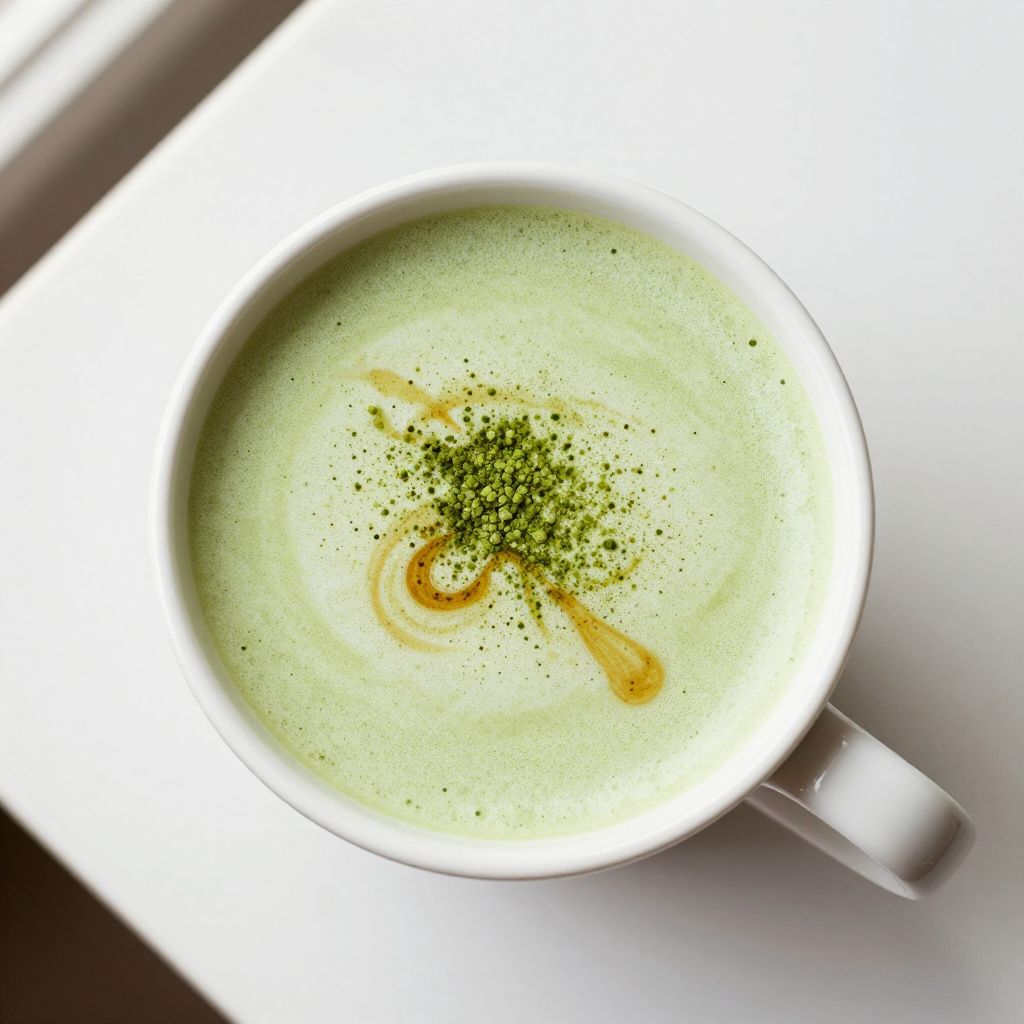
Matcha Coffee
Ingredients
Equipment
Method
- Heat water and let it cool to 160–170°F.
- Measure 1 teaspoon matcha powder into a small bowl.
- Add 1 ounce of hot water to the matcha to form a smooth paste.
- Whisk the matcha paste in an M or W motion for about 30 seconds until frothy.
- Add the remaining 2 ounces of hot water and stir gently.
- Pull a shot of espresso or brew 1 ounce of strong coffee.
- Warm and froth 6 ounces of milk using a frother or steam wand.
- Pour the matcha base into a mug, add espresso, then top with frothed milk.
- Stir in honey or agave and a pinch of sea salt to taste.