
There’s something deeply comforting about sipping a warm cup of barley tea on a quiet afternoon, the kind of ritual that feels both simple and restorative at once. This toasted grain beverage has been a staple in East Asian cuisines for centuries, and once you taste its subtle, slightly nutty warmth, you’ll understand why it has stayed popular for so long.
Barley tea is refreshingly easy to make, requires just a handful of ingredients, and works beautifully hot or cold. Whether you’re looking for a caffeine-free alternative to coffee or simply craving something different, this recipe delivers comfort in a cup without any fuss.
Why You’ll Love This Recipe
This recipe shines because it’s quick, affordable, and genuinely delicious. You get a naturally sweet, toasty flavor that feels indulgent without any added sugar or complicated steps.
- Naturally caffeine-free, so you can sip it anytime without disrupting sleep
- Roasted barley creates a rich, nutty depth that’s hard to replicate with store-bought versions
- Ready to drink in minutes once you’ve roasted the barley
- Budget-friendly and uses whole grains you likely already have on hand
- Delicious hot, iced, or even blended into smoothies for a grain-forward twist
My Experience Making This Recipe
The first time I made barley tea from scratch, I was skeptical about whether roasting barley in my kitchen would really make a difference. Within moments of the grains hitting the hot pan, my entire apartment smelled like a toasted grain bakery, and I was hooked.
I served it to a friend who swears by bottled versions, and she was surprised at how much more flavorful homemade barley tea tasted. The roasted grains created a depth that felt almost like drinking liquid caramel, without any of the heaviness or sweetness.
Now I make big batches and keep them in my fridge for those moments when I need something warm and soothing but don’t want caffeine. It’s become my go-to drink when I’m reading or working from home.
Recipe Overview
- Recipe Name: Barley Tea
- Servings: 4 servings
- Prep Time: 5 minutes
- Cook Time: 15 minutes
- Total Time: 20 minutes
- Course: Beverage
- Cuisine: East Asian
- Calories per Serving: 45
Equipment You Will Need
- Heavy-bottomed skillet or frying pan
- Wooden spoon for stirring
- Fine-mesh strainer or cheesecloth
- Kettle or pot for boiling water
- Measuring spoons and cups
- Serving cups or teapot
Ingredients for Barley Tea
- Pearl barley, 1/2 cup
- Water, 4 cups
- Sea salt, 1 pinch (optional, enhances flavor)
Ingredient Notes and Substitutions
- Pearl barley provides a tender, slightly sweet grain that toasts evenly and releases its nutty flavors beautifully. If you cannot find pearl barley, hulled barley works but may require slightly longer toasting and have a chewier texture.
- Filtered water produces the cleanest-tasting tea without competing mineral or chlorine notes. Tap water works fine if that’s what you have available, though the subtle flavors may be slightly masked.
- A tiny pinch of sea salt brightens the natural sweetness of the barley without making the tea taste salty. This step is entirely optional, and many people skip it for a completely neutral flavor profile.
How to Make Barley Tea
Step 1: Measure and Rinse the Barley
Pour 1/2 cup of pearl barley into a fine-mesh strainer and rinse under cool running water for about 30 seconds. This removes any dust or debris from the grains and helps them toast more evenly in the next step.
Step 2: Toast the Barley in a Dry Skillet
Heat a heavy-bottomed skillet over medium heat for 1 minute, then add the rinsed barley. Stir constantly with a wooden spoon, making sure every grain makes contact with the hot pan surface.
You’re toasting the barley to unlock its nutty flavors and deepen its color. This step is non-negotiable for homemade barley tea because it transforms plain grain into something with real character and depth.
Step 3: Listen and Smell for Readiness
Continue stirring for 8 to 10 minutes until the barley turns a rich golden to medium brown color. You’ll notice the kitchen filling with a toasty, warm aroma that smells like freshly baked bread.
Don’t walk away during this step because barley can burn quickly once it starts darkening. Medium heat and constant attention ensure even roasting without any charred or bitter grains.
Step 4: Transfer to a Heat-Safe Bowl
Pour the toasted barley into a heat-safe bowl and let it cool for 2 to 3 minutes. This prevents the hot grains from cracking if you pour cold water over them immediately and allows residual heat to continue deepening the flavors slightly.
Step 5: Boil Fresh Water
While the barley cools, bring 4 cups of water to a rolling boil in a kettle or pot. Using freshly boiled water ensures maximum flavor extraction from the toasted grains.
Step 6: Combine Barley and Hot Water
Pour the boiling water over the cooled barley in a heatproof bowl or teapot. If desired, add a small pinch of sea salt to enhance the natural sweetness and round out the flavors.
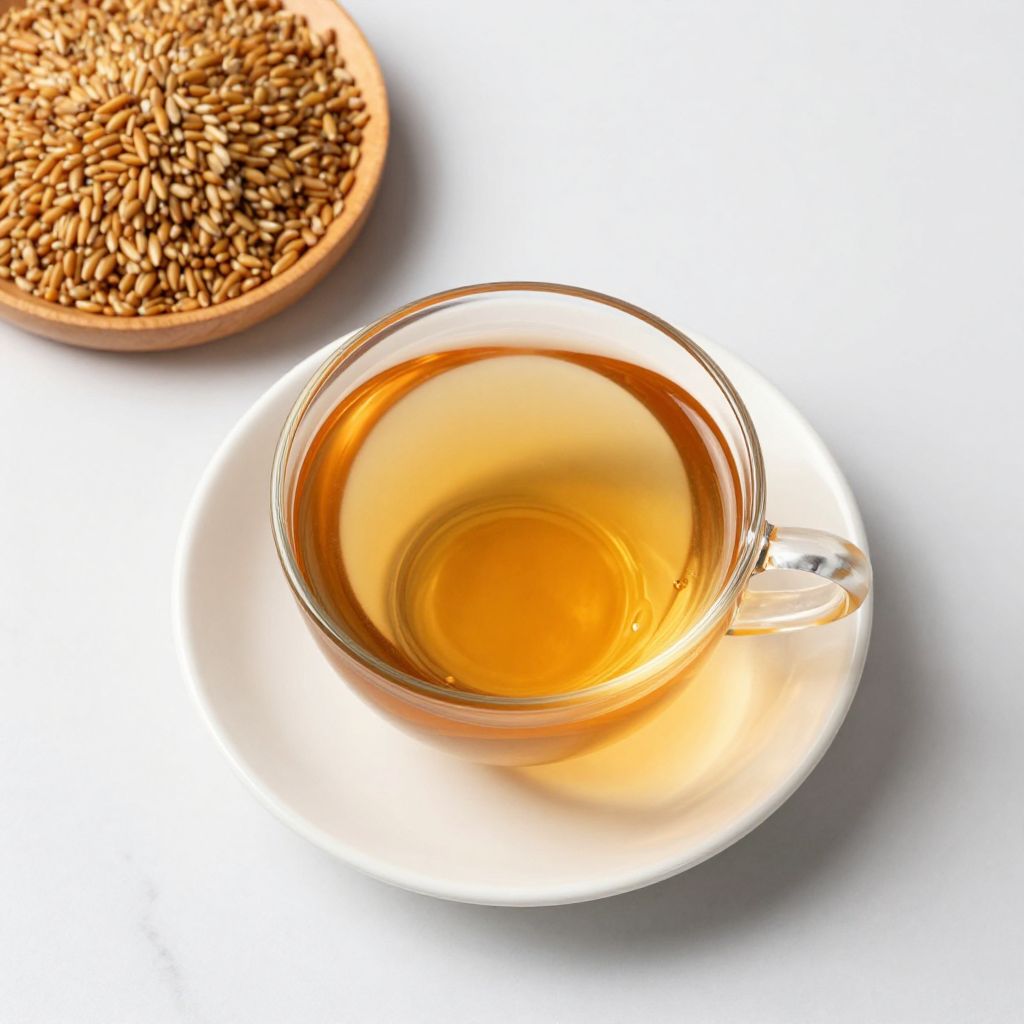
The hot water will immediately start drawing out the roasted grain’s flavors, turning the liquid a pale golden or amber color within seconds.
Step 7: Steep for Flavor Development
Let the barley steep in the hot water for 5 minutes to allow the toasted grain flavor to fully infuse into the liquid. You can steep longer if you prefer a deeper, more intense flavor, but 5 minutes hits the sweet spot for most palates.
Step 8: Strain and Serve
Pour the barley tea through a fine-mesh strainer or cheesecloth into cups or a clean pitcher, leaving the grain solids behind. The tea should be clear with a warm golden or amber hue.
Serve immediately while hot, or let it cool and refrigerate for iced barley tea that tastes equally delicious. The barley solids can be composted or discarded.
Pro Tip: Toast a larger batch of barley (2 to 3 cups) at once and store it in an airtight glass jar for up to three months, then brew fresh tea anytime you want without waiting for the toasting step.
Tips for the Best Barley Tea
- Toast the barley over medium heat rather than high heat to avoid burning the outer grains while the insides stay pale. Even browning develops balanced, complex flavors instead of bitter burnt notes.
- Stir constantly during toasting to ensure every grain makes contact with the hot pan. This prevents some grains from burning while others remain untoasted and pale.
- Use a fine-mesh strainer for cleaner tea without any grain particles floating in your cup. Cheesecloth works too, but a strainer offers quicker, easier cleanup.
- Taste the barley tea before sweetening it because the toasted grain already carries natural sweetness that many people find satisfying on its own. If you do want sweetness, a touch of honey or agave complements the roasted flavors beautifully.
- Don’t discard leftover barley solids if you have a garden or compost bin because they break down quickly and add nutrients back to soil.
- Make barley tea in a teapot for a more elegant presentation and easier temperature control if you’re serving multiple people.
Common Mistakes to Avoid
- Rushing the toasting step by turning heat too high causes the barley to burn on the outside while staying pale inside, creating bitter, unpleasant flavors that ruin the entire batch. Patience and medium heat guarantee even, perfect roasting.
- Skipping the rinse step leaves dust and debris in the final tea, creating a gritty mouthfeel and cloudy appearance. A quick 30-second rinse makes a noticeable difference in clarity and taste.
- Over-steeping past 10 minutes can make the tea taste overly strong or slightly astringent, especially if you prefer a more delicate, balanced flavor. Most people find 5 to 7 minutes hits the ideal strength.
- Using barley that’s already been roasted or “quick-cook” barley produces weak, dull tea because the flavor has already been extracted or reduced during processing. Raw pearl barley delivers the best, freshest toasted grain flavor.
- Forgetting to cool the toasted barley before pouring boiling water can cause the grains to crack or develop off-flavors from rapid temperature shock. A few minutes rest prevents this minor but noticeable issue.
Serving Suggestions
Barley tea works beautifully as a standalone sip, but it also pairs wonderfully with light snacks and meals that let its subtle flavors shine. Think of it as your new go-to beverage for afternoon reading, work sessions, or quiet mornings.
- Serve hot alongside sesame crackers, rice cakes, or shortbread cookies for a cozy afternoon snack
- Chill and serve over ice with a squeeze of fresh lemon for a refreshing, lighter version perfect for warm weather
- Pair with light Asian dishes like steamed dumplings, noodle soups, or simple grilled fish where it cleanses the palate between bites
- Blend chilled barley tea into smoothie bowls with yogurt, granola, and fruit for added depth and nuttiness
- Serve at the end of a meal as a caffeine-free digestif that feels elegant without any fuss
Variations to Try
- Add a 2-inch piece of fresh ginger sliced thin to the steeping water for warming spice and digestive support. This variation transforms barley tea into something more medicinal and complex, perfect for cold days or upset stomachs.
- Toast a small handful of dried chrysanthemum flowers with the barley or add them after steeping for floral notes and additional health benefits. The flowers create a more delicate, tea-like experience that appeals to those seeking something lighter.
- Mix equal parts cooled barley tea with unsweetened almond milk and a touch of honey for a creamy, latte-style beverage. This turns barley tea into something richer and more indulgent for those who prefer creamier drinks.
- Combine barley tea with other toasted grains like brown rice or roasted corn for a multi-grain blend with even more complex flavors. This variation stretches your toasted grain supply further while adding interesting textural variety.
- Infuse the steeping barley tea with a cinnamon stick and a few whole cloves for warm spice notes reminiscent of chai but without the dairy or traditional tea. This variation appeals to chai lovers seeking a lighter, grain-based alternative.
Dietary Adaptations
- Gluten-free: Pearl barley contains gluten, so swap it for roasted buckwheat groats or millet for a similar toasty flavor profile without gluten concerns. The taste differs slightly but still delivers warm, comforting grain tea vibes.
- Dairy-free: Barley tea is naturally dairy-free as written. If you’re adding milk, use any plant-based milk like oat, almond, or coconut milk as your base instead of dairy.
- Vegan: This recipe is completely vegan as written without any animal products. Pair it with vegan snacks if you’re serving it as part of a larger meal.
- Low-carb/Keto: Barley tea is fairly high in carbohydrates due to the grain content, so it’s not ideal for strict keto diets. Try roasted chicory root or roasted dandelion root as lower-carb alternatives with similar toasted grain vibes.
Storage and Reheating
Refrigerator
Store cooled barley tea in a sealed glass pitcher or container for up to 5 days. The flavor actually mellows and becomes smoother over time, which some people prefer to freshly brewed versions.
- Keep the tea away from strong-smelling foods because it can absorb odors from your fridge
- Stir before serving because sediment sometimes settles at the bottom
- Serve chilled over ice or reheat gently on the stovetop
Freezer
Barley tea freezes well in ice cube trays for up to three months, giving you ready-made portions for iced tea or smoothie bases. Frozen tea cubes thaw quickly and work beautifully in chilled drinks.
- Pour cooled tea into silicone ice cube trays for easy removal
- Transfer frozen cubes to freezer bags once solid to save space
- Use frozen cubes in smoothies or let them melt slowly in a cold glass for gradual cooling
Reheating
Gently warm refrigerated barley tea on the stovetop over low to medium heat, stirring occasionally to prevent hot spots. Avoid microwaving because it can create uneven heating and affect the delicate grain flavor.
- Heat slowly over 5 to 7 minutes rather than rapidly to preserve subtle flavors
- Don’t let the tea boil again because this can make it taste slightly bitter
- Taste and adjust with a pinch of salt if reheating seems to have muted the flavor
Nutrition Information
| Nutrient | Amount |
|---|---|
| Calories | 45 |
| Total Fat | 0.3g |
| Saturated Fat | 0.1g |
| Carbohydrates | 10g |
| Fiber | 2g |
| Sugar | 0.2g |
| Protein | 1.5g |
| Sodium | 15mg |
| Cholesterol | 0mg |
These values are estimates based on USDA data for pearl barley and may vary slightly depending on your specific ingredients and steeping time. Barley tea is naturally low in calories and fat, making it an excellent choice for anyone watching their intake.
Frequently Asked Questions
Can I use hulled barley instead of pearl barley?
Yes, hulled barley works but requires slightly longer toasting (10 to 12 minutes) because it’s less processed and takes longer to brown evenly. The resulting tea will be slightly earthier and chewier because hulled barley retains more bran.
How long does the barley stay good after toasting?
Toasted barley stored in an airtight glass jar at room temperature stays fresh for up to three months. Keep it away from direct sunlight and strong-smelling foods to maintain its toasted grain flavor.
Can I make barley tea overnight for cold brew?
Absolutely, cold steeping works beautifully and creates a smoother, less bitter tea. Simply add toasted barley to room-temperature water and refrigerate for 8 hours or overnight, then strain and serve chilled.
Why does my barley tea sometimes taste bitter?
Bitterness usually comes from over-toasting the barley (it turns too dark) or over-steeping past 10 minutes. Test your barley color before steeping and keep steeping time between 5 and 7 minutes for balanced, smooth flavor.
Is barley tea safe during pregnancy?
Barley tea is generally considered safe during pregnancy because it contains no caffeine and comes from a simple grain. Always check with your healthcare provider if you have specific concerns about any food or beverage.
Can children drink barley tea?
Yes, barley tea is safe and gentle for children and actually makes a nice caffeine-free alternative to juice or sugary drinks. Start with smaller portions to make sure your child enjoys the subtle flavor.
Final Thoughts
Making barley tea from scratch transforms a simple pantry grain into something warm, nourishing, and genuinely delicious. Once you’ve tasted homemade barley tea, store-bought versions will feel thin and flavorless by comparison.
Give this recipe a try this week and settle in with a steaming cup during your next quiet moment. You might find barley tea becomes your new favorite beverage, the kind you reach for again and again.
If you enjoy barley tea, explore more warming beverages from around the world by trying clove tea for aromatic spice, or discover the richness of chai tea concentrate for a more complex flavor experience. Both offer their own unique warmth and comfort.
Barley Tea
Ingredients
Equipment
Method
- Measure 1/2 cup pearl barley and rinse under cool running water for 30 seconds using a fine-mesh strainer.
- Heat a heavy-bottomed skillet over medium heat for 1 minute.
- Add the rinsed barley to the dry skillet and toast, stirring constantly for 8 to 10 minutes, until grains turn golden to medium brown and emit a toasty aroma.
- Transfer the toasted barley to a heat-safe bowl and let cool for 2 to 3 minutes.
- Bring 4 cups of water to a rolling boil in a kettle or pot.
- Pour the boiling water over the cooled barley in a heatproof bowl or teapot and add a pinch of sea salt if desired.
- Allow the barley to steep in the hot water for 5 minutes to fully develop flavor.
- Strain the tea through a fine-mesh strainer or cheesecloth into cups or a pitcher, discarding the grains, and serve hot or let cool for iced tea.