
There’s a moment every morning when you’re caught between two worlds: you want the bold punch of espresso, but you also crave the smooth, velvety comfort of steamed milk. A cortado is that perfect middle ground, a drink that respects both coffee and milk equally.
This Spanish classic is refreshingly simple to master at home, requiring just two ingredients and a handful of technique. Once you understand the ratio and the milk-steaming fundamentals, you’ll make better cortados than most coffee shops.
Why You’ll Love This Recipe
The cortado strikes an ideal balance that appeals to espresso lovers and milk-coffee drinkers alike. It’s quick, requires minimal equipment, and tastes like a professional barista made it.
- Equal parts espresso and steamed milk create a naturally sweet, creamy drink without being milky.
- Takes under five minutes from start to finish, perfect for busy mornings.
- Uses basic espresso equipment you likely already own.
- The small serving size means you get intense flavor without caffeine overload.
- Far cheaper than ordering from a cafe when made at home.
My Experience Making This Recipe
I first tried a cortado at a small cafe in Barcelona, and I was immediately struck by how different it tasted from the cappuccinos and lattes I usually ordered. The milk didn’t disappear into the coffee or overshadow it; instead, they danced together.
When I started making cortados at home, I realized the magic came down to respecting the ratio and getting the milk texture right. Too much milk transforms it into something else entirely, and thin, bubbly foam ruins the whole experience.
Now I make cortados almost daily, and my friends have started asking for them when they visit. The best part is watching someone take that first sip and realizing how satisfying a simple drink can be when executed properly.
Recipe Overview
- Recipe Name: Cortado
- Servings: 1
- Prep Time: 2 minutes
- Cook Time: 3 minutes
- Total Time: 5 minutes
- Course: Beverage
- Cuisine: Spanish
- Calories per Serving: 40
Equipment You Will Need
- Espresso machine with a steam wand
- Espresso cup or small coffee cup (4 to 6 ounces)
- Metal milk pitcher (10 to 12 ounces)
- Kitchen scale (optional but helpful)
- Thermometer (optional but useful for learning)
- Grinder (if grinding beans fresh)
Ingredients for Cortado
- Espresso: 1 ounce (about 1 double shot)
- Whole milk: 1 ounce, steamed
Ingredient Notes and Substitutions
- Espresso grounds are finely ground coffee extracted under pressure, creating concentrated flavor and crema. You can substitute with very strong brewed coffee, though it won’t have the same body or crema layer.
- Whole milk froths best and creates the ideal microfoam texture for a cortado. Two-percent milk works acceptably but produces less velvety foam, while oat milk creates a thicker foam but may overpower the espresso.
How to Make Cortado
Step 1: Prepare Your Espresso Cup
Place your espresso cup on the drip tray of your espresso machine to warm it up. A cold cup will cool down your cortado quickly, killing the pleasant warmth and texture.
Step 2: Grind and Dose Your Coffee
Grind your espresso beans to a fine consistency, similar to table salt. Dose approximately 18 to 20 grams of grounds into your portafilter, adjusting based on your machine and desired strength.
Step 3: Tamp the Grounds
Apply firm, even pressure when tamping the grounds into the portafilter basket. Consistent tamping ensures even water distribution and prevents channeling, which would create weak, unevenly extracted espresso.
Step 4: Pull Your Espresso Shot
Insert the portafilter into the group head and start your shot. You want approximately 1 ounce of espresso, which typically takes 25 to 30 seconds to extract; the liquid should flow steadily and appear golden brown.
Step 5: Pour Milk Into Your Pitcher
Pour cold whole milk into your metal pitcher until it reaches about one-third full. Cold milk froths more effectively than room-temperature milk, creating better microfoam.
Step 6: Steam the Milk
Position the steam wand just below the milk surface to create a gentle whirlpool without generating excessive bubbles. Listen for a soft hissing sound rather than aggressive sputtering; this indicates proper steaming that creates silky microfoam instead of large, airy bubbles.
Step 7: Raise the Pitcher Slightly
As the milk expands and rises, slowly lower the pitcher so the steam wand stays positioned correctly. You’re aiming to heat the milk to around 150 to 155 degrees Fahrenheit, at which point it develops the best texture.
Step 8: Pour the Milk Into Your Espresso
Pour the steamed milk into your espresso cup, holding back the foam with a spoon so only microfoam tops your drink. The ideal ratio is one ounce espresso to one ounce steamed milk, creating a balanced, creamy cortado.
Pro Tip: The difference between a cortado and a cappuccino often comes down to foam ratio; use just a thin layer of microfoam on top, not the thick blanket you’d find in a cappuccino.
Tips for the Best Cortado
- Use fresh espresso beans roasted within the past two to three weeks for the brightest, most complex flavor. Stale beans taste flat and hollow.
- Clean your steam wand immediately after steaming to prevent milk buildup, which affects flavor and steam power on your next drink.
- Pre-warm your cup by rinsing it with hot water or leaving it on the machine’s drip tray. This keeps your cortado at the ideal drinking temperature longer.
- Keep your milk pitcher clean and dry inside; any water or milk residue affects microfoam quality.
- Invest in a small kitchen scale if you make cortados regularly; weighing espresso grounds and milk gives you consistency that eyeballing never will.
- Practice your milk steaming technique separately from pulling shots so you can focus on one skill at a time.
Common Mistakes to Avoid
- Using too much milk transforms your cortado into a flat white or macchiato, diluting the espresso flavor and defeating the purpose of the drink. Measure carefully and respect the one-to-one ratio.
- Creating large bubbles instead of microfoam makes the texture grainy and unpleasant, and the bubbles collapse within seconds. Keep your steam wand positioned correctly and use steady, gentle pressure.
- Pouring stale or poorly extracted espresso undermines everything else; your milk can’t rescue bad espresso. Always start with fresh beans and proper extraction.
- Letting your milk temperature exceed 160 degrees Fahrenheit burns the milk, creating a thin, scalded texture and bitter taste. Pull the pitcher away once it feels hot to touch.
- Using cold milk straight from the pitcher without steaming it creates a watery, unbalanced drink. The steaming process both heats and textures the milk.
Serving Suggestions
A cortado shines on its own but pairs beautifully with simple pastries that let the coffee flavor remain the star. Serve it in the morning for a balanced caffeine boost or after lunch when you want coffee without the heaviness of a full-size cappuccino.
- Pair with a buttery croissant for an elegant morning combination.
- Enjoy alongside a biscotti or hard cookie for dunking.
- Serve after a light breakfast when you want something more substantial than an espresso but less filling than a latte.
- Make it a midday ritual with a simple pastry or small cake.
Variations to Try
- Cortado with cinnamon: Add a light dusting of ground cinnamon on top for warmth and subtle spice that complements the coffee without overwhelming it.
- Cortado Bombón: Layer sweetened condensed milk at the bottom before pouring in your espresso and steamed milk for a sweeter, creamier drink popular in Spain.
- Cortado with flavored milk: Use vanilla-flavored milk instead of plain whole milk for a naturally sweet cortado without adding syrups.
- Cold cortado: Pull a double shot of espresso over ice, then add one ounce of cold milk and a touch of foam for a refreshing warm-weather version.
- Cortado with oat milk: Use oat milk for a nuttier, naturally sweet flavor that works especially well with single-origin light roast espresso.
Dietary Adaptations
- Gluten-free: Cortados are naturally gluten-free as long as your espresso beans haven’t been contaminated during roasting; verify with your bean supplier if sensitivity is severe.
- Dairy-free: Substitute with oat, almond, or soy milk that froths well; oat milk creates the closest texture to steamed whole milk.
- Vegan: Use dairy-free milk listed above; the drink remains identical in preparation.
- Low-carb or keto: A cortado made with whole milk contains minimal carbohydrates and fits easily into low-carb diets without modification.
Storage and Reheating
Refrigerator
Cortados don’t store well because the microfoam collapses and the milk separates from the espresso. If you must refrigerate leftover espresso and milk separately, do so for up to 24 hours.
- Store leftover espresso in an airtight container for up to 2 days.
- Keep leftover steamed milk in a sealed container for up to 3 days.
Freezer
Freezing a cortado is not recommended; the texture and separation make it undrinkable when thawed. Instead, freeze espresso in ice cube trays for later use in iced drinks.
- Freeze espresso shots in ice cube trays for up to 3 months.
- Do not freeze steamed milk, as it will separate and become grainy.
Reheating
Reheating a stored cortado by microwaving will destroy whatever foam structure remains and create uneven heating. It’s best to make a fresh cortado rather than reheat.
- If reheating is necessary, do so gently on the stovetop over low heat, stirring frequently.
- Never use the microwave, which creates hot spots and ruins the texture.
Nutrition Information
| Nutrient | Amount |
|---|---|
| Calories | 40 |
| Total Fat | 2.2g |
| Saturated Fat | 1.4g |
| Carbohydrates | 2.8g |
| Fiber | 0g |
| Sugar | 2.7g |
| Protein | 1.6g |
| Sodium | 25mg |
| Cholesterol | 7mg |
These values are approximate and based on standard whole milk and espresso extraction. Variations in bean origin, roast level, and milk brand may slightly adjust the nutrition profile.
Frequently Asked Questions
What’s the difference between a cortado and a macchiato?
A cortado is equal parts espresso and steamed milk, while a macchiato is mostly espresso with just a small dollop of foam on top. Macchiatos are smaller and more coffee-forward, whereas cortados balance both elements equally.
Can I make a cortado without an espresso machine?
You can approximate one using very strong brewed coffee and steamed milk, but the texture and crema won’t match a true espresso-based cortado. A Moka pot or AeroPress produces stronger coffee closer to espresso than standard drip machines.
How long can I let steamed milk sit before pouring?
Pour steamed milk into espresso within 10 to 15 seconds of steaming for best results. Beyond that, the microfoam begins to separate and collapse, degrading texture.
Why is my microfoam coming out grainy and bubbly?
Your steam wand is likely positioned too high above the milk surface, creating large bubbles instead of tiny foam. Position the wand just below the surface and maintain steady, gentle pressure for silky microfoam.
Is a cortado stronger than a latte?
A cortado contains more espresso relative to milk, making it taste stronger and more coffee-forward than a latte. Flavor intensity depends on your espresso quality and beans, but cortados typically deliver bolder coffee presence.
Can I use milk alternatives in a cortado?
Oat and soy milk steam reasonably well, though they may produce thicker foam than whole milk and add subtle flavor. Almond milk is harder to steam and can create an unpleasant grainy texture.
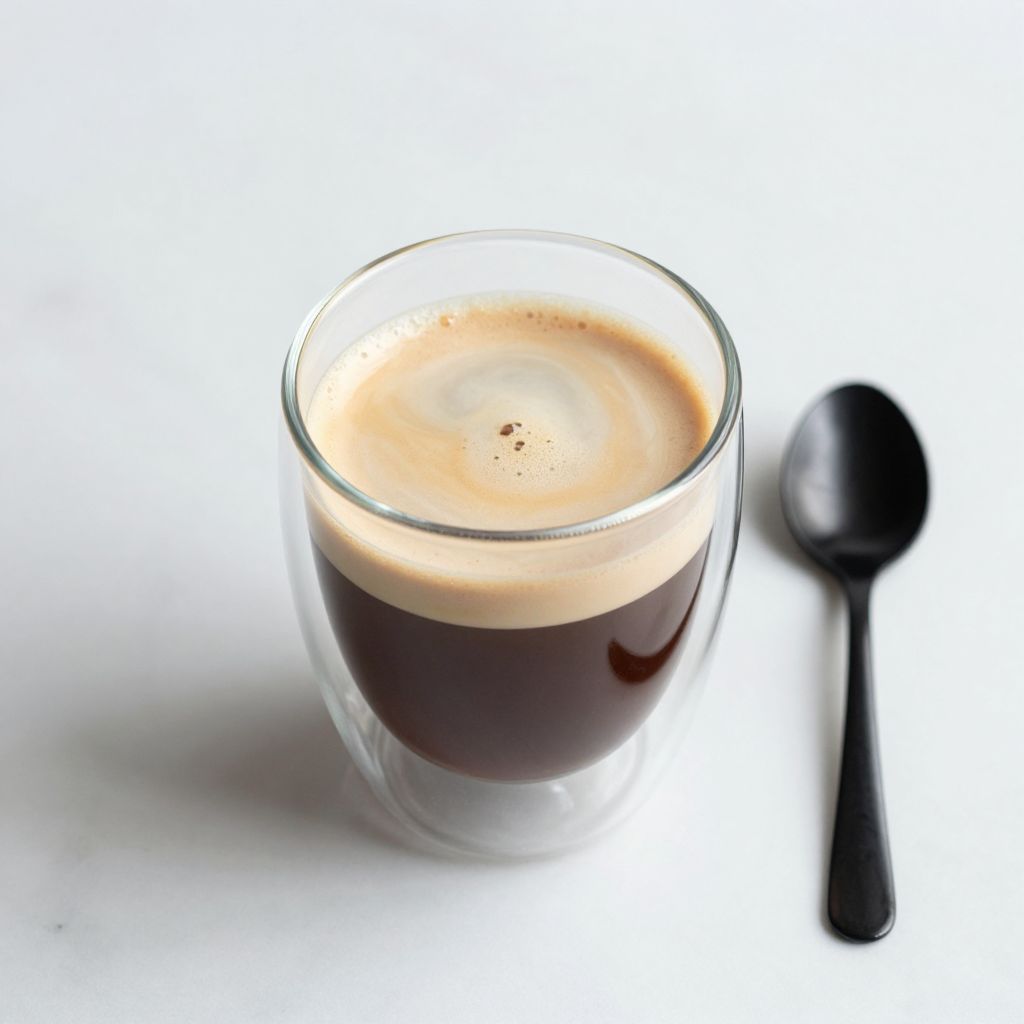
Cortado
Ingredients
Equipment
Method
- Place your espresso cup on the drip tray of your espresso machine to warm it up.
- Grind your espresso beans to a fine consistency, similar to table salt. Dose approximately 18 to 20 grams of grounds into your portafilter.
- Apply firm, even pressure when tamping the grounds into the portafilter basket.
- Insert the portafilter into the group head and start your shot. Extract approximately 1 ounce of espresso, which should take 25 to 30 seconds.
- Pour cold whole milk into your metal pitcher until it reaches about one-third full.
- Position the steam wand just below the milk surface to create a gentle whirlpool without generating excessive bubbles. Steam the milk to around 150 to 155 degrees Fahrenheit.
- As the milk expands and rises, slowly lower the pitcher so the steam wand stays positioned correctly.
- Pour the steamed milk into your espresso cup, holding back the foam with a spoon so only microfoam tops your drink, maintaining a one-to-one ratio of espresso to steamed milk.
Notes
Final Thoughts
Learning to make a cortado at home transforms your morning routine and saves money over time. The technique is straightforward once you practice, and the reward is a cafe-quality drink whenever you want it.
Start making cortados today, and don’t be discouraged by early attempts that seem imperfect. Each shot teaches you something, and within a week or two, you’ll develop muscle memory that makes the process feel natural and automatic.