
There’s something quietly powerful about a glass of fresh cabbage juice that sits on your kitchen counter, its pale green hue catching the morning light. This humble vegetable transforms into a nutrient-dense drink that feels more like wellness than a chore, especially when you taste the subtle sweetness mixed with earthiness.
Cabbage juice has earned its place in kitchens of health-conscious cooks and curious home experimenters alike. It’s quick to make, requires minimal ingredients, and delivers impressive nutritional benefits without any pretense or complicated techniques.
What makes this recipe stand out is its versatility and simplicity. You can sip it straight, blend it into smoothies, or use it as a base for other vegetable juices, and it stores beautifully in your fridge for days. Best of all, you likely have the main ingredient already on hand or can grab one for pennies at the store.
Why You’ll Love This Recipe
Cabbage juice offers straightforward nutrition and genuine flavor without requiring fancy equipment or culinary skills.
- Packed with vitamin C, vitamin K, and antioxidants that support your immune system and overall health.
- Takes less than 10 minutes from whole cabbage to finished juice, perfect for busy mornings.
- Budget-friendly since cabbage is affordable and available year-round at any grocery store.
- Smooth, mild flavor that works on its own or mixes seamlessly into other drinks and recipes.
- No waste if you own a juicer, and even manageable with just a blender and fine strainer.
My Experience Making This Recipe
The first time I made fresh cabbage juice at home, I was skeptical about whether something so simple could taste good. I chopped up a quarter of a green cabbage, ran it through my juicer, and was genuinely surprised by the clean, subtly sweet flavor that came out.
My kitchen smelled fresh and alive in a way store-bought juice never quite achieves. I drank half the glass immediately and stored the rest in a mason jar, and it stayed vibrant and delicious for a full week.
What won me over completely was how quickly I felt the benefits and how easy the whole process became once I developed a simple routine. Now I make a batch every few days without thinking twice about it.
Recipe Overview
- Recipe Name: Fresh Cabbage Juice
- Servings: 2 servings
- Prep Time: 5 minutes
- Cook Time: 0 minutes
- Total Time: 5 minutes
- Course: Beverage
- Cuisine: Health-Conscious
- Calories per Serving: 30
Equipment You Will Need
- Juicer (cold-press or centrifugal) or high-speed blender
- Sharp chef’s knife
- Cutting board
- Fine mesh strainer or cheesecloth (if using a blender)
- Glass jars or bottles for storage
- Measuring cup
- Wooden spoon for stirring
Ingredients for Cabbage Juice
- 1 small head of green cabbage (about 1.5 pounds), roughly chopped into chunks
- 1/2 lemon (optional, for brightness and preservation)
- 1 teaspoon raw honey (optional, to balance earthiness)
- 1/4 teaspoon sea salt (optional, to enhance flavor)
- Filtered water (only if using a blender method)
Ingredient Notes and Substitutions
- Green cabbage is the classic choice because it offers mild sweetness and delicate flavor; red cabbage works too but produces a deeper, earthier juice with more antioxidants, though it has a slightly stronger taste that some find intense.
- Lemon juice brightens the flavor profile and acts as a natural preservative by lowering the pH; lime juice or apple cider vinegar work as substitutes but will shift the flavor noticeably.
- Raw honey softens the vegetal notes and adds gentle sweetness without overpowering; maple syrup or coconut sugar work similarly, though they bring their own distinct tastes.
- Sea salt amplifies natural flavors and prevents the juice from tasting flat; kosher salt works equally well in the same amount.
How to Make Cabbage Juice
Step 1: Choose and Wash Your Cabbage
Select a firm, heavy cabbage with no soft spots or browning on the leaves. Rinse it thoroughly under cool running water, rubbing gently with your fingers to remove any dirt or debris clinging to the outer layers.
Washing removes pesticides and soil that could affect the final juice quality. You want your juice to be as clean and pure as possible.
Step 2: Remove Outer Leaves
Peel away the tough outer leaves from the cabbage and discard them. These outer layers protect the inner cabbage but can taste bitter or woody in juice.
Removing them ensures your juice tastes smooth and clean rather than harsh. Keep the tender inner leaves and the heart of the cabbage for juicing.
Step 3: Cut the Cabbage Into Manageable Chunks
Slice the cabbage in half, then cut each half into quarters. Chop these quarters into roughly 2 to 3-inch chunks that will fit comfortably into your juicer chute or blender pitcher.
Smaller, uniform chunks process more efficiently and extract juice more completely. Avoid cutting them too tiny or the juicer will have trouble handling them.
Step 4: Prepare Your Juicer
Place your juicer on a stable, level surface with a large glass or container positioned beneath the spout to catch the juice. If using a centrifugal juicer, make sure the pulp basket is clean and properly seated.
A properly set-up juicer prevents spills and makes cleanup faster. For cold-press juicers, follow the manufacturer’s instructions for your specific model.
Step 5: Feed Cabbage Into the Juicer
Turn on your juicer and slowly feed the cabbage chunks into the chute, using the provided pusher to guide them through gently. Never force large pieces or stick your fingers near the chute.
Feeding slowly and steadily maximizes juice extraction and prevents the machine from clogging. Rushing this step wastes valuable juice and can strain your equipment.
Step 6: Strain If Using a Blender Method
If you don’t own a juicer, blend the chopped cabbage with one-quarter cup of filtered water until completely smooth, working in batches if needed. Pour the blended mixture through a fine mesh strainer or cheesecloth-lined colander into a clean bowl or pitcher, pressing gently with the back of a wooden spoon to extract all the liquid.
This method takes a few extra minutes but delivers nearly the same nutritional value as a true juicer. The straining step removes fiber while keeping all the vitamins and minerals in your final juice.
Step 7: Add Optional Flavor Enhancers
Pour your fresh juice into a glass or storage container and stir in the lemon juice, honey, and sea salt if using them. Taste the juice and adjust seasonings to your preference before serving or storing.
These additions balance the mild earthiness of raw cabbage and make the juice more enjoyable to drink regularly. Some people prefer it plain, and that’s perfectly fine too.
Step 8: Serve Immediately or Refrigerate
Drink your cabbage juice right away to get maximum enzyme activity and nutrient density, or pour it into airtight glass jars for refrigeration. Fresh cabbage juice keeps for up to one week in the fridge when stored properly.
Drinking it within 24 hours gives you the most powerful health benefits. If you notice any off smells or flavors after a few days, discard the juice rather than risk drinking spoiled juice.
Pro Tip: Chill your glass in the freezer for five minutes before pouring your cabbage juice; the cold temperature makes the naturally mild flavor taste fresher and more refreshing, and it feels more like a treat than a health drink.
Tips for the Best Cabbage Juice
- Use the coldest setting on your juicer or blend with ice-cold water to preserve heat-sensitive vitamins and enzymes that support digestion and immunity.
- Juice immediately before drinking whenever possible, since enzyme activity peaks within the first 15 minutes after juicing and slowly declines over time.
- Choose organic cabbage if your budget allows, since it has fewer synthetic pesticides and herbicides that could concentrate in juice form.
- Mix your cabbage juice with apple or carrot juice if you find the straight flavor too intense; these sweeter juices balance the earthiness beautifully.
- Make small batches two or three times per week rather than one large batch, since fresher juice delivers superior taste and nutrition compared to juice stored for days.
- Save your spent pulp to add to soups, stews, or vegetable broths rather than throwing it away; it still contains valuable fiber and flavor.
Common Mistakes to Avoid
- Using cabbage stored in the crisper drawer for more than two weeks loses moisture and concentrates bitterness in the juice; buy fresh cabbage and use it within days of purchase.
- Including too much of the tough white core results in a harsh, woody-tasting juice; remove the core and stick to the tender inner leaves and head.
- Leaving your juice at room temperature for more than an hour allows bacteria to multiply and oxidation to degrade nutrients; refrigerate immediately after juicing.
- Adding too much lemon or salt overwhelms the delicate cabbage flavor and makes the juice taste more like a seasoning than a beverage; add these gradually and taste as you go.
- Forcing wet cabbage chunks through a dry juicer creates foam and reduces actual juice yield; let freshly chopped cabbage rest for a few minutes to release natural moisture.
Serving Suggestions
Drink your cabbage juice as a standalone wellness tonic in the morning, or get creative and blend it into other drinks and recipes. Its mild flavor pairs beautifully with both sweet and savory additions.
- Mix with fresh ginger juice and apple juice for a spicy-sweet morning immune booster.
- Blend into smoothie bowls with frozen berries, yogurt, and granola for a nutrient-dense breakfast.
- Combine with tomato juice, hot sauce, and lime for a vegetable juice cocktail or virgin Bloody Mary.
- Stir into gazpacho or other cold soups to increase the vegetable content and add subtle flavor depth.
- Sip alongside meals to support digestion, or drink as a mid-afternoon pick-me-up when energy dips.
Variations to Try
- Red Cabbage Juice: Swap green cabbage for red cabbage to get an even higher antioxidant content and a deeper, earthier flavor that benefits from extra lemon juice or honey to balance it.
- Cabbage and Ginger Juice: Add one-inch piece of fresh ginger root when juicing to create warming spice and aid digestion naturally without added seasonings.
- Cabbage and Turmeric Shot: Mix finished cabbage juice with one-quarter teaspoon ground turmeric, one-eighth teaspoon black pepper, and a pinch of honey to transform it into a potent anti-inflammatory shot.
- Green Cabbage Vegetable Blend: Combine cabbage juice with celery, cucumber, and apple juice in equal parts to create a mild, refreshing vegetable juice that hides the cabbage taste for skeptics.
- Fermented Cabbage Juice: Leave your fresh juice on the counter with a pinch of sea salt and a clean cloth covering the top for two to three days to develop probiotics and a slightly tangy flavor.
Dietary Adaptations
- Gluten-Free: Cabbage juice is naturally gluten-free as long as you use clean equipment and add no processed ingredients; verify that any added honey or flavorings carry gluten-free certification.
- Dairy-Free: This recipe contains zero dairy by nature, making it safe for anyone avoiding milk products or with lactose intolerance.
- Vegan: Cabbage juice qualifies as vegan; use maple syrup or coconut nectar instead of honey if you prefer strictly plant-based sweetening.
- Low-Carb and Keto: Cabbage juice contains minimal carbohydrates (about 7 grams per two-cup serving) and fits easily into low-carb diets, though people on strict keto may want to count carbs carefully and drink smaller portions.
Storage and Reheating
Refrigerator
Store fresh cabbage juice in airtight glass jars or bottles in the coldest part of your fridge, away from the door where temperature fluctuates. Properly stored juice lasts five to seven days before flavor and nutritional quality decline noticeably.
- Fill jars nearly to the top to minimize air contact, which causes oxidation and browning.
- Label jars with the date you made the juice so you don’t accidentally drink expired batches.
- Keep the juice away from ethylene-producing fruits like apples and bananas, which speed spoilage.
Freezer
Cabbage juice freezes beautifully and maintains quality for up to three months when stored properly. Pour juice into ice cube trays, freeze solid, then pop cubes into freezer bags for easy portioning.
- Leave one-half inch of headspace in containers since juice expands as it freezes.
- Thaw frozen juice overnight in the refrigerator rather than at room temperature to preserve nutrient content.
- Use thawed juice within 24 hours for the best taste and safety.
Reheating
Cabbage juice tastes best served cold, but you can warm it gently if you prefer hot drinks. Heat juice on the stovetop over low heat or in the microwave in 30-second intervals, stirring between bursts, until it reaches your desired temperature.
- Avoid boiling juice, as high heat destroys enzymes and heat-sensitive vitamins.
- Add warming spices like cinnamon or cardamom when heating to enhance comfort food appeal.
- Drink heated juice immediately since cooling and reheating again degrades quality.
Nutrition Information
| Nutrient | Amount |
|---|---|
| Calories | 30 |
| Total Fat | 0.2g |
| Saturated Fat | 0g |
| Carbohydrates | 7g |
| Fiber | 0g (removed during juicing) |
| Sugar | 3g |
| Protein | 1g |
| Sodium | 16mg |
| Cholesterol | 0mg |
These values reflect fresh-pressed juice from green cabbage without added sweeteners or salt. Actual nutrition may vary slightly depending on cabbage variety, freshness, and whether you add optional flavor enhancers.
Frequently Asked Questions
Can I use a regular blender instead of a juicer?
Yes, a high-speed blender works perfectly well, though you’ll need to strain the result through cheesecloth or a fine mesh strainer to remove pulp and fiber. The juice tastes virtually identical and retains the same nutrients, though the process takes a few extra minutes.
How long does fresh cabbage juice actually last in the fridge?
Fresh cabbage juice stays safe and tasty for five to seven days when stored in airtight glass containers in the coldest part of your fridge. Drink it within 24 hours for maximum enzyme activity and nutritional potency, though it remains drinkable for the full week if stored properly.
Can I make cabbage juice without a juicer or blender?
You can finely shred cabbage by hand and squeeze it through cheesecloth, but this method takes considerable time and effort and yields less juice than mechanical methods. For most people, investing in at least a basic blender makes the process much more practical and enjoyable.
Why does my cabbage juice taste bitter or unpleasant?
Bitter taste usually comes from old cabbage, too much of the tough core, or cabbage that’s been sitting cut for too long before juicing. Always use fresh, firm cabbage and juice immediately after chopping, and remove the white core completely.
Is it safe to drink raw cabbage juice every day?
Most healthy people can drink one to two cups of fresh cabbage juice daily without issues, though some people experience digestive discomfort if they drink too much too quickly. Start with one-half cup daily and gradually increase as your digestive system adjusts, and consult your doctor if you take blood thinners or have thyroid concerns.
Can I mix cabbage juice with other vegetables?
Absolutely, cabbage juice blends wonderfully with celery, cucumber, apple, carrot, and ginger, creating balanced vegetable juice combinations that taste better to many people than straight cabbage juice. Experiment with different ratios to find your favorite flavor profile.
Final Thoughts
Making fresh cabbage juice at home transforms a humble kitchen staple into a powerful wellness ritual that costs almost nothing and takes just minutes to create. Once you taste the vibrant, clean flavor of freshly pressed juice, you’ll understand why this simple recipe deserves a regular place in your routine.
Give this recipe a try this week and notice how you feel after drinking it for a few days. Your body and your taste buds will thank you for choosing real, whole food over bottled alternatives.
Looking to expand your fresh juice repertoire? Explore our kale juice recipe for a more mineral-rich option, or try our ginger juice recipe to add warming spice to your wellness drinks. Each recipe builds skills and confidence in the kitchen while delivering genuine nutrition and pure flavor to your glass.
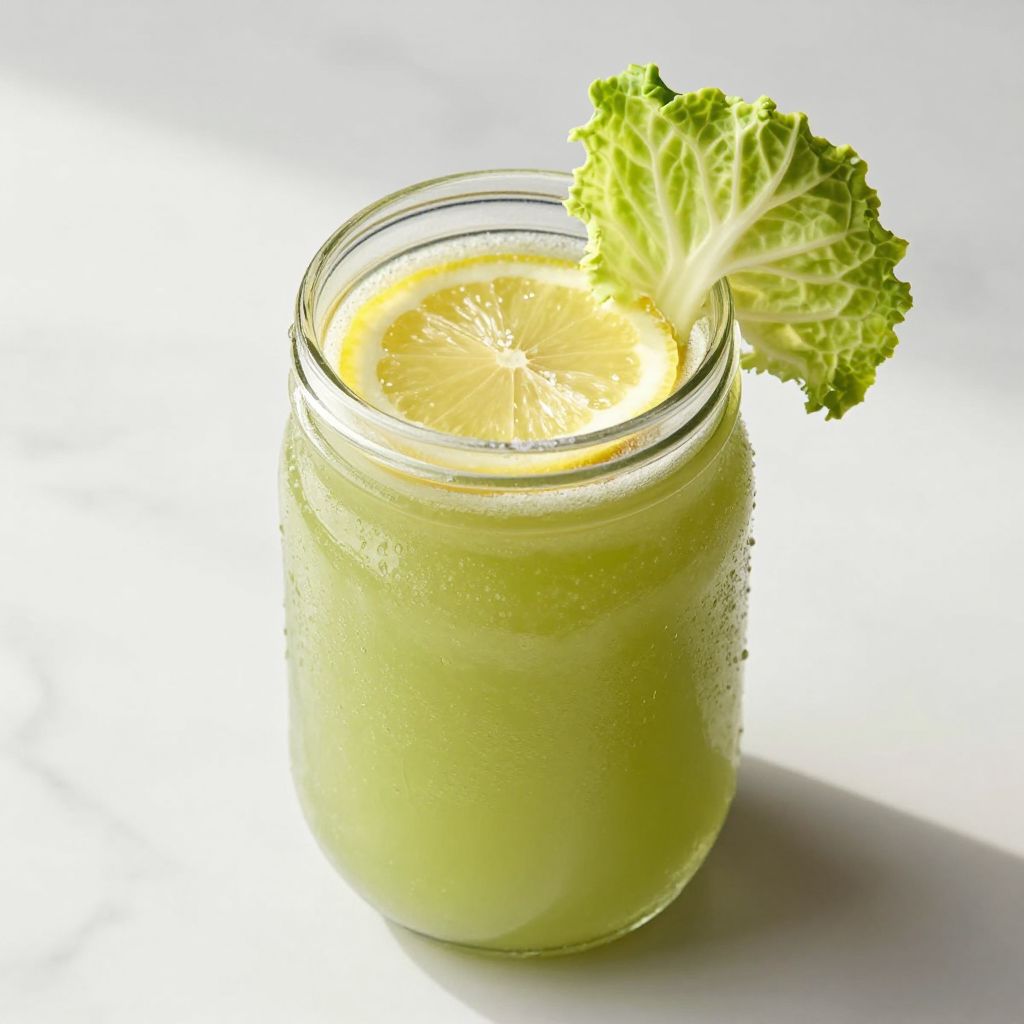
Fresh Cabbage Juice
Ingredients
Equipment
Method
- Select a firm, heavy cabbage and rinse thoroughly under cool running water, scrubbing gently to remove any dirt.
- Peel away and discard the tough outer leaves from the cabbage.
- Slice the cabbage into quarters, remove the core, and chop into 2 to 3-inch chunks that will fit your juicer or blender.
- If using a juicer, set it up on a stable surface with a container beneath the spout; ensure all parts are clean and assembled according to the manufacturer instructions.
- Turn on the juicer and slowly feed the cabbage chunks through the chute, using the pusher to guide them; collect the pale green juice.
- If using a blender, combine the cabbage chunks with 1/4 cup filtered water and blend on high speed until completely smooth, about 30 seconds; strain the mixture through a fine mesh strainer or cheesecloth into a clean pitcher, pressing with a wooden spoon to extract all the liquid.
- Stir the juice and add the lemon juice, raw honey, and sea salt if desired; taste and adjust seasonings.
- Serve the cabbage juice immediately over ice or transfer to airtight glass jars and refrigerate for up to 1 week, consuming within 7 days.